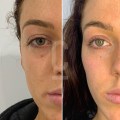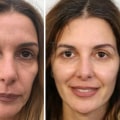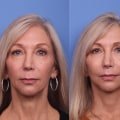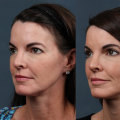
As we age, the natural elasticity of our skin diminishes, leading to visible signs of aging such as sagging skin, deep wrinkles, and a loss of facial volume. For many individuals contemplating a more youthful appearance, a facelift emerges as a compelling option. But what exactly does this procedure entail? Understanding the intricacies of a facelift is essential for anyone considering this transformative surgery.A facelift, medically known as rhytidectomy, is a surgical procedure designed to improve the visible signs of aging in the face and neck. It primarily targets sagging skin, deep creases around the mouth and nose, and excess fat deposits that can create a tired or aged appearance.
The goal is to restore a more youthful contour to the face by tightening underlying muscles and removing excess skin. This procedure can significantly enhance one’s self-esteem and overall satisfaction with their appearance.There are several techniques employed in facelift surgeries, each tailored to meet the unique needs of the patient. The traditional facelift involves incisions made around the ears and hairline, allowing for extensive lifting and repositioning of facial tissues. Alternatively, less invasive options such as the mini-facelift or endoscopic facelift are available for those with minimal sagging who desire subtle improvements.
These methods often result in shorter recovery times and less visible scarring. Understanding these techniques is crucial for making an informed decision about which approach aligns best with your aesthetic goals.Ultimately, the choice to undergo a facelift should be made after careful consideration and consultation with a qualified plastic surgeon. They can provide insights into which technique may be most effective based on your individual circumstances, skin condition, and desired outcomes. By gaining a comprehensive understanding of the facelift procedure and its various techniques, you can embark on your journey towards rejuvenation with confidence.
Is 50 the Right Age for a Facelift?
When considering whether to undergo a facelift at the age of 50, it is essential to evaluate various factors that can influence the outcome and satisfaction with the procedure.While there is no definitive age that dictates when one should have a facelift, understanding the implications of this milestone can help you make an informed decision.
Skin Elasticity and Aging
One of the primary considerations when contemplating a facelift is the condition of your skin. By the age of 50, many individuals begin to notice a decline in skin elasticity, which can lead to sagging and wrinkles. The natural aging process, combined with environmental factors such as sun exposure and lifestyle choices, can significantly impact skin quality. If your skin has retained a good level of elasticity, you may be a suitable candidate for a facelift, as this can enhance the results and longevity of the procedure.
Health Considerations
Your overall health plays a crucial role in determining whether you are ready for a facelift.
It is vital to be in good physical condition before undergoing any surgical procedure. Factors such as chronic illnesses, smoking, or obesity can complicate recovery and affect the results. Consulting with a qualified plastic surgeon will help assess your health status and determine if you are an appropriate candidate for surgery.
Personal Preferences and Goals
Ultimately, the decision to have a facelift at 50 should align with your personal aesthetic goals. Some individuals may feel that they are not yet ready for such an invasive procedure and might prefer less invasive options like fillers or skin tightening treatments.
Others may feel that a facelift is necessary to restore their youthful appearance and boost their confidence. It is essential to reflect on your motivations and expectations before proceeding.
Consultation with Professionals
Before making any decisions, it is advisable to consult with experienced plastic surgeons who can provide insights tailored to your unique situation. They can evaluate your skin condition, discuss potential outcomes, and recommend the best approach based on your age and health status.In conclusion, while 50 can be an appropriate age for a facelift, it ultimately depends on individual circumstances such as skin quality, health, and personal desires. Taking the time to assess these factors will help ensure that you make a choice that aligns with your goals and expectations.
Factors to Consider Before Getting a Facelift
Deciding to undergo a facelift is a significant choice that requires careful consideration of various factors.Understanding these elements can help you make an informed decision that aligns with your aesthetic goals and overall health.
1.Health Status
Your general health plays a crucial role in determining whether you are a suitable candidate for a facelift. Individuals with chronic health conditions, such as heart disease or diabetes, may face increased risks during surgery and recovery. It is essential to consult with your healthcare provider to assess your health status and discuss any potential complications that could arise from the procedure.
2.Skin Condition
The condition of your skin significantly influences the outcome of a facelift. Factors such as skin elasticity, texture, and overall quality can affect how well your skin responds to the surgical procedure.
Those with good skin elasticity may achieve more natural-looking results, while individuals with significant sagging or damaged skin may require additional treatments to enhance their results. A thorough evaluation by a qualified plastic surgeon can provide insights into your skin's condition and what can be realistically achieved.
3.Lifestyle Choices
Your lifestyle choices can also impact both the decision to have a facelift and the results of the surgery. Factors such as smoking, alcohol consumption, and sun exposure can adversely affect skin health and healing processes. For instance, smoking can impede blood flow and slow down recovery, while excessive sun exposure can lead to further skin damage post-surgery.
Adopting healthier habits prior to surgery can improve your overall well-being and enhance the longevity of your facelift results.
4.Emotional Readiness
It is vital to assess your emotional readiness for undergoing a facelift. This procedure is not merely about physical appearance; it also involves psychological aspects. Ensure that your motivations for seeking surgery are realistic and that you have a positive mindset towards the changes it will bring. Consulting with a mental health professional or discussing your feelings with trusted friends or family members can provide valuable perspective.
5.Expectations and Goals
Having clear expectations about what a facelift can achieve is essential for satisfaction with the results.
While many individuals seek a more youthful appearance, it is important to understand that a facelift cannot stop the aging process or create an entirely new look. Discussing your goals with your surgeon will help set realistic outcomes and ensure that both you and your surgeon are aligned in terms of what can be achieved.In conclusion, considering these factors—health status, skin condition, lifestyle choices, emotional readiness, and expectations—can significantly influence your decision-making process regarding a facelift. Taking the time to evaluate these elements will not only help you prepare for the procedure but also enhance the likelihood of achieving satisfying results.
The Benefits of a Facelift at 50
Deciding to undergo a facelift at the age of 50 can be a significant choice, one that comes with numerous potential benefits. As we age, our skin naturally loses elasticity, leading to sagging and the formation of wrinkles.A facelift can effectively address these issues, offering a rejuvenated appearance that reflects how vibrant you feel inside.
Improved Appearance
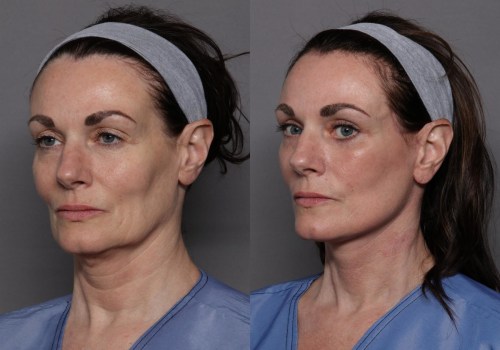
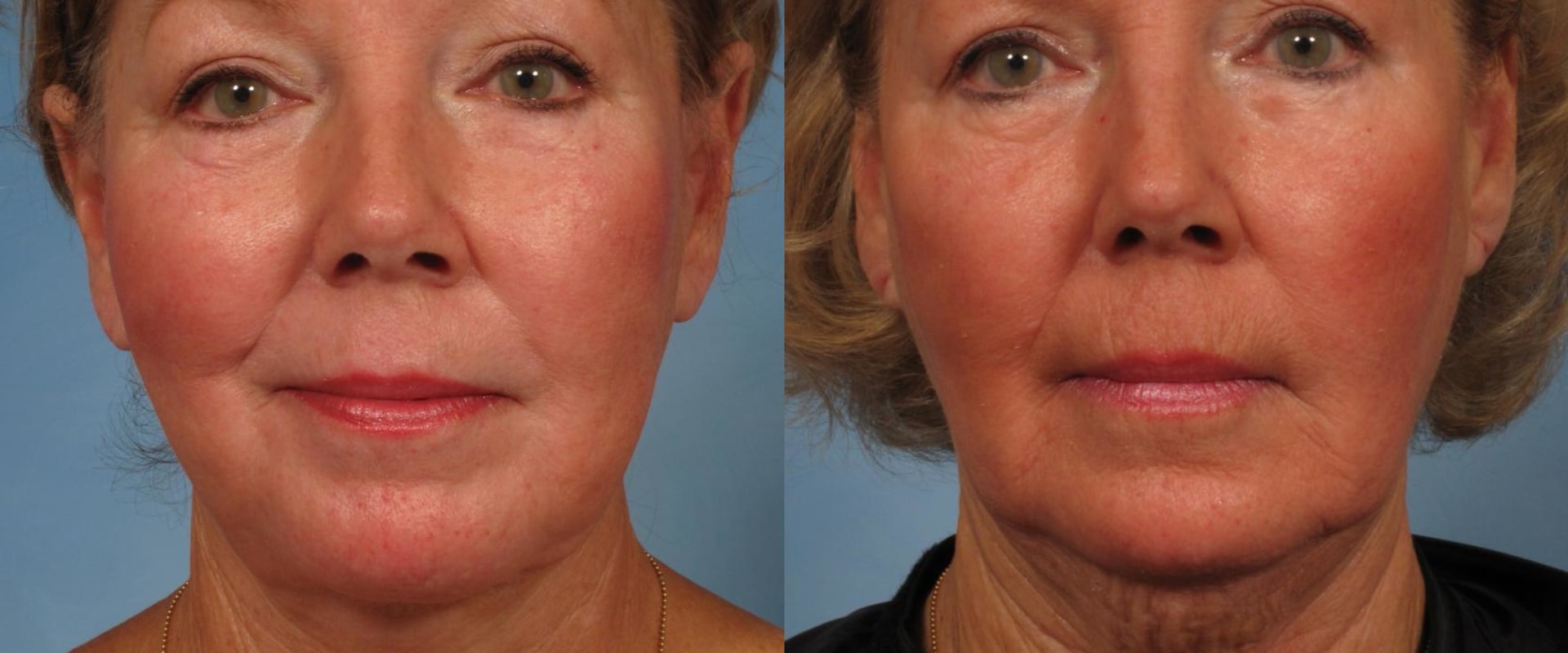
One of the most immediate benefits of a facelift is the enhancement of your overall appearance. By removing excess skin and tightening underlying tissues, a facelift can restore youthful contours to your face and neck. This procedure can help eliminate deep creases around the mouth, lift sagging cheeks, and reduce jowls, resulting in a more defined jawline. Many individuals report looking up to 12 years younger after their surgery, which can significantly boost self-esteem.
Increased Confidence
With an improved appearance often comes increased confidence.
Many people find that after a facelift, they feel more comfortable in social situations and are more willing to engage with others. This newfound confidence can positively impact various aspects of life, from personal relationships to professional opportunities. Feeling good about how you look can lead to a more fulfilling life.
Long-Lasting Results
A facelift performed at 50 can yield long-lasting results, especially if you maintain a healthy lifestyle post-surgery. While individual results may vary, many patients enjoy their enhanced appearance for over a decade.
This longevity makes the investment in a facelift worthwhile for those seeking enduring change.
Complementary Procedures
A facelift can also serve as a foundation for other cosmetic enhancements. Many individuals choose to combine their facelift with additional procedures such as eyelid surgery or brow lifts for comprehensive facial rejuvenation. This holistic approach allows for tailored results that address multiple areas of concern.
Personal Empowerment
Ultimately, choosing to undergo a facelift is about personal empowerment. It’s an opportunity to take control of your appearance and make choices that align with your self-image and aspirations.
Whether you want to look as youthful as you feel or simply wish to refresh your look, a facelift at 50 can be a transformative experience.In conclusion, the benefits of getting a facelift at 50 extend beyond mere aesthetics. From improved appearance and increased confidence to long-lasting results and personal empowerment, this procedure can significantly enhance your quality of life. If you’re considering this option, it’s essential to consult with a qualified plastic surgeon who can guide you through the process and help you achieve your desired outcomes.
Risks and Considerations of Facelifts
Deciding to undergo a facelift is a significant choice that comes with its own set of risks and considerations. While many individuals seek this procedure to rejuvenate their appearance, it is essential to be aware of the potential complications that can arise.Common Risks Associated with Facelifts
- Infection: As with any surgical procedure, there is a risk of infection at the incision sites.
Proper aftercare and following your surgeon's instructions can help mitigate this risk.
- Scarring: Although surgeons strive to make incisions in discreet locations, some scarring is inevitable. The extent of scarring can vary based on individual healing processes and skin types.
- Hematoma: This condition occurs when blood collects under the skin, leading to swelling and bruising. In some cases, a hematoma may require drainage by a medical professional.
- Nerve Damage: Temporary or permanent nerve damage can occur, potentially resulting in altered sensation or movement in the facial area. This risk is generally low but should be considered.
- Asymmetry: Post-surgery, some patients may notice unevenness in their facial features.
While surgeons aim for symmetry, individual healing responses can lead to variations.
Long-term Considerations
While many risks are associated with the immediate aftermath of a facelift, long-term considerations also play a crucial role in decision-making. The longevity of results can vary significantly based on factors such as age, skin type, and lifestyle choices. For instance, individuals who smoke or have significant sun exposure may experience accelerated aging, which could diminish the results of the facelift over time.
Safety Measures
To enhance safety during the facelift process, it is vital to choose a qualified and experienced plastic surgeon. Researching their credentials, reading patient reviews, and discussing your concerns during consultations can help ensure you are making an informed choice.
Additionally, understanding the pre-operative and post-operative care instructions will significantly impact your recovery and overall satisfaction with the results.Ultimately, while facelifts can provide remarkable improvements in appearance, it is crucial to weigh these benefits against the potential risks and complications. Engaging in thorough discussions with your healthcare provider will empower you to make a well-informed decision that aligns with your aesthetic goals and health considerations.
Alternative Options to Facelifts
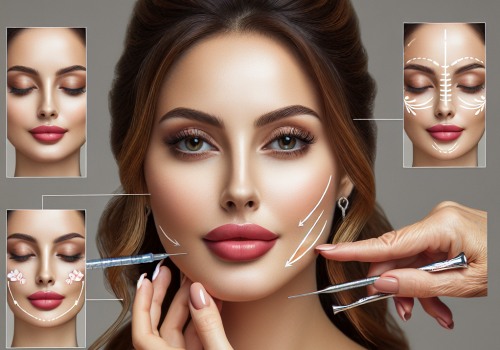
For those contemplating a facelift but feeling hesitant about undergoing surgery, there are several non-surgical alternatives that can effectively address signs of aging. These options can provide noticeable improvements in skin appearance and texture without the need for invasive procedures.One popular alternative is dermal fillers. These injectable treatments can restore volume to areas of the face that may have lost fullness due to aging.Commonly used fillers include hyaluronic acid, which not only plumps the skin but also hydrates it, giving a more youthful appearance. Results typically last from six months to two years, depending on the type of filler used.
Botox
is another widely recognised non-surgical option. This treatment works by temporarily relaxing the muscles that cause wrinkles, particularly around the forehead and eyes. The effects usually last three to six months, making it a popular choice for those looking to maintain a youthful look without committing to surgery.For individuals seeking skin tightening without surgery, radiofrequency treatments are an excellent choice.
This method uses energy waves to heat the skin's deeper layers, stimulating collagen production and resulting in tighter, firmer skin over time. Many patients report visible improvements after just a few sessions.
Ultrasound therapy
, such as Ultherapy, is another effective non-invasive treatment. It uses focused ultrasound energy to lift and tighten the skin on the neck, chin, and brow. This technique promotes collagen regeneration and can provide subtle yet significant lifting effects.Additionally, chemical peels and microdermabrasion can enhance skin texture and tone by removing dead skin cells and promoting new cell growth.
These treatments can help reduce fine lines and improve overall skin quality.Finally, laser therapy offers various options for rejuvenating the skin. Laser treatments can target pigmentation issues, fine lines, and even stimulate collagen production for a more youthful appearance.In conclusion, while a facelift may be an effective solution for some individuals over 50, there are numerous non-surgical options available that can provide significant improvements in facial aesthetics. Consulting with a qualified practitioner can help determine which treatment aligns best with your goals and comfort level.
Preparing for Your Facelift Consultation
Preparing for a facelift consultation is a crucial step in ensuring that you make informed decisions about your cosmetic surgery journey. This meeting with your plastic surgeon is not just a formality; it’s an opportunity to gather essential information, express your concerns, and set realistic expectations for the outcome of the procedure.Gathering Your Medical History
- Before your consultation, compile a comprehensive medical history.
Include any previous surgeries, current medications, allergies, and any medical conditions that may affect your surgery or recovery.
- Be prepared to discuss your lifestyle habits, such as smoking or alcohol consumption, as these can impact healing and results.
Questions to Ask Your Surgeon
During the consultation, it’s vital to ask questions that will help you understand the procedure and what to expect. Here are some key questions to consider:
- What is your experience with facelifts? Inquire about the surgeon's qualifications, experience, and the number of facelift procedures they have performed.
- What technique do you recommend for me? Different techniques may be suitable depending on your specific needs. Understanding why a particular method is recommended can help you feel more confident in your choice.
- What are the potential risks and complications? Every surgical procedure carries risks. Knowing what they are can help you weigh the benefits against potential downsides.
- What will my recovery look like? Ask about the expected recovery time, post-operative care, and any restrictions you may face during healing.
- Can I see before-and-after photos of previous patients? Viewing real results can provide insight into what you might expect from your own surgery.
Visualising Your Goals
It’s also beneficial to bring along photos that represent your desired outcomes.
This visual aid can help communicate your expectations more clearly to the surgeon.
Understanding Costs and Financing Options
Finally, discuss the costs associated with the facelift procedure. Understanding the total cost, including anaesthesia and facility fees, is essential for budgeting. Inquire about financing options if needed.By preparing thoroughly for your facelift consultation, you empower yourself with knowledge and clarity, setting the stage for a successful surgical experience.
Post-Operative Care and Recovery After a Facelift
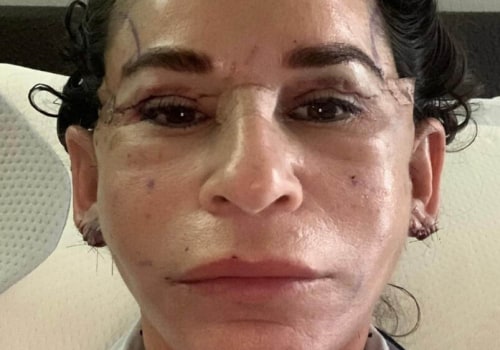
Recovering from a facelift is a critical phase that significantly influences the overall outcome of the procedure. Understanding the facelift recovery process and adhering to post-operative care guidelines can help ensure optimal results and a smoother healing journey.Immediately after the surgery, patients can expect some swelling, bruising, and discomfort.These symptoms are normal and typically peak within the first few days. To manage these effects, it is essential to follow your surgeon's instructions closely. Here are some key aspects of post-operative care:
- Rest and Relaxation: Prioritising rest is crucial in the initial days following surgery. Avoid strenuous activities and allow your body to heal.
- Head Elevation: Keeping your head elevated while resting can help reduce swelling.
Use extra pillows or a recliner to maintain an elevated position.
- Cold Compresses: Applying cold compresses to the face can alleviate swelling and discomfort. Ensure that the compresses are not applied directly to the skin; wrap them in a cloth.
- Medication Management: Your surgeon will prescribe pain relief medication. Take these as directed to manage any discomfort effectively.
- Wound Care: Follow specific instructions regarding cleaning and caring for your incisions. Keeping the area clean and dry is vital to prevent infection.
By the end of this period, many individuals feel ready to resume light activities, although it is advisable to avoid heavy lifting or vigorous exercise for at least two weeks.As healing progresses, you may notice gradual improvements in your facial contours. Most patients can return to work or social activities within two weeks, but full recovery may take several months as residual swelling subsides and final results become apparent.Regular follow-up appointments with your surgeon are essential during this time. These visits allow for monitoring of your healing process and addressing any concerns that may arise. Additionally, maintaining a healthy lifestyle, including proper nutrition and hydration, can support your body’s recovery efforts.In summary, understanding the post-operative care for facelift procedures is vital for achieving satisfactory results.
By following your surgeon's guidelines and being patient with the healing process, you can enjoy the rejuvenated appearance that a facelift offers.
Real-Life Experiences: Testimonials from Those Who Have Had Facelifts at 50
Hearing from individuals who have undergone a facelift at the age of 50 can provide invaluable insights for those contemplating the procedure. Here are some real-life experiences shared by patients who have taken the plunge.Sarah, 50:
"I had been considering a facelift for a couple of years. I noticed that my skin was losing its elasticity, and I felt like I looked tired all the time. After doing extensive research and consulting with a few surgeons, I decided to go ahead with it.
The results were transformative! I felt rejuvenated and more confident in my appearance. It’s been six months since the surgery, and I still receive compliments on how youthful I look. I wish I had done it sooner!"
John, 52:
"As a man, I was hesitant about getting a facelift because of the stigma surrounding cosmetic surgery. However, after discussing it with my partner and seeing how much it could improve my self-esteem, I decided to proceed.
The recovery was smoother than I expected, and the results are subtle yet significant. I feel like I can face the world with renewed confidence, both personally and professionally."
Linda, 50:
"I had always been against cosmetic procedures until I reached my 50s. The signs of aging became more pronounced, and I felt like my outer appearance didn’t reflect how vibrant I felt inside. After much deliberation, I opted for a facelift combined with some non-invasive treatments.
The experience was empowering, and now I feel like my face matches my spirit!"
Mark, 51:
"I was surprised at how many men are opting for facelifts these days. After seeing a friend’s incredible results, I decided to explore it myself. My surgeon explained the process thoroughly and made me feel at ease. Post-surgery, the compliments from friends and family have been overwhelming.
It’s not just about looking younger; it’s about feeling good in your skin again."
Emma, 50:
"I had a mini-facelift that targeted specific areas of concern around my jawline and neck. The procedure was less invasive than I anticipated, and the recovery time was quick. Now, several months later, I can see how much tighter my skin looks without appearing overly done. It’s been a fantastic decision for me!"These testimonials highlight that undergoing a facelift at 50 can lead to positive changes in both appearance and self-esteem.
Each individual’s journey is unique, but common themes of empowerment and renewed confidence resonate throughout their stories.
Conclusion: Making an Informed Decision About Your Facelift Journey
Deciding whether to undergo a facelift at the age of 50 is a significant choice that requires careful consideration of various factors. Throughout this article, we have explored the implications of facial aging, the different types of facelift procedures available, and the potential benefits and risks associated with them. As you reflect on your options, it is essential to weigh these aspects thoughtfully.Firstly, understanding your own motivations for seeking a facelift is crucial. Are you looking to enhance your self-esteem, or do you feel pressured by societal standards of beauty? A facelift can indeed rejuvenate your appearance, but it is vital to ensure that your decision stems from personal desire rather than external influences.Secondly, consider your overall health and skin condition.A successful facelift often depends on factors such as skin elasticity and muscle tone. Consulting with a qualified plastic surgeon can provide insights into whether you are a suitable candidate for the procedure. They can assess your unique facial structure and recommend the most appropriate type of facelift for your needs.Moreover, it is essential to have realistic expectations about the outcomes of a facelift. While many individuals report looking significantly younger post-surgery, results can vary based on individual circumstances.
Understanding that a facelift does not stop the aging process but rather enhances your current appearance can help set realistic goals.Additionally, consider the recovery process involved in a facelift. Post-operative care is crucial for achieving optimal results, and being prepared for downtime is necessary. Discussing recovery timelines and potential complications with your surgeon will help you plan accordingly.Finally, remember that there are alternatives to surgical facelifts, such as non-invasive treatments that may suit your needs better. Options like dermal fillers or skin tightening procedures can offer significant improvements without the commitment of surgery.In conclusion, making an informed decision about a facelift at 50 involves introspection and thorough research.
By considering your motivations, health status, expectations, recovery process, and alternative options, you can approach this journey with confidence and clarity.