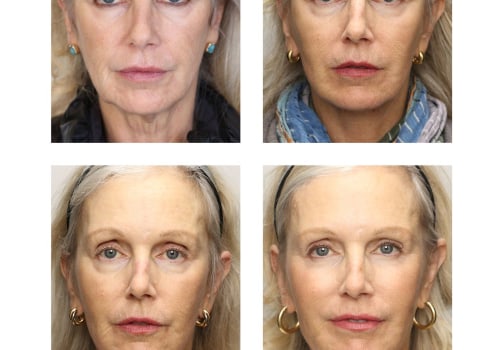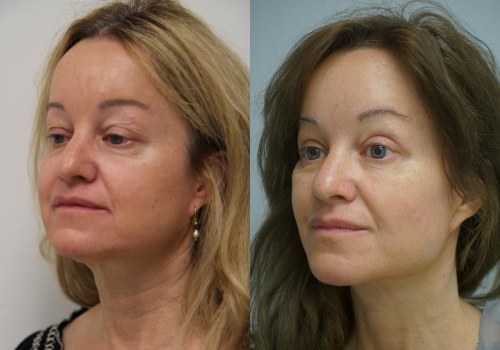
Facial fillers have become a popular choice for individuals seeking to enhance their appearance without undergoing invasive surgical procedures. These injectable treatments are designed to restore volume, smooth out wrinkles, and improve facial contours, providing a more youthful look. Understanding the various types of fillers available and their composition is essential for anyone considering these treatments, as it can significantly influence the results and longevity of the effects.One of the most widely used materials in facial fillers is hyaluronic acidhyaluronic acid , a naturally occurring substance in the body that helps retain moisture and adds volume to the skin. Hyaluronic acid fillers are particularly favoured due to their ability to provide immediate results while being reversible.
This means that if a patient is dissatisfied with the outcome or experiences adverse effects, the filler can be dissolved using an enzyme called hyaluronidase. This safety feature makes hyaluronic acid fillers an attractive option for many.In addition to hyaluronic acid, there are several other types of fillers available on the market, each with unique properties and intended uses. For instance, calcium hydroxylapatite fillers are thicker and often used for deeper lines and wrinkles, while poly-L-lactic acid stimulates collagen production over time, offering gradual improvements. Understanding these differences is crucial for making informed decisions about which filler may be best suited for individual needs.As you delve deeper into the world of facial fillers, it becomes clear that knowledge about their composition and functionality is vital.
This understanding not only helps in setting realistic expectations but also empowers individuals to make choices that align with their aesthetic goals. Whether you are considering fillers for the first time or looking to dissolve existing ones, being well-informed will guide you through your cosmetic journey.
Why Would You Want Fillers to Dissolve Quickly?
There are several compelling reasons why individuals may wish to expedite the dissolution of their facial fillers. Understanding these motivations can provide insight into the emotional and practical aspects of cosmetic treatments.1.Complications from Fillers
One of the primary reasons for wanting fillers to dissolve quickly is the occurrence of complications. While dermal fillers are generally safe, some individuals may experience adverse reactions such as:
- Allergic Reactions: Some people may develop an allergic response to the filler material, leading to swelling, redness, or discomfort.
- Infection: Although rare, infections can occur at the injection site, necessitating prompt treatment.
- Granulomas: These are small lumps that can form under the skin as a reaction to the filler, causing an uneven appearance.
2.Dissatisfaction with Results
Another significant reason for wanting fillers to dissolve is dissatisfaction with the aesthetic outcome.
This can stem from various factors:
- Overfilling: Sometimes, too much filler is injected, resulting in an unnatural or overly plump appearance.
- Asymmetry: Fillers may not be applied evenly, leading to an unbalanced look that can be distressing for the individual.
- Changing Preferences: A person's aesthetic preferences may evolve over time, leading them to desire a more natural look or a different facial contour.
3.Emotional Well-being
The emotional impact of cosmetic procedures cannot be understated. For many, feeling satisfied with their appearance is closely tied to their self-esteem and overall mental health. If fillers lead to feelings of regret or anxiety about one’s looks, dissolving them quickly can be a crucial step towards regaining confidence and peace of mind.Ultimately, whether due to complications, dissatisfaction with results, or changing aesthetic preferences, there are valid reasons for wanting fillers to dissolve quickly. Understanding these motivations helps highlight the importance of open communication with healthcare providers and making informed decisions about cosmetic treatments.
The Role of Hyaluronidase in Dissolving Fillers
Hyaluronidase is a naturally occurring enzyme in the body that plays a crucial role in the breakdown of hyaluronic acid, a key component of many dermal fillers.Understanding how hyaluronidase works can provide insight into its effectiveness in dissolving fillers and restoring a more natural appearance.When dermal fillers are injected, they often contain hyaluronic acid, which is designed to add volume and hydration to the skin. However, there are instances where the results may not meet expectations, or complications may arise. In such cases, hyaluronidase can be employed to reverse these effects.
How Hyaluronidase Works
- Hyaluronidase functions by breaking down the bonds that hold hyaluronic acid molecules together. This process effectively reduces the volume of the filler and allows the body to metabolise it more quickly.
- The enzyme is typically injected directly into the area where the filler was administered.
Once injected, hyaluronidase begins to work almost immediately, with noticeable results often seen within hours.
- As the hyaluronic acid is broken down, it is gradually absorbed by the body, leading to a reduction in swelling and restoring the area to its pre-filler state.
Effectiveness in Various Treatment Areas
Hyaluronidase is particularly effective for dissolving fillers in various facial areas, including:
- Lips: Many individuals seek to dissolve lip fillers due to over-injection or dissatisfaction with the results. Hyaluronidase can quickly restore a more natural lip shape.
- Cheeks: Fillers placed in the cheeks can sometimes create an unnatural appearance. Hyaluronidase can help reduce this volume effectively.
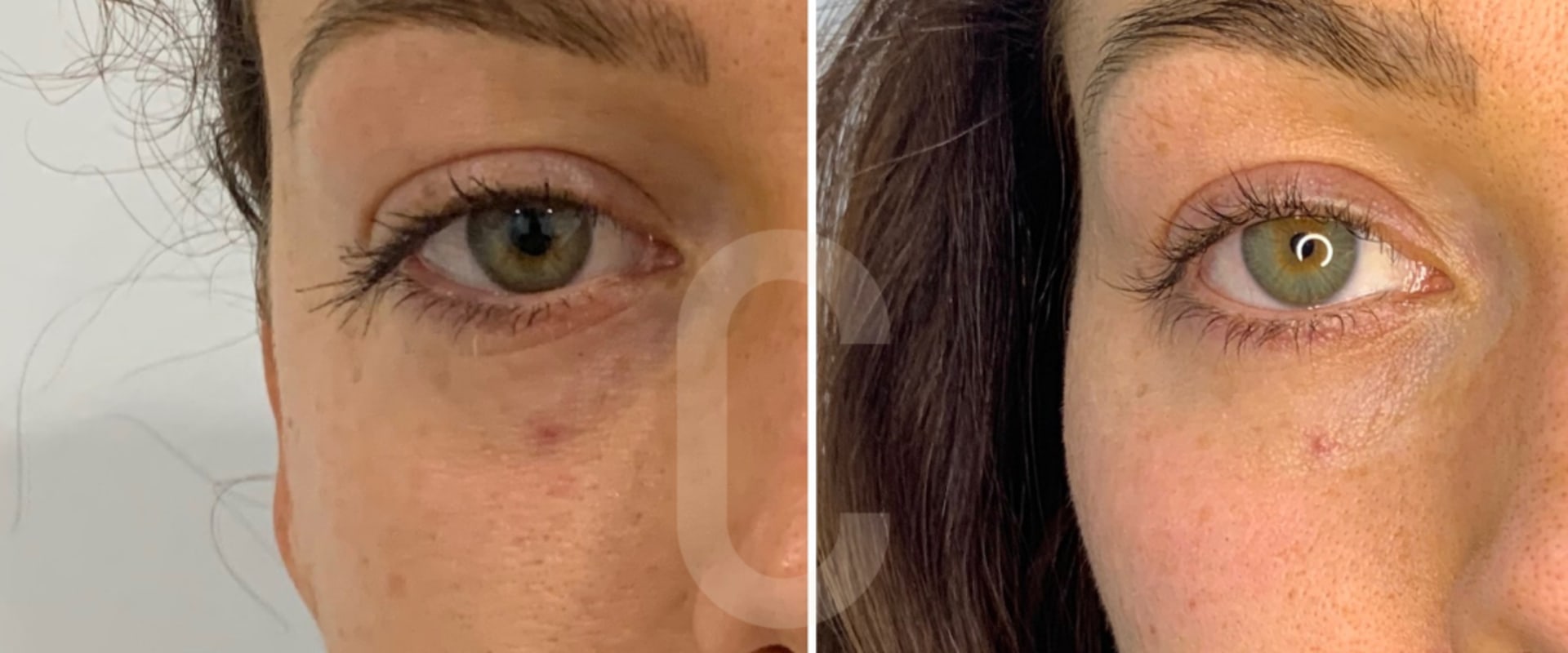
- Under-eye area: Fillers used for tear troughs can lead to puffiness or an undesirable look. Hyaluronidase can alleviate these issues by breaking down excess filler.
Its ability to act quickly and target specific areas makes it an invaluable option for individuals seeking to correct or adjust their cosmetic treatments.
Immediate Steps to Take After Receiving Fillers
Receiving dermal fillers can enhance your facial features, but it’s common to experience some swelling and discomfort immediately after the procedure. To ensure a smooth recovery and to help the fillers settle in more comfortably, there are several immediate steps you can take.1.Apply Ice Packs
One of the most effective ways to manage swelling is by applying ice packs to the treated areas. Here’s how to do it properly:
- Wrap an ice pack or a bag of frozen peas in a soft cloth to prevent direct contact with your skin.
- Gently place the wrapped ice pack on the swollen areas for about 10-15 minutes at a time.
- Take breaks between applications, allowing your skin to return to normal temperature before reapplying.
- Avoid using ice for prolonged periods, as this can lead to frostbite or further irritation.
2.Keep Your Head Elevated
After receiving fillers, it’s advisable to keep your head elevated, especially while sleeping. This can help reduce swelling:
- Use an extra pillow or two when lying down to keep your head above your heart.
- Avoid bending over or engaging in strenuous activities that could increase blood flow to the face.
3.Stay Hydrated
Drinking plenty of water is crucial for recovery.
Staying hydrated helps your body flush out any excess sodium that may contribute to swelling:
- Aim for at least 2 litres of water daily, adjusting based on your activity level and climate.
- Consider incorporating hydrating foods like cucumbers and watermelon into your diet.
4.Avoid Certain Activities
In the first 24-48 hours post-treatment, it’s important to avoid activities that could exacerbate swelling:
- Refrain from intense exercise or heavy lifting.
- Avoid saunas, hot baths, and excessive sun exposure, as heat can increase swelling.
- Steer clear of alcohol and caffeine, which can dehydrate you and worsen swelling.
5.Follow Your Practitioner’s Advice
Your healthcare provider will give you specific aftercare instructions tailored to your treatment. Be sure to follow these guidelines closely for optimal results:
- If prescribed any medications or topical treatments, use them as directed.
- Schedule a follow-up appointment if you have concerns about swelling or discomfort.
Professional Treatments for Faster Dissolution of Fillers
When it comes to achieving a more natural appearance after receiving dermal fillers, professional treatments can provide a swift solution. One of the most effective methods for dissolving fillers is through the use of hyaluronidase injections. This enzyme specifically targets fillers made from hyaluronic acid, which are among the most commonly used in cosmetic procedures.Hyaluronidase
works by breaking down hyaluronic acid, allowing the body to absorb it more quickly.
The procedure is relatively straightforward and typically takes less than an hour. During your appointment, a qualified practitioner will assess the areas where the filler has been applied and determine the appropriate dosage of hyaluronidase needed for optimal results.Before the injection, your practitioner may apply a topical anesthetic to minimise discomfort. Once you are ready, they will administer a series of small injections directly into the area where the filler is located. Many patients report feeling only mild discomfort during the procedure, often likening it to a slight pinch.After receiving hyaluronidase, you can expect to see results fairly quickly.
In many cases, patients notice a significant reduction in volume within just a few hours, with full effects typically visible within 24 to 48 hours. However, it’s important to remember that individual responses can vary based on factors such as skin type and the amount of filler initially injected.While hyaluronidase is generally considered safe, there are potential side effects to be aware of. These may include:
- Swelling: Some swelling at the injection site is common and usually subsides within a few days.
- Bruising: As with any injection, there is a risk of bruising, which can take time to heal.
- Allergic Reactions: Although rare, some individuals may experience an allergic reaction to hyaluronidase.
Natural Remedies and Home Care Tips for Reducing Filler Longevity
After receiving dermal fillers, many individuals seek ways to manage their appearance and reduce the longevity of the effects.While professional treatments are available, there are also several natural remedies and home care tips that can assist in this process.One of the most effective natural methods is to stay hydrated. Drinking plenty of water helps maintain skin elasticity and can promote a more natural breakdown of fillers. Aim for at least eight glasses of water a day to keep your skin plump and healthy.
Massage
is another beneficial technique. Gently massaging the treated area can stimulate blood flow and encourage the filler to disperse more evenly.
Use your fingertips to apply light pressure in circular motions, but be cautious not to apply too much force, as this could lead to discomfort or bruising.Incorporating anti-inflammatory foods into your diet can also aid in reducing swelling and promoting healing. Foods rich in omega-3 fatty acids, such as salmon, walnuts, and flaxseeds, can help combat inflammation. Additionally, fruits and vegetables high in antioxidants, like berries and leafy greens, support skin health and may assist in the natural breakdown of fillers.
Aloe vera
is renowned for its soothing properties. Applying pure aloe vera gel to the treated area can help reduce inflammation and promote healing.
Its hydrating qualities also contribute to maintaining skin health.Another home remedy involves using cold compresses. Applying a cold pack wrapped in a cloth to the area can help alleviate swelling and discomfort following filler injections. Limit each application to 15 minutes at a time, allowing your skin to rest between sessions.
Regular exercise
is essential for overall health and can also benefit your skin. Engaging in physical activity increases circulation, which may help in the natural absorption of fillers over time.
Aim for at least 30 minutes of moderate exercise most days of the week.Lastly, consider avoiding excessive sun exposure immediately after receiving fillers. UV rays can damage the skin and potentially affect how fillers settle. Always apply a broad-spectrum sunscreen with an SPF of at least 30 when going outdoors.By integrating these natural remedies and home care tips into your routine, you may find that you can effectively manage the longevity of your fillers while promoting overall skin health.
What to Expect During the Dissolution Process
When considering the dissolution of facial fillers, it is crucial to understand what to expect throughout the process. This knowledge can help manage your expectations and ensure a smoother experience.Dissolution Process Timeline
The timeline for dissolving fillers can vary based on several factors, including the type of filler used and the individual's unique response to treatment.
Generally, the process begins with an initial consultation where your healthcare provider will assess your situation and discuss the best approach.Once you proceed with the treatment, hyaluronidase is injected into the area where the filler is located. Most patients start to notice changes within a few hours, as hyaluronidase works quickly to break down hyaluronic acid fillers. However, full results may take up to two weeks to manifest as swelling subsides and the area settles.
Results After Dissolving Fillers
After undergoing filler dissolution, many individuals report a significant reduction in volume and a return to their natural facial contours. The results can be quite dramatic, especially if a large amount of filler was initially injected.
It is important to note that while some swelling may occur immediately after the procedure, this is typically temporary and should resolve within a few days.In some cases, patients may require multiple sessions of hyaluronidase injections to achieve their desired outcome. Your healthcare provider will guide you on whether additional treatments are necessary based on your specific circumstances.
Recovery from Filler Dissolution
The recovery period following filler dissolution is generally straightforward. Most individuals can resume their normal activities immediately after treatment. However, it is advisable to avoid strenuous exercise and excessive sun exposure for at least 24 hours post-procedure to minimise any potential irritation or swelling.During the recovery phase, you may experience mild bruising or tenderness at the injection site, which should subside within a few days.
Applying ice packs wrapped in a cloth can help alleviate discomfort and reduce swelling. If you notice any unusual symptoms or prolonged swelling, it is essential to contact your healthcare provider for further advice.In summary, understanding the dissolution process, expected results, and recovery can significantly enhance your experience with filler treatments. By being informed, you can approach the process with confidence and clarity.
Frequently Asked Questions About Filler Dissolution
When considering the dissolution of dermal fillers, many individuals have questions and concerns. This section aims to address some of the most frequently asked questions regarding filler dissolution, providing clarity and reassurance for those contemplating this option.What is filler dissolution?
Filler dissolution refers to the process of breaking down dermal fillers, particularly those made from hyaluronic acid, using an enzyme called hyaluronidase.This enzyme naturally occurs in the body and helps to metabolise hyaluronic acid, allowing for a quicker return to your natural appearance.
Is filler dissolution safe?
Yes, filler dissolution is generally considered a safe procedure when performed by a qualified professional. Hyaluronidase has been used in medical settings for many years, and adverse reactions are rare. However, it is essential to consult with a certified practitioner who can assess your individual situation and provide tailored advice.How long does it take for fillers to dissolve?
The effects of hyaluronidase can be seen relatively quickly, often within a few days. However, full results may take up to two weeks as the body continues to metabolise the filler.It’s important to be patient during this time and follow your practitioner’s aftercare instructions.
Will I experience any side effects?
As with any cosmetic procedure, there may be some side effects associated with filler dissolution. Common side effects include:- Swelling at the injection site
- Bruising
- Redness
- Itching or tenderness
Can all types of fillers be dissolved?
No, only fillers that contain hyaluronic acid can be effectively dissolved using hyaluronidase. Other types of fillers, such as those made from poly-L-lactic acid or calcium hydroxylapatite, do not respond to this treatment.If you are unsure about the type of filler you have received, consult your practitioner for guidance.
What should I do if I am unhappy with my filler results?
If you are dissatisfied with the appearance of your fillers, it is advisable to speak with your practitioner as soon as possible. They can evaluate your situation and discuss whether dissolving fillers is the right option for you or if alternative treatments may be more suitable.This FAQ section aims to demystify the process of filler dissolution and provide you with the information needed to make informed decisions about your cosmetic treatments.Conclusion: Making Informed Decisions About Facial Fillers
In conclusion, navigating the world of facial fillers requires a thoughtful approach and a commitment to making informed decisions. As we have explored throughout this article, understanding the various types of fillers, their potential effects, and the processes involved in their application is crucial for anyone considering these cosmetic enhancements.It is essential to recognise that while fillers can provide significant aesthetic benefits, they are not without risks. Complications can arise, and results may not always align with expectations.Therefore, it is vital to consult with qualified professionals who possess the necessary expertise and experience in administering these treatments. A thorough consultation allows for a discussion of your goals, concerns, and any medical history that may impact the treatment.Moreover, being aware of the aftercare procedures and potential side effects can significantly influence your overall experience. For instance, understanding how to manage swelling or bruising post-treatment can lead to a more satisfactory outcome. Additionally, knowing when to seek help if complications arise is equally important.As you consider facial fillers, take the time to research and reflect on your motivations.
Are you seeking a subtle enhancement or a dramatic change? Understanding your desires will help guide your discussions with your practitioner and ensure that you receive tailored advice that aligns with your aesthetic goals.Ultimately, the decision to undergo filler treatments should be made with careful consideration and professional guidance. By prioritising safety and informed choices, you can achieve results that enhance your natural beauty while minimising risks. Remember, cosmetic procedures are personal journeys; take the time to ensure that yours is well-informed and aligned with your individual needs.