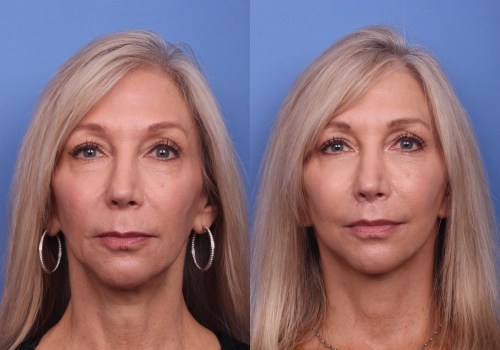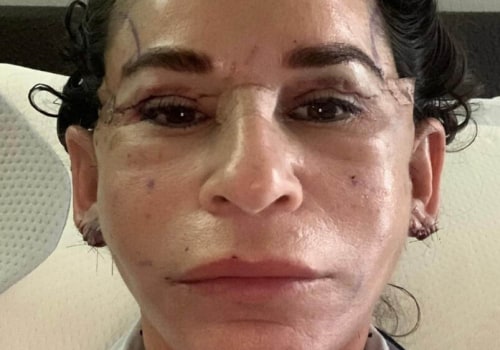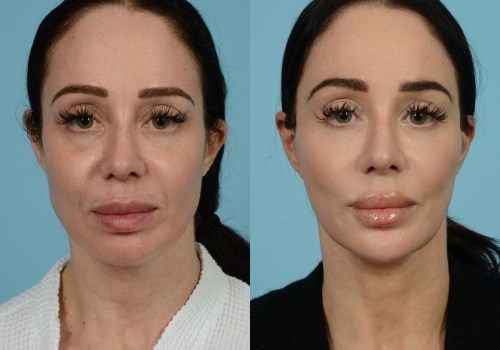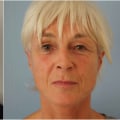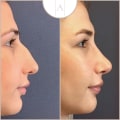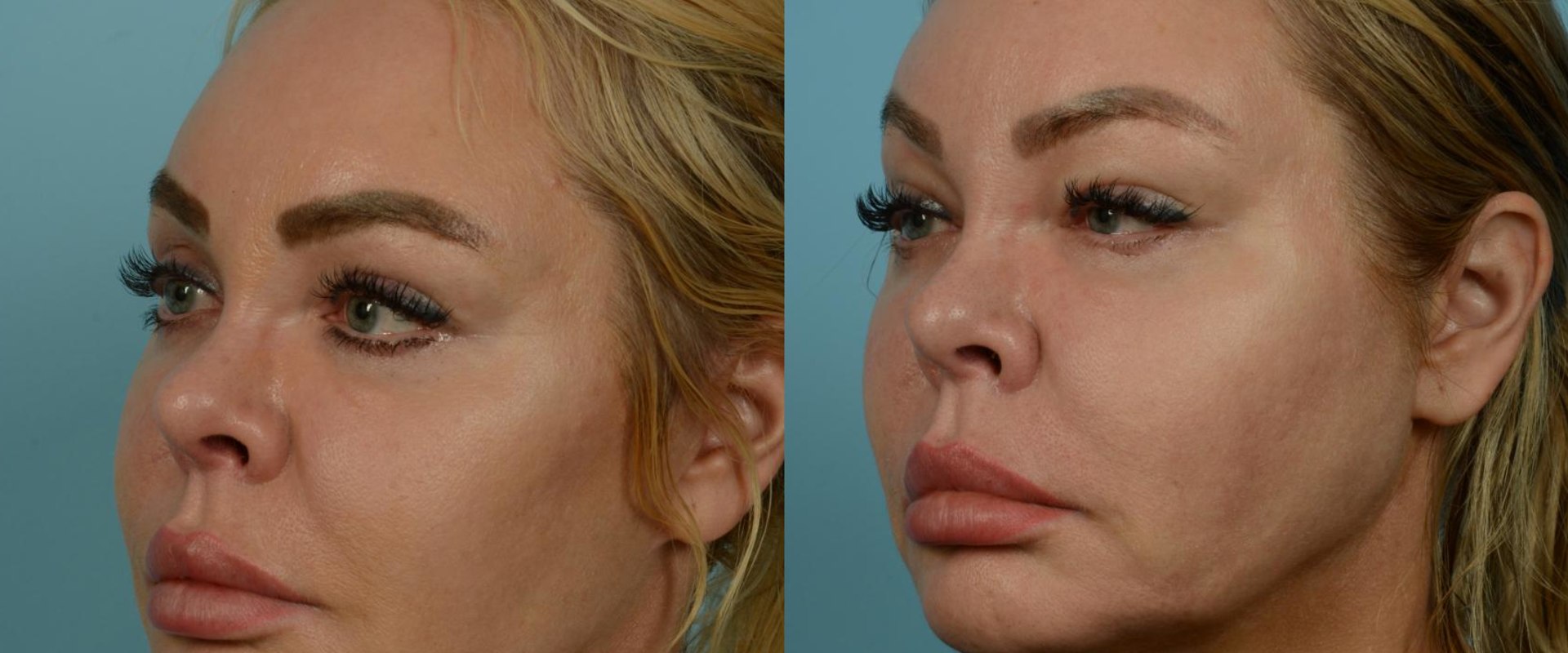
A facelift, or rhytidectomy, is a surgical procedure designed to enhance the appearance of the face by tightening sagging skin, reducing wrinkles, and restoring a more youthful contour. As we age, our skin loses elasticity and volume, leading to the development of fine lines and sagging in areas such as the cheeks, jawline, and neck. A facelift aims to address these concerns, providing patients with a refreshed and rejuvenated look. However, it is essential to understand that not all facelifts are created equal; various techniques cater to different needs and desired outcomes.There are several types of facelifts available today, each tailored to specific concerns and patient preferences.
The traditional facelift involves incisions around the ears and hairline, allowing for significant lifting and tightening of the facial structure. In contrast, a mini facelift offers a less invasive option with shorter incisions, making it suitable for younger patients or those with minimal sagging. Additionally, there are liquid facelifts , which utilise dermal fillers and injectables to achieve a lifted appearance without surgery. Each type has its advantages and potential drawbacks, making it crucial for individuals considering this procedure to consult with a qualified surgeon to determine the best approach for their unique situation.The facelift procedure itself typically begins with a thorough consultation where the surgeon assesses the patient's facial structure and discusses their aesthetic goals.
Once a plan is established, the surgery is performed under anaesthesia, ensuring the patient remains comfortable throughout the process. Recovery times can vary depending on the type of facelift performed; however, most patients can expect some swelling and bruising in the initial days following surgery. Understanding these nuances is vital for anyone contemplating a facelift, as realistic expectations play a significant role in achieving satisfactory results.
The Evolution of Facelift Techniques
The field of cosmetic surgery has witnessed remarkable transformations over the decades, particularly in the realm of facelift techniques. Historically, facelifts were often associated with a tight, unnatural appearance, leading to a stigma surrounding the procedure.However, advancements in surgical methods and technology have significantly improved outcomes, allowing for more subtle and natural-looking results.In the early days of facelift surgery, techniques primarily focused on pulling the skin taut to eliminate wrinkles and sagging. This approach often resulted in a "windblown" look, which was far from the desired effect. As understanding of facial anatomy evolved, surgeons began to recognise the importance of addressing not just the skin but also the underlying structures, such as muscles and fat.Modern facelift methods now incorporate a variety of techniques tailored to individual needs. For instance, the deep-plane facelift technique has gained popularity for its ability to reposition deeper facial tissues rather than just tightening the skin.
This method allows for a more comprehensive rejuvenation that maintains facial volume and contours, resulting in a more youthful appearance without the telltale signs of surgery.Another significant advancement is the introduction of minimally invasive procedures. Techniques such as the mini facelift or liquid facelift utilise smaller incisions and less invasive methods to achieve rejuvenation. These options are particularly appealing to younger patients or those seeking to address early signs of aging without undergoing a full surgical procedure.The integration of technology has also played a crucial role in enhancing facelift outcomes. Innovations such as laser-assisted surgery and endoscopic techniques allow for greater precision and reduced recovery times.
These methods not only minimise scarring but also improve skin texture and tone during the lifting process.Furthermore, the rise of combination therapies has transformed how facelifts are approached. Surgeons now often recommend pairing surgical facelifts with non-surgical treatments like dermal fillers or Botox to enhance results further. This holistic approach ensures that patients achieve a balanced and harmonious appearance that looks both youthful and natural.In conclusion, the evolution of facelift techniques reflects a broader shift towards achieving natural results while prioritising patient safety and satisfaction. As technology continues to advance, it is likely that future innovations will further refine these procedures, making them even more accessible and effective for those seeking to enhance their appearance.
Who is a Good Candidate for a Facelift?
Determining whether a facelift is the right choice for you involves understanding the characteristics of an ideal candidate.Several factors come into play, including age, skin type, and personal goals.
Age Considerations
While there is no strict age limit for undergoing a facelift, most candidates are typically between the ages of 40 and 70. This age range often reflects the onset of noticeable signs of aging, such as sagging skin, deep wrinkles, and loss of facial volume. However, younger individuals in their late 30s may also consider a facelift if they exhibit early signs of aging or have specific concerns about their appearance.It’s essential to note that age alone should not dictate candidacy. Factors such as skin elasticity and overall health play a significant role.For instance, someone in their late 50s with excellent skin quality may achieve better results than a person in their early 40s with significant skin laxity.
Skin Types and Conditions
The condition and type of your skin are crucial in determining your suitability for a facelift. Candidates with good skin elasticity—meaning their skin can stretch and return to its original shape—tend to achieve more natural-looking results. Those with thicker skin may also benefit from facelifts, as it can provide more support during the procedure.Conversely, individuals with very thin or damaged skin may not be ideal candidates, as they might not heal as effectively or could experience complications such as scarring. Additionally, conditions like active acne or severe sun damage should be addressed prior to considering surgery.Personal Goals and Expectations
Your motivations for seeking a facelift are equally important.Ideal candidates should have realistic expectations about the outcomes of the procedure. A facelift can significantly enhance your appearance by restoring youthful contours and reducing sagging; however, it cannot stop the aging process or create a completely different look.Before proceeding, it’s advisable to have an open discussion with your surgeon about your goals. This conversation will help ensure that both you and your surgeon are aligned on what can be achieved through the procedure.In summary, a good candidate for a facelift is typically someone who is within the appropriate age range, has suitable skin conditions, and possesses realistic expectations regarding the results. By understanding these factors, you can better assess your own suitability for this transformative procedure.
What to Expect During the Facelift Procedure
Understanding the facelift procedure is essential for anyone considering this transformative surgery.The journey begins long before the actual operation, with several pre-operative steps designed to ensure a safe and successful outcome.
Pre-Operative Preparations
- Consultation: Your journey starts with a thorough consultation with your surgeon. This is the time to discuss your goals, expectations, and any concerns you may have. The surgeon will evaluate your facial structure, skin condition, and overall health to determine the most suitable approach for your facelift.
- Medical History: Be prepared to provide a comprehensive medical history, including any medications you are taking, allergies, and previous surgeries. This information is crucial for minimising risks during the procedure.
- Pre-Operative Instructions: Your surgeon will give you specific instructions to follow in the days leading up to your surgery.
This may include avoiding certain medications, such as blood thinners, and refraining from smoking to promote better healing.
The Surgical Process
On the day of the surgery, you will arrive at the surgical centre where you will be greeted by the medical team. The procedure typically involves the following steps:
- Anesthesia: You will be administered either general anesthesia or local anesthesia with sedation, depending on the extent of your facelift and your surgeon's recommendation.
- Incisions: The surgeon will make incisions in discreet locations, often around the ears and hairline, to minimise visible scarring. The length and pattern of these incisions depend on the specific technique used.
- Tightening and Lifting: Once the incisions are made, underlying tissues are repositioned and tightened. Excess skin may be removed to create a smoother, more youthful appearance.
- Suturing: After achieving the desired results, the incisions are carefully closed with sutures or staples.
Your surgeon will ensure that they are placed in a way that promotes optimal healing and minimal scarring.
Post-Operative Care
The recovery process is just as important as the surgery itself. After your facelift, you can expect:
- Initial Recovery: You will likely experience swelling and bruising in the first few days post-surgery. This is normal and can be managed with prescribed pain relief and cold compresses.
- Follow-Up Appointments: Regular follow-up visits with your surgeon are essential to monitor your healing progress and remove sutures if necessary.
- Activity Restrictions: It’s crucial to avoid strenuous activities for several weeks to allow your body to heal properly. Your surgeon will provide guidelines on when you can resume normal activities.
The Results: Do Facelifts Look Good?
When contemplating a facelift, one of the most pressing questions is whether the results will be aesthetically pleasing.The answer to this question is multifaceted, as it largely depends on the skill of the surgeon, the techniques employed, and the individual’s unique facial structure and skin condition.
Natural vs Unnatural Facelifts
In recent years, the trend has shifted towards achieving more natural-looking results. A well-executed facelift should enhance a person's features without making them appear overly tight or artificial. Unfortunately, there are still instances where facelifts yield unnatural results, often due to outdated techniques or inexperienced practitioners. Signs of an unnatural facelift can include:
- Excessively taut skin that lacks natural movement
- Visible scarring that detracts from overall appearance
- Facial asymmetry resulting from uneven lifting
- Loss of volume in key areas, leading to a gaunt appearance
Techniques such as deep-plane facelifts and fat grafting can help maintain facial volume while providing a lift, resulting in a more youthful yet authentic appearance.
Celebrities and Facelift Outcomes
Celebrities often serve as both inspiration and cautionary tales when it comes to facelifts. Many public figures have undergone cosmetic procedures that have either enhanced their beauty or led to significant scrutiny. For instance:
- Jane Fonda: Known for her timeless beauty, Fonda has openly discussed her cosmetic procedures, which she claims have helped her maintain a youthful look without appearing unnatural.
- Nicole Kidman: In contrast, Kidman has faced criticism for what some perceive as an overly tight appearance, leading to debates about the effectiveness of her facelift.
- Gwen Stefani: Stefani's transformation has sparked discussions about the balance between enhancement and maintaining one's original features.
As with any cosmetic procedure, thorough research and realistic expectations are key to achieving satisfying results.
Common Misconceptions About Facelifts
When considering a facelift, many individuals are often deterred by prevalent myths and misconceptions that circulate in popular culture. Understanding the truth behind these beliefs is crucial for anyone contemplating this transformative procedure.Myth 1: Facelifts Always Look Artificial
One of the most common fears is that a facelift will result in an unnatural appearance, often described as "overly tight" or "plastic-like." While it is true that poorly executed facelifts can lead to such results, advancements in surgical techniques have significantly improved outcomes. Modern facelifts focus on achieving a natural look by lifting underlying tissues rather than just pulling the skin taut. This approach allows for a more youthful appearance without sacrificing authenticity.
Myth 2: Facelifts Are Only for Older Individuals
Another misconception is that facelifts are exclusively for older adults.
In reality, many people in their 30s and 40s opt for facelifts to address early signs of aging, such as sagging skin or loss of facial volume. Early intervention can lead to more subtle and lasting results, making it a viable option for younger candidates who wish to maintain their youthful appearance.
Myth 3: Recovery Is Long and Painful
Many potential patients fear the recovery process associated with a facelift. While it is true that some downtime is necessary, advancements in minimally invasive techniques have reduced recovery times significantly. Most patients can return to their normal activities within a week or two, depending on the extent of the procedure.
Pain management strategies also ensure that discomfort is minimal during the healing process.
Myth 4: Facelifts Are Permanent
While a facelift can provide long-lasting results, it is essential to understand that it does not stop the aging process. Factors such as genetics, lifestyle choices, and environmental influences will continue to affect your skin over time. However, many patients find that the rejuvenation achieved through a facelift can last for several years, making it a worthwhile investment in their appearance.
Myth 5: All Facelifts Are the Same
Not all facelifts are created equal. There are various techniques available, including traditional facelifts, mini facelifts, and non-surgical options like thread lifts.
Each method has its own set of benefits and considerations, which should be discussed with a qualified surgeon to determine the best approach for individual needs.By debunking these common myths surrounding facelifts, potential candidates can make informed decisions about their cosmetic journey. Understanding the realities of this procedure can alleviate fears and encourage individuals to explore options that may enhance their confidence and overall appearance.
Alternatives to Traditional Facelifts
For those considering facial rejuvenation but hesitant about undergoing traditional facelift surgery, there are numerous non-surgical alternatives that can effectively enhance your appearance with minimal downtime and lower risks. These options cater to various needs, from subtle enhancements to more significant transformations, allowing individuals to choose a path that aligns with their comfort levels and aesthetic goals.One of the most popular alternatives is the use of dermal fillers. These injectable treatments can restore lost volume, smooth out wrinkles, and enhance facial contours.Commonly used fillers include hyaluronic acid-based products, which provide immediate results and can last anywhere from six months to two years, depending on the specific product and treatment area. Fillers are particularly effective for addressing nasolabial folds, marionette lines, and hollow cheeks.Another option is Botox , which works by temporarily relaxing the muscles that cause dynamic wrinkles. This treatment is ideal for reducing the appearance of crow's feet, forehead lines, and frown lines. The results typically last three to six months, making it a popular choice for those seeking a quick refresh without the commitment of surgery.
Laser treatments
have also gained traction as a non-invasive alternative to facelifts.
Techniques such as fractional laser resurfacing can improve skin texture, reduce pigmentation, and stimulate collagen production. These treatments can help tighten the skin and diminish fine lines, offering a more youthful appearance without the need for incisions. Patients often experience minimal discomfort and downtime compared to traditional surgical options.For those looking for a more holistic approach, radiofrequency therapy is another innovative option. This technique uses energy waves to heat the skin's deeper layers, promoting collagen production and tightening loose skin over time.
Results are gradual but can be quite impressive, making it an appealing choice for individuals who prefer a non-invasive method.Lastly, chemical peels can rejuvenate the skin by removing dead skin cells and promoting new cell growth. They vary in strength from superficial to deep peels, allowing for tailored treatments based on individual skin concerns.In conclusion, while traditional facelifts offer significant results for those with advanced signs of aging, there are numerous minimally invasive facial treatments available that can provide effective alternatives. By exploring these options, individuals can achieve their desired aesthetic outcomes while minimising recovery time and potential complications.
Aftercare and Maintenance for Optimal Results
After undergoing a facelift, proper aftercare is crucial to achieving and maintaining optimal results. The initial weeks following the procedure are particularly important, as this is when your skin begins to heal and adjust to its new contours.Here are some essential tips for aftercare and maintenance:
Immediate Post-Operative Care
In the first few days after your facelift, it’s vital to follow your surgeon's specific instructions. This may include:- Resting: Ensure you get plenty of rest to aid the healing process. Avoid strenuous activities that could increase blood flow to the face.
- Cold Compresses: Applying cold compresses can help reduce swelling and discomfort. Be sure to follow your surgeon's guidelines on how often to apply them.
- Medication: Take prescribed medications as directed to manage pain and prevent infection.
Skincare Routine
Once your surgeon gives you the green light, you can begin to incorporate a gentle skincare routine.Consider the following:
- Gentle Cleansing: Use a mild cleanser that won’t irritate your sensitive skin. Avoid exfoliants or harsh scrubs for at least a few weeks.
- Moisturising: Keeping your skin hydrated is essential. Opt for a fragrance-free moisturiser that suits your skin type.
- Sunscreen: Protecting your skin from UV rays is crucial post-surgery. Use a broad-spectrum sunscreen with at least SPF 30 daily, even on cloudy days.
Lifestyle Changes
Your lifestyle choices can significantly impact the longevity of your facelift results.Here are some changes to consider:
- Avoid Smoking: Smoking can hinder healing and lead to complications. If you smoke, consider quitting or at least avoiding it during the recovery period.
- Healthy Diet: A balanced diet rich in vitamins and antioxidants can promote healing. Incorporate plenty of fruits, vegetables, lean proteins, and healthy fats into your meals.
- Hydration: Drink plenty of water to keep your skin hydrated from within.
Frequently Asked Questions About Facelifts
When considering a facelift, potential candidates often have numerous questions and concerns. Addressing these can help demystify the procedure and assist individuals in making informed decisions.What is a facelift?
A facelift, or rhytidectomy, is a surgical procedure designed to improve visible signs of aging in the face and neck.It involves tightening the underlying muscles and removing excess skin to create a more youthful appearance.
Who is an ideal candidate for a facelift?
Typically, individuals aged between 40 and 70 are considered ideal candidates for a facelift. However, younger patients with early signs of aging may also benefit from the procedure. Good candidates are generally in good health, have realistic expectations, and possess skin that still has some elasticity.What can I expect during the recovery process?
Recovery from a facelift varies by individual but generally involves swelling and bruising that can last for several weeks. Most patients can return to light activities within two weeks, while more strenuous activities should be avoided for at least four to six weeks.Following your surgeon's post-operative care instructions is crucial for optimal healing.
Are there risks associated with facelift surgery?
As with any surgical procedure, there are risks involved with facelifts. These may include infection, scarring, asymmetry, or complications related to anesthesia. Discussing these risks with your surgeon beforehand can help you understand what to expect and how to mitigate potential issues.How long do the results of a facelift last?
The results of a facelift can last anywhere from five to ten years, depending on various factors such as age, skin type, and lifestyle choices. While the procedure does not stop the aging process, it can significantly improve your appearance and boost your confidence.Can I combine a facelift with other procedures?
Yes, many patients choose to combine a facelift with other cosmetic procedures such as eyelid surgery or brow lifts for more comprehensive facial rejuvenation.Discussing your goals with your surgeon will help determine the best approach for achieving your desired results.Ultimately, understanding these common questions about facelifts can help alleviate concerns and provide clarity for those considering this transformative procedure.
Conclusion: Making an Informed Decision About Facelifts
In conclusion, the decision to undergo a facelift is a significant one that requires careful consideration and thorough research. As we have explored throughout this article, facelifts can offer remarkable improvements in appearance, helping to restore a youthful look and boost self-confidence. However, it is essential to approach this decision with a clear understanding of what the procedure entails, the potential risks involved, and the realistic outcomes you can expect.Before committing to a facelift, consider the following key points:- Consultation with a Qualified Surgeon: It is crucial to seek out a board-certified plastic surgeon who has extensive experience in performing facelifts. During your consultation, discuss your goals and expectations openly.
A skilled surgeon will provide you with honest feedback and help you determine if a facelift is the right option for you.
- Understanding Different Techniques: Facelifts are not one-size-fits-all procedures. There are various techniques available, including traditional facelifts, mini facelifts, and non-surgical options. Each method has its own benefits and limitations, so it’s important to understand which approach aligns best with your needs.
- Realistic Expectations: While many patients achieve satisfying results from their facelifts, it’s vital to maintain realistic expectations. The goal of a facelift is to enhance your natural beauty rather than create an entirely new appearance.
Understanding this can help mitigate disappointment post-surgery.
- Post-Operative Care: Recovery from a facelift can vary depending on the individual and the extent of the procedure. Be prepared for some downtime and follow your surgeon's post-operative care instructions diligently to ensure optimal healing and results.
- Long-Term Commitment: A facelift can significantly improve your appearance, but it is not a permanent solution. Aging will continue after the procedure, so consider how you will maintain your results over time through skincare and possibly additional treatments.
By doing so, you can approach your facelift journey with confidence and clarity, ensuring that you achieve results that truly enhance your life.