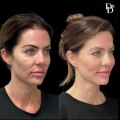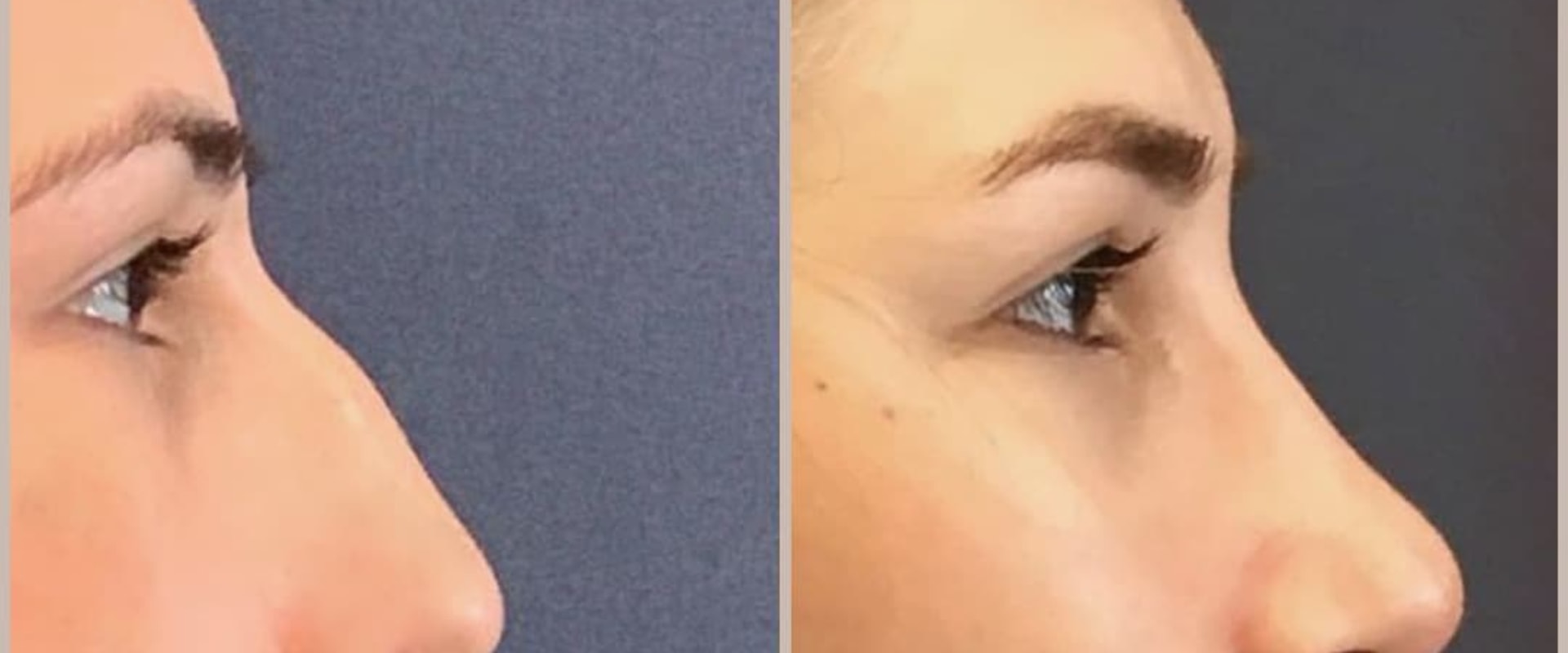
In recent years, Turkey has emerged as a prominent destination for cosmetic surgery, particularly for procedures like the face lift. With its blend of advanced medical facilities, skilled surgeons, and competitive pricing, the country attracts thousands of international patients seeking aesthetic enhancements. The allure of achieving a youthful appearance through a face lift has led many to consider Turkey as a viable option, but it is essential to understand the safety aspects associated with such procedures.The popularity of cosmetic surgery in Turkey can be attributed to several factors. Firstly, the cost of procedures is often significantly lower than in Western countries, making it an attractive choice for those looking to enhance their appearance without breaking the bank.
Additionally, many Turkish clinics boast state-of-the-art technology and are staffed by highly qualified professionals who have trained in some of the world's leading medical institutions. This combination of affordability and quality care has positioned Turkey as a leader in the global cosmetic surgery market.However, while the benefits are clear, potential patients must also consider the safety implications of undergoing surgery abroad. The safety of cosmetic procedures in Turkey has been a topic of discussion among medical professionals and patients alike. It is crucial to conduct thorough research on clinics and surgeons before making a decision.
Understanding the qualifications of practitioners and the accreditation status of medical facilities can significantly impact the overall experience and outcome of a face lift.As we delve deeper into this topic, we will explore not only the safety measures that should be taken when considering a face lift in Turkey but also the experiences of those who have undergone such procedures. By providing a comprehensive overview, we aim to equip potential patients with the knowledge they need to make informed decisions about their cosmetic surgery journey.
Understanding Face Lifts: What You Need to Know
A face lift , medically known as rhytidectomy, is a cosmetic surgical procedure aimed at creating a more youthful appearance by tightening the skin and underlying tissues of the face. As we age, our skin loses elasticity, leading to sagging and the formation of wrinkles. A face lift addresses these issues by removing excess skin and repositioning the underlying tissues, resulting in a smoother and firmer facial contour.Before considering a face lift, it is essential to understand the various types of procedures available.Each type caters to different aesthetic goals and patient needs:
- Traditional Face Lift: This is the most comprehensive option, involving incisions around the ears and hairline. It allows for significant lifting of the skin and underlying tissues, making it suitable for individuals with moderate to severe sagging.
- Mini Face Lift: A less invasive alternative, this procedure targets specific areas of the face, such as the cheeks and jawline. The incisions are smaller, resulting in shorter recovery times while still providing noticeable improvements.
- Mid-Face Lift: Focused on the central portion of the face, this technique lifts the cheeks and smooths nasolabial folds. It is ideal for younger patients or those with minimal sagging.
- Non-Surgical Face Lift: Utilizing injectables like dermal fillers or Botox, this option offers a temporary solution to facial aging without invasive surgery.
While results are not as dramatic as surgical options, they can enhance facial volume and reduce wrinkles.
Patients are advised to follow post-operative care instructions closely to ensure optimal healing and results.In summary, understanding what a face lift entails is crucial for anyone considering this transformative procedure. With various options available, potential patients should consult with qualified surgeons to determine which type best suits their needs and expectations.
The Rise of Cosmetic Surgery Tourism in Turkey
In recent years, Turkey has emerged as a leading destination for cosmetic surgery tourism, attracting thousands of international patients seeking aesthetic enhancements. This trend can be attributed to several compelling factors that make Turkey an appealing choice for those considering procedures such as a face lift.One of the primary reasons for the surge in cosmetic surgery tourism in Turkey is the affordability of procedures. Compared to Western countries, the cost of cosmetic surgeries in Turkey can be significantly lower, often by as much as 50-70%.This price difference does not come at the expense of quality; many Turkish clinics offer state-of-the-art facilities and highly qualified surgeons. The combination of competitive pricing and high standards of care makes Turkey an attractive option for patients looking to enhance their appearance without breaking the bank.Moreover, Turkey boasts a robust healthcare system with numerous hospitals accredited by international bodies such as the Joint Commission International (JCI). These accreditations ensure that medical facilities adhere to strict safety and quality standards, providing patients with peace of mind. Many surgeons in Turkey are trained in Europe or the United States and have extensive experience in performing cosmetic procedures, including face lifts.
This level of expertise contributes to the overall safety and success rates of surgeries performed in the country.Another significant factor driving cosmetic surgery tourism is the opportunity to combine medical procedures with travel. Patients can enjoy a holiday in a beautiful country while recovering from their surgeries. Turkey is renowned for its rich history, stunning landscapes, and vibrant culture, making it an ideal destination for those looking to relax and recuperate post-surgery. Many clinics offer comprehensive packages that include accommodation, airport transfers, and even guided tours, enhancing the overall experience for patients.Additionally, the rise of social media has played a crucial role in promoting cosmetic surgery tourism in Turkey.
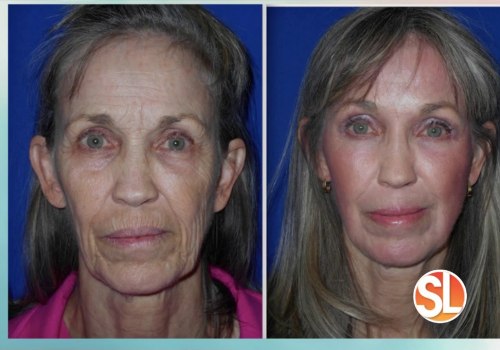
With countless success stories shared online, potential patients are increasingly inspired by before-and-after photos and testimonials from satisfied clients. This visibility has helped build trust in Turkish clinics and surgeons, further solidifying Turkey's reputation as a go-to destination for cosmetic enhancements.In conclusion, the growing trend of cosmetic surgery tourism in Turkey can be attributed to its affordability, high-quality care, and the unique opportunity to explore a fascinating country while undergoing aesthetic procedures. As more individuals seek out options for enhancing their appearance, Turkey continues to position itself as a leader in this burgeoning industry.
Safety Standards and Regulations in Turkish Hospitals
When considering cosmetic surgery in Turkey, understanding the safety standards and regulations that govern healthcare facilities is crucial. Turkey has made significant strides in enhancing its healthcare system, particularly in the realm of cosmetic surgery, which has become a popular choice for both local and international patients.One of the primary indicators of a hospital's commitment to safety is its accreditation.In Turkey, several hospitals have received accreditation from reputable international bodies, such as the Joint Commission International (JCI). This accreditation signifies that the facility meets rigorous international standards for patient care and safety. Patients should look for hospitals that are JCI-accredited or accredited by other recognized organizations, as this can provide an added layer of assurance regarding the quality of care they will receive.In addition to accreditation, it is essential to consider the specific regulations that govern cosmetic surgery practices in Turkey. The Turkish Ministry of Health oversees healthcare regulations, ensuring that medical professionals adhere to strict guidelines.
This includes requirements for surgical facilities, sterilization protocols, and patient care practices. Hospitals must comply with these regulations to maintain their licenses and operate legally.Moreover, patients should inquire about the qualifications and experience of the surgeons performing their procedures. While many surgeons in Turkey are highly trained and experienced, it is advisable to verify their credentials and track record in performing specific surgeries, such as facelifts. This can often be done through online reviews or by requesting testimonials from previous patients.Another important aspect to consider is the availability of post-operative care.
A reputable hospital will have a comprehensive aftercare program in place to monitor patients' recovery and address any complications that may arise. This includes follow-up appointments and access to medical support if needed.In summary, while Turkey offers attractive options for cosmetic surgery, potential patients must conduct thorough research into the safety standards , hospital accreditations, and regulatory frameworks governing these procedures. By choosing accredited facilities with qualified professionals and robust aftercare programs, patients can significantly enhance their safety and overall experience during their cosmetic surgery journey.
Choosing a Qualified Surgeon: Key Considerations
When considering a face lift in Turkey, selecting a qualified surgeon is paramount to ensuring a safe and successful procedure. The landscape of cosmetic surgery can be overwhelming, especially in a country that has become a hub for medical tourism.Here are some essential factors to consider when choosing your surgeon.
Verify Qualifications and Credentials
First and foremost, it is crucial to verify the qualifications of your potential surgeon. In Turkey, the title of cosmetic surgeon is not legally protected, which means that anyone can claim to be a specialist. Therefore, you should look for surgeons who are board-certified in plastic surgery. This certification indicates that the surgeon has undergone rigorous training and adheres to high standards of practice.- Check for Memberships: Look for memberships in reputable organisations such as the Turkish Society of Plastic Reconstructive and Aesthetic Surgeons or international bodies like the International Society of Aesthetic Plastic Surgery.
- Hospital Affiliations: Ensure that your surgeon is affiliated with accredited hospitals.
Accreditation from organisations like the Joint Commission International (JCI) is a good indicator of quality care.
Assess Experience and Specialisation
The experience of your surgeon plays a significant role in the outcome of your face lift. It is advisable to choose a surgeon who has extensive experience specifically in performing face lifts rather than general cosmetic procedures. Ask potential surgeons how many face lifts they have performed and inquire about their complication rates.- Before-and-After Photos: Request to see before-and-after photos of previous patients. This will give you an idea of their aesthetic style and the results you can expect.
- Patient Testimonials: Look for reviews or testimonials from past patients.
Positive feedback can provide reassurance about the surgeon's skills and patient care.
Consultation Process
A thorough consultation is an essential step in choosing your surgeon. During this meeting, you should feel comfortable asking questions about the procedure, recovery time, and any potential risks involved. A qualified surgeon will take the time to address your concerns and provide clear information about what to expect.In summary, selecting a qualified surgeon for your face lift in Turkey requires careful consideration of their qualifications, experience, and patient feedback. By doing your due diligence, you can significantly enhance your chances of achieving a successful outcome while prioritising your safety.Potential Risks and Complications Associated with Face Lifts
Undergoing a face lift can be an exciting prospect for many individuals seeking to rejuvenate their appearance.However, it is crucial to understand that, like any surgical procedure, face lifts come with their own set of potential risks and complications. Being informed about these risks can empower patients to make educated decisions regarding their cosmetic surgery journey.One of the most common risks associated with face lifts is infection. Although surgeons take extensive precautions to maintain a sterile environment, there is always a possibility of bacteria entering the surgical site. Infections can lead to prolonged recovery times and may require additional treatments or antibiotics.Another significant concern is scarring.
While skilled surgeons aim to minimize visible scars, some patients may experience more noticeable scarring than anticipated. Factors such as skin type, healing ability, and adherence to post-operative care instructions can influence the extent of scarring.
Hematoma
, or the accumulation of blood outside of blood vessels, is another potential complication. This condition can occur if blood vessels are damaged during surgery, leading to swelling and bruising. In some cases, a hematoma may require surgical intervention to drain the excess blood.
Nerve damage
is a rare but serious risk associated with face lifts.
If nerves are inadvertently injured during the procedure, patients may experience temporary or permanent changes in sensation or muscle function in the face. This can affect facial expressions and overall appearance.Additionally, patients should be aware of the possibility of asymmetry. While surgeons strive for balance and symmetry in facial features, individual anatomical differences can lead to uneven results. This may necessitate further corrective procedures.
Patient safety concerns
extend beyond the surgical procedure itself.
It is essential for individuals considering a face lift in Turkey or elsewhere to thoroughly research their chosen clinic and surgeon. Verify that the facility is accredited and that the surgeon has appropriate qualifications and experience in performing face lifts.In conclusion, while face lifts can offer significant aesthetic benefits, potential risks and complications must be carefully considered. By understanding these factors and choosing a qualified surgeon, patients can enhance their chances of achieving satisfactory results while minimising adverse outcomes.
Patient Experiences: Success Stories and Cautionary Tales
When considering a face lift in Turkey, patient experiences can provide invaluable insights into the realities of cosmetic surgery. Many individuals have shared their journeys, highlighting both remarkable transformations and cautionary tales that serve as important lessons for prospective patients.Success Stories
Numerous patients have reported life-changing results following their face lift procedures in Turkey.For instance, Sarah, a 45-year-old from the UK, described her experience as "transformative." After researching various clinics, she chose a well-accredited hospital in Istanbul. Sarah noted that the staff were professional and attentive, ensuring she felt comfortable throughout the process. Post-surgery, she was thrilled with her new appearance, stating, "I look ten years younger!" Her confidence soared, and she felt rejuvenated both physically and emotionally.Another success story comes from Mark, who underwent a face lift to address sagging skin after significant weight loss. He shared that the procedure not only improved his facial contours but also motivated him to maintain a healthier lifestyle.
Mark emphasized the importance of following post-operative care instructions, which he believes contributed to his successful recovery.
Cautionary Tales
While many patients have positive experiences, there are also cautionary tales that highlight potential risks associated with cosmetic surgery. For example, Emma's story serves as a reminder of the importance of thorough research. She opted for a face lift at a clinic that seemed promising but later discovered that the surgeon lacked adequate credentials. Emma faced complications during recovery, which led to additional medical interventions.She advises future patients to verify surgeons' qualifications and seek out reviews from previous clients.Additionally, John experienced unexpected complications after his procedure. Although he initially felt satisfied with the results, he later developed an infection that required further treatment. John stresses the significance of choosing accredited facilities and being aware of potential risks involved in any surgical procedure.In conclusion, while Turkey offers many success stories in the realm of cosmetic surgery, it is crucial for prospective patients to approach their decisions with caution. By learning from both positive experiences and cautionary tales, individuals can make informed choices about their face lift journey.
Post-Operative Care: Ensuring a Safe Recovery
Undergoing a face lift is a significant decision that can lead to transformative results, but the journey does not end once the surgery is complete.Post-operative care is crucial for ensuring a safe and effective recovery. Proper aftercare can significantly influence the healing process, reduce the risk of complications, and enhance the overall outcome of the procedure.Immediately following your face lift, it is common to experience swelling, bruising, and discomfort. These symptoms are part of the body’s natural healing process. To manage these effects effectively, consider the following tips:
- Follow Your Surgeon’s Instructions: Adhering to the specific guidelines provided by your surgeon is paramount.
This includes taking prescribed medications, attending follow-up appointments, and following any dietary restrictions.
- Rest and Recovery: Allow your body ample time to heal. Rest is essential in the first few days post-surgery. Avoid strenuous activities and ensure you have a comfortable space to recuperate.
- Cold Compresses: Applying cold compresses to the face can help reduce swelling and alleviate discomfort. Be sure to wrap ice packs in a cloth to protect your skin.
- Keep Your Head Elevated: Sleeping with your head elevated can help minimize swelling.
Use extra pillows or a wedge pillow for support during sleep.
- Avoid Smoking and Alcohol: Both smoking and alcohol can impede healing. It’s advisable to refrain from these substances during your recovery period.
- Initial Recovery Phase: The first week post-surgery is often the most challenging, with swelling peaking around day three. Most patients can return to light activities within one to two weeks.
- Long-Term Healing: Full recovery may take several months as residual swelling subsides and final results become apparent.
Patience is key during this time.
Frequently Asked Questions About Face Lifts in Turkey
When considering a face lift in Turkey, potential patients often have numerous questions regarding the procedure, safety, and overall experience. Here are some of the most frequently asked questions that can help clarify any uncertainties.1.Is cosmetic surgery safe in Turkey?
Turkey has become a popular destination for cosmetic surgery, including face lifts, due to its advanced medical facilities and skilled surgeons. Many hospitals are accredited by international bodies, ensuring they meet high standards of care.However, as with any medical procedure, it is crucial to do thorough research on the clinic and surgeon you choose.
2.How do I choose a qualified surgeon?
It is essential to verify the qualifications and experience of your surgeon. Look for board-certified plastic surgeons with extensive experience in performing face lifts. Reading patient reviews and testimonials can also provide insight into their expertise and the quality of care provided.3.What should I expect during the recovery process?
The recovery period after a face lift can vary from person to person. Generally, patients can expect some swelling and bruising, which typically subsides within a few weeks.Most individuals can return to their normal activities within two to three weeks, but it is advisable to follow your surgeon's post-operative care instructions closely for optimal healing.
4.Are there any risks associated with face lifts?
As with any surgical procedure, there are risks involved with face lifts, including infection, scarring, and complications related to anesthesia. Discuss these risks with your surgeon during your consultation to ensure you are fully informed before proceeding.5.How much does a face lift cost in Turkey?
The cost of a face lift in Turkey can be significantly lower than in many Western countries, often ranging from £2,500 to £5,000 depending on the complexity of the procedure and the clinic's reputation. It is important to consider not just the price but also the quality of care and expertise when making your decision.6.Can I combine a face lift with other procedures?
Many patients opt to combine a face lift with other cosmetic procedures such as eyelid surgery or neck lifts for more comprehensive facial rejuvenation. Discuss your goals with your surgeon to determine the best approach for achieving your desired results.By addressing these common questions, potential patients can feel more confident in their decision-making process regarding undergoing a face lift in Turkey.Conclusion: Weighing the Pros and Cons of Cosmetic Surgery in Turkey
In conclusion, the decision to undergo cosmetic surgery in Turkey, particularly procedures like a face lift, requires careful consideration of various factors.While Turkey has established itself as a prominent destination for cosmetic procedures due to its affordability and the expertise of many surgeons, potential patients must weigh the pros and cons before making a commitment.
Pros:
- Cost-Effectiveness: One of the most significant advantages of choosing Turkey for cosmetic surgery is the cost. Patients can often save up to 50% compared to prices in Western countries, making it an attractive option for those seeking aesthetic enhancements.
- Experienced Surgeons: Many Turkish surgeons are highly qualified and have extensive experience in performing cosmetic procedures. Numerous clinics are accredited by international bodies, ensuring that they adhere to high standards of care.
- Comprehensive Care: Many clinics offer all-inclusive packages that cover not just the surgery but also accommodation, transportation, and post-operative care, simplifying the process for international patients.
Cons:
- Variable Standards: The lack of regulation regarding the title of 'cosmetic surgeon' means that qualifications can vary significantly. It is crucial for patients to conduct thorough research on their chosen surgeon's credentials and experience.
- Potential Complications: As with any surgical procedure, there are risks involved.
Reports of complications from surgeries performed in Turkey have raised concerns, underscoring the importance of selecting a reputable clinic and surgeon.
- Cultural and Language Barriers: Navigating healthcare in a foreign country can be challenging. Language barriers may complicate communication with medical staff, potentially leading to misunderstandings about procedures and aftercare.