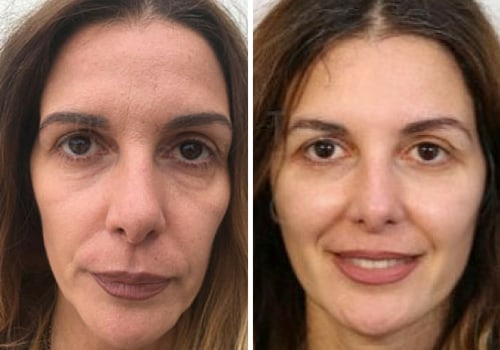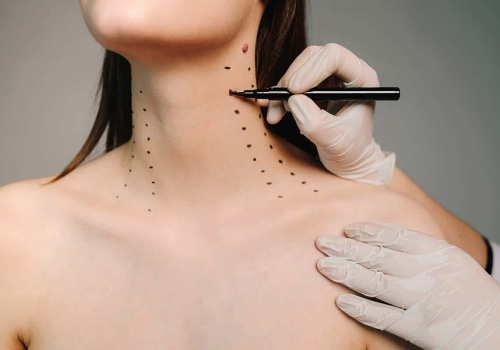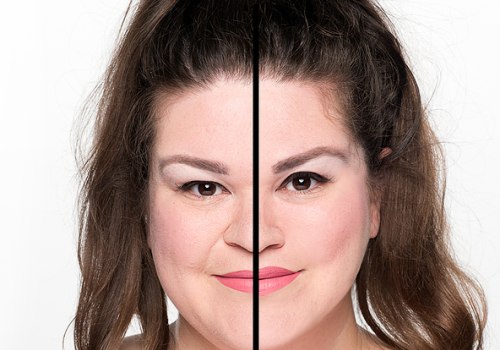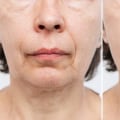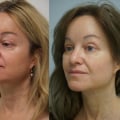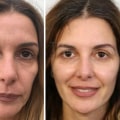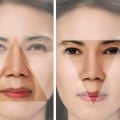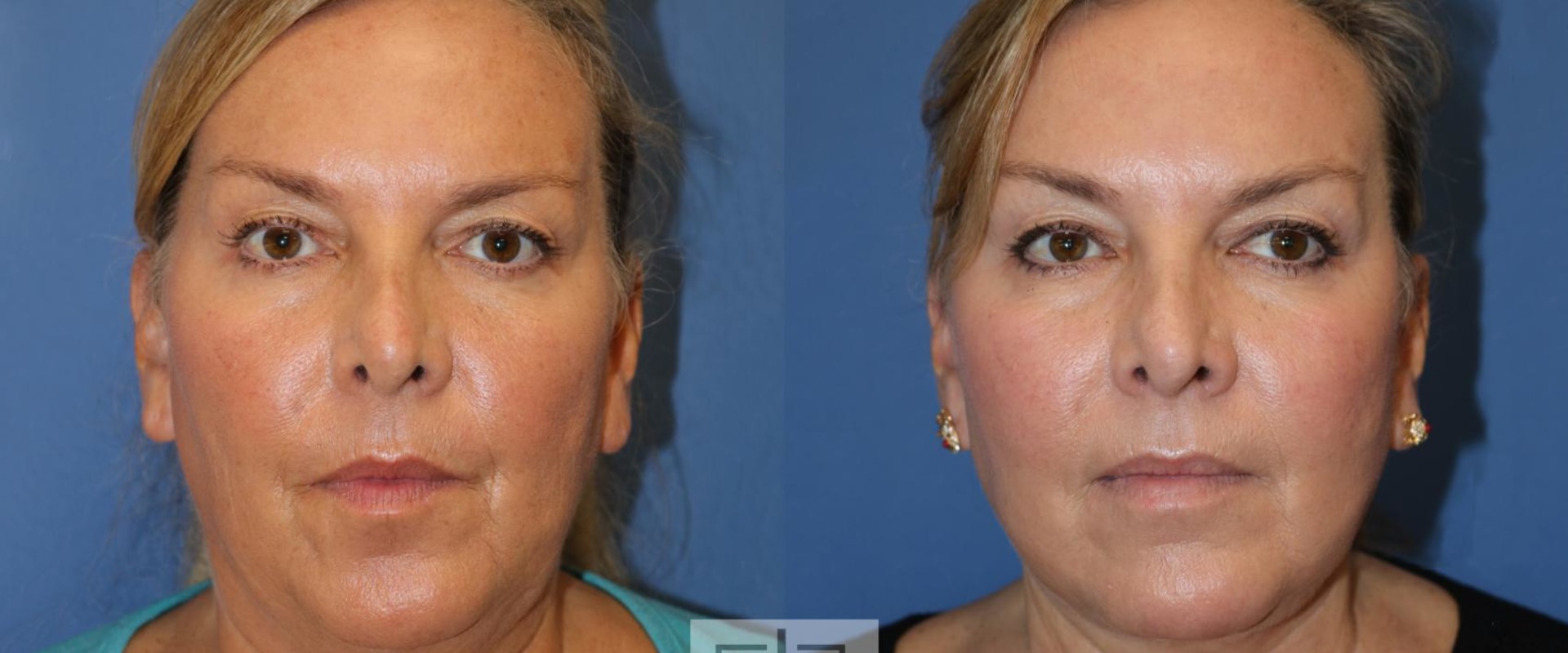
A facelift, medically known as rhytidectomy, is a cosmetic surgical procedure designed to create a more youthful appearance by tightening the skin and underlying tissues of the face. As we age, our skin loses elasticity, leading to sagging and the formation of wrinkles. A facelift addresses these concerns by removing excess skin and repositioning the underlying structures, resulting in a smoother, firmer facial contour. This transformative procedure not only enhances physical appearance but can also significantly boost self-esteem and confidence.There are several types of facelifts available, each tailored to meet the unique needs and goals of patients.
The most common types include:
- Traditional Facelift: This comprehensive approach involves incisions around the ears and hairline, allowing for extensive lifting and tightening of the facial skin and muscles.
- Mini Facelift:Mini Facelift: Ideal for those with mild to moderate sagging, this less invasive option requires smaller incisions and offers a quicker recovery time.
- Mid-Facelift: Focused on the central portion of the face, this technique lifts the cheeks and smooths nasolabial folds, providing a refreshed look without altering the lower face.
- Thread Lift: A non-surgical option that uses temporary sutures to lift the skin, offering subtle results with minimal downtime.
The Science Behind Facelift Results
Understanding the science behind facelift results involves exploring the intricate biological and physiological processes that occur during and after the procedure. A facelift, or rhytidectomy, primarily targets the underlying structures of the face, including the skin, fat, and muscles.By repositioning these elements, a surgeon can effectively reduce signs of aging such as sagging skin and deep creases.One of the key factors influencing how long facelift results last is the elasticity of your skin. As we age, our skin loses collagen and elastin, proteins that provide structure and elasticity. This natural decline means that younger patients often experience longer-lasting results because their skin retains more elasticity, allowing it to adapt better to the surgical changes.Another significant aspect is the healing process. After a facelift, your body initiates a healing response that includes inflammation and tissue regeneration.
This process can take several weeks to months, during which time the final results of the surgery become apparent. Factors such as age, overall health, and adherence to post-operative care can significantly affect this healing process.
Genetics
also play a crucial role in determining how long facelift results will endure. Some individuals may have a genetic predisposition to faster aging or skin laxity, which can influence how quickly their skin begins to sag again after surgery. Therefore, understanding your family history can provide insights into what you might expect in terms of longevity of your facelift results.Additionally, lifestyle choices are paramount in maintaining the effects of a facelift.
Regular sun protection is essential; UV exposure can accelerate skin aging and negate the benefits of your surgery. A consistent skincare routine that includes moisturisers and antioxidants can also help preserve your youthful appearance.In summary, while a facelift can provide significant rejuvenation, its longevity is influenced by various factors including skin elasticity, healing processes, genetics, and lifestyle choices. By understanding these elements, patients can take proactive steps to maximise their results and enjoy a more youthful appearance for years to come.
Factors Influencing Longevity of Facelift Results
When considering the longevity of facelift results, several key factors come into play. Understanding these elements can help you make informed decisions and set realistic expectations for your post-surgery appearance.Lifestyle Factors
Your daily habits significantly influence how long your facelift results will last.A healthy lifestyle can enhance your skin's elasticity and overall appearance. Here are some essential lifestyle choices to consider:
- Nutrition: A balanced diet rich in vitamins, minerals, and antioxidants can promote skin health. Foods high in omega-3 fatty acids, such as fish and nuts, can help maintain skin elasticity.
- Hydration: Drinking plenty of water keeps your skin hydrated and plump, which can prolong the effects of a facelift.
- Avoiding Smoking: Smoking accelerates the aging process and can lead to premature skin sagging. Quitting smoking before and after surgery can significantly improve your results.
- Limiting Alcohol Consumption: Excessive alcohol intake can dehydrate the skin and diminish its elasticity, negatively impacting the longevity of your facelift.
Genetics
Your genetic makeup plays a crucial role in how your skin ages.Some individuals may naturally have more resilient skin that retains its firmness longer than others. If your family history shows a tendency for youthful-looking skin into older age, you may enjoy longer-lasting facelift results. Conversely, if sagging skin runs in your family, you might experience a quicker return to pre-surgery conditions.
Age
The age at which you undergo a facelift also affects the durability of the results. Generally, younger patients tend to see longer-lasting outcomes due to their skin's inherent elasticity.As we age, our skin loses collagen and elastin, making it more challenging to maintain a youthful appearance post-surgery. Therefore, while facelifts can be performed at various ages, those in their 40s or early 50s often experience more enduring results compared to older patients.
Skincare Routine
A consistent and effective skincare routine is vital for maintaining the results of your facelift. Post-operative care should include:- Daily Cleansing: Use a gentle cleanser to remove impurities without stripping natural oils.
- Moisturising: Keeping your skin moisturised helps maintain its elasticity and prevents dryness.
- Sunscreen Application: Protecting your skin from UV damage is crucial. Daily application of broad-spectrum sunscreen can prevent premature aging and prolong the effects of your facelift.
- Regular Exfoliation: Gentle exfoliation can help remove dead skin cells and promote cell turnover, enhancing overall skin texture.
Maintaining Your Facelift Results: Essential Tips
After undergoing a facelift, the journey to maintaining your youthful appearance continues well beyond the operating table.The results of your procedure can be significantly enhanced and prolonged through diligent post-facelift care, effective skincare routines, and a commitment to a healthy lifestyle. Here are some essential tips to help you maximise the longevity of your facelift results.
Post-Facelift Care
Immediately following your facelift, it is crucial to adhere to your surgeon's post-operative instructions. This may include:- Rest and Recovery: Allow your body ample time to heal. Avoid strenuous activities for at least a few weeks post-surgery.
- Follow-Up Appointments: Attend all scheduled follow-up visits with your surgeon to monitor healing and address any concerns.
- Manage Swelling and Bruising: Use cold compresses as recommended to reduce swelling and bruising in the initial days after surgery.
- Avoid Smoking and Alcohol: Both can impede healing and negatively affect your skin's appearance.
Skincare Tips
A robust skincare regimen is vital for maintaining the results of your facelift.Consider incorporating the following practices:
- Sun Protection: Protect your skin from harmful UV rays by applying a broad-spectrum sunscreen with at least SPF 30 daily, even on cloudy days.
- Hydration: Keep your skin hydrated by using moisturisers that suit your skin type. Look for products containing hyaluronic acid or glycerin for optimal moisture retention.
- Gentle Cleansing: Use a mild cleanser to avoid stripping your skin of its natural oils. Avoid harsh scrubs or exfoliants that can irritate sensitive post-surgical skin.
- Anti-Aging Ingredients: Incorporate serums or creams with retinoids, peptides, or antioxidants into your routine to promote collagen production and combat signs of aging.
Healthy Lifestyle Choices
Your overall health plays a significant role in how well your facelift results hold up over time. Embrace these lifestyle choices:- Nourishing Diet: Consume a balanced diet rich in fruits, vegetables, lean proteins, and healthy fats.
Foods high in antioxidants can help protect your skin from damage.
- Regular Exercise: Engage in regular physical activity to improve circulation and promote overall skin health. Aim for at least 150 minutes of moderate exercise each week.
- Sufficient Sleep: Prioritise quality sleep as it is essential for skin repair and regeneration. Aim for 7-9 hours of restful sleep each night.
- Stay Hydrated: Drink plenty of water throughout the day to keep your skin hydrated from within.
The Role of Professional Guidance in Facelift Longevity
When considering a facelift, the significance of selecting a qualified plastic surgeon cannot be overstated. The expertise and experience of your surgeon play a crucial role in determining not only the immediate results of your procedure but also the longevity of those results.A skilled surgeon will have a deep understanding of facial anatomy, advanced surgical techniques, and the latest innovations in cosmetic surgery, all of which contribute to achieving natural-looking outcomes that stand the test of time.During your initial consultation, it is essential to engage in an open dialogue with your surgeon. This is your opportunity to discuss your aesthetic goals, ask questions about the procedure, and understand what to expect during recovery. A reputable surgeon will take the time to assess your individual needs and provide tailored recommendations based on your unique facial structure and skin condition. They should also be transparent about potential risks and complications, ensuring you have realistic expectations about the results.Moreover, follow-up care is a critical component of maintaining the results of your facelift.
After the surgery, regular check-ups with your surgeon allow for monitoring your healing process and addressing any concerns that may arise. These appointments are vital for ensuring that you are recovering well and that any necessary adjustments can be made promptly.In addition to surgical expertise, a good plastic surgeon will also guide you on post-operative care practices that can enhance the longevity of your facelift results. This may include advice on skincare routines, lifestyle modifications, and sun protection strategies that are essential for preserving skin elasticity and overall appearance.Ultimately, investing time in choosing the right plastic surgeon and actively participating in consultations and follow-up care can significantly impact the durability of your facelift results. By prioritising professional guidance throughout this journey, you can achieve not only a rejuvenated appearance but also long-lasting confidence in your enhanced look.
Combining Treatments for Enhanced Results
To achieve the most satisfying and enduring results from a facelift, many patients are now considering the benefits of combining their surgical procedure with various complementary treatments.This approach not only enhances the overall aesthetic outcome but also helps to prolong the youthful appearance achieved through surgery.One of the most popular methods to enhance facelift results is through laser treatmentslaser treatments. These non-invasive procedures can significantly improve skin texture and tone, addressing issues such as pigmentation, fine lines, and uneven skin surface. By incorporating laser therapy post-facelift, patients can enjoy a smoother complexion that complements the lifted contours of their face. Common laser treatments include:
- Fractional CO2 Laser: This treatment promotes collagen production and skin renewal, effectively reducing scars and wrinkles.
- Erbium Laser: Ideal for resurfacing the skin, this laser helps in tightening and rejuvenating the skin's surface.
- Intense Pulsed Light (IPL): This non-laser light treatment targets pigmentation and redness, enhancing overall skin clarity.
These treatments can address specific areas that may not be fully resolved by surgery alone. For instance:
- Dermal Fillers: These can restore volume to areas like the cheeks or under-eye region, providing a more youthful appearance that aligns with the lifted facial structure.
- Botox: By relaxing specific facial muscles, Botox can smooth out dynamic wrinkles that may develop over time, further enhancing the overall look.
By taking this holistic approach to facial aesthetics, individuals can enjoy not only immediate improvements but also long-lasting benefits that keep them looking youthful for years to come.
Realistic Expectations: What to Anticipate After a Facelift
When considering a facelift, it is crucial to have realistic expectations about the outcomes and the recovery process. Understanding what to anticipate can significantly enhance your experience and satisfaction with the procedure.Recovery Timeline
The recovery period following a facelift varies from person to person, but there are general stages that most patients can expect:
- Immediate Post-Operative Phase: In the first few days after surgery, you may experience swelling, bruising, and discomfort. These symptoms are normal and typically peak around 48 hours post-surgery.
- First Week: Most patients can return to light activities within a week. However, strenuous exercise and heavy lifting should be avoided for at least two weeks.
Follow-up appointments with your surgeon will help monitor your healing progress.
- Two to Four Weeks: By this stage, many patients feel comfortable resuming their normal routines, although some residual swelling may still be present. It’s essential to continue following your surgeon's post-operative care instructions during this time.
- Long-Term Recovery: Full recovery can take several months, with final results becoming apparent as swelling subsides and scars mature. Patience is key, as the healing process is gradual.
Emotional Impact of a Facelift
The emotional effects of undergoing a facelift can be profound. Many patients report feeling an increase in self-esteem and confidence as they see their rejuvenated appearance.
However, it is also common to experience a range of emotions during the recovery process:
- Anticipation: The excitement of seeing your new look can be exhilarating.
- Anxiety: Concerns about how you will look post-surgery or how others will perceive your changes are normal.
- Adjustment: As you heal, it may take time to adjust to your new appearance. This adjustment period is essential for integrating the changes into your self-image.
Frequently Asked Questions About Facelifts
When considering a facelift, many individuals have questions and concerns that can influence their decision-making process.Addressing these frequently asked questions can help clarify misconceptions and provide a better understanding of what to expect.
What is a facelift?
A facelift, or rhytidectomy, is a surgical procedure designed to improve visible signs of aging in the face and neck. This includes tightening sagging skin, removing excess fat, and smoothing out wrinkles. The goal is to create a more youthful appearance while maintaining natural facial contours.How long does recovery take?
Recovery time varies from person to person, but most patients can expect to take about two weeks off work. During this period, swelling and bruising will gradually subside.It’s essential to follow your surgeon's post-operative care instructions to ensure optimal healing.
Are the results permanent?
While a facelift can significantly rejuvenate your appearance, it does not stop the aging process. Typically, results can last between 7 to 10 years, depending on factors such as genetics, lifestyle choices, and skincare routines. Regular maintenance through skincare and healthy habits can help prolong the effects.What are common myths about facelifts?
- Myth: Facelifts make you look unnatural.
- Fact: When performed by a skilled surgeon, facelifts can yield subtle and natural-looking results.
- Myth: Only older people get facelifts.
- Fact: Many younger individuals opt for facelifts to address early signs of aging or genetic predispositions.
- Myth: Facelifts are only for women.
- Fact: An increasing number of men are choosing facelifts to enhance their appearance and boost confidence.
What should I look for in a surgeon?
Selecting a qualified and experienced plastic surgeon is crucial for achieving satisfactory results. Look for board certification, positive patient reviews, and before-and-after photos of previous surgeries.A thorough consultation will also help you gauge their expertise and approach.If you have more questions or concerns about facelifts, don’t hesitate to discuss them with your surgeon during your consultation. Understanding the procedure fully will empower you to make informed decisions about your aesthetic journey.
Conclusion: Embracing Your New Look with Confidence
As you reflect on the journey of considering a facelift, it’s essential to embrace the transformation with a sense of confidence and positivity. The decision to undergo this procedure is not merely about altering your appearance; it’s about enhancing your self-esteem and reclaiming your youthful vitality.Throughout this article, we have explored various aspects of facelift procedures, including:- The longevity of results, which can typically last between 7 to 10 years, depending on individual factors.
- The importance of maintaining a healthy lifestyle and skincare routine to prolong the effects of your surgery.
- The role of genetics and age in determining the outcome and durability of your facelift results.
- Different types of facelifts available, tailored to meet specific needs and desired outcomes.
- The significance of choosing a qualified and experienced plastic surgeon to ensure optimal results.
Over time, you may notice subtle changes as your skin continues to evolve. However, by adopting a proactive approach to skincare and overall health, you can maximise the benefits of your facelift.Moreover, remember that beauty is not solely defined by physical appearance. Embracing your new look should also involve cultivating inner confidence and self-acceptance. Engage in activities that make you feel good about yourself, surround yourself with supportive individuals, and celebrate the positive changes in your life.In conclusion, a facelift can be a transformative experience that enhances not just your appearance but also your overall well-being.
By understanding what to expect and taking steps to care for yourself post-surgery, you can enjoy the results for years to come. Embrace this new chapter with confidence, knowing that you have made a choice that reflects your desire for self-improvement and vitality.