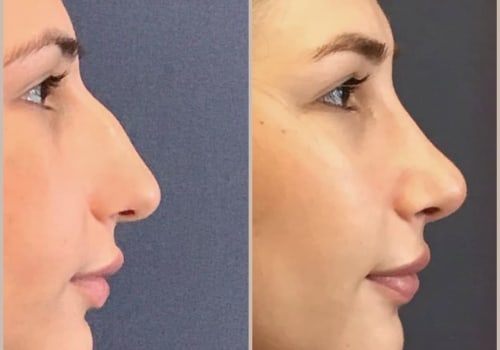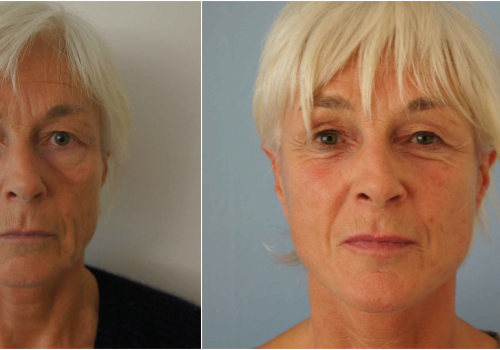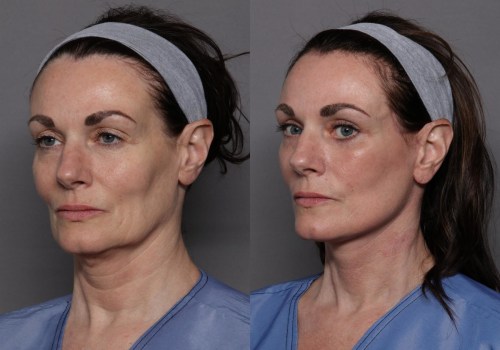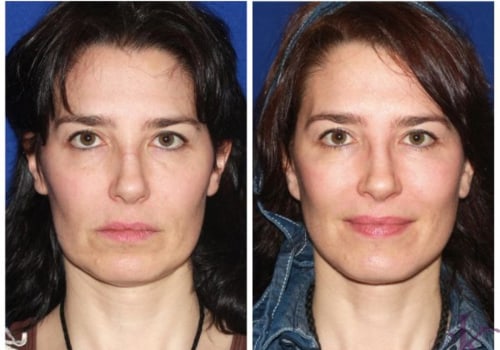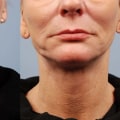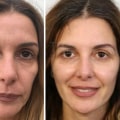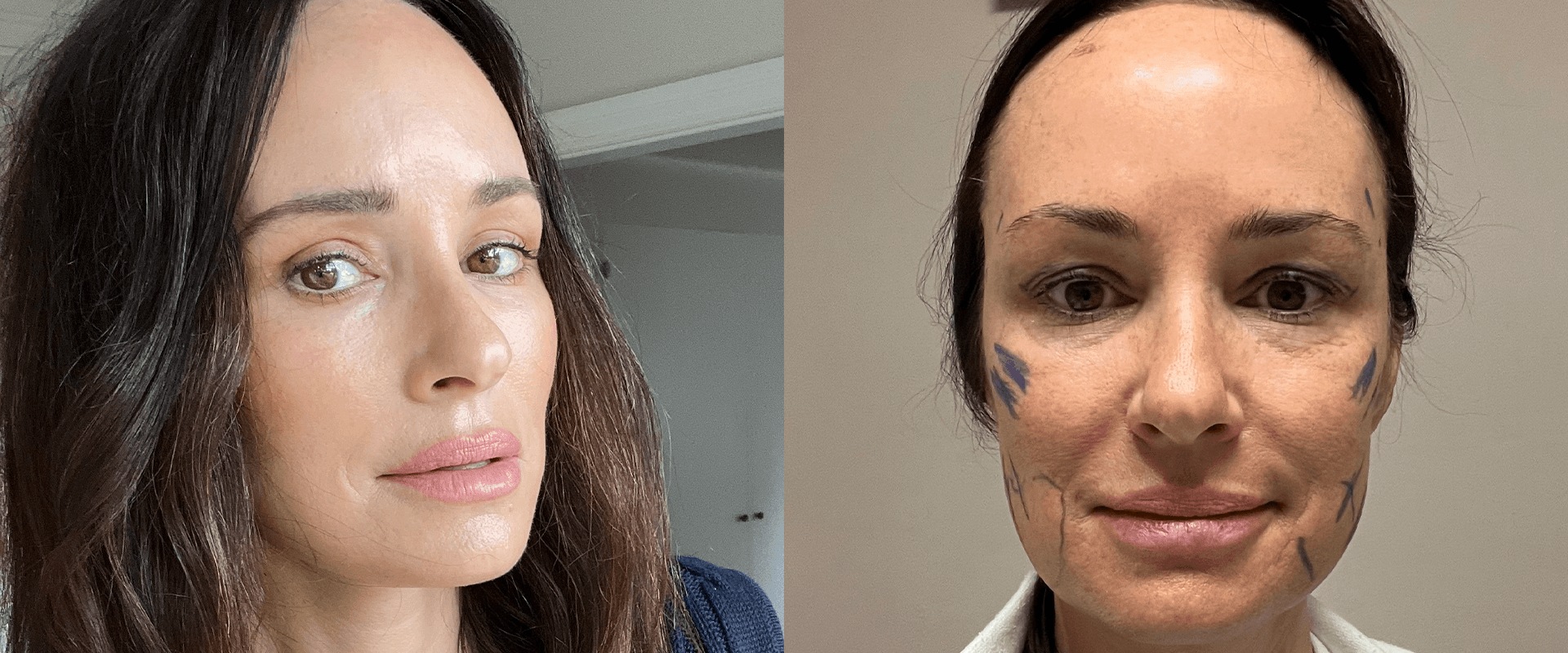
The concept of a face lift often evokes a mix of intrigue and apprehension. Many individuals considering this popular cosmetic procedure are driven by the desire for a more youthful appearance, yet they grapple with the fear of obvious results that may betray their surgical enhancements. This section aims to demystify the facelift process, addressing common perceptions and misconceptions that surround it.At its core, a face lift is designed to rejuvenate the facial structure by tightening sagging skin, reducing deep wrinkles, and restoring volume to areas that have lost elasticity over time. However, the question remains: are face lifts truly obvious? The answer is nuanced.
While some individuals may experience noticeable changes post-surgery, advancements in surgical techniques have significantly improved the ability to achieve natural-looking results. Surgeons now employ methods that minimise scarring and enhance the overall aesthetic outcome, allowing for a more discreet transformation.Moreover, the effectiveness of a facelift can vary based on several factors, including the patient's age, skin type, and the specific techniques used during the procedure. For instance, younger patients may opt for a mini facelift to address early signs of aging without undergoing a full surgical intervention. This tailored approach not only caters to individual needs but also contributes to more subtle results that blend seamlessly with one's natural features.As we delve deeper into the world of facial rejuvenation, it is essential to consider both the physical and emotional aspects of undergoing such a procedure.
Understanding what to expect from facelift results can empower potential candidates to make informed decisions about their appearance and well-being. In this exploration, we will uncover the intricacies of facelift procedures, dispel myths surrounding their visibility, and highlight how modern techniques can lead to outcomes that enhance rather than alter one's natural beauty.
What is a Face Lift?
A face lift , medically known as rhytidectomy, is a surgical procedure designed to improve the visible signs of aging in the face and neck. This transformative operation aims to create a more youthful appearance by addressing sagging skin, deep wrinkles, and loss of facial volume. As individuals age, factors such as gravity, sun exposure, and lifestyle choices contribute to the skin's elasticity diminishing, leading to a tired or aged look.A face lift effectively counters these changes by tightening the underlying muscles and removing excess skin.There are several types of face lifts, each tailored to meet specific aesthetic goals and address varying degrees of facial aging:
- Traditional Face Lift: This comprehensive approach involves incisions made around the ears and hairline, allowing for significant lifting of the cheeks, jawline, and neck. It is ideal for individuals with moderate to severe sagging.
- Mini Face Lift: A less invasive option, the mini face lift targets mild to moderate sagging in the lower third of the face. It requires smaller incisions and offers a quicker recovery time, making it suitable for younger patients or those seeking subtle enhancements.
- Mid-Face Lift: Focused on the central region of the face, this technique elevates the cheeks and smooths nasolabial folds. It is often performed in conjunction with other procedures for a more comprehensive rejuvenation.
- Neck Lift: While not a traditional face lift, a neck lift is frequently combined with facial procedures to address sagging skin and fat deposits in the neck area, enhancing overall facial harmony.
The choice of procedure depends on individual goals, skin condition, and the extent of aging present. Consulting with a qualified plastic surgeon is essential to determine the most appropriate option tailored to one’s needs.In summary, a face lift is not merely about removing excess skin; it is a holistic approach to restoring youthfulness by enhancing facial contours and rejuvenating one’s overall appearance.
Common Concerns: Are Face Lifts Obvious?
When considering a facelift, one of the most pressing concerns for potential candidates is whether the results will be obvious or if they will appear natural. The fear of looking "done" or having visible signs of surgery can deter many from pursuing this transformative procedure. However, advancements in surgical techniques and a deeper understanding of facial anatomy have significantly improved the outcomes of facelifts, making them less conspicuous than ever before.Understanding the Signs of a Facelift
While some individuals may exhibit noticeable signs post-surgery, such as tightness in the skin or an unnatural appearance, these outcomes are often the result of outdated techniques or inexperienced surgeons.
Modern facelifts focus on subtlety and natural aesthetics. Here are some factors that influence whether a facelift appears obvious:
- Technique Used: The method employed by the surgeon plays a crucial role in the final appearance. Techniques such as the SMAS (Superficial Muscular Aponeurotic System) lift allow for more natural results by addressing deeper layers of tissue.
- Incision Placement: Skilled surgeons strategically place incisions along natural creases and hairlines, which helps to conceal scars. This careful planning ensures that any scarring is minimal and less visible.
- Skin Type and Healing: Individual skin characteristics can affect how well scars heal.
Patients with good skin elasticity may experience less noticeable scarring.
- Post-Operative Care: Following proper aftercare instructions can significantly impact healing and scar visibility. Keeping the area clean and moisturised aids in recovery.
The Role of Technology
In recent years, technology has played a pivotal role in enhancing facelift procedures. Techniques such as endoscopic surgery allow for smaller incisions and less trauma to surrounding tissues, resulting in quicker recovery times and reduced scarring. Additionally, innovations like laser treatments can further minimise scar visibility post-surgery.
Conclusion
Ultimately, while some signs of a facelift may be present immediately after surgery, many patients find that these diminish significantly over time.
With the right surgeon and technique, a facelift can yield results that are not only rejuvenating but also remarkably discreet. If you are considering this procedure, it is essential to consult with a qualified plastic surgeon who can provide personalised advice based on your unique facial structure and aesthetic goals.
Factors Influencing Facelift Results
When considering a facelift, it is essential to understand that various factors can significantly influence the results of the procedure. These factors include age, skin type, and the surgical technique employed by the surgeon. By recognising these elements, potential candidates can set realistic expectations for their facelift outcomes.Age and Facelift
Age plays a crucial role in determining the effectiveness of a facelift.As we age, our skin loses elasticity and collagen, leading to sagging and wrinkles. Generally, younger patients tend to achieve more natural-looking results because their skin retains more elasticity, allowing for a smoother lift. In contrast, older patients may have more pronounced sagging and skin laxity, which can complicate the surgical process.However, age should not be a deterrent for those considering a facelift. Many older individuals can still benefit from the procedure, especially if they have realistic expectations about the results.
A skilled surgeon will tailor the approach based on the patient’s age and specific needs, ensuring that the outcome complements their overall appearance.
Skin Type and Facelift
The type of skin also significantly impacts facelift results. Individuals with thicker skin may experience different healing processes compared to those with thinner skin. Thicker skin can sometimes provide better support for lifting techniques, while thinner skin may be more prone to visible scarring or complications during recovery.Moreover, skin texture and tone are vital considerations. Patients with sun-damaged or unevenly pigmented skin may face additional challenges post-surgery.It is advisable for individuals to consult with their surgeon about their specific skin type and any pre-existing conditions that could affect healing.
Surgical Technique
The surgical technique chosen by the surgeon is another critical factor influencing facelift outcomes. Different techniques can yield varying results based on how they address facial structure and tissue. For instance, a traditional facelift may involve more extensive incisions but can provide more dramatic results for significant sagging. Conversely, less invasive options like mini facelifts may be suitable for those with mild to moderate sagging.Ultimately, selecting a qualified and experienced surgeon is paramount.Their expertise in various techniques will ensure that the chosen method aligns with the patient’s goals and anatomical considerations.In conclusion, understanding these factors—age, skin type, and surgical technique—can empower individuals considering a facelift to make informed decisions and achieve satisfying results.
Mini Facelifts vs. Full Facelifts
When considering facial rejuvenation, understanding the differences between a mini facelift and a full facelift is crucial for making an informed decision. Both procedures aim to combat the signs of aging, but they cater to different needs and desired outcomes.Mini Facelift
- Target Area: A mini facelift primarily addresses mild to moderate sagging in the lower third of the face, particularly around the jawline and cheeks. It is ideal for individuals who are beginning to notice signs of aging but do not require extensive lifting.
- Procedure Duration: This procedure is generally quicker, often taking about one to two hours, and can be performed under local anaesthesia with sedation.
- Recovery Time: Patients typically experience a shorter recovery period, with many returning to normal activities within a week or two.
Swelling and bruising are usually minimal.
- Scarring: The incisions made during a mini facelift are smaller and strategically placed, often resulting in less noticeable scarring.
Full Facelift
- Target Area: A full facelift addresses more significant sagging and laxity across the entire face, including the neck. It is suitable for those with advanced signs of aging, such as deep wrinkles and pronounced jowls.
- Procedure Duration: This comprehensive procedure can take three to five hours and usually requires general anaesthesia.
- Recovery Time: Recovery from a full facelift is more extensive, often requiring two to four weeks before resuming normal activities. Patients may experience more swelling and bruising compared to a mini facelift.
- Scarring: While skilled surgeons aim to conceal incisions within natural creases, the scars from a full facelift may be more prominent due to the larger incisions involved.
Choosing Between Mini and Full Facelift
The decision between a mini facelift and a full facelift largely depends on individual factors such as age, skin condition, and personal aesthetic goals. If you are in your late 30s or early 40s and are starting to notice subtle signs of aging without significant sagging, a mini facelift may be the perfect solution.
Conversely, if you have more pronounced sagging or wish to achieve dramatic results, a full facelift could be more appropriate.Ultimately, consulting with a qualified plastic surgeon can provide tailored advice based on your unique facial structure and desired outcomes. They can help you weigh the benefits of each option and determine which procedure aligns best with your goals for rejuvenation.
Recovery and Aftercare Post-Facelift
Recovering from a facelift is a crucial phase that significantly influences the overall results of the procedure. Understanding the facelift recovery time and adhering to proper aftercare can enhance healing and ensure a more satisfying outcome.Typically, patients can expect a recovery period of about 10 to 14 days before returning to most normal activities. However, complete healing may take several weeks, with final results becoming apparent after a few months.During the initial days post-surgery, it is common to experience swelling, bruising, and some discomfort. These symptoms are part of the body’s natural healing process.
Post-Operative Care for Facelift
Effective aftercare is essential for minimising complications and promoting optimal healing. Here are some key tips for post-operative care:- Follow Your Surgeon’s Instructions: Adhere strictly to the guidelines provided by your surgeon regarding medications, wound care, and activity restrictions.
- Manage Pain and Discomfort: Use prescribed pain relief medications as directed. Over-the-counter pain relievers may also be recommended.
- Keep Your Head Elevated: Sleep with your head elevated for the first few nights to reduce swelling.
- Avoid Strenuous Activities: Refrain from heavy lifting or vigorous exercise for at least two weeks to prevent strain on your healing tissues.
- Stay Hydrated and Nourished: Drink plenty of water and maintain a balanced diet to support your body’s recovery process.
- Avoid Sun Exposure: Protect your skin from sun exposure by wearing a wide-brimmed hat or using sunscreen once incisions have healed.
Remember that patience is key; while the initial results may be visible soon after surgery, the full effects of your facelift will continue to improve as swelling subsides and your skin settles into its new position.By understanding the recovery timeline and committing to diligent aftercare, you can significantly enhance your facelift experience and enjoy the rejuvenated appearance you desire.
Real Patient Experiences: Before and After Facelifts
When considering a facelift, many potential patients find themselves curious about the real-life outcomes of the procedure. Before and after photos serve as a powerful testament to the transformative effects of facelifts, showcasing not only the physical changes but also the emotional uplift that many individuals experience post-surgery.One compelling story comes from Sarah, a 52-year-old mother of two, who felt that her facial sagging was making her look older than she felt. After extensive research and consultations with several surgeons, she decided to proceed with a full facelift. The before and after photos reveal a remarkable difference: her jawline appears more defined, and the deep wrinkles around her mouth have significantly diminished.Sarah describes her experience as life-changing, stating, "I feel like I have my youthful energy back!" This sentiment is echoed by many who undergo similar procedures.Another patient, John, aged 60, opted for a mini facelift to address mild sagging in his lower face. His before and after images illustrate subtle yet impactful changes; his cheeks are lifted, and his overall appearance is rejuvenated without looking overly done. John shares, "I wanted to look refreshed but still like myself. The results are just perfect!" This highlights an important aspect of facelifts: when performed by skilled surgeons, the results can be natural-looking and harmonious with one’s features.Real patient experiences often highlight the importance of setting realistic expectations.
Many individuals report feeling nervous before their surgery but express relief and satisfaction once they see their results. For instance, Emily, a 45-year-old professional, documented her journey on social media. Her candid posts about the recovery process and eventual results resonated with many followers who were contemplating similar procedures. She noted that while there was some swelling initially, the final outcome was worth every moment of discomfort.In addition to personal stories, it’s essential to consider the psychological impact of facelifts.
Many patients report increased confidence and improved self-esteem following their procedures. The emotional benefits can be just as significant as the physical changes. As one patient aptly put it, "It’s not just about looking younger; it’s about feeling good in my skin again."In conclusion, real patient experiences provide invaluable insights into the potential outcomes of facelifts. By examining before and after photos alongside personal narratives, prospective patients can gain a clearer understanding of what to expect from this transformative procedure.
Frequently Asked Questions About Face Lifts
When considering a face lift, many individuals have questions and concerns that stem from common misconceptions.Addressing these frequently asked questions can help demystify the procedure and provide clarity for those contemplating this transformative surgery.
What is a face lift?
A face lift, or rhytidectomy, is a surgical procedure designed to reduce visible signs of aging by tightening the skin and underlying tissues of the face. It primarily targets sagging skin, deep wrinkles, and loss of facial volume, resulting in a more youthful appearance.Are face lifts obvious?
One of the most prevalent fears surrounding face lifts is the concern that the results will be obvious or unnatural. However, when performed by a skilled surgeon, the incisions are strategically placed to follow natural contours, making them less noticeable. The goal is to achieve a subtle enhancement rather than an exaggerated change.How long do the results last?
The longevity of a face lift can vary based on individual factors such as skin type, age, and lifestyle.Generally, results can last anywhere from 5 to 10 years. However, it’s important to note that while a facelift can significantly improve your appearance, it does not stop the aging process.
What are the risks associated with face lifts?
As with any surgical procedure, there are risks involved with face lifts. These may include infection, scarring, and complications related to anesthesia. It’s crucial to discuss these risks with your surgeon during the consultation process to ensure you are fully informed.Can I combine a face lift with other procedures?
Yes, many patients choose to combine a face lift with other cosmetic procedures such as eyelid surgery (blepharoplasty) or brow lifts for comprehensive facial rejuvenation.This approach can enhance overall results and provide a more balanced appearance.
What is the recovery time like?
The recovery period after a face lift typically involves swelling and bruising, which can last for several weeks. Most patients can return to normal activities within 10 to 14 days; however, full recovery may take several months as the final results become apparent.By addressing these common questions and misconceptions about face lifts, potential candidates can make informed decisions about their cosmetic journey. Understanding what to expect before, during, and after the procedure is essential for achieving satisfactory results.Conclusion: The Subtle Art of Facelifts
In conclusion, the perception that facelifts are obvious or unnatural is increasingly outdated. With advancements in surgical techniques and a deeper understanding of facial anatomy, modern facelifts can produce remarkably subtle and natural-looking results.The key lies in the skill of the surgeon and their ability to tailor the procedure to each individual’s unique facial structure and aesthetic goals.Throughout this article, we have explored various aspects of facelifts, including the types of procedures available, the importance of choosing a qualified surgeon, and the potential for achieving a rejuvenated appearance without the telltale signs of surgery. It is essential to remember that a well-executed facelift should enhance your natural beauty rather than create an artificial or 'pulled' look.Moreover, the discussion around scarring has highlighted that when performed correctly, incisions can be strategically placed to minimise visibility. Surgeons often utilise techniques that follow natural contours and hairlines, ensuring that any scars are discreet and blend seamlessly with the surrounding skin.As you consider your options for facial rejuvenation, it is crucial to approach the decision thoughtfully. Take time to research potential surgeons, review their portfolios, and consult with them about your specific concerns and desired outcomes.
A thorough consultation will allow you to understand what is achievable and help set realistic expectations.Ultimately, a facelift can be a transformative experience that restores not only your youthful appearance but also your confidence. By embracing the subtle art of facelifts and understanding the nuances involved, you can make an informed choice that aligns with your personal aesthetic vision.In summary, while some may still hold onto misconceptions about facelifts being obvious or unnatural, the reality is that with modern techniques and skilled practitioners, achieving a refreshed and natural look is entirely possible. Consider this option as a means to enhance your beauty while maintaining authenticity in your appearance.