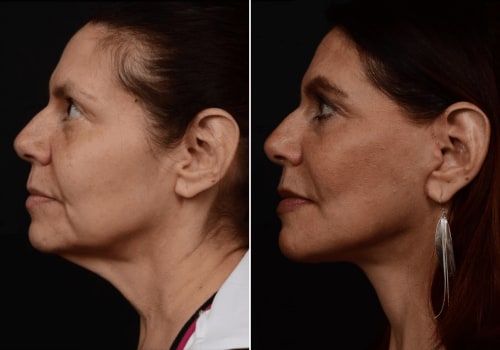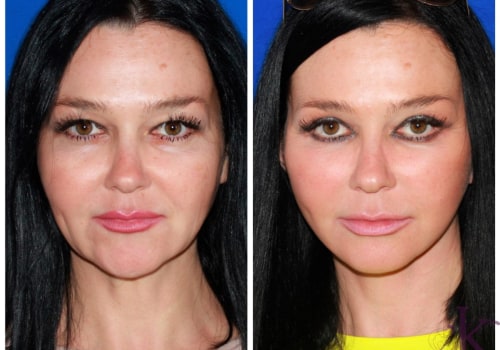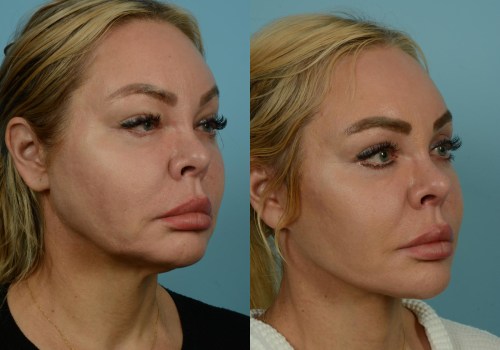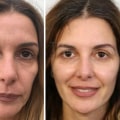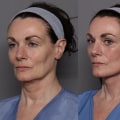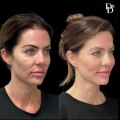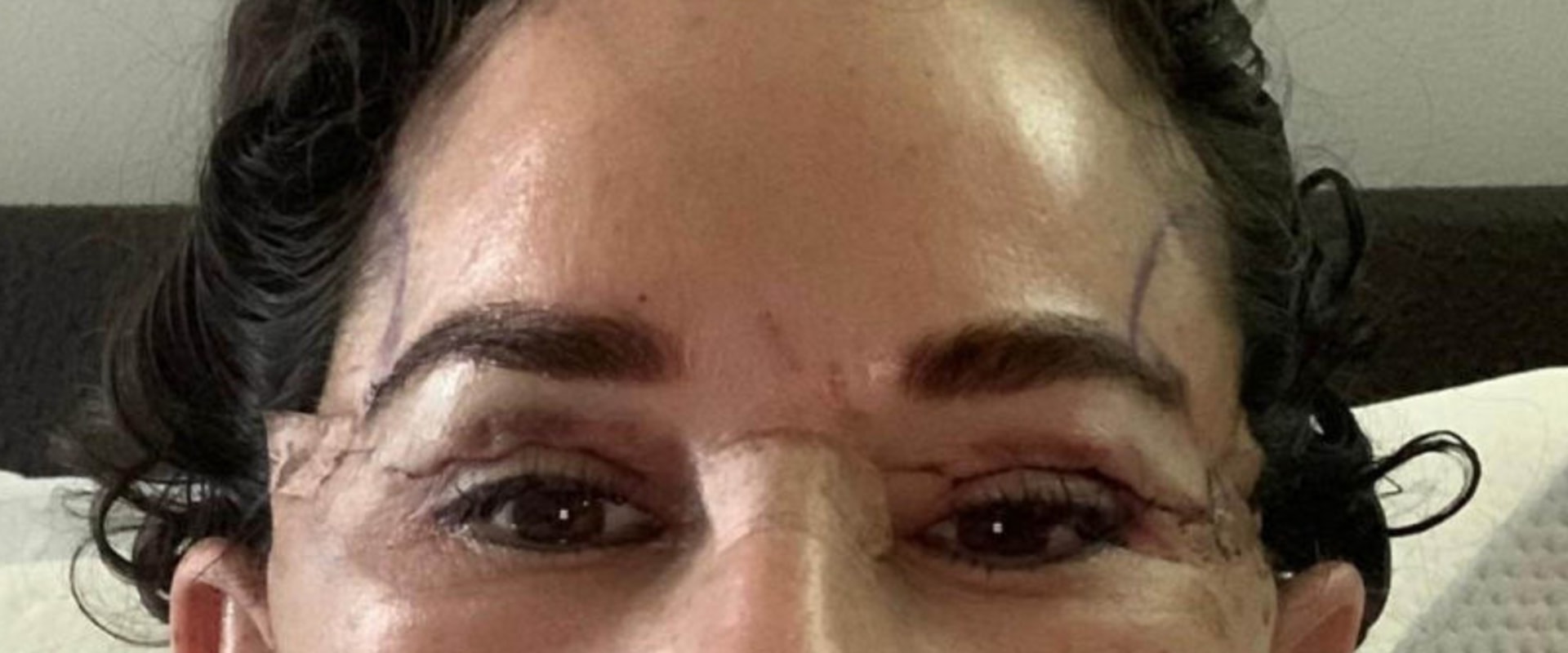
Undergoing a facelift is a significant decision that can lead to transformative results, but understanding the facelift recovery process is crucial for managing expectations. The journey to rejuvenation begins immediately after the procedure, and the first two weeks are particularly pivotal. During this time, your body will be working diligently to heal, and it’s essential to be aware of what changes to anticipate as you progress through the recovery stages.In the initial days following surgery, patients often experience swelling and bruising, which can obscure the final results. This is a normal part of the healing process, and while it may be disheartening to see your reflection during this period, it’s important to remember that these symptoms are temporary.
By understanding the typical timeline of facelift results , you can better appreciate the gradual improvements that will unfold over the coming weeks.Post-operative care plays a vital role in ensuring a smooth recovery. Adhering to your surgeon's instructions regarding medication, activity levels, and skincare can significantly influence your healing journey. For instance, elevating your head while sleeping and avoiding strenuous activities are simple yet effective strategies to minimise swelling and promote comfort. As you approach the end of the second week, many patients begin to feel more like themselves, ready to engage in light activities and social interactions.Ultimately, understanding the nuances of facelift recovery not only helps in setting realistic expectations but also empowers you to take an active role in your healing process.
Embrace this time as an opportunity for self-care and patience, knowing that each day brings you closer to revealing your refreshed appearance.
The Facelift Procedure: A Brief Overview
A facelift, medically known as rhytidectomy, is a surgical procedure designed to improve the visible signs of aging in the face and neck. This procedure can significantly enhance one’s appearance by tightening sagging skin, reducing wrinkles, and restoring a more youthful contour to the face. Understanding the various types of facelifts and techniques available is essential for anyone considering this transformative surgery.There are several types of facelifts, each tailored to address specific concerns:- Traditional Facelift: This is the most common type, involving incisions around the ears and hairline to lift and tighten the skin. It effectively addresses moderate to severe sagging.
- Mini Facelift: A less invasive option, this technique uses shorter incisions and is ideal for individuals with mild to moderate sagging.
It offers a quicker recovery time with subtle results.
- Mid-Facelift: Focused on the middle section of the face, this procedure lifts the cheeks and smooths nasolabial folds. It is often performed through small incisions inside the mouth or at the hairline.
- Neck Lift: Often performed in conjunction with a facelift, this procedure targets excess skin and fat in the neck area, providing a more defined jawline.
- SMAS (Superficial Muscular Aponeurotic System) Lift: This method involves lifting not just the skin but also the underlying muscle layer, providing longer-lasting results.
- Endoscopic Facelift: Utilising small incisions and an endoscope, this minimally invasive technique allows for precise adjustments with reduced scarring.
- Fat Grafting: In some cases, fat from other areas of the body is injected into the face to restore volume and enhance contours.
By understanding these options, patients can make informed decisions about their facelift journey.
What Happens in the First Two Weeks After a Facelift?
Understanding the recovery timeline after a facelift is crucial for managing expectations and ensuring a smooth healing process. The first two weeks post-surgery are particularly significant, as they set the stage for your overall recovery.During the initial days following your facelift, it is common to experience noticeable swelling and bruising. These symptoms are part of the body’s natural response to surgery and can vary in intensity from person to person. Typically, swelling peaks around the third or fourth day after the procedure, which can be disheartening for many patients.However, it is essential to remember that this is a temporary phase.In the first week, you may find that your face feels tight and somewhat uncomfortable. This sensation is due to the surgical adjustments made during the facelift. It is advisable to follow your surgeon's post-operative care instructions meticulously during this time. These may include:
- Keeping your head elevated while resting to reduce swelling.
- Avoiding strenuous activities and heavy lifting.
- Taking prescribed medications to manage pain and discomfort.
The swelling will begin to subside, and bruising will start to fade. By this point, many patients feel more like themselves and may even consider returning to light activities, such as walking or engaging in gentle social interactions.It’s important to note that while most individuals can resume normal facial expressions within one to two weeks, some may experience lingering tightness or numbness that can last longer. This variation in recovery time is normal and should not cause alarm.By the end of the second week, many patients are ready to return to work or engage in their usual routines, although it’s wise to continue avoiding any activities that could risk facial trauma for several more weeks. Remember that patience is key; while you may see significant improvements by this stage, complete healing can take several months.In summary, the first two weeks after a facelift are marked by a range of physical changes as your body heals.
Understanding these stages can help you navigate your recovery with greater ease and confidence.
Physical Changes You Can Expect at Two Weeks Post-Facelift
Two weeks after undergoing a facelift, patients often experience a significant transformation in their physical appearance as the healing process progresses. While the initial days post-surgery can be marked by noticeable swelling and bruising, by the end of the second week, many individuals begin to see a clearer picture of their rejuvenated look.During this period, the most prominent changes include:- Reduction in Swelling: One of the most encouraging signs at this stage is the gradual reduction of swelling. Although some puffiness may still be present, particularly around the jawline and neck, it is typically less pronounced than in the first week. This reduction allows for a more defined facial contour to emerge.
- Fading Bruising: Bruising, which often peaks around days three to four, will start to fade significantly by the end of week two.
The discolouration may shift from dark purple or blue to lighter shades of yellow or green as the body reabsorbs the blood pooled under the skin.
- Improved Facial Mobility: Patients generally find that they can express themselves more freely as stiffness decreases. While some may still experience tightness, many are able to smile and engage in normal facial movements without discomfort.
- Enhanced Skin Texture: As healing continues, patients may notice an improvement in skin texture. The skin may appear smoother and more youthful, thanks to increased blood flow and nourishment to the area as new blood vessels form. As healing continues, patients may notice an improvement in skin texture. The skin may appear smoother and more youthful, thanks to increased blood flow and nourishment to the area as new blood vessels form.
Following your surgeon's post-operative care instructions remains crucial during this phase to ensure optimal results.In summary, two weeks after a facelift, patients can expect a marked improvement in their appearance as swelling subsides and bruising fades. This period is often when individuals begin to feel more like themselves again, ready to embrace their new look with confidence.
Emotional and Psychological Aspects of Facelift Recovery
Undergoing a facelift is not just a physical transformation; it also brings about significant emotional and psychological changes. As you navigate through the recovery process, it is essential to acknowledge and address these aspects to ensure a holistic healing experience.In the initial weeks following surgery, many patients experience a range of emotions, from excitement about their new appearance to anxiety and frustration due to the recovery process. The visible effects of surgery, such as swelling and bruising, can lead to feelings of self-consciousness.It is crucial to remember that these changes are temporary and part of the healing journey.
Understanding Emotional Responses
Emotional responses can vary widely among individuals. Some common feelings include:- Anticipation: Many patients look forward to the final results and may feel excited about the prospect of looking younger or more refreshed.
- Anxiety: Concerns about how others will perceive their new appearance or fears about complications can lead to heightened anxiety levels.
- Frustration: The recovery process can be slow, and the initial post-operative appearance may not match expectations, leading to feelings of frustration.
- Isolation: Patients may feel isolated during recovery, especially if they are unable to engage in social activities or feel self-conscious about their appearance.
Coping Strategies
To manage these emotional challenges effectively, consider implementing the following coping strategies:- Open Communication: Discuss your feelings with friends, family, or support groups. Sharing your experiences can alleviate feelings of isolation and provide reassurance.
- Set Realistic Expectations: Understand that healing takes time. Educate yourself about the recovery timeline and remind yourself that improvements will come gradually.
- Engage in Self-Care: Prioritise self-care activities that promote relaxation and well-being, such as gentle yoga, meditation, or reading.
- Seek Professional Support: If feelings of anxiety or depression become overwhelming, consider speaking with a mental health professional who can provide guidance tailored to your needs.
By addressing these challenges head-on and employing effective coping strategies, you can enhance your overall well-being during this transformative period.
When to Resume Normal Activities After a Facelift
After undergoing a facelift, many patients are eager to return to their normal routines, including work and social activities. However, it is crucial to approach this transition with care to ensure optimal healing and avoid complications.Returning to Work
The timeline for returning to work after a facelift can vary significantly based on the individual’s healing process and the nature of their job. Generally, most patients can expect to return to non-strenuous work within 10 to 14 days post-surgery. If your job involves physical activity or requires you to be on your feet for extended periods, you may need to allow for a longer recovery period.During the first two weeks, it is common to experience swelling and bruising, which may make you feel self-conscious about your appearance.
If your workplace allows for it, consider discussing a phased return or working from home if possible. This can help ease the transition while you continue to heal.
Normal Activities Post-Surgery
In the initial weeks following your facelift, it is advisable to limit social interactions and public appearances until you feel more comfortable with your appearance. While many patients start feeling more like themselves after two weeks, it is essential to listen to your body and not rush back into social settings.Light activities such as walking can be resumed shortly after surgery, as this promotes circulation and aids in recovery. However, avoid any activities that could strain your facial muscles or lead to injury.
Activities like yoga or Pilates should be approached with caution and only resumed after consulting with your surgeon.
Exercise After Facelift
When it comes to exercise, it is crucial to follow your surgeon's advice closely. Generally, light exercises can be introduced around two weeks post-surgery, but more vigorous workouts should be postponed for at least four to six weeks. High-impact activities or those that involve bending over or lifting heavy weights can increase blood flow and pressure in the face, potentially leading to complications.As you gradually reintroduce exercise into your routine, start with low-impact activities such as walking or gentle stretching. Pay attention to how your body responds and avoid pushing yourself too hard too soon.
Always consult with your healthcare provider before resuming any form of exercise.In summary, while the desire to return to normal life after a facelift is understandable, prioritising your recovery is essential. By following these guidelines and listening to your body, you can ensure a smoother transition back into your daily activities.
Long-Term Expectations: What Comes After Two Weeks?
As you move beyond the two-week mark following your facelift, it’s essential to understand that the healing process is ongoing and that patience is key to achieving the best possible results. While many patients begin to feel more like themselves after two weeks, the journey to complete recovery and optimal aesthetic outcomes can take several months.During the third and fourth weeks post-surgery, you may notice a gradual reduction in swelling and bruising. However, it’s important to remember that some residual swelling can persist for weeks or even months.This is particularly true for areas around the jawline and neck, where the skin may still feel tight or slightly puffy. The final results of your facelift will not be fully visible until this swelling has completely subsided.
Long-Term Results
Most patients begin to see significant improvements in their facial appearance around the three-month mark. By this time, the skin will have settled into its new position, and any lingering swelling should have diminished considerably. The contours of your face will appear more defined, and you will likely notice a more youthful and rejuvenated look.It’s crucial to maintain realistic expectations during this period.While many individuals are thrilled with their results after a few weeks, others may require additional time for their skin to fully adjust. Factors such as age, skin type, and overall health can influence the healing process.
Post-Facelift Care
Continuing with proper post-operative care is vital for long-term success. Follow your surgeon's instructions regarding skincare routines, sun protection, and any recommended follow-up appointments. Using a high-quality sunscreen is particularly important as your skin may be more sensitive after surgery.- Hydration: Keep your skin hydrated by using moisturisers recommended by your surgeon.
- Avoiding Strenuous Activities: Refrain from high-impact exercises or activities that could strain your facial muscles for at least six weeks.
- Regular Check-ups: Attend all scheduled follow-up appointments to monitor your healing progress.
Embrace the journey of healing with patience, as the final results will reveal themselves over time, leading to a refreshed and revitalised appearance that reflects your inner vitality.
Frequently Asked Questions About Facelift Recovery
Recovering from a facelift can raise numerous questions, especially for those who are navigating the post-operative phase for the first time. Here are some of the most frequently asked questions regarding facelift recovery:- How long will I experience swelling and bruising?
Swelling and bruising are common after a facelift and typically peak around the third to fourth day post-surgery. By the end of the second week, many patients notice a significant reduction in both swelling and bruising, although some residual effects may linger for a few weeks. - When can I return to work?
Most patients feel ready to return to work within two weeks after their facelift, provided their job does not involve strenuous physical activity. However, it’s essential to listen to your body and consult with your surgeon before resuming work. - What activities should I avoid during recovery?
It is crucial to avoid strenuous exercise, heavy lifting, and contact sports for at least six weeks following your surgery.These activities can increase blood flow to the face and potentially disrupt the healing process.
- Will I be able to smile normally after surgery?
While many patients can smile and make normal facial expressions within one to two weeks post-surgery, some may experience stiffness or difficulty for up to five weeks. Patience is key as your body heals. - How should I sleep during recovery?
To minimise swelling, it is recommended to sleep with your head elevated on two pillows for the first two weeks after surgery. This position helps reduce fluid accumulation in the face.
Conclusion: Embracing Your New Look After a Facelift
As you approach the end of the second week following your facelift, it is essential to reflect on the journey you have undertaken.The recovery process can be challenging, but understanding what to expect and embracing your new look can significantly enhance your experience.During the initial weeks post-surgery, you may have encountered various physical changes, including swelling and bruising. These are normal reactions as your body heals and adjusts to the surgical alterations. By now, many of these symptoms should be subsiding, allowing you to see glimpses of your rejuvenated appearance. It is crucial to remember that patience is key; full results may take several weeks to manifest.Here are some important points to consider as you embrace your new look:
- Self-Confidence: A facelift can significantly boost your self-esteem.
As the swelling diminishes and your features become more defined, take time to appreciate the changes. Look in the mirror and acknowledge the effort you have put into this transformation.
- Follow-Up Care: Adhering to post-operative care instructions is vital for optimal healing. Continue to follow your surgeon's advice regarding activity levels, skincare routines, and any prescribed medications.
- Realistic Expectations: While many patients begin to feel like themselves again after two weeks, it’s important to maintain realistic expectations about the final outcome. Full recovery can take several months, and minor adjustments may still occur as your skin settles into its new position.
- Support System: Surround yourself with supportive friends and family who can help you navigate this transition.
Sharing your experiences and feelings can provide comfort and encouragement during this time.