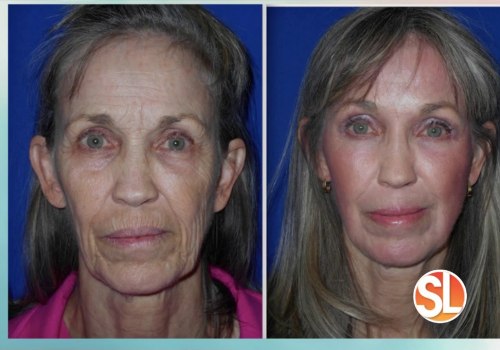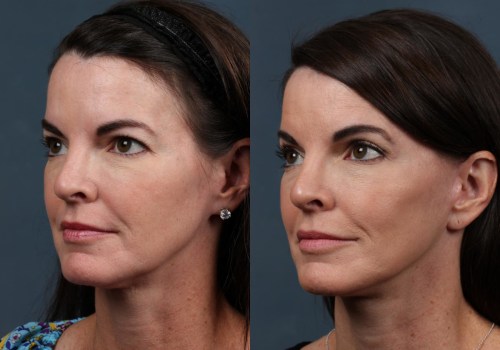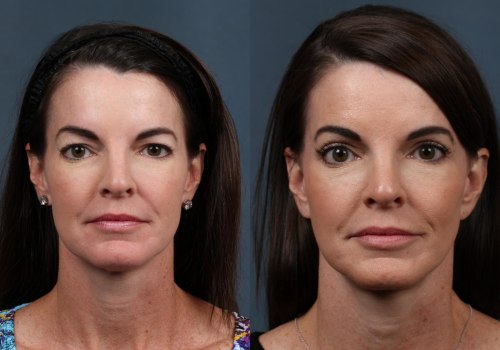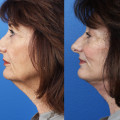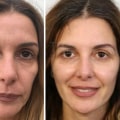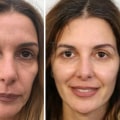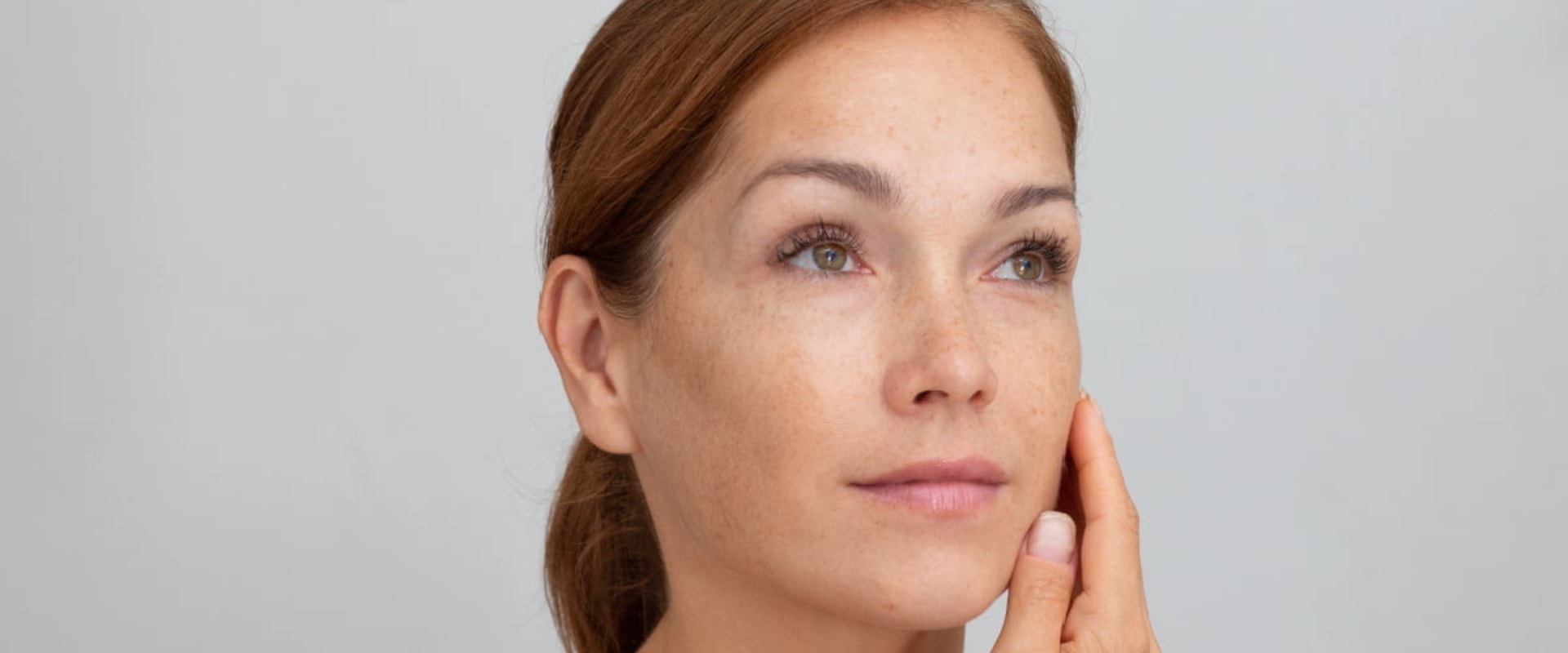
A facelift, or rhytidectomy, is a popular cosmetic surgery procedure designed to rejuvenate the face by addressing signs of aging. As we age, our skin loses elasticity, leading to sagging and the formation of wrinkles. A facelift aims to restore a more youthful appearance by tightening the underlying muscles and removing excess skin. This procedure can significantly enhance one’s self-esteem and overall confidence, making it a sought-after option for many individuals looking to turn back the clock on their appearance.The primary purpose of a facelift is to create a smoother, firmer facial contour, which can include lifting the cheeks, tightening the jawline, and reducing the appearance of deep creases around the mouth and nose.
While some may consider this procedure purely for aesthetic reasons, it can also serve as a means of emotional rejuvenation. Many patients report feeling revitalised and more in tune with their inner selves after undergoing facial rejuvenation.However, one common concern among potential candidates is whether others will be able to tell that they have had a facelift. The answer to this question often depends on various factors, including the skill of the surgeon, the techniques used during the procedure, and how well the patient follows post-operative care instructions. In this article, we will delve deeper into these aspects, exploring how modern techniques can lead to natural-looking results that are often indistinguishable from one’s original appearance.
What is a Facelift?
A facelift , medically known as rhytidectomy, is a cosmetic surgical procedure designed to improve the visible signs of aging in the face and neck.This procedure primarily targets sagging skin, deep creases, and loss of muscle tone, which can occur due to factors such as genetics, sun exposure, and lifestyle choices. By repositioning underlying tissues and removing excess skin, a facelift can restore a more youthful and rejuvenated appearance.There are several types of facelifts, each tailored to address specific concerns and achieve different results:
- Traditional Facelift: This is the most comprehensive type of facelift. It involves incisions that extend from the hairline at the temples, around the ears, and into the lower scalp. This method allows for significant lifting of the skin and underlying tissues, making it ideal for individuals with pronounced sagging and deep wrinkles.
- Mini Facelift: Also known as a "weekend facelift," this procedure is less invasive than a traditional facelift.
It typically involves shorter incisions and is designed for those with mild to moderate sagging. The recovery time is generally quicker, making it a popular choice for younger patients or those seeking subtle improvements.
- Deep-Plane Facelift: This advanced technique focuses on lifting not just the skin but also the deeper layers of facial tissue. By addressing the underlying structures, this method provides a more natural look and longer-lasting results. It is particularly effective for individuals with significant volume loss in the mid-face area.
Each procedure comes with its own recovery timeline; while some may return to normal activities within a week or two after a mini facelift, others may require several weeks to fully heal from a traditional or deep-plane facelift. Understanding these differences is crucial for anyone considering facial rejuvenation.Ultimately, a facelift can significantly enhance one’s appearance and boost self-confidence when performed by a qualified surgeon. It’s essential to consult with a specialist to determine which type of facelift aligns best with your aesthetic goals and personal circumstances.
The Facelift Procedure: What to Expect
Undergoing a facelift is a significant decision that requires careful consideration and understanding of the entire process. From the initial consultation to the recovery phase, each step plays a crucial role in achieving the desired results.Pre-Operative Consultation
The journey begins with a comprehensive pre-operative consultation with a qualified plastic surgeon.
During this meeting, you will discuss your aesthetic goals, medical history, and any concerns you may have. The surgeon will perform a thorough examination of your facial structure and skin elasticity to determine if you are a suitable candidate for a facelift. This is also an opportunity to ask questions about the procedure, including potential risks and expected outcomes.
The Facelift Procedure
On the day of the surgery, you will be given anaesthesia to ensure your comfort throughout the procedure. The specific technique used can vary based on individual needs, but generally, incisions are made along the hairline, around the ears, and sometimes under the chin.
This allows the surgeon to lift and tighten underlying muscles and tissues while removing excess skin.Once the adjustments are made, the incisions are carefully closed with sutures or staples. The entire procedure typically lasts between three to five hours, depending on the complexity of your case.
Post-Operative Care
After surgery, you will be monitored in a recovery area before being discharged. It is essential to follow your surgeon's post-operative care instructions closely to ensure optimal healing. You may experience some swelling, bruising, and discomfort in the initial days following your facelift; however, these symptoms are usually manageable with prescribed pain relief.During recovery, it is advisable to keep your head elevated and avoid strenuous activities for several weeks.
Most patients can return to their normal routines within two weeks, although full recovery may take several months as swelling subsides and final results become apparent.Understanding each step of the facelift procedure can help alleviate anxiety and set realistic expectations for your transformation. With proper care and attention, many individuals find that their facelift not only enhances their appearance but also boosts their confidence significantly.
Visible Signs of a Facelift: Can People Tell?
When considering a facelift, one of the most pressing concerns for many individuals is whether the signs of surgery will be noticeable to others. While a facelift can significantly rejuvenate one’s appearance, certain visible signs may indicate that someone has undergone this procedure.Visible Scars
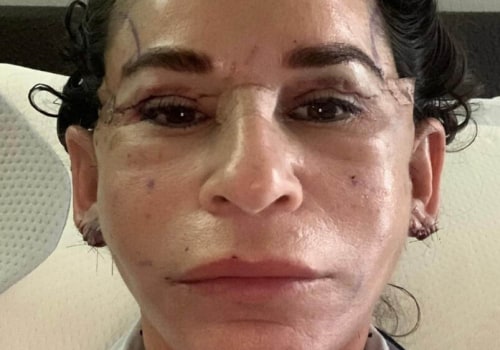
One of the most apparent indicators of a facelift is the presence of scars. Typically, facelift incisions are strategically placed to minimise visibility.
They often begin at the hairline near the temples, extend around the ears, and may even reach the lower scalp. Although these incisions are designed to be discreet, they can still be noticeable, especially in individuals with shorter hairstyles or those who frequently wear their hair pulled back.In the initial weeks following surgery, scars may appear red or raised, but as time progresses, they generally fade and become less conspicuous. Most patients find that after about a month, the scars are significantly less visible, allowing them to return to their normal activities with confidence. However, it’s important to note that complete healing can take up to a year, during which time the scars will continue to improve in appearance.
Changes in Facial Movement
Another subtle sign that may suggest someone has had a facelift is a change in facial movement.
A well-executed facelift should allow for natural expressions; however, if the procedure is not performed correctly or if the patient has not healed properly, there may be noticeable stiffness or lack of movement in certain areas of the face. This can lead to an unnatural appearance that might raise suspicions among observant friends or family.Surgeons who employ techniques such as the deep-plane facelift aim to ensure that skin and underlying tissues move together as a cohesive unit. This approach helps maintain a more natural look and feel post-surgery. Patients who follow their surgeon's aftercare instructions and allow adequate time for recovery often experience more favourable outcomes.
Individual Variability
The visibility of these signs can vary greatly from person to person.
Factors such as skin type, age, and overall health play significant roles in how well an individual heals after surgery. Some may find that their scars heal beautifully and are barely noticeable, while others might experience more prominent scarring.Ultimately, if you are considering a facelift and are concerned about how others might perceive your appearance post-surgery, it is crucial to consult with a qualified plastic surgeon. They can provide insights tailored to your unique situation and help set realistic expectations regarding recovery and results.
Factors Influencing Perception of Facelifts
When considering whether others can discern if someone has undergone a facelift, several key factors come into play. Understanding these elements can help individuals make informed decisions about their cosmetic surgery options and manage expectations regarding the results.Age and Facelifts
Age is a significant factor influencing the perception of facelift results.Generally, individuals between the ages of 40 and 60 are the most common candidates for this procedure. As skin loses elasticity and firmness with age, a facelift can effectively restore a more youthful appearance. However, younger patients may also seek facelifts to address specific concerns, such as genetic predispositions to sagging skin.Older patients, on the other hand, may have more pronounced signs of aging, which can make the results of a facelift more noticeable. If the surgical technique is not tailored to the individual’s age and skin condition, it may lead to an unnatural appearance that is easier for others to detect.
Skin Type and Its Impact
The type and condition of an individual’s skin play a crucial role in determining how well they will heal after a facelift.For instance, individuals with thicker skin may experience different healing processes compared to those with thinner skin. Thicker skin can sometimes hide scars better but may also require more extensive lifting techniques, which could lead to a more noticeable result if not executed properly.Additionally, skin texture and elasticity are vital considerations. Those with well-hydrated, elastic skin tend to achieve more natural-looking results post-surgery. Conversely, dry or sun-damaged skin may not respond as favourably to surgical interventions, potentially leading to visible signs of surgery.
Surgical Technique and Post-Operative Care
The surgical technique employed during the facelift is paramount in achieving natural results.Techniques such as the deep-plane facelift allow for more comprehensive lifting of facial structures, which can result in a more harmonious appearance. Surgeons who are skilled in these advanced methods are less likely to leave behind telltale signs of surgery.Moreover, adherence to post-operative care instructions significantly influences recovery and final outcomes. Patients who diligently follow their surgeon's advice regarding wound care, activity levels, and follow-up appointments are likely to experience smoother healing processes. This diligence can minimise complications such as excessive swelling or scarring that might otherwise reveal that a facelift has been performed.In conclusion, while some individuals may be able to tell if someone has had a facelift based on various factors such as age, skin type, surgical technique, and post-operative care adherence, many people achieve results that appear natural and rejuvenated.
Understanding these influences can empower potential patients to make choices that align with their aesthetic goals while minimising the risk of unwanted attention.
The Role of Natural Movement in Facelift Results
When considering a facelift, one of the most critical aspects to evaluate is how the chosen surgical technique influences the natural movement of the face post-procedure. A successful facelift should not only enhance your appearance but also preserve the ability to express emotions authentically. This is where the distinction between various facelift techniques, particularly the deep-plane facelift, becomes significant.The deep-plane facelift is designed to reposition not just the skin but also the underlying soft tissues and muscles as a cohesive unit. This method contrasts with traditional facelifts, which may only tighten the skin without adequately addressing the deeper structures.As a result, patients who undergo a deep-plane facelift often experience more natural-looking results, as their facial expressions remain fluid and genuine.One of the primary benefits of a deep-plane facelift is its ability to maintain facial expressions. Patients frequently report that they feel more like themselves after surgery, as their ability to smile, frown, or express surprise is largely intact. This preservation of movement is crucial; it allows individuals to engage socially without drawing attention to their surgical enhancements.In contrast, facelifts that do not consider natural movement can lead to an overly tight or 'pulled' appearance. Such results can be disconcerting for both the patient and those around them, as they may evoke questions about whether surgery has been performed.
Therefore, selecting a skilled surgeon who understands the intricacies of facial anatomy and prioritises natural movement is essential for achieving satisfactory outcomes.Moreover, it’s important to note that every individual’s healing process varies. While some may notice immediate improvements in their appearance, others might take longer to see the full benefits of their surgery. Mild swelling and stiffness can persist for several months, but these are typically subtle enough that only the patient will notice them.Ultimately, if you are considering a facelift, prioritising techniques that promote natural movement will not only enhance your aesthetic results but also ensure that your personality shines through in your expressions. This balance between rejuvenation and authenticity is what many patients seek when opting for facial cosmetic procedures.
Psychological Aspects: Should You Share Your Facelift Experience?
Undergoing a facelift is not merely a physical transformation; it often brings about significant psychological changes as well.Many individuals find that the decision to enhance their appearance through cosmetic surgery can lead to a profound boost in self-esteem and confidence. However, the question of whether to share this experience with others can be complex and deeply personal.For some, discussing their facelift journey can be empowering. Sharing their story may help demystify the procedure for others who are considering similar enhancements. It can also foster a sense of community among those who have undergone similar experiences, allowing for the exchange of tips, advice, and emotional support.
This openness can contribute to a more positive societal perception of cosmetic surgery, helping to reduce stigma and promote acceptance.On the other hand, some individuals may feel hesitant to disclose their facelift experience due to fear of judgment or misunderstanding. Society often holds mixed views on cosmetic procedures, with some people viewing them as superficial or indicative of insecurity. This perception can lead to anxiety about how others might react upon learning about the surgery. As a result, many choose to keep their facelift private, opting instead to enjoy their newfound confidence without external commentary.Ultimately, the decision to share or not share one’s facelift experience should be guided by personal comfort levels and individual circumstances.
It is essential for each person to weigh the potential benefits of sharing—such as increased confidence and community support—against the possible drawbacks, including unwanted attention or scrutiny.Moreover, it is crucial to consider the psychological effects that follow a facelift. Many patients report feeling rejuvenated and more youthful after their procedure, which can translate into improved social interactions and professional opportunities. This newfound confidence can encourage individuals to engage more actively in their lives, pursue new relationships, or even change careers.In conclusion, whether or not to share your facelift experience is a personal choice that should reflect your feelings and circumstances. Embracing your journey can be liberating and may inspire others, but it is equally valid to keep your experience private if that feels more comfortable for you.
Frequently Asked Questions About Facelifts
When considering a facelift, many potential patients have questions and concerns that can influence their decision-making process.Below are some of the most frequently asked questions regarding facelifts, along with clear answers to help demystify the procedure.
- What is a facelift?
A facelift, or rhytidectomy, is a surgical procedure designed to improve visible signs of aging in the face and neck. It involves tightening the underlying muscles and removing excess skin to create a more youthful appearance. - How long does a facelift last?
The results of a facelift can last anywhere from 5 to 10 years, depending on various factors such as skin type, age, and lifestyle choices. While the procedure can significantly rejuvenate your appearance, it does not stop the natural aging process. - Will people be able to tell I’ve had a facelift?
This is a common concern. If performed by a skilled surgeon, the results should appear natural.Subtle changes are often more noticeable to the individual than to others. Most people will likely notice you look refreshed rather than pinpointing that you’ve had surgery.
- What are the risks associated with facelifts?
As with any surgical procedure, there are risks involved, including infection, scarring, and complications from anesthesia. However, choosing an experienced surgeon can significantly reduce these risks. - What is the recovery time after a facelift?
Recovery varies by individual but typically takes about 2 to 4 weeks for initial healing. Swelling and bruising may persist for several weeks, but most people can return to normal activities within a month. - Are there non-surgical alternatives to facelifts?
Yes, there are several non-surgical options available, such as dermal fillers, Botox, and laser treatments.These alternatives can provide temporary results but may not offer the same level of improvement as a surgical facelift.
Conclusion: Embracing Change with Confidence
In conclusion, the journey of undergoing a facelift is not merely about altering one’s appearance; it is a profound transformation that encompasses both physical and emotional dimensions. As we have explored throughout this article, the ability to discern whether someone has had a facelift can vary significantly based on several factors, including the skill of the surgeon, the techniques employed, and the individual’s unique healing process.It is essential to acknowledge that while visible signs such as scars may initially raise questions, the final results of a facelift often lead to a rejuvenated and more youthful appearance that can be difficult for others to pinpoint. The subtlety of these changes is what allows many individuals to embrace their new look with confidence.As noted by experts in the field, a well-executed facelift should harmonise with your natural features, allowing for movement and expression that feels authentic.Moreover, the emotional aspect of undergoing cosmetic surgery cannot be overlooked. Many individuals report a significant boost in self-esteem and confidence following their procedures. This newfound sense of self can empower individuals to embrace their choices openly or keep them private, depending on their comfort level. It is perfectly valid to feel proud of your decision to enhance your appearance and share your experience with others.Ultimately, whether you choose to disclose your facelift journey or keep it personal, what matters most is your satisfaction with the results.
Embracing change is a personal choice that should be celebrated. If you feel happier and more confident in your skin, then you have achieved the primary goal of any cosmetic procedure.As you consider your options regarding facial rejuvenation, remember that thorough research and consultation with qualified professionals are key to achieving results that align with your expectations. Embrace this opportunity for change with confidence, knowing that you are taking steps towards feeling like the best version of yourself.