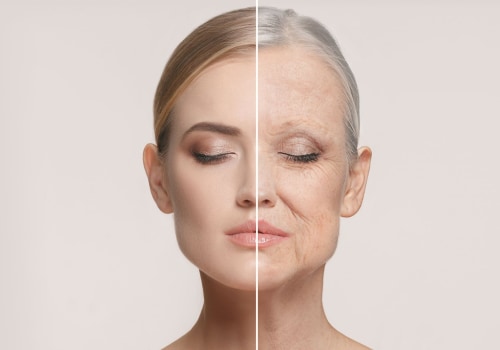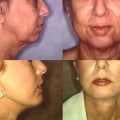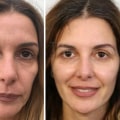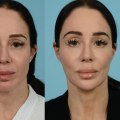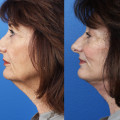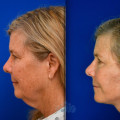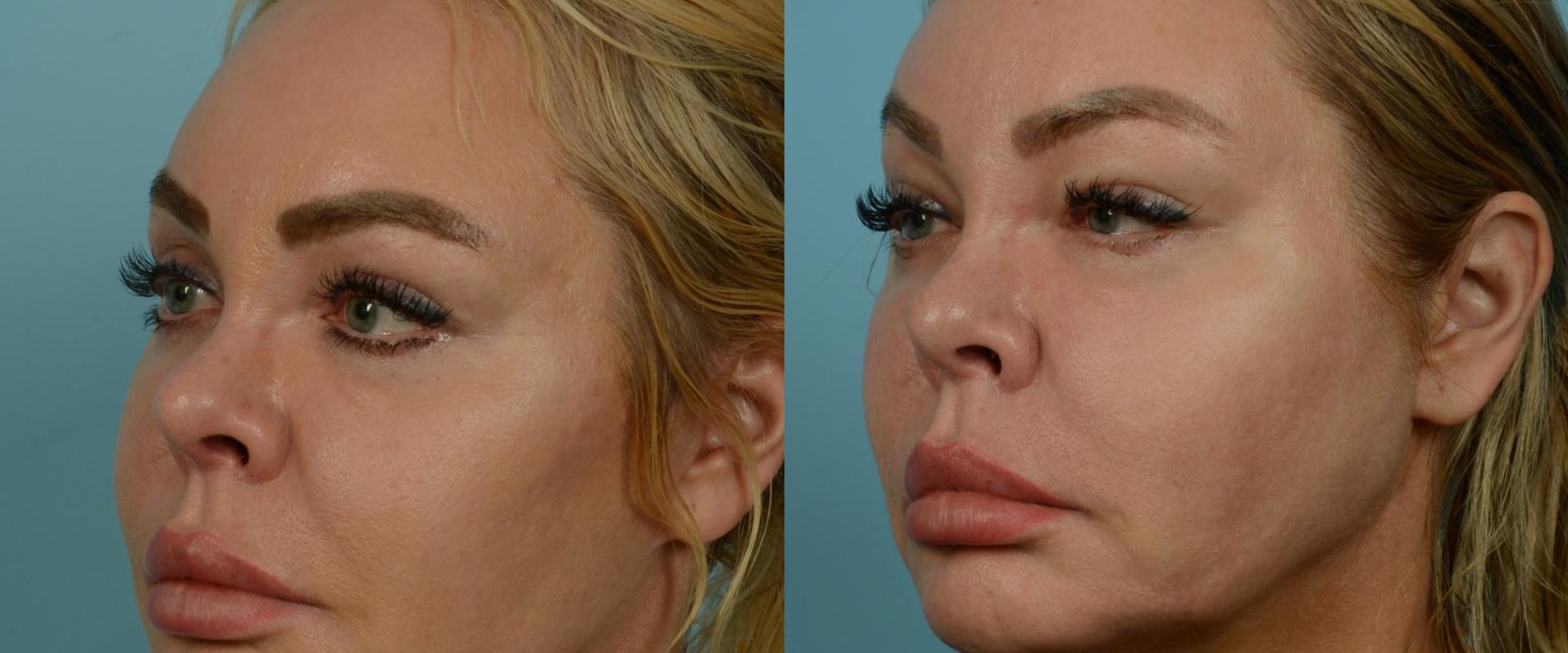
A facelift, medically known as a rhytidectomy, is a surgical procedure designed to enhance the appearance of the face by addressing signs of aging. As we age, our skin loses elasticity and volume, leading to sagging and the formation of wrinkles. This natural process can be exacerbated by factors such as sun exposure, lifestyle choices, and genetics. For many individuals, these changes can lead to a feeling of dissatisfaction with their appearance, prompting them to explore options for rejuvenation.People consider a facelift for various reasons, primarily to restore a more youthful contour to their face.
The procedure can effectively tighten loose skin, smooth out deep folds around the mouth and nose, and redefine the jawline. Additionally, it can enhance the overall harmony of facial features, providing a refreshed and revitalised look. While non-surgical treatments like fillers and Botox offer temporary solutions, a facelift provides more significant and long-lasting results.Moreover, the decision to undergo a facelift is often influenced by personal motivations. Some individuals seek to regain confidence lost due to visible signs of aging, while others may wish to align their external appearance with how they feel internally.
Regardless of the reason, understanding what a facelift entails and its potential benefits is crucial for anyone contemplating this transformative procedure.
What is a Facelift?
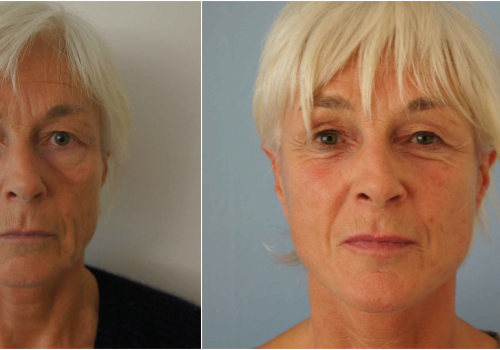
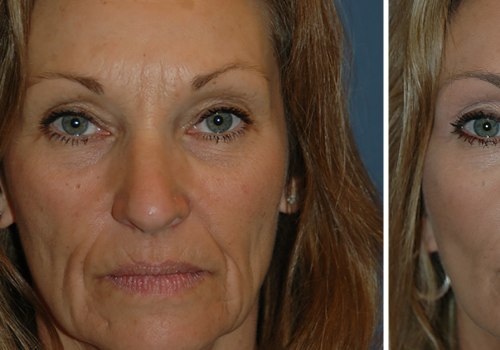
A facelift, medically known as a rhytidectomy , is a surgical procedure designed to enhance the appearance of the face by addressing signs of aging. This operation primarily targets sagging skin, deep creases, and loss of facial volume, which can contribute to an older appearance. By tightening the underlying muscles and removing excess skin, a facelift can restore a more youthful contour to the face.There are several types of facelifts, each tailored to meet specific aesthetic goals and individual needs:- Traditional Facelift: This is the most common type, involving incisions around the hairline and extending down in front of the ear. It allows for significant lifting of the skin and underlying tissues.
- Mini Facelift: A less invasive option, this procedure uses shorter incisions and is ideal for those with mild to moderate sagging.
It offers a quicker recovery time with subtle results.
- Mid-Facelift: Focused on the middle section of the face, this technique lifts the cheeks and smooths nasolabial folds. It is often performed through small incisions inside the mouth or at the hairline.
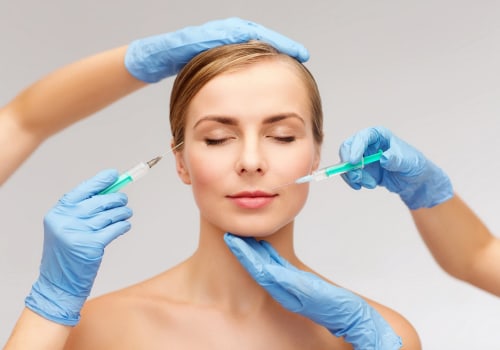
- Thread Lift: A non-surgical option that uses temporary sutures to lift the skin. This method is less invasive and provides immediate results with minimal downtime.
The surgeon will then lift and reposition underlying tissues before removing excess skin. Once completed, the incisions are closed with sutures or clips. The entire procedure usually lasts between two to four hours, depending on its complexity.Post-operative care is crucial for optimal recovery. Patients are advised to follow their surgeon's instructions closely, which may include managing swelling and bruising, taking prescribed medications, and attending follow-up appointments to monitor healing.In summary, understanding what a facelift entails—including its definition, various types, and procedural details—is essential for anyone considering this transformative surgery.
With advancements in techniques and technology, facelifts can offer significant improvements in facial aesthetics while ensuring safety and satisfaction.
Reasons to Consider a Facelift
Deciding whether to undergo a facelift is a significant choice that many individuals contemplate as they notice the signs of aging on their faces. There are numerous reasons to consider a facelift , each rooted in both aesthetic desires and psychological benefits.One of the primary motivations for opting for a facelift is the desire to restore a youthful appearance. As we age, our skin loses elasticity, leading to sagging and the formation of wrinkles. A facelift can effectively address these issues by tightening the underlying muscles and removing excess skin, resulting in a smoother, firmer visage.This rejuvenation can enhance not only one’s physical appearance but also boost self-esteem.Moreover, many individuals find that their facial features can significantly impact their overall confidence. A facelift can help individuals feel more aligned with how they perceive themselves internally. This alignment can lead to improved social interactions and greater opportunities in both personal and professional realms.In addition to aesthetic improvements, there are psychological benefits associated with undergoing a facelift. Many patients report feeling revitalised and more energetic after the procedure.
The act of investing in oneself through cosmetic surgery can foster a sense of empowerment, encouraging individuals to embrace new challenges and experiences.Furthermore, a facelift can serve as a catalyst for lifestyle changes. Post-surgery, many individuals become more motivated to maintain their results through healthy habits such as regular exercise and a balanced diet. This holistic approach to self-care can lead to long-term benefits that extend beyond the immediate effects of the surgery.It’s also worth noting that advancements in surgical techniques have made facelifts safer and more effective than ever before. With minimally invasive options available, patients can achieve significant results with reduced recovery times and less visible scarring.Ultimately, the decision to pursue a facelift should be based on personal motivations and expectations.
Consulting with a qualified plastic surgeon can provide valuable insights into what the procedure entails and help individuals determine if it aligns with their goals.
Who is an Ideal Candidate for a Facelift?
Determining whether a facelift is the right choice for you involves understanding the characteristics that define an ideal candidate. While the decision is ultimately personal, certain factors can help guide your assessment.Age and Skin Condition
Typically, individuals aged between 40 and 70 are considered prime candidates for a facelift. At this stage, the skin has often begun to lose its elasticity, leading to sagging and the formation of wrinkles. However, age alone is not a definitive factor; the condition of your skin plays a crucial role.
Those with moderate to severe skin laxity, particularly around the jawline and neck, may find that a facelift offers significant improvements.
Health Status
Good overall health is essential for anyone considering surgical procedures. Ideal candidates should be non-smokers or willing to quit smoking well in advance of the surgery, as smoking can impede healing and increase complications. Additionally, individuals with chronic health issues such as diabetes or heart conditions should consult their healthcare provider to ensure they are fit for surgery.
Realistic Expectations
A successful facelift requires realistic expectations regarding the outcomes. Candidates should understand that while a facelift can rejuvenate their appearance, it will not stop the aging process.
Those who seek a natural look rather than an overly tightened appearance tend to be more satisfied with their results.
Motivation and Emotional Readiness
Emotional readiness is another critical aspect of being an ideal candidate. Individuals who are motivated by personal reasons—such as wanting to feel more confident or improve their self-image—are often more satisfied with their decision. It’s important to approach the procedure with a positive mindset and an understanding of what it entails.
Facial Structure
The underlying structure of your face can also influence suitability for a facelift. Those with good bone structure may achieve more aesthetically pleasing results, as the procedure can enhance natural contours.
A consultation with a qualified surgeon can provide insights into how your unique facial anatomy may affect the outcome.In summary, an ideal candidate for a facelift typically falls within a certain age range, maintains good health, possesses realistic expectations, is emotionally prepared for the changes ahead, and has suitable facial characteristics. If you identify with these traits, it may be time to explore the possibility of rejuvenating your appearance through this transformative procedure.
Alternatives to Facelifts
For those contemplating a facelift but hesitant about undergoing surgery, there are several non-surgical alternatives that can effectively rejuvenate the face and address signs of aging. These options can provide noticeable results with less downtime and lower risks compared to traditional surgical procedures.Dermal Fillers
One of the most popular alternatives to facelifts is the use of dermal fillers. These injectable treatments can restore volume to areas of the face that have lost elasticity and fullness over time.Commonly used fillers include hyaluronic acid-based products, which can plump up the cheeks, smooth out nasolabial folds, and enhance lip volume. The results are immediate, and while they are not permanent, they typically last between six months to two years, depending on the type of filler used.
Botox
Botox
, another widely recognised non-surgical option, works by temporarily paralyzing the muscles that cause wrinkles. It is particularly effective for dynamic wrinkles, such as crow's feet and frown lines. The treatment is quick, often referred to as a "lunchtime procedure," and results can last for three to six months.
Many patients opt for Botox in conjunction with fillers for a more comprehensive facial rejuvenation.
Skin Treatments
In addition to injectables, various skin treatments can enhance skin texture and tone without surgery. Options such as chemical peels, microdermabrasion, and laser resurfacing can help reduce fine lines, sun damage, and uneven pigmentation. These treatments work by exfoliating the outer layer of skin or stimulating collagen production, leading to a more youthful appearance over time.Ultrasound and Radiofrequency Treatments
Ultrasound
and
radiofrequency treatments
, such as Ultherapy or Thermage, are non-invasive procedures that use energy to stimulate collagen production deep within the skin. These treatments can lift and tighten sagging skin on the face and neck without any incisions.
While results may take a few months to fully develop, they can last for up to two years.
Conclusion
Before deciding on a facelift, it is essential to explore these non-surgical options. Each alternative offers unique benefits and can be tailored to meet individual needs. Consulting with a qualified cosmetic professional can help determine the best approach for achieving your desired aesthetic goals while minimising risks and recovery time.The Risks and Considerations of Getting a Facelift
Deciding to undergo a facelift is a significant choice that requires careful consideration of various factors, including the potential risks and complications associated with the procedure. While many individuals seek a facelift to rejuvenate their appearance, it is crucial to be fully informed about what the surgery entails and the possible outcomes.Understanding the Risks
Like any surgical procedure, a facelift carries inherent risks.
Some of the most common risks include:
- Infection: Post-operative infections can occur, leading to complications that may require additional treatment.
- Scarring: Although surgeons aim to minimise visible scarring, some patients may experience noticeable scars that can take time to heal.
- Haematoma: This condition involves blood pooling under the skin, which can cause swelling and discomfort. In some cases, it may necessitate further surgical intervention to drain the accumulated blood.
- Nerve Damage: Temporary or permanent nerve damage can result in altered sensation or movement in the facial area.
- Anesthesia Risks: Reactions to anaesthesia can occur, leading to complications during or after surgery.
Complications to Consider
Beyond the immediate risks, there are also potential complications that can arise from a facelift:
- Asymmetry: Post-surgery, some patients may notice unevenness in their facial features, which can be distressing and may require corrective procedures.
- Skin Necrosis: In rare cases, the skin may not receive adequate blood supply during recovery, leading to tissue death.
- Poor Healing: Factors such as smoking or underlying health conditions can impede healing and affect the final results of the facelift.
What to Consider Before Undergoing a Facelift
Before making a decision about a facelift, it is essential to evaluate several key considerations:
- Your Health Status: A thorough medical evaluation is necessary to determine if you are a suitable candidate for surgery. Pre-existing conditions such as heart disease or diabetes can increase risks.
- Your Expectations: Understanding what a facelift can realistically achieve is vital. Discuss your goals with your surgeon to ensure they align with what is possible through the procedure.
- The Surgeon’s Experience: Choosing a qualified and experienced surgeon can significantly impact your results and minimise risks.
Research their credentials and patient reviews thoroughly.
- Recovery Time: Be prepared for a recovery period that may involve swelling and bruising. Understanding this timeline will help you plan accordingly.
What to Expect During Recovery After a Facelift
Recovering from a facelift is a crucial phase that significantly influences the overall outcome of the procedure. Understanding what to expect during this period can help you manage your recovery effectively and set realistic expectations.Immediately after the surgery, you will likely experience some swelling, bruising, and discomfort.These symptoms are normal and typically peak within the first few days. Your surgeon will provide you with specific instructions on how to care for your incisions and manage any pain. It’s essential to follow these guidelines closely to promote healing.
Initial Recovery Phase
In the first week post-surgery, it’s advisable to take it easy. Most patients can return to light activities within a few days, but strenuous exercise and heavy lifting should be avoided for at least two weeks.During this time, you may also need to sleep with your head elevated to reduce swelling.
Post-Facelift Care
Proper care during recovery is vital for optimal results. Here are some essential tips:- Keep Incisions Clean: Gently clean the surgical sites as directed by your surgeon to prevent infection.
- Avoid Sun Exposure: Protect your skin from direct sunlight, as UV rays can hinder healing and affect your results.
- Stay Hydrated: Drinking plenty of water aids in recovery and helps maintain skin elasticity.
- Follow-Up Appointments: Attend all scheduled follow-up visits with your surgeon to monitor your healing progress.
Long-Term Recovery
The complete healing process can take several months. While most swelling will subside within a few weeks, residual swelling may linger for up to six months. It’s important to be patient as your final results will gradually become more apparent over time.In summary, understanding the recovery process after a facelift is essential for achieving the best possible outcome.By adhering to post-operative care instructions and being mindful of your body’s healing signals, you can ensure a smoother recovery journey and enjoy the rejuvenated appearance that a facelift can provide.
Cost of a Facelift: Is it Worth It?
When considering a facelift, one of the most pressing questions is often about the cost. The financial implications of undergoing such a procedure can be significant, and understanding these costs is crucial for making an informed decision.The average cost of a facelift in the UK can range from £7,000 to £15,000, depending on various factors such as the surgeon's experience, the complexity of the procedure, and the geographical location of the clinic. This price typically includes pre-operative consultations, anaesthesia fees, and post-operative care. However, it’s essential to note that these figures can vary widely.In addition to the initial cost, potential patients should also consider other financial aspects:- Recovery Time: A facelift requires a recovery period during which you may need to take time off work.
This could lead to lost income, which should be factored into your overall budget.
- Follow-Up Treatments: While a facelift can provide significant results, some individuals may opt for additional treatments such as fillers or Botox to maintain their youthful appearance. These ongoing costs can add up over time.
- Potential Complications: As with any surgical procedure, there are risks involved. If complications arise, additional medical expenses may be incurred.
However, it’s vital to have realistic expectations about what a facelift can achieve. It’s not a solution for all signs of aging or a substitute for a healthy lifestyle.Before making a decision, consider consulting with a qualified plastic surgeon who can provide insights tailored to your specific situation. They can help you weigh the potential benefits against the costs involved and assist you in determining whether this investment aligns with your long-term aesthetic goals.
Frequently Asked Questions About Facelifts
When considering a facelift, many individuals have questions and concerns that can influence their decision. Below are some of the most frequently asked questions regarding facelifts, along with clear answers to help you make an informed choice.- What is a facelift? A facelift, or rhytidectomy, is a surgical procedure designed to improve visible signs of aging in the face and neck.
It involves tightening the underlying muscles and removing excess skin to create a more youthful appearance.
- Who is a good candidate for a facelift? Ideal candidates are typically individuals aged 40 and above who have noticeable sagging skin, deep creases, or loss of volume in the face. However, age alone is not the only factor; overall health and skin elasticity also play significant roles.
- How long does the recovery take? Recovery time can vary, but most patients can expect to return to normal activities within two to three weeks. Initial swelling and bruising may take several weeks to subside fully.
- Are there non-surgical alternatives to facelifts? Yes, there are several non-surgical options such as dermal fillers, Botox, and laser treatments that can provide temporary improvements. However, these methods may not offer the same dramatic results as a surgical facelift.
- Will I have visible scars after a facelift? While some scarring is inevitable, skilled surgeons make incisions in discreet locations, such as along the hairline or behind the ears, to minimise visibility.
Over time, scars typically fade significantly.
- What are common misconceptions about facelifts? One common misconception is that facelifts provide a "frozen" or unnatural look. In reality, when performed by an experienced surgeon, facelifts can yield natural-looking results that enhance your features rather than alter them drastically.
Conclusion: Making an Informed Decision About Facelifts
Deciding whether to undergo a facelift is a significant choice that requires careful consideration of various factors. Throughout this article, we have explored the numerous aspects of facelifts, including their benefits, potential risks, and alternatives.As you contemplate this decision, it is essential to reflect on your personal motivations and expectations.Firstly, understanding the benefits of a facelift can help clarify your reasons for considering the procedure. A facelift can effectively address sagging skin, enhance facial contours, and provide a more youthful appearance. However, it is crucial to recognise that while these outcomes can be transformative, they are not a cure-all for underlying emotional or psychological issues related to aging.Moreover, it is vital to weigh the risks associated with surgical procedures. Complications such as infection, scarring, or dissatisfaction with results can occur.
Engaging in thorough discussions with a qualified surgeon about these risks will equip you with the knowledge needed to make an informed choice.Additionally, consider exploring non-surgical alternatives. Treatments such as dermal fillers, Botox, or laser therapy may offer less invasive options with shorter recovery times. These alternatives can sometimes achieve satisfactory results without the need for extensive surgery.Ultimately, the decision to proceed with a facelift should be based on a combination of realistic expectations and personal desires. It is advisable to consult with experienced professionals who can provide tailored advice based on your unique facial structure and skin condition.In conclusion, while a facelift can be an effective solution for rejuvenating your appearance, it is essential to approach this decision with caution and thorough research.
Take the time to evaluate your options carefully and ensure that any choice you make aligns with your long-term goals for both your appearance and overall well-being.