A facelift, or rhytidectomy, is a popular cosmetic surgical procedure designed to rejuvenate the face by addressing signs of aging. As we age, our skin loses elasticity and volume, leading to sagging skin, deep creases, and a tired appearance. A facelift aims to counteract these effects by tightening the underlying muscles and removing excess skin, resulting in a more youthful and refreshed look. Understanding the intricacies of this procedure is essential for anyone considering it as an option for facial rejuvenation.There are several types of facelifts available, each tailored to meet the specific needs of the patient.
The traditional facelift involves incisions around the ears and hairline, allowing for significant lifting and tightening of the facial tissues. In contrast, mini facelifts are less invasive and focus on specific areas of the face, making them ideal for younger patients or those with minimal sagging. Other techniques include the S-lift and deep-plane facelift, which target different layers of facial tissue for varied results. Each method has its own set of advantages and is chosen based on factors such as age, skin condition, and desired outcomes.The science behind a facelift lies in its ability to restore youthful contours by repositioning fat pads and tightening muscles that have loosened over time.
During the procedure, a surgeon carefully lifts the skin away from the underlying structures, allowing for adjustments to be made to both skin and muscle. This meticulous process not only enhances appearance but also promotes a natural look that avoids the overly tight or artificial results that can sometimes occur with less skilled practitioners. By understanding how a facelift works and what it entails, potential patients can make informed decisions about their journey towards a more youthful appearance.
The Aging Process: How Facelifts Address Signs of Aging
Aging is a natural process that affects everyone, but the way it manifests can vary significantly from person to person. As we age, our skin undergoes various biological changes that contribute to the visible signs of aging.These changes are primarily due to a decrease in collagen and elastin production, which are essential proteins that maintain the skin's firmness and elasticity. Additionally, factors such as sun exposure, lifestyle choices, and genetics play a crucial role in how our skin ages.One of the most noticeable signs of aging is sagging skin. Over time, the skin loses its youthful plumpness and begins to droop, particularly around the jawline and cheeks. This sagging can create a tired or worn appearance, which many individuals find distressing.
Another common sign is the development of wrinkles and fine lines, particularly around the eyes, mouth, and forehead. These creases can deepen with age, making one look older than they feel.Facelifts are designed to address these specific signs of aging by surgically tightening and lifting the skin on the face and neck. During a facelift procedure, excess skin is removed, and underlying tissues are repositioned to restore a more youthful contour. This not only helps to eliminate sagging but also smooths out wrinkles and fine lines, resulting in a rejuvenated appearance.Moreover, facelifts can enhance facial volume by redistributing fat in areas that may have lost fullness over time.
For instance, fat grafting techniques can be employed to restore volume in the cheeks or under the eyes, further contributing to a youthful look. By targeting these common signs of aging—sagging skin, wrinkles, and loss of volume—facelifts can effectively turn back the clock on one's appearance.It is important to note that while facelifts can significantly improve one's appearance, they do not halt the aging process entirely. The skin will continue to age post-surgery; however, with proper skincare and lifestyle choices, individuals can maintain their results for many years. Ultimately, a facelift offers a powerful solution for those looking to combat the visible effects of aging and regain their confidence.
Can a Facelift Really Make You Look 15 Years Younger?
The question of whether a facelift can truly make you look 15 years younger is one that many individuals considering this procedure often ponder.While the answer can vary based on individual circumstances, numerous patient testimonials and expert opinions suggest that significant age reduction is indeed possible.Many patients report feeling rejuvenated and more confident after undergoing a facelift. In fact, studies indicate that individuals often perceive themselves as looking up to 10 to 15 years younger post-surgery. This perception is not merely subjective; it is supported by clinical observations and patient feedback. For instance, a survey conducted among facelift patients revealed that over 70% felt they appeared at least a decade younger after their procedure.Expert opinions also lend credence to these claims.
Renowned plastic surgeons frequently note that the results of a facelift can dramatically improve facial contours, reduce sagging skin, and smooth out wrinkles, all of which contribute to a more youthful appearance. Dr. Jacono, a board-certified facial plastic surgeon, emphasizes that his deep-plane facelift technique not only lifts the cheeks and jowls but also enhances the overall harmony of the face, leading to results that many describe as transformative.However, it is essential to set realistic expectations. While a facelift can significantly rejuvenate your appearance, it does not halt the aging process.
Factors such as genetics, lifestyle choices, and skincare routines play crucial roles in how your face ages post-surgery. For example, patients who maintain a healthy lifestyle—avoiding excessive sun exposure and refraining from smoking—tend to enjoy longer-lasting results.Moreover, the age at which one undergoes a facelift can influence the outcome. Younger patients often experience more natural-looking results due to the elasticity of their skin and underlying tissues. As such, many surgeons recommend considering a facelift in your 40s or early 50s for optimal results.In conclusion, while a facelift can indeed make you look significantly younger—often by as much as 15 years—the actual results will depend on various factors including age, skin condition, and personal health.
Consulting with a qualified surgeon can provide tailored insights into what you might expect from this transformative procedure.
Factors Influencing Facelift Results: Age, Skin Type, and Lifestyle
When considering a facelift, it is crucial to understand that the results can vary significantly based on several factors. Among these, age, skin type, and lifestyle choices play pivotal roles in determining the effectiveness and longevity of the procedure.Age
is one of the most influential factors affecting facelift outcomes. Generally, younger patients tend to achieve more natural-looking results. This is primarily because their skin retains more elasticity and collagen, which are essential for a smooth and youthful appearance post-surgery.
As we age, our skin loses these vital components, leading to sagging and a less defined facial structure. Therefore, individuals in their 40s or early 50s often experience more dramatic improvements compared to those in their 60s or older. However, it is essential to note that even older patients can benefit from a facelift; they may just require a more tailored approach to address their specific concerns.Another critical aspect is skin type. Patients with thicker skin may find that their results are more pronounced and longer-lasting than those with thinner skin.
Thinner skin can be more prone to bruising and may not hold up as well after surgery, potentially leading to less satisfactory results. Additionally, individuals with oily skin might experience different healing processes compared to those with dry skin. Understanding your skin type can help you and your surgeon devise a plan that maximises the potential benefits of the facelift.
Lifestyle choices
also significantly impact facelift results. Factors such as sun exposure, smoking, and overall skincare routines can either enhance or diminish the effectiveness of the procedure.
For instance, excessive sun exposure can lead to premature aging of the skin, resulting in new wrinkles and lines forming soon after surgery. Similarly, smoking has been shown to impair blood flow and slow down the healing process, which can negatively affect the final outcome of a facelift.To optimise results, patients are encouraged to adopt a healthy lifestyle prior to surgery. This includes maintaining a balanced diet rich in vitamins and antioxidants, staying hydrated, and following a consistent skincare regimen that includes sun protection. By addressing these factors ahead of time, patients can significantly improve their chances of achieving a youthful appearance that lasts.In summary, while a facelift can provide remarkable rejuvenation effects, understanding how age, skin type, and lifestyle choices influence the results is essential for anyone considering this procedure.
By taking these factors into account, patients can set realistic expectations and work closely with their surgeons to achieve the best possible outcomes.
Different Types of Facelifts: Which One is Right for You?
When considering a facelift, it’s essential to understand the different types of procedures available, as each offers unique benefits tailored to specific needs and aesthetic goals. The choice between a mini facelift and a traditional facelift can significantly impact the results and recovery time.Mini Facelift
A mini facelift, often referred to as a short scar facelift, is designed for individuals who are experiencing early signs of aging, such as slight sagging around the jawline and neck. This procedure involves smaller incisions, typically around the ears, which results in less scarring and a quicker recovery time. The mini facelift is ideal for those seeking subtle improvements rather than dramatic changes.
Patients often report looking 5 to 10 years younger after this procedure.
Traditional Facelift
In contrast, a traditional facelift addresses more advanced signs of aging. This comprehensive procedure involves larger incisions that extend from the temples down around the ears and into the hairline. It allows for significant tightening of the skin and underlying tissues, effectively reducing deep wrinkles and sagging skin in both the face and neck. Patients can expect to see results that may make them appear 10 to 15 years younger.
However, this option typically requires a longer recovery period.
Other Facelift Variations
- S-Lift: This technique focuses on lifting the lower face and is less invasive than a traditional facelift, making it suitable for younger patients or those with minimal sagging.
- Deep Plane Facelift: This advanced method lifts deeper layers of facial tissue, providing more natural-looking results that last longer.
- Brow Lift: Often performed in conjunction with facelifts, this procedure targets sagging brows and forehead wrinkles.
Maintaining Your Results: Post-Operative Care and Long-Term Strategies
After undergoing a facelift, the journey to achieving and maintaining a youthful appearance continues well beyond the operating table. Proper post-operative care is crucial for ensuring optimal results and minimising complications. Here are some essential tips to follow during your recovery period:- Follow Your Surgeon’s Instructions: Adhering to the specific guidelines provided by your surgeon is paramount.
This includes taking prescribed medications, attending follow-up appointments, and following any restrictions on physical activity.
- Manage Swelling and Bruising: It is common to experience swelling and bruising after a facelift. Applying cold compresses to the affected areas can help reduce these symptoms. Keep your head elevated while resting to further minimise swelling.
- Avoid Strenuous Activities: For at least two weeks post-surgery, refrain from engaging in strenuous activities or heavy lifting. This will help prevent unnecessary strain on your healing tissues.
- Stay Hydrated: Drinking plenty of water aids in the healing process.
Hydration helps maintain skin elasticity and overall health, which is vital for long-term results.
- Sun Protection: Protecting your skin from sun damage is one of the most effective ways to maintain your youthful appearance. Use a broad-spectrum sunscreen with an SPF of at least 30 daily, even on cloudy days.
- Consistent Skincare Routine: Establish a daily skincare regimen that includes cleansing, moisturising, and using products with active ingredients like retinoids and antioxidants. These can help improve skin texture and combat signs of aging.
- Regular Professional Treatments: Consider scheduling regular treatments such as chemical peels, microdermabrasion, or laser therapy to enhance your skin’s appearance and prolong the effects of your facelift.
- Healthy Lifestyle Choices: A balanced diet rich in vitamins and minerals, along with regular exercise, can significantly impact your skin’s health. Avoid smoking and limit alcohol consumption to support overall wellness.
Common Myths About Facelifts Debunked
When considering a facelift, many potential patients are often influenced by myths and misconceptions that circulate in popular culture.Understanding the truth behind these myths is essential for making an informed decision about undergoing this transformative procedure.
Myth 1: Facelifts are only for older individuals.
While it is true that many facelift patients are older, younger individuals can also benefit from the procedure. In fact, having a facelift at a younger age can yield more natural results, as the skin and underlying tissues are still relatively firm. Many surgeons recommend considering a facelift in your 40s or early 50s to achieve optimal outcomes.
Myth 2: A facelift will make you look unnatural.
This misconception stems from poorly performed surgeries or outdated techniques. Modern facelift techniques focus on achieving natural-looking results by lifting and repositioning the underlying facial structures rather than simply pulling the skin tight.
Skilled surgeons use advanced methods to ensure that the results enhance your natural beauty rather than create an artificial appearance.
Myth 3: Facelifts eliminate all signs of aging.
While a facelift can significantly reduce sagging skin and wrinkles, it does not stop the aging process. Patients should understand that while they may look up to 15 years younger post-surgery, they will continue to age naturally. To maintain results, a good skincare routine and healthy lifestyle choices are crucial.
Myth 4: Recovery from a facelift is extremely painful and lengthy.
Recovery experiences vary among individuals, but many patients report manageable discomfort following the procedure. Most people can return to their normal activities within two weeks, although full recovery may take several months.
Following post-operative care instructions can help minimise pain and speed up healing.
Myth 5: Facelifts are only about removing excess skin.
A facelift is a comprehensive procedure that involves more than just skin removal. It addresses deeper layers of tissue, including muscles and fat, to restore volume and contour to the face. This holistic approach ensures that the results are not only aesthetically pleasing but also long-lasting.By debunking these common myths about facelifts, potential patients can approach their decision with greater confidence and clarity. Understanding the realities of what a facelift entails will empower individuals to make choices that align with their aesthetic goals and expectations.
Real Patient Experiences: Before and After Facelift Stories
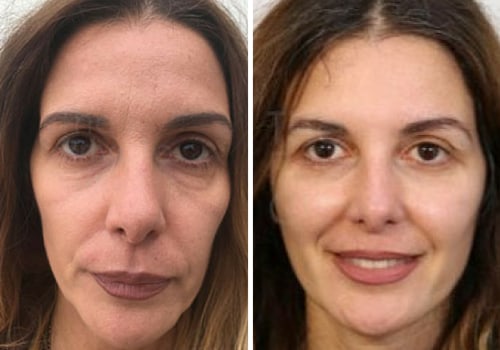
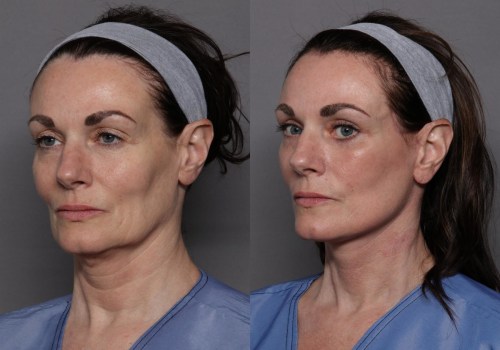
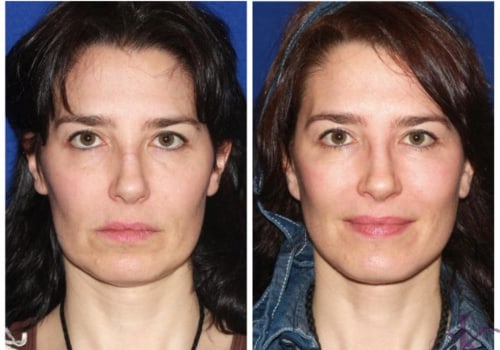
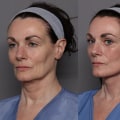
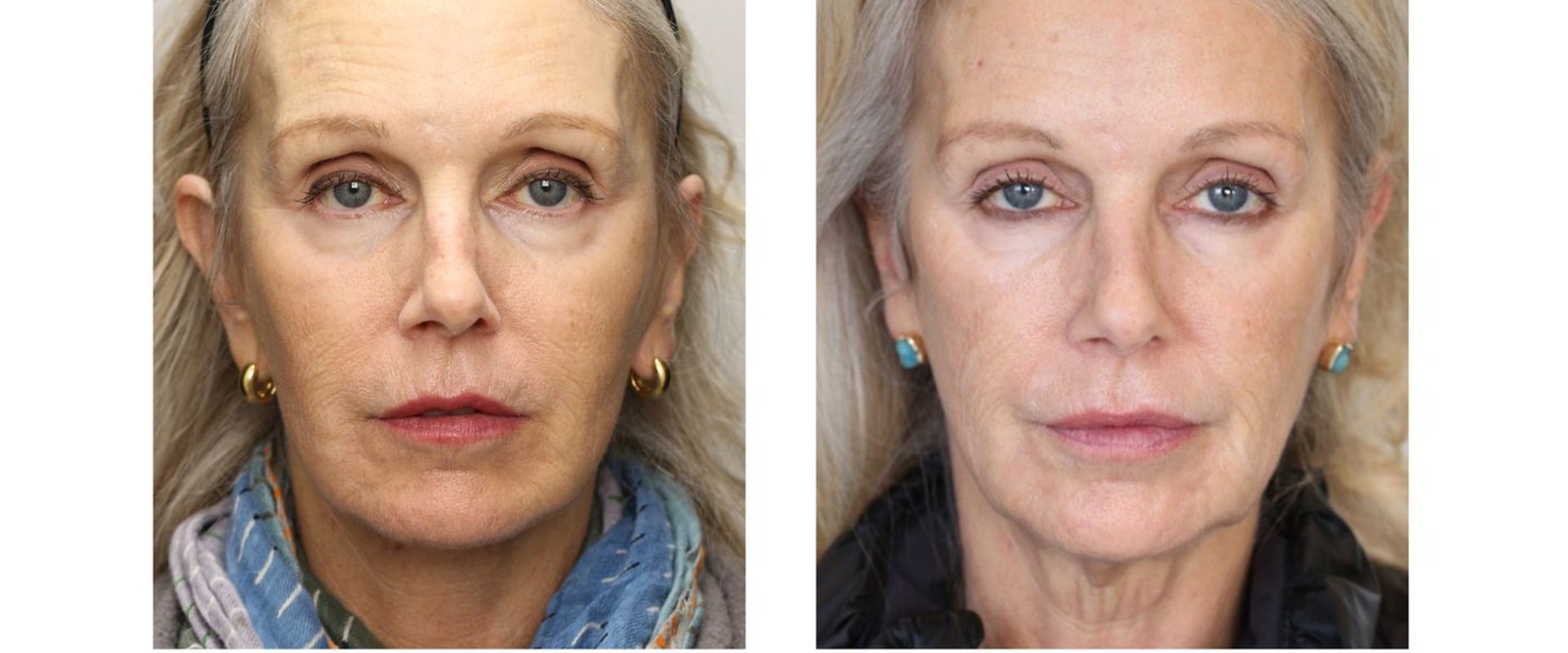
When considering a facelift, many potential patients find comfort and inspiration in the stories of those who have undergone the procedure.Real patient experiences can provide invaluable insights into the transformative effects of a facelift, showcasing not only the physical changes but also the emotional and psychological benefits that accompany such a decision.One compelling story comes from Sarah , a 52-year-old marketing executive who felt increasingly self-conscious about her appearance. After years of sun exposure and the natural aging process, Sarah noticed significant sagging around her jawline and deepening nasolabial folds. After extensive research and consultations with several surgeons, she decided to proceed with a facelift. In her before-and-after photos, the difference is striking; Sarah appears rejuvenated, with a more defined jawline and smoother skin.
She shares, "I feel like I’ve regained my confidence. I can’t believe how much younger I look and feel!"Another inspiring account is that of James , a 47-year-old father of two who wanted to refresh his appearance before his daughter’s wedding. He had tried various non-invasive treatments but found them insufficient for his needs. After opting for a mini facelift, James was thrilled with the results.
His friends and family remarked on how vibrant he looked, and he felt more energetic than ever. "It’s not just about looking younger; it’s about feeling good in my own skin again," he explains.These stories highlight the diverse motivations behind choosing a facelift, from personal confidence to significant life events. Many patients report feeling revitalised not just in their appearance but also in their overall outlook on life.Moreover, it’s essential to note that while the physical transformation is often dramatic, the emotional journey can be equally profound. Patients frequently express feelings of empowerment and renewed self-esteem post-surgery.
Linda , a 60-year-old retiree, states, "I didn’t just want to look younger; I wanted to feel like myself again. The facelift gave me that back." Her before-and-after images reveal a remarkable change; her smile appears brighter, and her eyes more open, reflecting her newfound joy.In conclusion, real patient experiences serve as powerful testimonials to the potential of facelifts to enhance not only physical appearance but also emotional well-being. For anyone contemplating this procedure, these stories can provide hope and clarity about what to expect on their journey towards rejuvenation.
Conclusion: Is a Facelift Worth It?
In conclusion, the question of whether a facelift is worth it ultimately hinges on individual circumstances and expectations. A facelift can indeed provide significant aesthetic benefits, often making individuals appear 10 to 15 years younger by addressing common signs of aging such as sagging skin, deep wrinkles, and loss of facial volume.However, it is essential to weigh these potential benefits against various factors.
Understanding Personal Goals
Before deciding on a facelift, it is crucial to reflect on your personal goals. Are you seeking a dramatic transformation, or are you looking for subtle enhancements? Understanding what you hope to achieve can guide your decision-making process and help you communicate effectively with your surgeon.
Age and Timing
The timing of a facelift can significantly influence the results. Many experts suggest that undergoing the procedure at a younger age may yield more natural-looking results and longer-lasting effects. If you are in your 40s or early 50s, you might find that a facelift complements your overall appearance better than if you wait until later in life.
Financial Considerations
A facelift is a considerable financial investment.
It is essential to consider not only the cost of the surgery itself but also potential follow-up treatments that may be necessary to maintain results over time. Patients should evaluate their budget and determine if they are prepared for the financial commitment involved.
Health and Recovery
Another critical aspect to consider is your overall health and the recovery process. While many patients recover well from facelifts, it is vital to be aware of the potential risks and complications associated with surgery. Consulting with a qualified surgeon can provide insights into what to expect during recovery and help you assess whether you are ready for the procedure.
Long-Term Maintenance
Even after a successful facelift, maintaining youthful results requires ongoing care.
Factors such as sun exposure, smoking, and lifestyle choices can impact how long the results last. A diligent skincare routine and regular touch-ups with non-invasive treatments may be necessary to preserve your new look.Ultimately, a facelift can be a worthwhile investment for those seeking to rejuvenate their appearance and boost their confidence. However, it is essential to approach this decision thoughtfully, considering all aspects of the procedure and how they align with your personal circumstances.