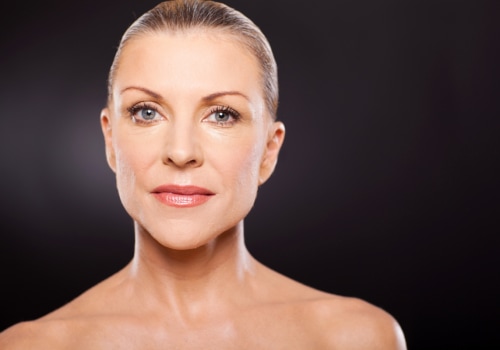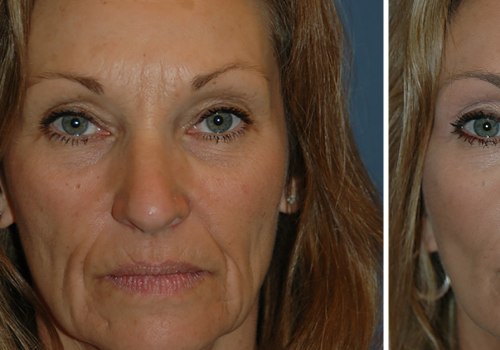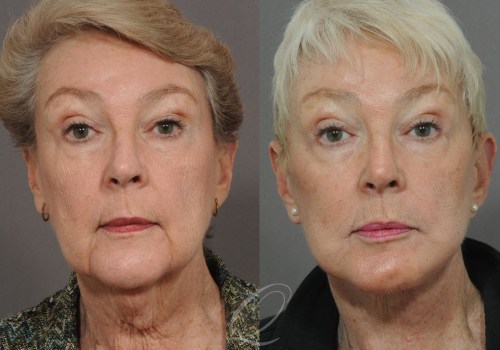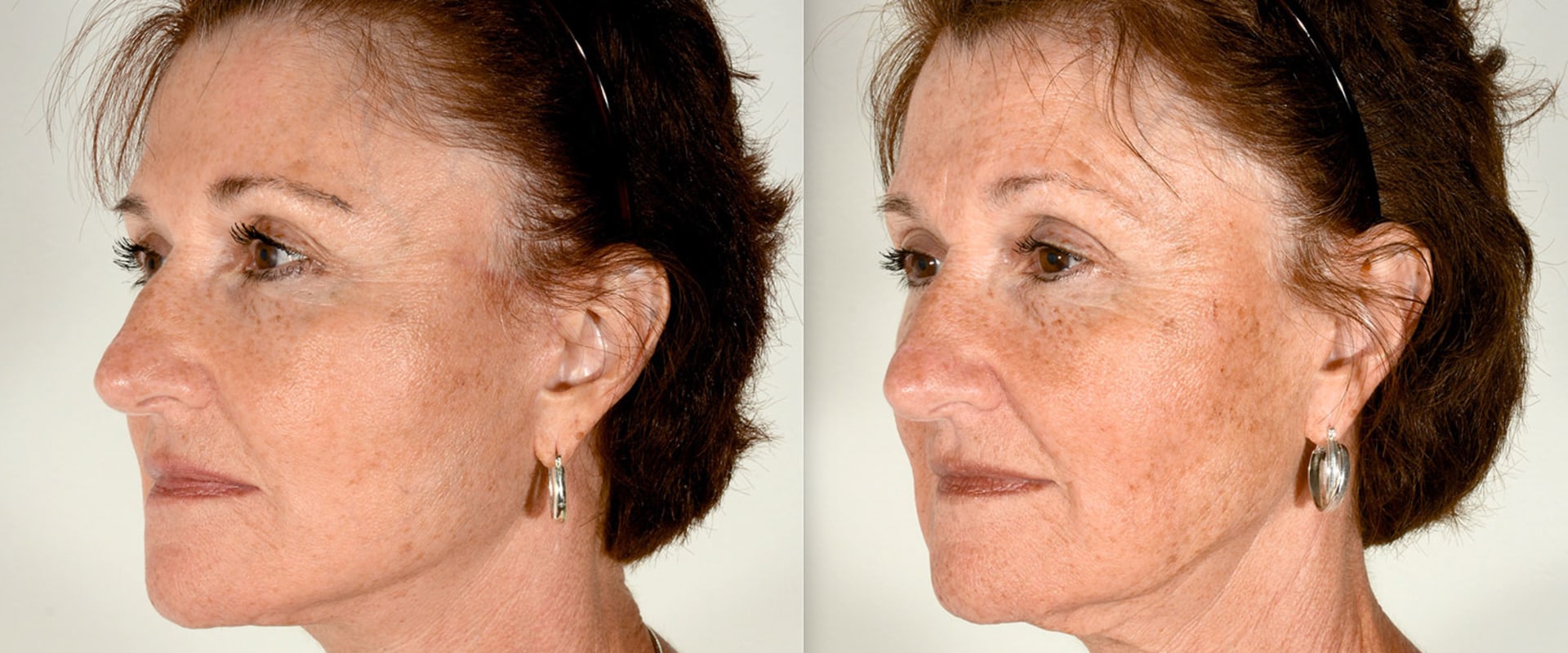
A facelift, or rhytidectomy, is a popular cosmetic procedure designed to rejuvenate the face by addressing signs of aging such as sagging skin, deep creases, and loss of volume. As individuals consider this transformative option, a common concern arises: will people notice my facelift? This question often reflects deeper anxieties about how changes in appearance might affect personal relationships and social interactions. Understanding the nuances of a facelift can help alleviate these concerns and empower individuals to make informed decisions.One of the most appealing aspects of a well-executed facelift is its potential for subtlety. Unlike more dramatic procedures, a facelift can yield results that enhance one’s natural beauty without drawing undue attention.
Many patients find that their friends and family may not pinpoint the exact cause of their refreshed appearance; instead, they might simply comment on how well they look. This phenomenon underscores the importance of choosing a skilled surgeon who understands the delicate balance between enhancement and maintaining individuality.Moreover, the emotional journey accompanying a facelift is just as significant as the physical transformation. For many, this procedure represents not only a desire to look younger but also an opportunity to boost self-esteem and confidence. The recovery process plays a crucial role in this experience; understanding what to expect during healing can help manage expectations and reduce anxiety about how others will perceive the changes.
Ultimately, a successful facelift should leave individuals feeling revitalised and empowered, ready to embrace their new look with pride.
What is a Facelift?
A facelift, medically known as rhytidectomy, is a cosmetic surgical procedure designed to improve the visible signs of aging in the face and neck. As we age, our skin loses elasticity, leading to sagging and the formation of wrinkles. A facelift aims to restore a more youthful appearance by tightening the underlying muscles and removing excess skin.There are several types of facelifts, each tailored to address specific concerns and achieve different results:- Traditional Facelift: This is the most common type, involving incisions around the hairline and extending down in front of the ear. It allows for significant lifting of the skin and underlying tissues, making it ideal for those with moderate to severe sagging.
- Mini Facelift: A less invasive option, this procedure uses shorter incisions and is suitable for individuals with early signs of aging.
It provides subtle improvements and requires less recovery time.
- Mid-Facelift: Focused on the middle section of the face, this technique lifts the cheeks and smooths nasolabial folds. It is often performed through small incisions inside the mouth or at the hairline.
- Neck Lift: While not a facelift in the traditional sense, a neck lift is often performed alongside a facelift to address sagging skin and fat deposits in the neck area, enhancing overall facial harmony.
The Subtle Nature of Facelifts
When considering a facelift, many individuals are concerned about how noticeable the results will be.The good news is that a well-executed facelift can yield subtle results that enhance your natural beauty without drawing undue attention. This is largely dependent on the skill and artistry of the surgeon performing the procedure.A facelift, or rhytidectomy, is designed to address signs of aging by tightening the skin and underlying tissues of the face. However, the goal is not to create a dramatically different appearance but rather to restore a youthful look that feels organic. A skilled surgeon understands the delicate balance between rejuvenation and maintaining your unique facial characteristics.One of the key aspects of achieving a natural facelift appearance lies in the technique used during surgery.
There are various methods available, including traditional facelifts, mini facelifts, and non-surgical options like fillers and Botox. Each approach has its own advantages and can be tailored to meet individual needs.
- Traditional Facelift: This method involves making incisions around the ears and hairline to lift and tighten the skin. When performed by an experienced surgeon, the results can be remarkably subtle.
- Mini Facelift: A less invasive option that targets specific areas of the face, such as the jowls or neck, providing a refreshed look without extensive downtime.
- Non-Surgical Options: Treatments like dermal fillers or laser therapy can enhance facial contours without surgery, offering a temporary solution for those hesitant about more invasive procedures.
During consultations, potential patients should discuss their aesthetic goals and concerns openly, allowing the surgeon to recommend the most suitable approach.Ultimately, while some may notice a change in your appearance post-surgery, many will simply perceive you as looking more refreshed and vibrant. The aim is to enhance your features subtly so that you feel confident in your skin without feeling like you’ve undergone a dramatic transformation. With careful planning and execution, a facelift can indeed be a transformative experience that leaves you looking as youthful as you feel.
Factors Influencing Perception of Change
When considering a facelift, one of the most pressing concerns for many individuals is whether those around them will notice the changes. The perception of a facelift can vary significantly based on several factors, including age, social circles, and personal expectations.Age
plays a crucial role in how noticeable a facelift may be.
Younger individuals often have more elastic skin, which can lead to more subtle results post-surgery. In contrast, older patients may experience more dramatic changes due to the extent of sagging skin and deeper wrinkles. As a result, friends and family might be more likely to notice significant alterations in older individuals compared to their younger counterparts. Additionally, societal norms regarding aging can influence perceptions; younger people may be expected to maintain a certain appearance, while older adults might be more readily accepted for seeking rejuvenation.
Social Circles
also impact how noticeable a facelift is perceived to be.
Close friends and family members are often more attuned to subtle changes in appearance due to their familiarity with an individual’s typical look. They may notice slight differences that others might overlook. Conversely, acquaintances or colleagues who see you less frequently may not detect the changes as readily. This dynamic can create a sense of comfort for those undergoing surgery, as they may feel less pressure from casual observers.
Personal Expectations
are another significant factor influencing perception.
Individuals who undergo a facelift often have specific goals in mind regarding their appearance. If these expectations are realistic and align with the results achieved, they are less likely to feel self-conscious about their new look. However, if someone anticipates a dramatic transformation and the results are subtler than expected, they may perceive their appearance as more noticeable than it truly is. This internal dialogue can affect how they interact with others post-surgery.Ultimately, the question of whether people will notice your facelift is subjective and influenced by various factors.
Understanding these elements can help set realistic expectations and ease concerns about how your appearance will be perceived after surgery.
Choosing the Right Surgeon for Discreet Results
When considering a facelift, one of the most critical decisions you will make is selecting the right plastic surgeon. The expertise and qualifications of your surgeon can significantly influence not only the outcome of your procedure but also how discreetly those results are perceived by others.Researching Qualifications
Start by looking for a surgeon who is board-certified in plastic surgery. This certification indicates that the surgeon has undergone rigorous training and adheres to high standards of practice. You can verify their credentials through professional organisations such as the British Association of Aesthetic Plastic Surgeons (BAAPS) or the General Medical Council (GMC).
Experience Matters
Experience plays a vital role in achieving natural-looking results.
Seek out a surgeon who has extensive experience specifically in performing facelifts. Ask about their track record, including the number of procedures they have completed and their success rates. A seasoned surgeon will be familiar with various techniques and can tailor the procedure to your unique facial structure.
Consultation Process
The initial consultation is an opportunity to gauge the surgeon's approach and philosophy. During this meeting, discuss your goals and concerns openly.
A reputable surgeon will take the time to listen to your desires and provide honest feedback about what is achievable. They should also explain the procedure in detail, including potential risks and recovery expectations.
Before-and-After Photos
Request to see before-and-after photos of previous patients who have undergone similar procedures. This visual evidence can give you insight into the surgeon's aesthetic style and help you determine if their results align with your expectations.
Patient Reviews and Testimonials
Reading reviews from past patients can provide valuable information about their experiences. Look for testimonials that highlight not only the surgical outcomes but also the overall patient care provided by the surgeon and their staff.
Positive feedback regarding post-operative support can be particularly telling.
Trust Your Instincts
Ultimately, trust your instincts when choosing a surgeon. You should feel comfortable and confident in their abilities. If something feels off during your consultation or if you feel rushed, it may be worth seeking a second opinion.By taking the time to choose a qualified and experienced plastic surgeon, you increase your chances of achieving a facelift that looks natural and discreet, allowing you to enjoy your rejuvenated appearance without drawing unwanted attention.
Recovery and Aftercare: Minimising Noticeability
Recovering from a facelift is a crucial phase that significantly impacts the final results of your surgery. Proper aftercare not only aids in healing but also helps to minimise any visible signs of surgery, ensuring that your transformation appears as natural as possible.One of the primary concerns post-surgery is swelling.It’s common to experience some degree of swelling around the face and neck area following a facelift. To help reduce this, consider the following tips:
- Keep Your Head Elevated: For the first few days after surgery, sleep with your head elevated using extra pillows. This position can help reduce swelling by allowing fluids to drain away from the surgical site.
- Cold Compresses: Applying cold compresses gently to the swollen areas can provide relief and help minimise swelling. Be sure to wrap ice packs in a cloth to avoid direct contact with your skin.
- Avoid Strenuous Activities: Refrain from engaging in heavy exercise or strenuous activities for at least two weeks post-surgery.
Physical exertion can increase blood flow and exacerbate swelling.
- Follow Your Surgeon’s Instructions: Your surgeon will provide specific aftercare guidelines tailored to your needs. Adhering to these instructions is vital for a smooth recovery.
- Stay Hydrated: Drinking plenty of water aids in healing and helps flush out toxins from your body. Proper hydration can also assist in reducing swelling.
- Avoid Smoking and Alcohol: Both smoking and alcohol can hinder the healing process.
It’s advisable to avoid these substances for at least a few weeks post-surgery.
Psychological Aspects: How You Feel Post-Surgery
Undergoing a facelift can be a significant turning point in an individual's life, not just physically but also psychologically. The emotional impact of such a procedure can vary widely from person to person, influenced by factors such as personal expectations, societal pressures, and individual self-esteem.Many individuals report feeling a surge of confidence following their facelift.This newfound self-assurance often stems from the satisfaction of achieving a more youthful appearance, which can lead to enhanced social interactions and improved relationships. However, it is essential to acknowledge that this boost in self-esteem may not be universal. Some people might experience mixed feelings or even regret if their expectations were not met.
Understanding Emotional Responses
The emotional responses to a facelift can be complex. Initially, patients may feel excitement and anticipation as they await the results of their surgery.However, this can quickly shift to anxiety or insecurity during the recovery phase, especially when faced with swelling or bruising that may obscure the final outcome. It is crucial for individuals to understand that these feelings are normal and often temporary.Moreover, the psychological effects of a facelift can extend beyond the individual. Friends and family may notice changes in behaviour or mood, which can lead to discussions about the surgery itself. Some individuals may feel uncomfortable discussing their decision to undergo surgery, while others may embrace it as a positive change in their lives.
Long-Term Psychological Effects
In the long term, many patients find that their facelift has positively influenced their self-image and overall mental health.A study published in the Aesthetic Surgery Journal found that individuals who underwent facial rejuvenation procedures reported higher levels of satisfaction with their appearance and improved quality of life. This suggests that when performed by skilled professionals, facelifts can lead to lasting psychological benefits.However, it is essential for potential patients to engage in thorough research and realistic goal-setting before undergoing surgery. Consulting with mental health professionals or support groups can provide valuable insights into managing expectations and preparing for the emotional journey ahead.Ultimately, while a facelift can enhance physical appearance, its true value lies in its ability to foster a positive self-image and boost confidence. Understanding the psychological aspects of this transformation is vital for anyone considering this life-changing procedure.
Common Misconceptions About Facelifts
When considering a facelift, it’s essential to separate fact from fiction.Numerous misconceptions surround this popular cosmetic procedure, which can lead to unnecessary anxiety and confusion. Here, we will debunk some of the most common myths about facelifts to provide a clearer understanding of what to expect.
- Myth 1: Facelifts make you look unnatural. Many people fear that a facelift will result in an exaggerated or "plastic" appearance. However, when performed by a skilled surgeon, a facelift can yield remarkably natural results. The goal is to enhance your features while maintaining your unique identity.
- Myth 2: Only older people get facelifts. While it’s true that many facelift patients are older, younger individuals are increasingly opting for the procedure as a preventive measure.
A facelift can help combat early signs of aging, making it suitable for various age groups.
- Myth 3: Recovery is extremely painful and long. Although recovery varies from person to person, many patients report manageable discomfort and a relatively quick return to normal activities. Following your surgeon's post-operative care instructions can significantly ease the recovery process.
- Myth 4: Facelifts are only for women. This misconception is outdated. Men are increasingly seeking facelifts to achieve a more youthful appearance and boost their confidence. The procedure is designed to cater to individual needs, regardless of gender.
- Myth 5: A facelift eliminates all signs of aging. While a facelift can significantly improve sagging skin and wrinkles, it does not stop the aging process.
Patients should have realistic expectations and understand that maintenance treatments may be necessary in the future.
Real-Life Experiences: Stories from Facelift Patients
Many individuals considering a facelift often seek reassurance from the experiences of others who have undergone the procedure. Real-life stories can provide valuable insights into the emotional and social aspects of having a facelift, particularly regarding how noticeable the changes are to friends and family.One patient, Sarah , shared her journey of transformation. After years of feeling self-conscious about sagging skin, she decided to undergo a facelift."I was nervous about how my friends would react," she admitted. However, after the procedure, she found that most people simply commented on how refreshed she looked rather than suspecting any surgical intervention. "It was as if they could see the glow of confidence rather than the signs of surgery," she noted.Another individual, James , had a different experience. He was open about his decision to have a facelift and shared his journey on social media.
"I wanted to normalise discussions around cosmetic surgery," he explained. While some friends were supportive, he did encounter a few who were surprised by the change in his appearance. "They noticed something was different but couldn’t quite put their finger on it," he said, highlighting that the subtlety of the results often leads to curiosity rather than outright recognition.In contrast, Linda , who opted for a facelift after significant weight loss, faced mixed reactions. "Some people thought I looked amazing, while others were more critical," she recounted.
Linda emphasised that her decision was primarily for herself and not for public approval. "At the end of the day, it’s about how you feel in your skin," she stated, reinforcing that personal satisfaction often outweighs external opinions.These testimonials illustrate that while some may notice a change in appearance post-facelift, many do not immediately associate it with surgery. Instead, they often perceive an overall enhancement in vitality and youthfulness. The key takeaway from these experiences is that a well-executed facelift can lead to positive perceptions without drawing attention to the fact that surgery has taken place.Ultimately, whether or not people notice your facelift can depend on various factors including the skill of the surgeon, the extent of the procedure, and individual perceptions of beauty.
As these stories show, many patients find that their newfound confidence shines through more than any physical changes they may have undergone.
<strong>Conclusion</strong>: Embracing Change with Confidence
In conclusion, the question of whether people will notice that you have had a facelift is multifaceted and deeply personal. While some individuals may indeed observe changes in your appearance, it is essential to remember that perception is influenced by various factors, including the skill of your surgeon, the extent of the procedure, and your own emotional readiness to embrace these changes.Many people find that a well-executed facelift can yield results that are both natural-looking and rejuvenating. When performed by a qualified and experienced plastic surgeon, the enhancements can be subtle enough that even close friends and family may not pinpoint the exact cause of your refreshed appearance. Instead, they might simply comment on how well you look or how vibrant you seem.Moreover, societal attitudes towards cosmetic surgery are evolving.There is a growing acceptance of aesthetic procedures, with many individuals openly discussing their experiences. This shift in perspective can alleviate some of the anxiety surrounding the fear of being judged or scrutinised after surgery. Embracing your decision to undergo a facelift can empower you to feel more confident in your skin.It is also important to consider that everyone’s journey is unique. Some may experience a significant transformation that prompts questions from others, while for others, the changes may be so subtle that they go unnoticed.
Ultimately, what matters most is how you feel about yourself post-surgery. If you feel rejuvenated and confident, this positive energy will radiate outward, often overshadowing any concerns about others' perceptions.As you move forward, focus on celebrating your decision and the new chapter it represents in your life. Embrace the change with confidence, knowing that you have taken a step towards enhancing not just your appearance but also your self-esteem and overall well-being.