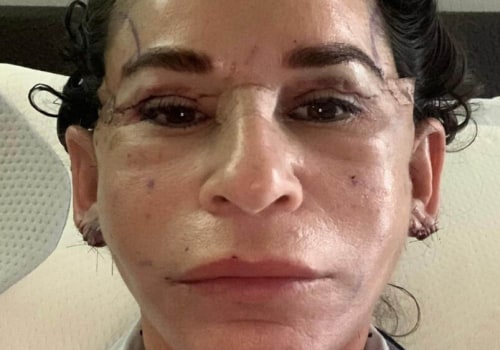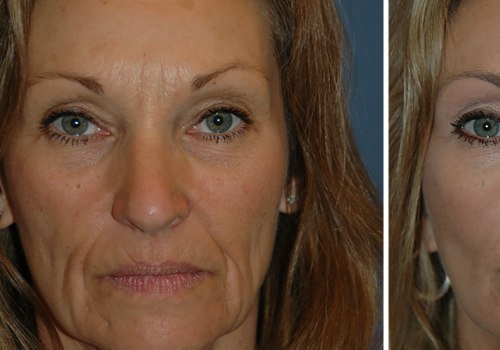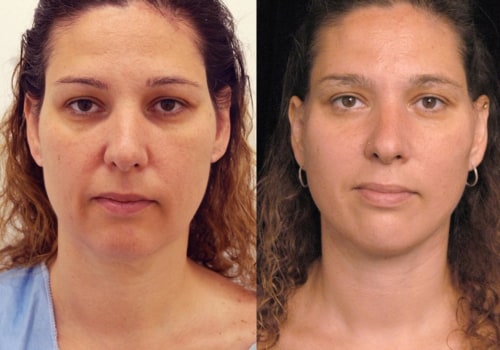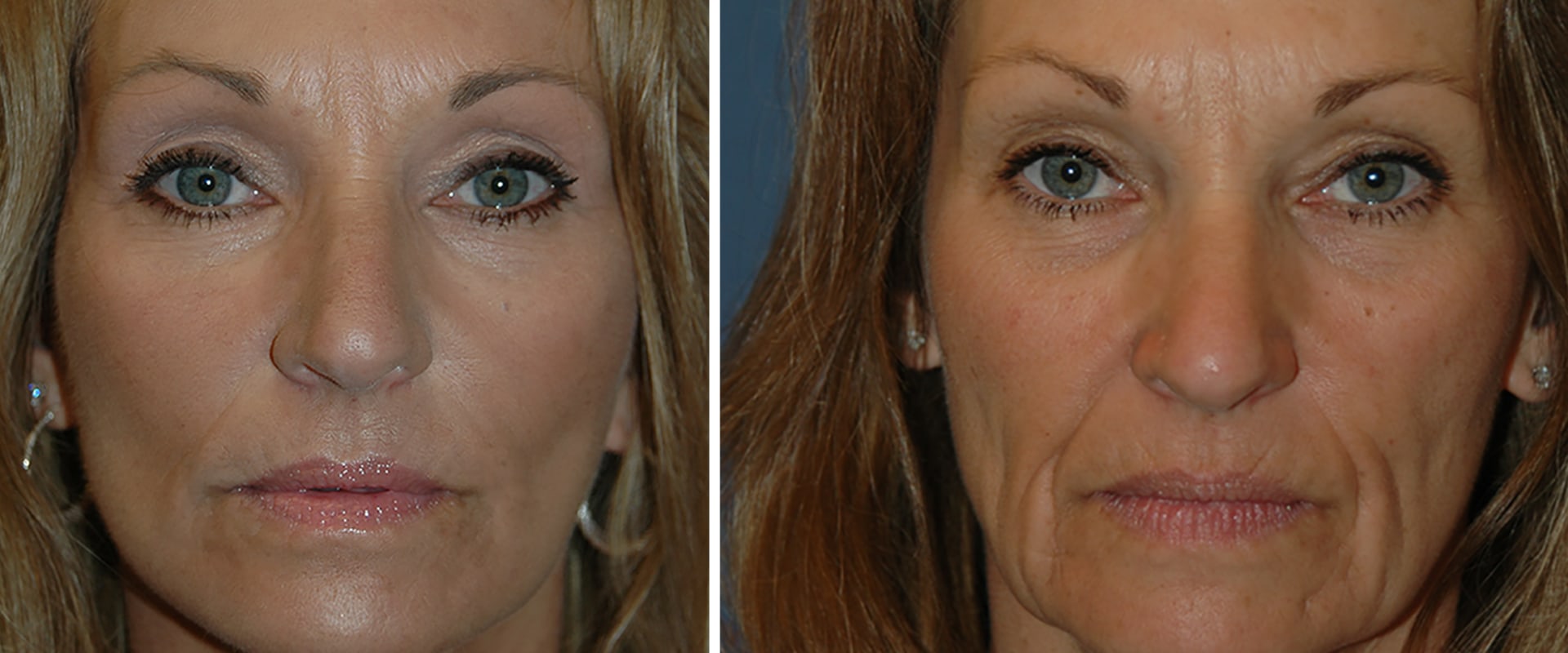
Undergoing a facelift is a significant decision that many individuals make to rejuvenate their appearance and boost their self-confidence. However, the journey does not end once the surgical procedure is completed. Understanding the recovery process, particularly the return of sensation in the facial area, is crucial for anyone considering this transformative surgery. The recovery phase can be both exciting and daunting, as patients often wonder how long it will take to feel normal again and what sensations they might experience during this time.After a facelift, it is common for patients to experience varying degrees of numbness or altered sensation in the treated areas.
This can be attributed to the surgical techniques used, which may involve incisions and manipulation of underlying tissues. While some patients may regain feeling relatively quickly, others might find that it takes several weeks or even months for normal sensation to return. Factors such as individual healing rates, the extent of the surgery, and adherence to post-operative care instructions can all influence this timeline.As you embark on your recovery journey, it is essential to remain patient and informed about what to expect. The initial days following surgery may be marked by swelling and bruising, which can obscure your perception of sensation in your face.
Over time, as these symptoms subside, you will begin to notice gradual improvements in feeling. Understanding this process not only helps manage expectations but also empowers you to take proactive steps towards a smooth recovery.In the following sections, we will delve deeper into the specific timelines for sensation return after a facelift, explore common experiences during recovery, and provide tips on how to support your healing process effectively. By equipping yourself with knowledge about facelift recovery, you can approach your post-operative journey with confidence and clarity.
What is a Facelift?
A facelift, medically known as rhytidectomy, is a cosmetic surgical procedure designed to improve the visible signs of aging in the face and neck. This procedure primarily targets sagging skin, deep creases, and loss of muscle tone, which can occur due to factors such as genetics, sun exposure, and lifestyle choices.By repositioning underlying tissues and removing excess skin, a facelift can restore a more youthful appearance.There are several types of facelifts, each tailored to address specific concerns and achieve different results:
- Traditional Facelift: This is the most common type, involving incisions around the hairline and extending down in front of the ear. It allows for significant lifting of the skin and underlying tissues.
- Mini Facelift: A less invasive option that requires shorter incisions. It is ideal for individuals with mild to moderate sagging and offers a quicker recovery time.
- Mid-Facelift: Focused on the middle section of the face, this technique lifts the cheeks and smooths nasolabial folds. It is often performed through small incisions inside the mouth or at the lower eyelids.
- Neck Lift: Often performed in conjunction with a facelift, this procedure targets sagging skin and fat deposits in the neck area, providing a more harmonious overall appearance.
Understanding these options is crucial for anyone considering surgery, as it helps set realistic expectations regarding recovery and results.After undergoing a facelift, patients may experience changes in sensation due to nerve manipulation during surgery. This can lead to temporary numbness or altered sensitivity in areas affected by the procedure. Knowing what a facelift entails not only prepares individuals for their journey but also sheds light on why sensation changes occur post-surgery.
The Healing Process After a Facelift
Undergoing a facelift is a significant decision, and understanding the healing process is crucial for managing expectations. The recovery timeline can vary from person to person, but there are general stages that most patients will experience.Immediately after the surgery, patients can expect some degree of swelling and bruising.This is a normal part of the healing process as your body responds to the surgical trauma. Typically, the most noticeable swelling occurs within the first 48 hours post-operation. During this time, it is essential to rest and keep your head elevated to help reduce swelling.
First Week: Initial Recovery
In the first week following your facelift, you may experience discomfort, which can be managed with prescribed pain medication. Most patients find that they can return to light activities around the house within a couple of days, although strenuous activities should be avoided.By the end of this week, many individuals feel comfortable enough to remove their bandages and may notice a significant reduction in swelling and bruising.
Two Weeks Post-Surgery: Resuming Normal Activities
By the two-week mark, many patients are ready to return to work and social engagements. While some residual bruising may still be visible, it often can be concealed with makeup. At this stage, you might also begin to notice improvements in your facial contours as swelling continues to subside.One Month: Sensation Returns
Approximately one month after surgery, most patients report a return of sensation in their skin, although some areas may still feel slightly numb. This is due to nerve regeneration, which can take time.It’s important to remember that while visible signs of surgery may diminish significantly by this point, complete healing continues.
Three to Six Months: Continued Improvement
As you progress into the three to six-month range post-facelift, you will likely notice ongoing improvements in your appearance. The final results of your facelift will become more apparent as any lingering swelling resolves and your skin adjusts to its new position. During this period, it’s crucial to follow your surgeon's aftercare instructions diligently.Up to One Year: Final Results
The full effects of a facelift typically become evident within 12 months after surgery. By this time, any minor residual swelling or stiffness should have resolved completely.Your skin will have settled into its new contours, providing you with a rejuvenated appearance that reflects your desired outcome.In summary, while the facelift healing process involves several stages—from initial recovery through to full results—understanding what to expect can help ease anxiety and promote a smoother recovery experience.
When Does Sensation Return After a Facelift?
After undergoing a facelift, many patients are understandably concerned about the timeline for the return of sensation in their facial area. The recovery process can vary significantly from one individual to another, influenced by several factors including the extent of the surgery, individual healing capabilities, and adherence to post-operative care instructions.Typically, patients may experience some degree of numbness in the areas surrounding the surgical incisions. This sensation is often likened to the feeling of a limb that has fallen asleep. It is important to note that this numbness is usually temporary and should gradually improve over time.In general, most patients begin to notice a return of sensation within a few weeks following their facelift.However, it can take several months for full sensitivity to be restored. Here’s a rough timeline of what you might expect:
- First Week: During the initial week post-surgery, swelling and bruising are at their peak. Numbness is common, particularly around incision sites.
- Two to Four Weeks: As swelling subsides, many patients report a gradual return of feeling in their skin. However, some areas may still feel numb or tingly.
- One to Three Months: By this stage, most individuals will experience significant improvement in sensation.
The majority of numbness should have resolved, although some residual tingling may persist.
- Six Months to One Year: For many patients, full sensation returns within six months. However, it can take up to a year for complete healing and restoration of feeling in all areas affected by the surgery.
They can provide reassurance and guidance tailored to your specific situation.Ultimately, while the journey to regaining full sensation after a facelift may require patience, understanding the typical recovery timeline can help alleviate anxiety and set realistic expectations for your healing process.
Factors Influencing Sensation Recovery
Recovering sensation after a facelift is a multifaceted process influenced by several key factors. Understanding these elements can empower patients to navigate their recovery journey with greater awareness and preparedness.- Extent of Surgical Intervention: The complexity of the facelift procedure plays a significant role in sensation recovery. More extensive surgeries that involve deeper tissue manipulation or multiple incisions may lead to greater nerve disruption, resulting in prolonged numbness or altered sensation. Conversely, less invasive techniques may facilitate quicker recovery of feeling.
- Nerve Damage: During a facelift, some degree of nerve damage is often unavoidable, particularly around the incision sites.
This damage can lead to temporary or, in rare cases, permanent changes in sensation. The body’s ability to heal and regenerate nerve tissue varies among individuals, which can affect how quickly sensation returns.
- Individual Healing Factors: Each patient’s unique physiology significantly impacts recovery. Factors such as age, overall health, and pre-existing medical conditions can influence the healing process. Younger patients generally experience faster recovery times due to better blood circulation and cellular regeneration capabilities.
- Postoperative Care: Adhering to postoperative care instructions provided by the surgeon is crucial for optimal recovery.
Patients who follow guidelines regarding activity levels, wound care, and medication management often report better outcomes in terms of sensation return. Engaging in gentle movements and avoiding strain on the surgical area can promote healing.
- Genetic Factors: Genetic predispositions can also play a role in how individuals respond to surgery and heal. Some people may have a genetic makeup that allows for quicker nerve regeneration, while others may experience slower recovery due to inherited traits affecting healing processes.
- Psychological Factors: Mental well-being can influence physical recovery. Patients who maintain a positive outlook and manage stress effectively often report smoother recoveries.
Anxiety or depression can hinder the healing process, making it essential for patients to seek support if needed.
Managing Discomfort and Numbness Post-Surgery
Recovering from a facelift can be a transformative experience, but it often comes with its share of discomfort and numbness. Understanding how to manage these sensations effectively is crucial for a smooth recovery. Here are some strategies to help you navigate this phase.1.Pain Management
After your facelift, your surgeon will likely prescribe pain relief medication to help manage any discomfort.
It’s important to take these medications as directed, especially in the first few days post-surgery when pain levels may be at their highest. Over-the-counter pain relievers, such as paracetamol or ibuprofen, can also be effective for mild discomfort once you have consulted with your healthcare provider.
2.Cold Compresses
Applying cold compresses to the surgical area can significantly reduce swelling and numbness. Use a clean cloth soaked in cold water or an ice pack wrapped in a towel, and apply it gently to the affected areas for 15-20 minutes at a time. This can help alleviate discomfort and promote healing.
3.Elevation
Keeping your head elevated while resting can also aid in reducing swelling and discomfort.
Use extra pillows or a wedge pillow to maintain an elevated position, especially during the first week after surgery.
4.Gentle Movement
While it’s essential to rest, gentle movement can help improve circulation and reduce stiffness. Short walks around your home can be beneficial, but avoid any strenuous activities or heavy lifting until your surgeon gives you the green light.
5.Numbness Management
Numbness is a common side effect following a facelift due to nerve irritation or damage during surgery. This sensation may take weeks or even months to resolve fully. To manage this:
- Be patient: Understand that numbness is often temporary and will gradually improve.
- Massage: Once cleared by your surgeon, gentle massage around the incision sites can stimulate blood flow and potentially aid in recovery.
- Avoid irritants: Keep the surgical area clean and avoid any products that may irritate the skin until fully healed.
6.Follow-Up Care
Your follow-up appointments are crucial for monitoring your recovery progress.
Be sure to attend all scheduled visits with your surgeon, as they will assess your healing and address any concerns regarding pain or numbness.In conclusion, managing discomfort and numbness after a facelift involves a combination of medication, self-care practices, and patience. By following these guidelines and maintaining open communication with your healthcare provider, you can enhance your recovery experience and look forward to enjoying the results of your surgery.
Common Concerns About Sensation Loss After Facelift
After undergoing a facelift, many patients express concerns regarding the loss of sensation in the facial area. This is a common experience, and understanding the reasons behind it can help alleviate anxiety.What causes numbness after a facelift?
Numbness typically arises from the surgical techniques employed during the procedure. Facelifts often involve incisions that may affect nearby nerves, leading to temporary or, in rare cases, prolonged numbness.
The extent of this sensation loss can vary significantly among individuals, depending on factors such as:
- The type of facelift performed: Different techniques may impact nerve endings differently.
- Individual healing processes: Each person's body responds uniquely to surgery.
- Pre-existing conditions: Conditions like diabetes or previous facial surgeries can influence recovery.
How long does numbness last?
While many patients notice a gradual return of sensation within a few months post-surgery, some may experience lingering numbness for up to a year. It is essential to remember that this timeline can vary widely. Most patients find that any residual numbness becomes less noticeable over time.
Is it normal to feel discomfort during recovery?
Yes, experiencing discomfort is entirely normal during the recovery phase. Patients often describe this sensation as similar to when a limb 'falls asleep.' Your surgeon will likely prescribe pain relief medication to manage any discomfort effectively.
Following post-operative care instructions diligently can also aid in minimising discomfort and promoting healing.
What should I do if I’m concerned about my recovery?
If you have concerns about your recovery or the sensation in your face, it is crucial to communicate with your surgeon. They can provide tailored advice and reassurance based on your specific situation. Regular follow-up appointments are also an excellent opportunity to discuss any worries you may have.In summary, while sensation loss after a facelift can be concerning, it is often temporary and part of the healing process. Understanding what to expect can help ease anxiety and allow you to focus on enjoying your rejuvenated appearance.
Long-Term Expectations: What to Know About Your Results
After undergoing a facelift, it is essential to have realistic expectations regarding the long-term results and the timeline for recovery.While many patients are eager to see the final outcome, it is crucial to understand that the healing process can be gradual and varies significantly from person to person.In the initial weeks following your facelift, you may notice some swelling and bruising, which are normal parts of the recovery process. As these symptoms subside, typically within the first month, you will begin to see improvements in your appearance. However, the final results of your facelift may not be fully visible for up to a year. This extended timeline is due to the skin's natural healing process and the way it adjusts after surgery.During this period, it is common for patients to experience fluctuations in sensation around the surgical sites.
Initially, you may feel numbness or a tingling sensation, akin to when a limb 'falls asleep.' This is often due to minor nerve damage that occurs during surgery. Over time, as your body heals, you can expect these sensations to gradually return. Most patients report a significant improvement in sensitivity within three to six months post-surgery.It is important to remain patient and allow your body the necessary time to heal. Factors such as age, skin type, and overall health can influence how quickly you recover and how your skin responds to the procedure.
Some individuals may notice lingering mild numbness or stiffness for several months, but these sensations typically diminish over time.To optimise your recovery and enhance your long-term results, adhere closely to your surgeon's post-operative care instructions. This may include avoiding strenuous activities for a specified period and attending follow-up appointments to monitor your progress. Additionally, maintaining a healthy lifestyle with proper nutrition and hydration can support your skin's healing process.Ultimately, while the journey towards achieving your desired look may require patience, many patients find that the long-term benefits of a facelift—such as improved facial contours and enhanced self-confidence—are well worth the wait.
Conclusion: Embracing Your New Look with Patience
In conclusion, the journey of recovery following a facelift is as much about patience as it is about the physical healing of your body. Understanding the timeline for regaining sensation and the overall healing process can significantly enhance your experience and expectations.As discussed, while many patients begin to notice a return of sensitivity within a few months, individual experiences can vary widely based on several factors, including the extent of the surgery and personal healing rates.It is essential to remember that numbness or altered sensation around incision sites is a common occurrence due to minor nerve damage during surgery. This sensation may feel similar to when a limb 'falls asleep' and can take time to resolve. Most patients find that any lingering numbness or stiffness diminishes significantly within the first year, allowing them to fully appreciate their rejuvenated appearance.Moreover, the final results of your facelift will not be immediately visible. It typically takes up to 12 months for the full effects of the surgery to manifest, as swelling subsides and skin elasticity improves.
During this period, it is crucial to follow your surgeon's post-operative care instructions diligently. This includes attending follow-up appointments and adhering to any prescribed medication regimens.As you navigate through your recovery, embrace the changes in your appearance with an open mind. The initial discomfort and uncertainty will soon give way to a renewed sense of confidence as you adapt to your new look. Remember that every individual's healing journey is unique; therefore, comparing your progress with others may not provide an accurate reflection of your own experience.Ultimately, patience is key.
By allowing yourself the necessary time to heal and adjusting your expectations accordingly, you can enjoy the transformative effects of your facelift. Celebrate each milestone in your recovery, no matter how small, and trust that with time, you will fully embrace your new look.