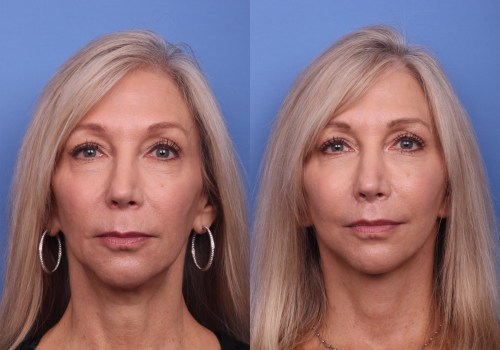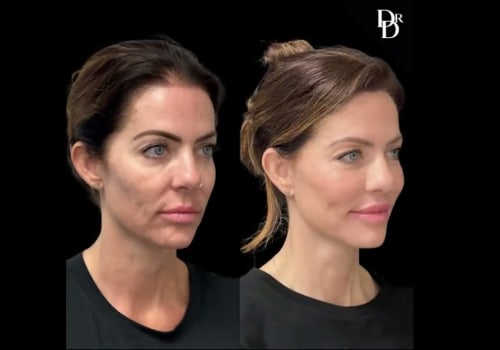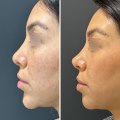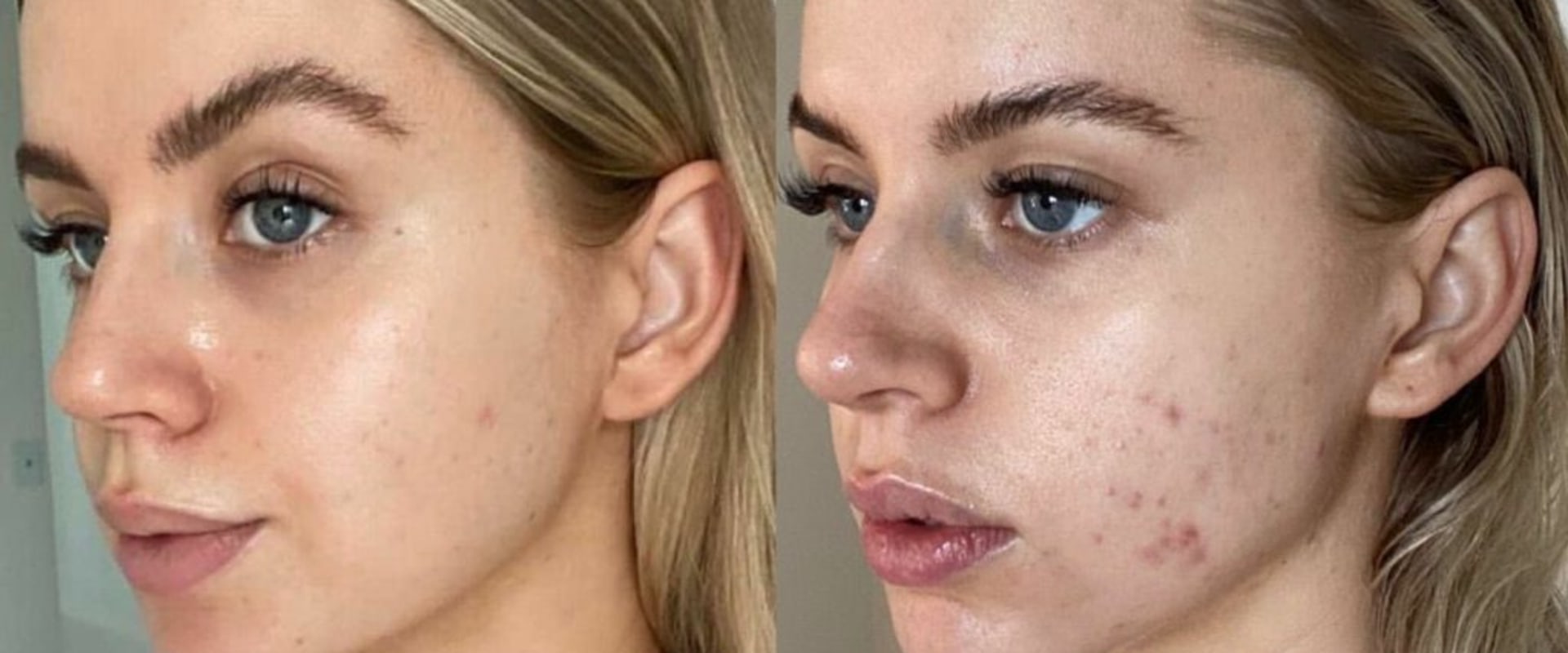
In the realm of cosmetic dermatology, face lifting treatments have emerged as a pivotal solution for individuals seeking to rejuvenate their appearance and restore youthful vitality. As we age, our skin naturally loses elasticity and firmness, leading to sagging and the formation of fine lines and wrinkles. This process can be exacerbated by factors such as sun exposure, lifestyle choices, and genetic predispositions. Consequently, many people turn to cosmetic procedures designed to combat these signs of aging, making face lifting treatments increasingly popular.The primary purpose of these treatments is to enhance facial contours, improve skin texture, and provide a more youthful appearance without the need for invasive surgical procedures.
With advancements in technology and techniques, a variety of options are now available that cater to different needs and preferences. From non-surgical alternatives like Ultherapy and EmFace to minimally invasive procedures such as PDO thread lifts , each treatment offers unique benefits tailored to individual aesthetic goals.Understanding the landscape of face lifting treatments is essential for anyone considering these options. Not only do they promise visible improvements in skin laxity and tone, but they also play a significant role in boosting self-confidence and enhancing overall well-being. As we delve deeper into the various types of face lifting treatments available today, it becomes clear that there is a solution for everyone, regardless of age or skin type.
This exploration will empower you to make informed decisions about your cosmetic journey.
Types of Face Lifting Treatments
When considering a face lift, it is essential to understand the various types of treatments available, which can be broadly categorised into surgical and non-surgical options. Each type has its unique benefits and drawbacks, making it crucial for individuals to assess their needs and expectations before proceeding.Surgical Face Lifts
Surgical face lifts, often referred to as rhytidectomy, involve invasive procedures that aim to remove excess skin and tighten underlying tissues. This method is typically recommended for individuals with significant sagging or loose skin. The primary advantages of surgical face lifts include:- Long-lasting results: Surgical face lifts can provide dramatic and enduring improvements, often lasting up to ten years or more.
- Comprehensive rejuvenation: These procedures can address multiple areas of concern, including the neck, jowls, and mid-face.
- Customisable options: Surgeons can tailor the procedure to meet individual aesthetic goals.
- Invasive nature: As a surgical procedure, it requires incisions, which can lead to scarring.
- Longer recovery time: Patients may need several weeks to fully recover, during which they may experience swelling and discomfort.
- Higher costs: Surgical options tend to be more expensive than non-surgical alternatives.
Non-Surgical Face Lifts
Non-surgical face lifts have gained popularity due to their minimal invasiveness and shorter recovery times.These treatments utilise various techniques such as injectables, radiofrequency, and ultrasound technology. Some common non-surgical options include:
- BOTOX: This injectable treatment temporarily relaxes facial muscles, reducing the appearance of fine lines and wrinkles.
- Dermal Fillers: Fillers restore volume to areas that have lost elasticity, providing a plumper appearance.
- Ultherapy: Utilising ultrasound energy, this treatment stimulates collagen production for a natural lifting effect.
- Morpheus8: A combination of microneedling and radiofrequency that tightens skin while improving texture.
- Minimal downtime: Most patients can return to their daily activities shortly after treatment.
- Lower risk of complications: With no incisions involved, the risk of scarring is significantly reduced.
- Affordability: Non-surgical options are generally more budget-friendly compared to surgical procedures.
Surgical Face Lifts: An Overview
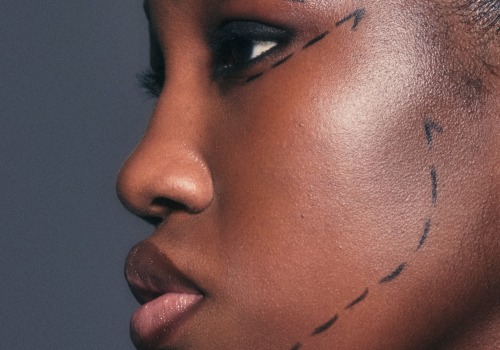
A surgical face lift, also known as rhytidectomy, is a cosmetic procedure designed to enhance the appearance of the face by tightening sagging skin and reducing the visible signs of aging. This procedure is particularly effective for individuals who have experienced significant skin laxity due to factors such as aging, genetics, or environmental influences.The surgical face lift typically involves making incisions around the ears and along the hairline, allowing the surgeon to access underlying tissues.Once the skin is lifted, excess fat may be removed or redistributed, and the underlying muscles can be tightened. The skin is then repositioned and sutured into place, resulting in a more youthful and rejuvenated appearance.
Recovery Time
Recovery from a surgical face lift varies from person to person but generally requires a commitment of time for optimal healing. Most patients can expect to spend about one to two weeks recovering at home. During this period, swelling and bruising are common, and patients are advised to rest and avoid strenuous activities.After approximately two weeks, many individuals feel comfortable returning to their normal routines; however, complete healing may take several months.It is essential to follow post-operative care instructions provided by your surgeon to ensure a smooth recovery process.
Expected Results
The results of a surgical face lift can be quite dramatic, with many patients noticing a significant improvement in facial contours and a reduction in wrinkles and sagging skin. The effects of the surgery can last anywhere from five to ten years, depending on individual factors such as skin type, age, and lifestyle choices.While the results are often long-lasting, it is important to note that the natural aging process will continue. Therefore, some individuals may choose to undergo additional treatments or maintenance procedures over time to preserve their youthful appearance.Potential Risks
As with any surgical procedure, there are potential risks associated with a face lift. These may include:- Infection: Although rare, infections can occur at the incision sites.
- Scarring: While surgeons aim to minimize visible scarring, some patients may experience noticeable scars.
- Nerve damage: Temporary or permanent nerve damage can lead to changes in sensation or facial movement.
- Anesthesia risks: Reactions to anesthesia can occur during surgery.
Non-Surgical Face Lifting Treatments
In recent years, the demand for non-surgical face lifting treatments has surged, as individuals seek effective ways to rejuvenate their appearance without the need for invasive procedures.Among the most popular options are Ultherapy, EmFace, and PDO thread lifts, each offering unique benefits tailored to different skin concerns and aesthetic goals.
Ultherapy
is a cutting-edge treatment that utilises microfocused ultrasound technology to stimulate collagen production deep within the skin. This non-invasive procedure is particularly effective for tightening and lifting sagging skin on the face, neck, and décolletage. By delivering ultrasound energy to specific layers of the skin, Ultherapy promotes natural healing processes, resulting in a firmer and more youthful appearance over time. Patients often appreciate that there is no downtime associated with this treatment, allowing them to return to their daily activities immediately after.
EmFace
, on the other hand, represents a revolutionary approach to facial rejuvenation.
This needleless treatment employs a combination of radio frequency (RF) energy and High-Intensity Focused Electromagnetic (HIFES) technology to lift and tone facial muscles while simultaneously reducing fine lines and wrinkles. The hands-free applicators used in EmFace ensure a comfortable experience, with many patients reporting visible improvements in skin texture and muscle tone after just one session. The absence of needles makes it an appealing option for those who may be apprehensive about traditional cosmetic procedures.
PDO thread lifts
offer another innovative solution for those seeking a non-surgical facelift. This technique involves the insertion of biocompatible threads into the skin, which provide an immediate lifting effect while also stimulating collagen production over time.
The threads dissolve naturally within six months, leaving behind firmer and rejuvenated skin. PDO thread lifts are particularly beneficial for individuals looking to address sagging skin or enhance facial contours without undergoing surgery.Each of these non-surgical treatments caters to different needs and preferences. Ultherapy is ideal for those seeking a comprehensive lift with minimal downtime, while EmFace offers a painless alternative focused on muscle toning and wrinkle reduction. Meanwhile, PDO thread lifts provide a more structural approach to facial rejuvenation.
Consulting with a qualified practitioner can help determine which treatment aligns best with individual aesthetic goals.
Ultherapy: The Non-Invasive Solution
Ultherapy has emerged as a leading choice for those seeking a non-invasive facelift solution, leveraging advanced ultrasound technology to stimulate collagen production deep within the skin. This innovative treatment is particularly effective for individuals experiencing skin laxity, sagging jowls, and fine lines, making it a versatile option for various skin concerns.The procedure utilises microfocused ultrasound with visualization (MFU-V), which allows practitioners to see the layers of tissue they are targeting. This precision ensures that the ultrasound energy is delivered exactly where it is needed, promoting natural lifting and tightening without damaging the surrounding skin. The treatment typically lasts between 30 to 90 minutes, depending on the areas being treated, and patients can often return to their daily activities immediately after.One of the standout features of Ultherapy is its ability to provide noticeable results without the need for surgical intervention.Many patients report seeing improvements in their skin's firmness and elasticity within a few months post-treatment, as collagen continues to regenerate over time. The effects can last up to a year or more, making it a cost-effective solution for long-term skin rejuvenation.Patient experiences with Ultherapy have been overwhelmingly positive. Many describe the sensation during treatment as a series of gentle pulses, which can be slightly uncomfortable but is generally well-tolerated. Post-treatment, some may experience mild redness or swelling, but these side effects typically resolve quickly.In addition to lifting and tightening the skin on the face and neck, Ultherapy is also effective for treating areas such as the décolletage.
This versatility makes it an appealing option for those looking to address multiple areas of concern in one go.Overall, Ultherapy stands out as a safe and effective non-invasive facelift alternative that harnesses the power of ultrasound technology. With its ability to deliver natural-looking results and minimal downtime, it continues to gain popularity among individuals seeking to enhance their appearance while maintaining a youthful glow.
EmFace: The Future of Facelifts
In the realm of non-surgical facelift treatments, EmFace stands out as a groundbreaking option that combines the power of radio frequency technology with innovative muscle toning techniques. This treatment is designed to address common signs of aging, such as fine lines, wrinkles, and sagging skin, while also enhancing the overall tone and structure of the facial muscles.One of the most remarkable features of EmFace is its use of synchronized radio frequency (RF) and High-Intensity Focused Electromagnetic (HIFES) energies. This dual-action approach not only heats the skin to stimulate collagen and elastin production but also targets the underlying muscles to improve their density and quality.As a result, patients experience a comprehensive rejuvenation that goes beyond surface-level improvements.
How EmFace Works
The treatment begins with the application of hands-free applicators that emit RF and HIFES energies simultaneously. The RF energy penetrates deep into the skin, promoting collagen synthesis and enhancing skin elasticity. Meanwhile, HIFES technology works to contract and tone facial muscles, effectively lifting and sculpting the face without any invasive procedures.This combination not only reduces the appearance of wrinkles but also provides a natural lift to the face, resulting in a more youthful and vibrant appearance. Patients often report feeling more confident as their skin looks smoother and more toned after just one session.Benefits of EmFace
- Painless Procedure: EmFace is completely non-invasive and painless, allowing patients to undergo treatment without discomfort.
- No Downtime: One of the most appealing aspects is that patients can return to their daily activities immediately after treatment.
- Visible Results: Many individuals notice significant improvements in their skin texture and muscle tone shortly after their first session.
- Long-lasting Effects: With continued treatments, results can be enhanced further, leading to sustained youthful appearance over time.
By effectively combining radio frequency technology with muscle toning capabilities, it offers a unique solution for those seeking to rejuvenate their appearance without the need for invasive surgery. As more individuals seek out effective yet gentle treatments for facial rejuvenation, EmFace is poised to become a leading choice in aesthetic medicine.
PDO Thread Lifts: A Minimally Invasive Option
The PDO thread lift is a revolutionary cosmetic procedure that offers a minimally invasive solution for those seeking to rejuvenate their facial appearance without the need for extensive surgery. This innovative technique utilises polydioxanone (PDO) threads, which are biocompatible and absorbable, to lift and tighten sagging skin, providing a more youthful contour.During the thread lifting procedure , a qualified practitioner inserts these threads into the subdermal layer of the skin using a fine needle. The threads create a supportive mesh that lifts the skin and stimulates collagen production, enhancing skin elasticity and firmness over time.The procedure typically takes about 30 to 60 minutes, depending on the areas being treated, and is performed under local anaesthesia to ensure patient comfort.One of the primary benefits of PDO thread lifts is their ability to provide immediate results. Patients often notice an instant lifting effect as soon as the threads are placed. However, the full benefits become more apparent in the weeks following treatment as collagen production increases, leading to improved skin texture and tone.In addition to lifting sagging skin, PDO thread lifts also offer significant advantages for skin rejuvenation. The threads stimulate the body’s natural healing response, promoting collagen and elastin production, which are essential for maintaining youthful skin.
As a result, patients can expect not only tighter skin but also a reduction in fine lines and wrinkles.Post-treatment, patients may experience mild swelling or bruising at the insertion sites, but these effects typically resolve within a few days. Most individuals can return to their normal activities shortly after the procedure, making it an appealing option for those with busy lifestyles.Overall, PDO thread lifts represent an effective non-surgical alternative for individuals looking to enhance their facial contours while enjoying minimal downtime. With results lasting anywhere from 12 to 18 months, this treatment continues to gain popularity among those seeking a refreshed appearance without the commitment of traditional surgical facelifts.
Comparing Results: Surgical vs Non-Surgical Options
When considering a face lift, individuals often find themselves weighing the benefits and drawbacks of surgical versus non-surgical options. Each approach offers distinct advantages, and understanding these can help you make an informed decision based on your personal aesthetic goals.Surgical Face Lifts
- Longevity of Results: Surgical face lifts typically provide longer-lasting results, often enduring for 10 years or more.
This is due to the comprehensive nature of the procedure, which involves removing excess skin and tightening underlying tissues.
- Significant Changes: For those with pronounced sagging or excess skin, surgical options can deliver dramatic transformations. Patients often experience a more youthful appearance with improved facial contours.
- Recovery Time: However, the recovery period for surgical face lifts can be extensive, ranging from several weeks to months. Patients may experience swelling, bruising, and discomfort during this time.
Non-Surgical Face Lifts
- Minimal Downtime: Non-surgical treatments such as Ultherapy, EmFace, and PDO thread lifts offer the advantage of minimal downtime. Many patients can resume their daily activities almost immediately after treatment.
- Gradual Results: While non-surgical options may not provide the same immediate dramatic results as surgery, they often yield gradual improvements over time.
This can be appealing for those who prefer a more subtle enhancement.
- Fewer Risks: Non-surgical procedures generally carry fewer risks and complications compared to surgical interventions. This makes them a safer choice for many individuals.
Choosing the Right Treatment for You
When it comes to selecting the most suitable face lift treatment, it is essential to consider your individual goals and skin type.Each treatment option offers unique benefits, and understanding these can help you make an informed decision.
Identifying Your Personal Goals
- Desired Results: Are you looking for subtle enhancements or dramatic changes? Treatments like Ultherapy may provide a more gradual improvement, while options such as PDO thread lifts can offer immediate lifting effects.
- Longevity of Results: Consider how long you want the results to last. Non-surgical options often require maintenance treatments, whereas surgical facelifts can provide longer-lasting outcomes.
- Recovery Time: Assess how much downtime you can afford. Non-invasive treatments typically allow for quicker recovery, making them ideal for those with busy lifestyles.
Understanding Your Skin Type
- Skin Elasticity: If your skin has lost significant elasticity, treatments that stimulate collagen production, such as Morpheus8, may be more effective.
- Aging Concerns: Different treatments target various signs of aging. For instance, if fine lines and wrinkles are your primary concern, EmFace could be a suitable choice due to its focus on muscle toning and wrinkle reduction.
- Sensitivity: If you have sensitive skin, opting for less invasive procedures with minimal downtime may be advisable to avoid irritation.
The Importance of Professional Consultation
Before making any decisions, it is crucial to consult with a qualified professional who can assess your skin and discuss your aesthetic goals.
A dermatologist or cosmetic surgeon can provide tailored recommendations based on your unique needs and help you navigate the various options available. They will consider factors such as your medical history, skin condition, and lifestyle to suggest the most appropriate treatment plan.Ultimately, choosing the right face lift treatment is a personal journey that should align with your expectations and skin characteristics. By taking the time to evaluate your goals and consult with an expert, you can achieve results that enhance your natural beauty and boost your confidence.
Frequently Asked Questions about Face Lifting Treatments
When considering a face lift, many individuals have questions and concerns about the various treatments available. Below are some of the most frequently asked questions regarding face lifting treatments.What is a non-surgical face lift?
A non-surgical face lift refers to a range of cosmetic procedures designed to rejuvenate the face without the need for invasive surgery.These treatments can include options such as Ultherapy , EmFace , and PDO thread lifts. They aim to tighten and lift the skin, reduce wrinkles, and enhance facial contours with minimal downtime.
How long do the results of a face lift last?
The longevity of results from a face lift varies depending on the specific treatment used. For instance, results from PDO thread lifts can last between 12 to 18 months, while Ultherapy results may be visible for up to two years. However, individual factors such as skin type, age, and lifestyle can influence how long the effects last.Are there any side effects associated with face lifting treatments?
As with any cosmetic procedure, there can be side effects.Commonly reported side effects include:
- Swelling
- Bruising
- Slight discomfort or pain
- Temporary redness at the treatment site
How many sessions are required for optimal results?
The number of sessions needed varies based on the treatment type and individual goals. For example, EmFace may require only one session for noticeable results, while other treatments like Ultherapy might need multiple sessions spaced out over time to achieve desired outcomes.Can anyone undergo a face lifting treatment?
While many people are suitable candidates for non-surgical face lifting treatments, those with certain medical conditions or skin issues may not be ideal candidates. It is crucial to have a thorough consultation with a qualified practitioner who can assess your skin and health history to determine the best approach for you.In conclusion, understanding these common questions about face lifting treatments can help you make informed decisions about your cosmetic journey.Always consult with a professional to ensure that you choose the right treatment tailored to your needs.
<strong>Conclusion</strong>
In conclusion, the quest for the most effective face lift treatment is a highly individualised journey, influenced by personal preferences, skin types, and specific aesthetic goals. With advancements in cosmetic technology, patients now have access to a variety of non-surgical options that can deliver impressive results without the need for invasive procedures.Among the leading treatments, Ultherapy stands out for its ability to utilise microfocused ultrasound energy to stimulate collagen production deep within the skin. This method not only tightens sagging skin but also enhances overall skin texture, making it a popular choice for those seeking a natural lift.EmFace
, on the other hand, offers a revolutionary approach by combining radio frequency and HIFES technologies. This non-invasive treatment not only reduces fine lines but also tones facial muscles, providing a comprehensive solution for rejuvenation.
Patients appreciate the minimal downtime associated with EmFace, allowing them to seamlessly integrate their beauty treatments into their busy lives.Another noteworthy option is the PDO Thread Lift , which employs dissolvable threads to lift and tighten the skin. This technique has gained traction due to its ability to produce immediate results that improve over time as collagen builds up around the threads. The longevity of results—lasting up to 18 months—makes it an appealing choice for many.Ultimately, the effectiveness of any face lift treatment will depend on various factors including individual skin conditions, desired outcomes, and professional guidance from qualified practitioners. It is essential for potential patients to consult with experienced dermatologists or cosmetic surgeons who can provide tailored advice based on their unique needs.As you consider your options, remember that achieving a youthful appearance is not solely about lifting; it’s also about enhancing your natural beauty and feeling confident in your skin.
With the right treatment plan, you can achieve remarkable results that align with your aesthetic aspirations.