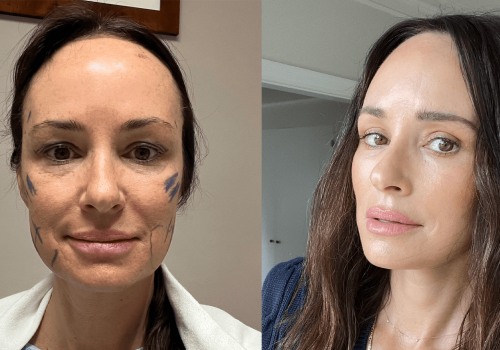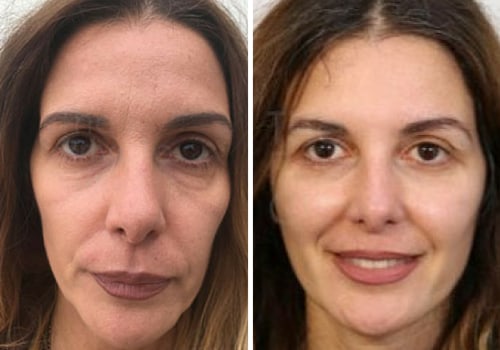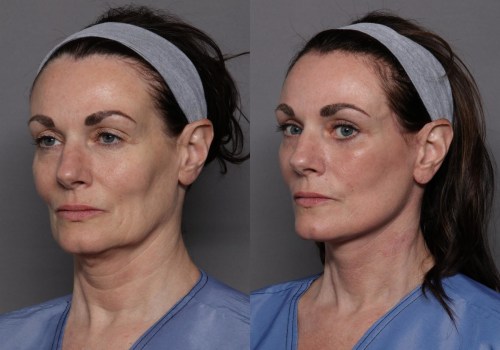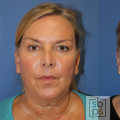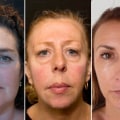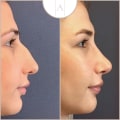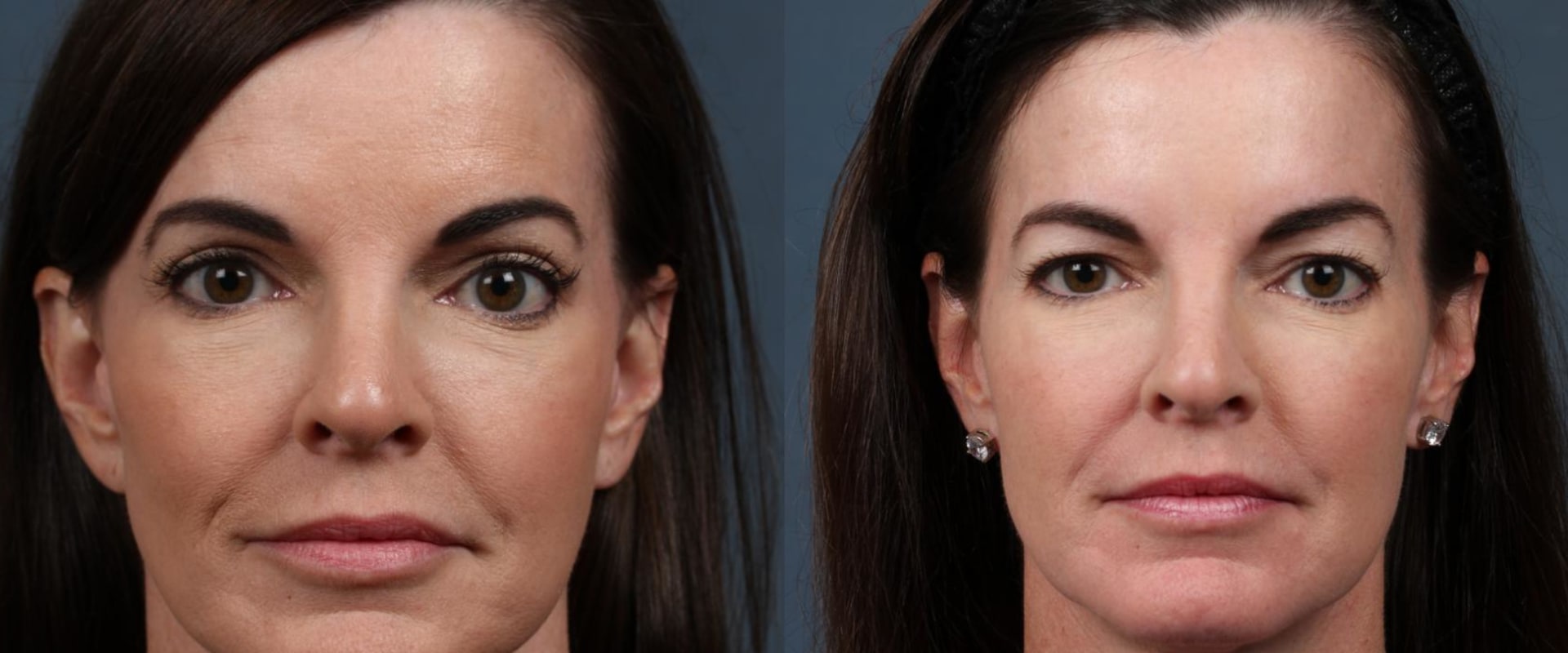
A facelift, medically known as rhytidectomy, is a cosmetic surgical procedure designed to create a more youthful appearance by addressing the visible signs of aging in the face and neck. As we age, our skin loses elasticity and firmness, leading to sagging, wrinkles, and a tired appearance. A facelift aims to reverse these effects by tightening the underlying muscles and removing excess skin, resulting in a smoother and more contoured facial profile.There are several types of facelifts available, each tailored to meet the specific needs and concerns of the patient. The most common types include the traditional facelift, which addresses significant sagging and is suitable for older patients; the mini-facelift, which targets specific areas such as the jawline and cheeks for a subtler enhancement; and the endoscopic facelift, which utilises small incisions and a camera to minimise scarring while achieving impressive results.
Each type has its own set of benefits and considerations, making it essential for individuals to consult with a qualified plastic surgeon to determine the most appropriate option for their unique circumstances.Understanding the various types of facelifts is crucial when considering this transformative procedure. The choice of technique can significantly influence not only the outcome but also the recovery time and overall experience. Additionally, age plays a pivotal role in determining candidacy for a facelift. Younger patients may benefit from less invasive options that provide preventive measures against aging signs, while older individuals might require more extensive procedures to achieve their desired results. Each type has its own set of benefits and considerations, making it essential for individuals to consult with a qualified plastic surgeon to determine the most appropriate option for their unique circumstances.Understanding the various types of facelifts is crucial when considering this transformative procedure. The choice of technique can significantly influence not only the outcome but also the recovery time and overall experience. Additionally, age plays a pivotal role in determining candidacy for a facelift. Younger patients may benefit from less invasive options that provide preventive measures against aging signs, while older individuals might require more extensive procedures to achieve their desired results.
This interplay between age and facelift type underscores the importance of personalised consultations with experienced professionals who can guide patients through their options.
The Importance of Age in Facelift Decisions
When contemplating a facelift, understanding the significance of age is crucial. As we age, our skin undergoes various changes that can impact the effectiveness and results of cosmetic procedures. One of the primary factors to consider is skin elasticity. Younger skin tends to be more elastic, allowing it to bounce back more effectively after surgical interventions.This elasticity diminishes with age, leading to sagging and a less youthful appearance, which can complicate the outcomes of a facelift.Another critical element is collagen production. Collagen is a protein that provides structure and support to the skin. In our youth, collagen levels are at their peak, contributing to a firm and plump complexion. However, as we enter our 30s and 40s, collagen production begins to decline significantly.
This reduction can result in thinner skin that is less resilient during and after surgical procedures. Therefore, individuals in their late 30s to early 50s often experience better results from facelifts due to their relatively higher collagen levels.Moreover, overall health plays a vital role in determining the ideal age for a facelift. Factors such as lifestyle choices , including diet, exercise, smoking, and sun exposure, can greatly influence skin condition and healing capacity. For instance, smokers may face increased risks during surgery and longer recovery times due to compromised blood flow and skin health.It’s also essential to consider the psychological aspect of undergoing a facelift at different ages.
Younger patients may have different motivations for seeking surgery compared to older individuals. While younger patients might aim for preventive measures against aging signs, older patients often seek significant rejuvenation. Understanding these motivations can help tailor the procedure to meet individual expectations.In conclusion, while there is no definitive "perfect" age for a facelift, being aware of how age affects skin quality and healing can guide individuals in making informed decisions about when to pursue this transformative procedure. Consulting with a qualified plastic surgeon can provide personalised insights based on individual circumstances and goals.
Ideal Age Range for Facelifts
When considering a facelift, understanding the ideal age range is crucial for achieving optimal results.While there is no definitive age that suits everyone, certain age brackets are generally recognised as more suitable for this transformative procedure.Typically, individuals aged 40 to 50 are viewed as the prime candidates for a facelift. This age range is significant because it often represents the onset of noticeable signs of aging, such as sagging skin and loss of facial volume. At this stage, many people begin to seek solutions to restore their youthful appearance without appearing overly done.For those in their 40s , a facelift can serve as a proactive measure against further aging. The skin still retains a degree of elasticity and collagen production, which can lead to more natural-looking results.
Moreover, recovery tends to be quicker and less complicated for younger patients, making it an appealing option.As individuals enter their 50s , the need for a facelift may become more pronounced due to increased sagging and deeper wrinkles. Patients in this age group often have more significant concerns about their appearance, making them more likely to consider surgical options. A facelift at this stage can effectively address these issues, providing a rejuvenated look that can last for several years.However, it’s essential to note that age alone should not dictate whether someone is a suitable candidate for a facelift. Factors such as skin quality, overall health, and personal expectations play a vital role in determining the right timing for surgery.For younger individuals, particularly those in their late 30s , a mini-facelift may be recommended.
This less invasive procedure targets specific areas of concern, such as jowls or sagging skin around the cheeks, allowing for subtle enhancements without the extensive recovery associated with traditional facelifts.Conversely, patients in their 60s and beyond can also benefit from facelift procedures. While they may experience longer recovery times and potentially less dramatic results due to decreased skin elasticity, many find that facelifts significantly improve their appearance and self-esteem.Ultimately, the best age for a facelift varies from person to person. Consulting with a qualified plastic surgeon can help determine the most appropriate timing based on individual circumstances and aesthetic goals.
Younger Candidates: Mini-Facelifts and Preventative Measures
In recent years, there has been a noticeable trend among younger individuals, particularly those in their late 30s to early 40s, considering cosmetic procedures such as facelifts. This demographic is increasingly opting for mini-facelifts, which are less invasive alternatives to traditional facelift surgeries.These procedures not only address early signs of aging but also serve as effective preventative measures against more pronounced facial sagging in the future.A mini-facelift typically targets specific areas of concern, such as the jawline and neck, where signs of aging often first appear. Unlike a full facelift, which involves extensive lifting and tightening of the skin, a mini-facelift focuses on subtle enhancements. This approach allows for a more natural-looking result, making it an appealing option for younger patients who wish to maintain their youthful appearance without undergoing a major surgical procedure.One of the primary benefits of a mini-facelift is the shorter recovery time compared to traditional facelifts. Patients can often return to their daily activities within a week or two, making it a convenient choice for those with busy lifestyles.
Additionally, because the procedure is less invasive, there is typically less swelling and bruising, which can be particularly advantageous for younger individuals who may be concerned about downtime.Moreover, undergoing a mini-facelift at a younger age can have long-term benefits. By addressing early signs of aging proactively, patients may delay the need for more extensive procedures later in life. This preventative approach can lead to sustained results that help maintain facial harmony and youthfulness over time.However, it is essential for younger candidates to have realistic expectations regarding the outcomes of a mini-facelift. While the results can be impressive, they are not as dramatic as those achieved through a full facelift.
Therefore, potential patients should consult with a qualified plastic surgeon who can assess their individual needs and recommend the most suitable options.In conclusion, mini-facelifts present an excellent opportunity for younger individuals looking to enhance their appearance while taking proactive steps against aging. With their minimal invasiveness and quick recovery times, these procedures offer a balanced solution for those wishing to invest in their long-term aesthetic goals.
Older Candidates: Traditional Facelift Considerations
For individuals aged between 50 and 70, the decision to undergo a traditional facelift can be both exciting and daunting. This age group often faces unique challenges that can influence their candidacy for surgery, recovery experience, and the overall results of the procedure.Understanding the Unique Challenges
As we age, our skin naturally loses elasticity and firmness due to a decrease in collagen production. This can lead to more pronounced sagging, deeper wrinkles, and a less defined jawline.
For older candidates, these factors can complicate the surgical process. Additionally, older patients may have pre-existing health conditions or take medications that could affect their recovery. Therefore, a thorough pre-operative assessment is crucial.
Recovery Considerations for Seniors
Recovery from a traditional facelift can vary significantly among older patients compared to their younger counterparts. Generally, older individuals may experience longer healing times due to slower cellular regeneration.
It is essential for candidates in this age group to prepare adequately for their recovery period.
- Post-Operative Care: Following surgery, older patients should have a solid support system in place. Assistance with daily activities during the initial recovery phase can help ease the burden and ensure proper care.
- Managing Expectations: While many older patients achieve excellent results from a facelift, it is vital to have realistic expectations regarding the outcome. The goal is to create a more youthful appearance while maintaining natural features.
- Follow-Up Appointments: Regular follow-ups with the surgeon are crucial for monitoring healing progress and addressing any concerns that may arise during recovery.
Expected Results Compared to Younger Patients
The results of a traditional facelift in older patients can be remarkable but may differ from those seen in younger individuals. While younger patients often enjoy more dramatic improvements due to better skin elasticity, older candidates can still achieve significant rejuvenation.
- Natural-Looking Outcomes: A skilled surgeon will aim for results that enhance the patient’s natural beauty rather than creating an overly tight or artificial appearance.
- Longevity of Results: Although results may not last as long as they would for younger patients, many older individuals find that their facelift provides a substantial boost in confidence and self-esteem.
- Combination Treatments: Older candidates may also consider combining their facelift with other procedures such as eyelid surgery or brow lifts to achieve a more comprehensive rejuvenation effect.
Factors Influencing Facelift Timing Beyond Age
While age is a significant factor in determining the right time for a facelift, several other elements can greatly influence this decision.Understanding these factors can help individuals make informed choices about their cosmetic procedures.
Lifestyle Choices
Your daily habits play a crucial role in the health and appearance of your skin. Two of the most impactful lifestyle choices are smoking and sun exposure.- Smoking: This habit not only affects your overall health but also accelerates skin aging. The chemicals in cigarettes can reduce blood flow to the skin, leading to a dull complexion and increased wrinkles. If you are considering a facelift, quitting smoking at least several weeks prior to the procedure can improve healing and enhance results.
- Sun Exposure: Prolonged exposure to UV rays can cause significant damage to your skin, leading to premature aging.
Sun damage can manifest as wrinkles, age spots, and loss of elasticity. Regular use of sunscreen and protective clothing can mitigate these effects, making your skin more suitable for surgical intervention.
Genetics
Your genetic makeup plays a pivotal role in how your skin ages. Some individuals may naturally have more resilient skin that maintains its elasticity longer than others. If you have family members who have aged gracefully, you might find that you too will experience a slower aging process.Conversely, if your family history includes early signs of aging or sagging skin, you may want to consider a facelift earlier in life.Genetics can also influence how well you heal post-surgery, which is an essential consideration when planning for a facelift.
Skin Health
The condition of your skin at the time of surgery is another critical factor. Healthy skin with good elasticity will respond better to surgical techniques and yield more natural-looking results. Factors that contribute to skin health include:- Hydration: Keeping your skin well-hydrated helps maintain its elasticity and overall appearance.
- Nutrition: A balanced diet rich in vitamins and antioxidants supports skin health. Foods high in vitamin C, for example, can promote collagen production.
- Skincare Regimen: A consistent skincare routine that includes cleansing, exfoliating, and moisturising can prepare your skin for surgery.
By addressing these elements, individuals can optimise their chances for successful outcomes and long-lasting results from their facelift procedures.
Consultation with a Plastic Surgeon: What to Expect
When considering a facelift, the first step is to schedule a consultation with a qualified plastic surgeon. This meeting is crucial for understanding the procedure, assessing your suitability, and setting realistic expectations. Here’s what you can expect during this important consultation.Understanding the Consultation Process
During your initial consultation, the surgeon will typically begin by reviewing your medical history and discussing your aesthetic goals. This is an opportunity for you to express your concerns about aging and what specific changes you hope to achieve through a facelift.The surgeon will conduct a thorough examination of your facial structure, skin elasticity, and overall health.They may take photographs for your medical records and to help illustrate potential outcomes. This assessment is vital as it allows the surgeon to tailor their recommendations based on your unique anatomy.
Questions to Ask Your Plastic Surgeon
To ensure you make an informed decision, prepare a list of questions to ask during your consultation. Here are some essential queries:- What is your experience with facelift procedures? Inquire about the surgeon's qualifications, training, and how many facelifts they perform annually.
- What technique do you recommend for my situation? Different techniques may be suitable depending on your age, skin condition, and desired results.
- What are the potential risks and complications? Understanding the risks involved will help you weigh the benefits against potential downsides.
- What can I expect during recovery? Ask about the recovery timeline, pain management, and any restrictions on activities post-surgery.
- How long will the results last? Discussing longevity can help set realistic expectations regarding maintenance treatments in the future.
Preparing for Your Facelift Consultation
Preparation is key to making the most of your consultation. Here are some tips:- Gather Medical Information: Bring a list of medications you are currently taking, including supplements and over-the-counter drugs.
- Consider Your Goals: Reflect on what you want to achieve with a facelift.
Bringing reference photos can help convey your desired outcome.
- Be Honest: Share any previous cosmetic procedures or health issues with your surgeon to ensure they have a complete picture of your medical background.
- Prepare for Follow-Up: After the consultation, consider scheduling a follow-up appointment if you have further questions or need more time to think about your options.
Potential Risks and Considerations of Facelifts at Different Ages
When considering a facelift, it is crucial to understand the potential risks and complications associated with the procedure, which can vary significantly depending on the patient's age. Each age group presents unique challenges and considerations that should be carefully evaluated before proceeding.Risks for Younger Patients
Patients in their late 30s to early 40s often seek facelifts as a preventive measure against aging. While they may experience fewer complications due to generally better skin elasticity and healing capabilities, there are still risks involved:- Overcorrection: Younger patients may desire a more dramatic change, which can lead to an unnatural appearance if not managed properly.
- Scarring: Although younger skin tends to heal better, improper technique can still result in visible scars.
- Psychological Impact: The desire for cosmetic surgery at a younger age may stem from societal pressures or self-esteem issues, which can lead to dissatisfaction with results.
Risks for Older Patients
For individuals aged 50 and above, the risks associated with facelift surgery can increase due to age-related factors:- Skin Elasticity: As we age, skin loses collagen and elastin, making it less resilient.
This can affect the outcome of the surgery and lead to longer recovery times.
- Health Conditions: Older patients are more likely to have underlying health issues such as hypertension or diabetes, which can complicate surgery and recovery.
- Anesthesia Risks: The likelihood of complications from anesthesia increases with age, necessitating thorough pre-operative assessments.
General Considerations
No matter the age of the patient, certain precautions should be taken to mitigate risks:- Consultation: A comprehensive consultation with a qualified plastic surgeon is essential. They will assess individual health conditions, skin quality, and aesthetic goals.
- Realistic Expectations: Patients should have a clear understanding of what a facelift can achieve and be prepared for the possibility of needing additional procedures in the future.
- Post-Operative Care: Following the surgeon's post-operative care instructions is vital for minimizing complications and ensuring optimal healing.
Real-Life Experiences: Patient Testimonials and Case Studies
Understanding the facelift experience through the eyes of those who have undergone the procedure can provide invaluable insights. Here, we share a selection of patient testimonials and case studies that highlight the diverse experiences and outcomes associated with facelifts at various ages.Patient Stories
Many individuals considering a facelift often seek reassurance from others who have taken the plunge.Here are a few real-life stories:
- Emma, 45: "I had been contemplating a facelift for years, but I was hesitant about how it would affect my appearance. After consulting with my surgeon, I decided to go ahead. The results were beyond my expectations! I feel rejuvenated and more confident in my skin. The recovery was manageable, and I was back to my routine in no time.
I wish I had done it sooner!"
- James, 60: "I opted for a facelift after noticing significant sagging around my jawline. My surgeon recommended a traditional facelift, and I was nervous about the recovery process. However, the support from the clinic made it easier. The results are fantastic; I look years younger without looking unnatural.
It’s been a life-changing experience for me."
- Sophie, 38: "I chose a mini-facelift as a preventive measure against aging signs. I wanted to address some early sagging without going for a full facelift. The procedure was quick, and the results were subtle yet effective. I feel like I’ve turned back the clock!"
Case Studies
In addition to personal stories, examining specific case studies can shed light on the typical outcomes of facelift procedures:- Case Study 1: Linda, 50
Linda underwent a full facelift to combat deep wrinkles and sagging skin.Post-surgery, she reported a significant boost in her self-esteem and received compliments from friends and family about her youthful appearance. Her recovery took about three weeks, during which she followed her surgeon's aftercare instructions diligently.
- Case Study 2: Mark, 65
Mark had been considering facial rejuvenation for some time due to his visible aging signs. He opted for a facelift combined with eyelid surgery. The results were remarkable; he looked revitalised and felt more energetic.His case highlights how combining procedures can enhance overall results.
- Case Study 3: Claire, 42
Claire's mini-facelift focused on her cheeks and jawline. She experienced minimal downtime and was thrilled with her natural-looking results. This case illustrates that younger patients can benefit from less invasive options while still achieving significant improvements.
<strong>Conclusion</strong>
In summary, determining the ideal age for a facelift is a nuanced decision that varies significantly from person to person.While many individuals consider undergoing this transformative procedure in their 40s or 50s, it is essential to recognise that age alone should not dictate the timing of such an operation. Factors such as skin elasticity, personal health, and lifestyle choices play a crucial role in achieving optimal results.For those contemplating a facelift, it is vital to engage in a thorough consultation with a qualified plastic surgeon. This professional will assess your unique facial structure, skin condition, and overall health to provide tailored recommendations. During this process, you can discuss your aesthetic goals and expectations, ensuring that you have realistic outcomes in mind.Moreover, younger patients may benefit from considering less invasive options like the mini-facelift, which targets specific areas of concern without the extensive recovery time associated with traditional facelifts.
This approach can be particularly advantageous for individuals in their late 30s or early 40s who wish to address early signs of aging while maintaining a natural appearance.As we age, our skin undergoes various changes influenced by genetics, environmental factors, and lifestyle habits. Therefore, it is crucial to adopt a proactive approach to skincare and overall health. Maintaining a balanced diet, staying hydrated, and protecting your skin from sun damage can significantly impact how your skin ages and your suitability for facelift surgery.Ultimately, the decision to undergo a facelift should be made with careful consideration and professional guidance. By understanding your unique circumstances and the potential benefits of the procedure at different ages, you can make an informed choice that aligns with your personal goals and enhances your confidence.