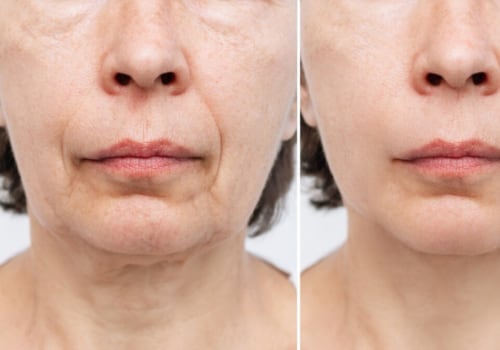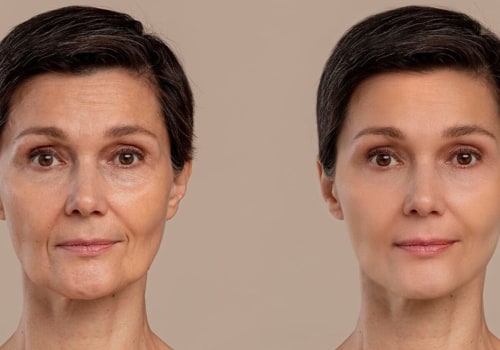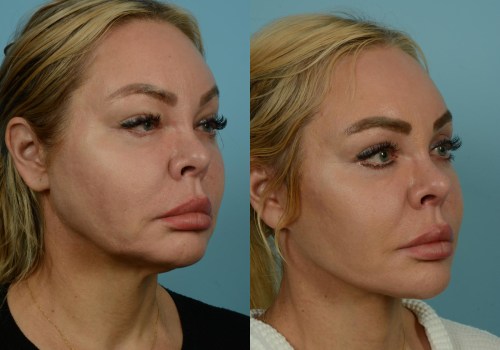
Facial fillers have become a popular choice for individuals seeking to enhance their appearance without undergoing invasive surgical procedures. Among the various types of fillers available, those based on hyaluronic acidhyaluronic acid are particularly favoured due to their natural compatibility with the body. Hyaluronic acid is a substance that occurs naturally in the skin, providing hydration and volume. When injected, it can effectively smooth out wrinkles, add fullness to lips, and restore youthful contours to the face.Understanding how these fillers work is crucial for anyone considering their use.
Once injected, hyaluronic acid fillers attract water molecules, which helps to plump the skin and create a more youthful appearance. However, the body gradually metabolises these fillers over time, leading to a decrease in their effectiveness. This process can vary significantly from person to person, influenced by factors such as individual metabolism rates, lifestyle choices, and even the specific area of the face where the filler is applied.The metabolism of facial fillers is an essential aspect to consider for those who wish to manage their aesthetic results actively. Some individuals may find that their fillers dissipate faster than expected, prompting them to seek ways to accelerate this process intentionally.
Understanding the dynamics of how fillers are broken down in the body can empower users to make informed decisions about their beauty routines and treatment schedules.In this context, it’s important to note that while hyaluronic acid fillers are designed for gradual absorption, certain techniques and practices can potentially influence their longevity. By exploring these methods, individuals can better navigate their filler experiences and achieve desired outcomes more effectively.
Factors Influencing Filler Metabolism
Understanding the factors that influence how quickly dermal fillers are metabolised is essential for anyone considering these cosmetic enhancements. Several key elements play a role in determining the longevity of fillers, including individual metabolic rates, the type of filler used, and the specific injection sites.1.Individual Metabolic Rates
One of the most significant factors affecting filler duration is an individual's metabolism. Metabolism refers to the biochemical processes that convert food and other substances into energy, and it varies greatly from person to person.
Those with a faster metabolism tend to break down fillers more quickly than those with a slower metabolic rate. This means that if you have a naturally high metabolism, you may find that your fillers do not last as long as they do for others.
2.Type of Filler
The composition of the filler itself also plays a crucial role in how long it lasts. Fillers are typically made from substances like hyaluronic acid, calcium hydroxylapatite, or poly-L-lactic acid, each with different properties and rates of absorption by the body. For instance, hyaluronic acid fillers are known for their ability to attract water and provide volume, but they can also be metabolised relatively quickly compared to other types.
Understanding the specific characteristics of the filler you choose can help set realistic expectations regarding its longevity.
3.Injection Sites
The location where fillers are injected can significantly impact their duration as well. Areas of the face that experience more movement—such as the lips or around the eyes—tend to see fillers break down faster due to constant muscle activity. Conversely, fillers injected into less mobile areas may last longer because they are subjected to less stress and movement.
4.Lifestyle Factors
- Hydration: Staying well-hydrated can help maintain skin elasticity and may influence how long fillers last.
- Diet: A balanced diet rich in vitamins and minerals supports overall skin health and can affect metabolic processes.
- Exercise: Regular physical activity can boost metabolism, potentially leading to quicker breakdown of fillers.
- Aging: As we age, our metabolism naturally slows down, which may affect how long fillers last in older adults compared to younger individuals.
Home Remedies to Enhance Filler Metabolism
When it comes to enhancing the metabolism of fillers, incorporating certain home remedies and lifestyle changes can make a significant difference.These methods not only support the breakdown of fillers but also promote overall skin health and vitality.
1.Stay Hydrated
Hydration plays a crucial role in metabolic processes. Drinking plenty of water helps to flush out toxins and supports the body in breaking down substances, including fillers. Aim for at least 2 litres of water daily, and consider adding hydrating foods such as cucumbers, oranges, and watermelon to your diet.
2.Incorporate Antioxidant-Rich Foods
A diet rich in antioxidants can help combat oxidative stress and promote skin health. Foods such as berries, nuts, green leafy vegetables, and dark chocolate are excellent choices.
These foods not only support your metabolism but also enhance the skin's elasticity and appearance.
3.Engage in Regular Physical Activity
Exercise is a powerful tool for boosting metabolism. Engaging in activities like jogging, cycling, or even brisk walking can increase blood circulation, which may help in the breakdown of fillers. Aim for at least 150 minutes of moderate aerobic activity each week.
4.Massage Techniques
Gentle facial massages can stimulate blood flow and lymphatic drainage, potentially aiding in the metabolism of fillers. Use your fingertips to massage the areas where fillers have been injected, applying light pressure in circular motions.
This can enhance circulation and promote faster absorption.
5.Limit Alcohol and Caffeine Intake
Both alcohol and caffeine can dehydrate the body, which may hinder the metabolism of fillers. Reducing your intake of these substances can help maintain optimal hydration levels, supporting your body's natural processes.
6.Consider Herbal Supplements
Certain herbs are known to support metabolic health. For instance, ginger and turmeric have anti-inflammatory properties that may aid in the breakdown of fillers. Always consult with a healthcare professional before starting any new supplements.By integrating these home remedies into your daily routine, you can enhance your body's ability to metabolise fillers more effectively while also promoting overall skin health and well-being.
Dietary Considerations for Faster Filler Metabolism
When it comes to enhancing the metabolism of fillers, particularly those containing hyaluronic acid, dietary choices play a crucial role.Certain foods and nutrients can support the body’s natural metabolic processes, potentially leading to a quicker breakdown of filler components. Here are some dietary considerations that may help:
- Hydration: Staying well-hydrated is essential for overall metabolic function. Water helps in the transportation of nutrients and the elimination of waste products. Aim to drink at least 2 litres of water daily, and consider incorporating hydrating foods such as cucumbers, oranges, and watermelon into your diet.
- Protein-Rich Foods: Consuming adequate protein can boost your metabolism due to the thermic effect of food (TEF), which is the energy required to digest, absorb, and process nutrients.
Include lean meats, fish, eggs, legumes, and dairy products in your meals to support muscle maintenance and metabolic health.
- Fruits and Vegetables: A diet rich in fruits and vegetables provides essential vitamins and minerals that aid in metabolic processes. Foods high in antioxidants, such as berries, spinach, and kale, can help combat oxidative stress and promote cellular health.
- Healthy Fats: Incorporating sources of healthy fats like avocados, nuts, seeds, and olive oil can support hormone production and overall metabolic function. Omega-3 fatty acids found in fatty fish like salmon are particularly beneficial for reducing inflammation.
- Spices: Certain spices such as ginger, cayenne pepper, and cinnamon have been shown to have thermogenic properties that may enhance metabolism. Adding these spices to your meals can not only improve flavour but also potentially aid in faster filler metabolism.
This approach not only supports faster filler metabolism but also contributes to overall health and well-being. Remember that while dietary changes can assist in the breakdown of fillers, they should complement other practices such as regular exercise and proper skincare for optimal results.
Hydration: A Key Element in Metabolising Fillers
Staying adequately hydrated is crucial for maintaining optimal metabolic function, particularly when it comes to the breakdown of dermal fillers. Water plays a vital role in various bodily processes, including circulation, digestion, and the elimination of waste products. When your body is well-hydrated, it can more effectively metabolise fillers, leading to a more efficient breakdown and absorption of the substances injected into your skin.Importance of Hydration for Fillers
Fillers, such as those containing hyaluronic acid, rely on the body's natural processes for their metabolism.
When you are dehydrated, your body may struggle to break down these substances efficiently. This can result in fillers lasting longer than desired or not achieving the intended aesthetic results. Therefore, ensuring that you drink enough water daily is essential for anyone considering or currently using fillers.
Water Intake and Filler Metabolism
The general recommendation for water intake is around 2 litres per day for adults, but this can vary based on individual factors such as activity level, climate, and overall health. Here are some tips to help you maintain proper hydration:
- Carry a water bottle: Having a reusable water bottle on hand encourages regular sipping throughout the day.
- Set reminders: Use your phone or an app to remind you to drink water at regular intervals.
- Infuse your water: If plain water feels boring, try adding slices of fruits like lemon, cucumber, or berries for a refreshing twist.
- Eat hydrating foods: Incorporate fruits and vegetables with high water content into your diet, such as watermelon, cucumbers, and oranges.
Hydration Tips
In addition to drinking sufficient water, consider these additional hydration practices:
- Avoid excessive caffeine and alcohol: Both can lead to dehydration; moderation is key.
- Monitor urine colour: A pale yellow colour typically indicates good hydration levels.
- Drink before meals: Consuming a glass of water before meals can help with digestion and ensure you are getting enough fluids.
This not only enhances the longevity of your aesthetic results but also contributes to overall skin health and vitality.
Physical Activity and Its Impact on Filler Longevity
Engaging in regular physical activity is not only beneficial for overall health but can also play a significant role in how quickly your body metabolises fillers. When you exercise, your body increases its metabolic rate, which can lead to a faster breakdown of substances, including dermal fillers. This section explores the connection between exercise and filler metabolism, highlighting specific types of workouts that may enhance this process.Understanding Metabolism and Fillers
Metabolism refers to the chemical processes that occur within the body to maintain life, including the conversion of food into energy and the breakdown of substances. Fillers, often composed of hyaluronic acid, are gradually absorbed by the body over time.
Individuals with a higher metabolic rate tend to experience a quicker dissipation of these fillers. Therefore, incorporating physical activity into your routine can be an effective strategy for those looking to manage the longevity of their cosmetic enhancements.
Benefits of Physical Activity for Filler Metabolism
- Increased Blood Circulation: Exercise boosts blood flow, which can enhance nutrient delivery and waste removal from tissues. This improved circulation may facilitate the breakdown and absorption of fillers.
- Enhanced Lymphatic Drainage: Physical activity stimulates the lymphatic system, helping to eliminate toxins and excess fluids from the body. This process can contribute to a more efficient metabolism of fillers.
- Weight Management: Maintaining a healthy weight through regular exercise can influence your metabolic rate.
A stable weight may help in managing how long fillers last.
Recommended Types of Exercises
To maximise the benefits of physical activity on filler metabolism, consider incorporating the following types of exercises into your routine:
- Aerobic Exercises: Activities such as running, cycling, or swimming increase heart rate and promote overall cardiovascular health. Aim for at least 150 minutes of moderate aerobic activity each week.
- Strength Training: Lifting weights or engaging in resistance training can boost muscle mass, which in turn increases resting metabolic rate. Include strength training exercises at least twice a week.
- High-Intensity Interval Training (HIIT): This form of exercise alternates between short bursts of intense activity and periods of rest or lower-intensity exercise. HIIT has been shown to significantly elevate metabolic rates even after workouts have ended.
Conclusion
Incorporating regular physical activity into your lifestyle not only supports overall health but may also aid in the faster metabolism of fillers.
By enhancing blood circulation, promoting lymphatic drainage, and managing weight through various forms of exercise, you can potentially influence how long your fillers last. Always consult with a healthcare professional before starting any new exercise regimen, especially if you have specific concerns regarding cosmetic procedures.
When to Consider Professional Help: Hyaluronidase Injections
While many individuals seek to manage their dermal fillers at home, there are instances when professional intervention becomes necessary. Hyaluronidase injections are a well-established method for dissolving hyaluronic acid-based fillers, and understanding when to consider this option is crucial for achieving the desired aesthetic results.What are Hyaluronidase Injections?
Hyaluronidase is an enzyme that breaks down hyaluronic acid, the primary component in many dermal fillers. When injected, it works by hydrolysing the hyaluronic acid molecules, effectively reducing the volume of the filler.
This procedure is particularly beneficial for those who experience adverse effects from fillers or are dissatisfied with their results.
When to Seek Professional Help
- Severe Adverse Reactions: If you notice swelling, redness, or pain that persists beyond a few days after your filler treatment, it may be time to consult a professional. These symptoms could indicate an allergic reaction or an infection.
- Unsatisfactory Results: If you feel that the results of your filler treatment do not meet your expectations—whether due to overfilling or uneven distribution—hyaluronidase can help restore balance and achieve a more natural look.
- Changes in Facial Aesthetics: As we age, our facial structure changes. If your fillers no longer complement your features or if they appear disproportionate, seeking professional advice can provide options for correction.
- Persistent Lumps or Bumps: Sometimes fillers can create lumps under the skin. If these do not resolve on their own, a professional can assess whether hyaluronidase is appropriate for smoothing out these irregularities.
The Procedure
The process of receiving hyaluronidase injections is relatively straightforward.
A qualified practitioner will assess your situation and determine the appropriate dosage based on the amount of filler present and your specific needs. The injection itself is quick and typically involves minimal discomfort. Most patients notice immediate results as the filler begins to dissolve.
Effectiveness Compared to Home Methods
While some home remedies may claim to expedite the metabolism of fillers, none are as effective as professional hyaluronidase injections. Home methods often lack scientific backing and can lead to inconsistent results.
In contrast, hyaluronidase offers a reliable solution with predictable outcomes, making it the preferred choice for those seeking rapid and effective filler removal.In conclusion, while managing fillers at home can be tempting, understanding when to seek professional help is essential for maintaining optimal results and ensuring your safety. If you find yourself facing any of the issues mentioned above, consulting with a qualified practitioner about hyaluronidase injections could be the best course of action.
Common Myths About Filler Metabolism Debunked
When it comes to facial fillers, there are numerous myths and misconceptions that can cloud the understanding of how these treatments work, particularly regarding their metabolism and longevity. Here, we will debunk some of the most common myths surrounding filler metabolism to provide clarity for those considering or currently using these cosmetic enhancements.- Myth 1: All Fillers Last the Same Amount of Time
Many people believe that all dermal fillers have a uniform lifespan. In reality, the longevity of fillers varies significantly based on several factors, including the type of filler used, the area of injection, and individual metabolic rates.For instance, hyaluronic acid fillers typically last between six months to two years, depending on these variables.
- Myth 2: You Can Speed Up Filler Dissipation with Home Remedies
While some may suggest that certain home remedies can accelerate the breakdown of fillers, there is little scientific evidence to support this claim. The body metabolises fillers at its own pace, and while hydration and a healthy lifestyle can support overall skin health, they do not directly influence how quickly fillers dissolve. - Myth 3: Higher Metabolism Means Longer-Lasting Fillers
Contrary to popular belief, individuals with a faster metabolism may actually experience shorter-lasting results from fillers. This is because their bodies break down substances more quickly, including the hyaluronic acid in fillers. Therefore, those with slower metabolisms might find that their fillers last longer. - Myth 4: Once Fillers Are Injected, They Are Permanent
Another common misconception is that fillers provide permanent results.In truth, dermal fillers are temporary solutions designed to enhance facial volume and smoothness. Over time, they naturally degrade and are absorbed by the body, necessitating follow-up treatments to maintain desired effects.
- Myth 5: Massage Can Always Help Break Down Fillers Faster
While gentle massage can sometimes aid in even distribution of filler post-treatment, excessive or aggressive massage can lead to complications or uneven results. It’s essential to consult with a qualified practitioner before attempting any form of manipulation on treated areas.
Conclusion: Key Takeaways for Managing Filler Longevity at Home
In conclusion, managing the longevity of facial fillers at home requires a multifaceted approach that combines knowledge, care, and proactive measures.Understanding how fillers work and the factors influencing their metabolism is crucial for anyone looking to maintain their aesthetic results.
Key takeaways include:
- Metabolism Matters: Individual metabolic rates play a significant role in how quickly fillers break down. Those with a faster metabolism may find that their fillers diminish more rapidly. Therefore, understanding your body’s unique metabolic profile can help set realistic expectations.
- Gentle Massage Techniques: Incorporating gentle massage around the injection sites can enhance blood circulation, potentially aiding in the absorption and breakdown of fillers. However, it is essential to approach this with caution to avoid disrupting the filler placement.
- Hydration is Key: Staying well-hydrated supports overall skin health and can assist in maintaining the integrity of fillers.
Drinking plenty of water helps keep your skin plump and may prolong the effects of your treatment.
- Sun Protection: UV exposure can accelerate skin aging and affect filler longevity. Using a high-SPF sunscreen daily can protect your skin from harmful rays, helping to maintain your youthful appearance.
- Regular Consultations: Scheduling follow-up appointments with a qualified practitioner allows for tailored adjustments to your filler treatments. This ensures that you achieve optimal results while addressing any concerns about longevity.
- Consider Hyaluronidase: For those seeking to metabolise fillers more quickly, hyaluronidase injections can be an effective solution. This enzyme breaks down hyaluronic acid-based fillers, providing a controlled way to manage filler longevity.
Remember that while fillers are not permanent solutions, understanding how to manage their effects can significantly enhance your overall satisfaction with your aesthetic choices.