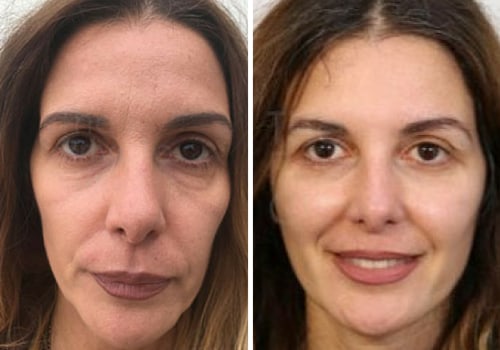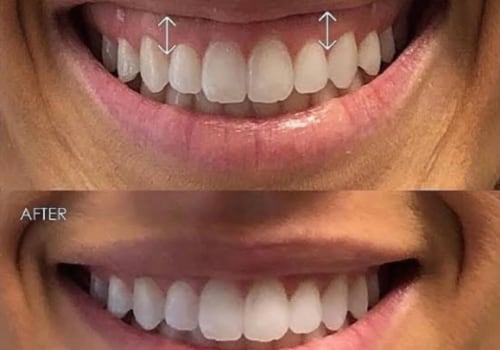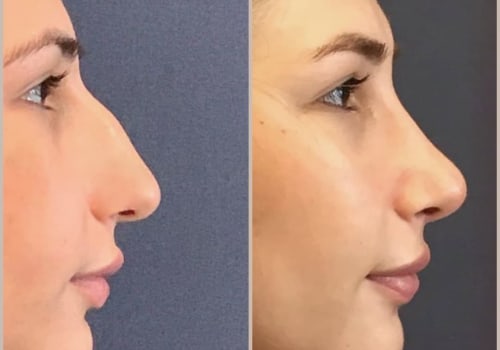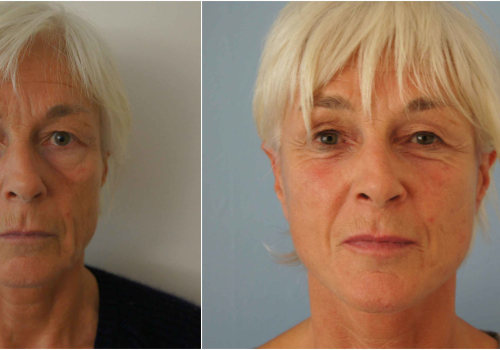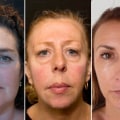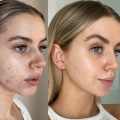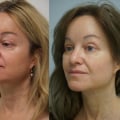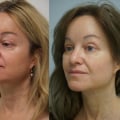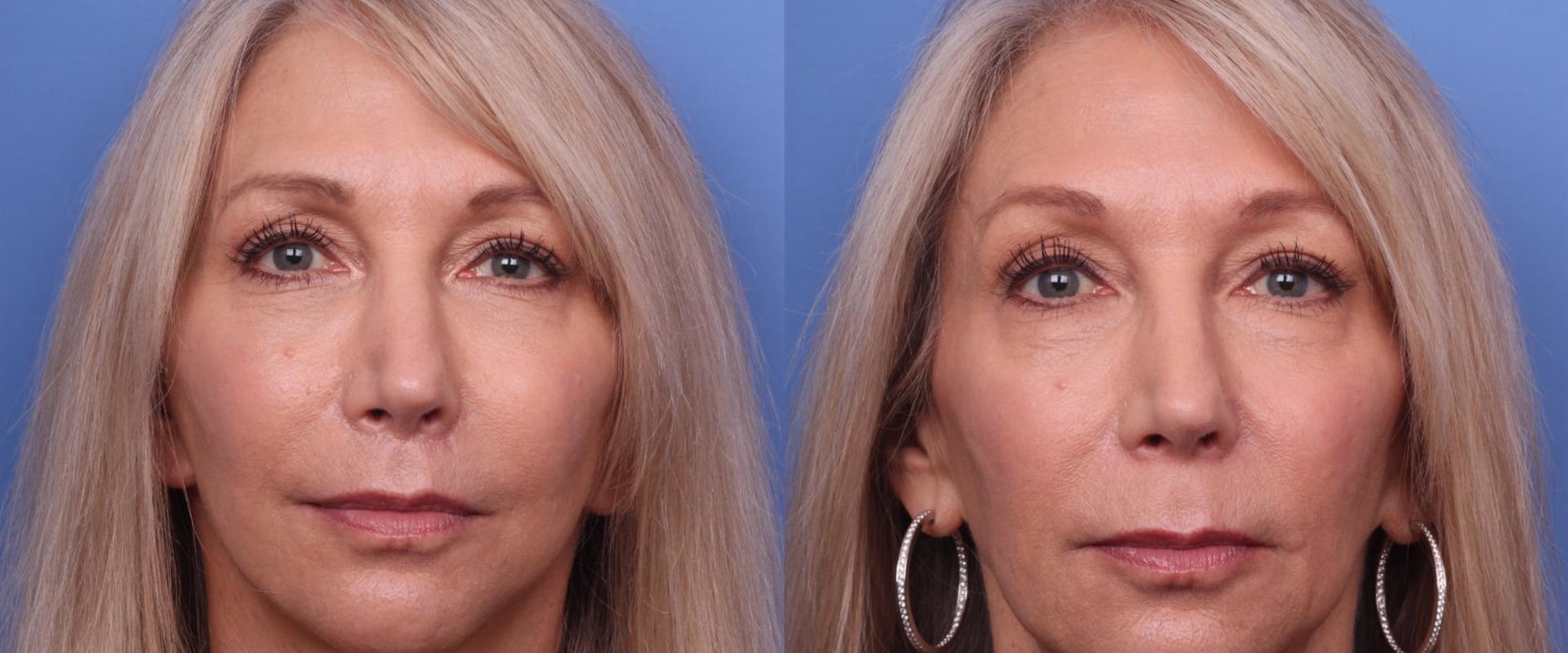
Facelift surgery, medically known as rhytidectomy, is a popular cosmetic procedure designed to address the visible signs of aging in the face and neck. As we age, our skin loses elasticity and volume, leading to sagging, wrinkles, and a tired appearance. A facelift aims to rejuvenate the face by tightening underlying muscles and removing excess skin, resulting in a more youthful and refreshed look. This surgical intervention is not merely about aesthetics; it can significantly enhance an individual's self-esteem and overall quality of life.The procedure typically involves several key steps.
Initially, the surgeon will assess the patient's facial structure and discuss their aesthetic goals. This consultation is crucial for determining the most suitable approach, as there are various techniques available, including traditional facelifts, mini facelifts, and non-surgical options. During the surgery, incisions are strategically placed to minimise visible scarring, often around the ears or within the hairline. The surgeon then lifts and repositions the underlying tissues before removing any excess skin.Recovery from facelift surgery varies among individuals but generally involves some swelling and bruising that can last for several weeks.
Patients are advised to follow specific post-operative care instructions to ensure optimal healing and results. While a facelift can provide significant improvements in facial appearance, it is essential to understand that it does not halt the aging process. Instead, it offers a temporary solution that can be maintained with proper skincare and lifestyle choices.In summary, a facelift is a transformative procedure that addresses the physical signs of aging by restoring facial contours and enhancing overall appearance. Understanding what a facelift entails is vital for anyone considering this surgery, as it sets the foundation for further discussions on its effects on skin aging and long-term results.
How a Facelift Affects Skin Aging
Understanding the relationship between a facelift and skin aging is crucial for anyone considering this procedure.Many individuals harbour concerns that undergoing a facelift may accelerate the natural aging process of their skin. However, this notion is largely a misconception.A facelift primarily targets the underlying structures of the face, including muscles and connective tissues, rather than merely addressing the skin's surface. By repositioning these deeper layers, a facelift can create a more youthful appearance without significantly altering the skin's intrinsic aging process. In fact, many patients report that their skin appears more vibrant and elastic following surgery.One of the key benefits of a facelift is the removal of excess skin, which can lead to improved collagen production.
Collagen is essential for maintaining skin elasticity and firmness, and its production can be stimulated by the surgical process itself. This means that while some natural aging will continue post-surgery, the immediate effects of a facelift can actually enhance the skin's overall quality.It is important to note that while a facelift does not halt the aging process, it can provide a significant rejuvenation effect that lasts for several years. Typically, the results of a facelift can be expected to endure between five to ten years, depending on various factors such as genetics, lifestyle choices, and ongoing skincare routines.Moreover, patients should be aware that maintaining healthy skin post-facelift is essential. Engaging in a consistent skincare regimen that includes sun protection, moisturisation, and possibly additional treatments like chemical peels or laser therapy can help prolong the youthful appearance achieved through surgery.In conclusion, while some may fear that a facelift could lead to accelerated skin aging, evidence suggests otherwise.
Instead of hastening the aging process, a well-executed facelift can rejuvenate the face and improve skin quality. By understanding these dynamics and committing to proper skincare after surgery, individuals can enjoy lasting results and maintain their youthful glow.
The Science Behind Skin Aging
The process of skin aging is a complex interplay of biological factors that affect the skin's structure and function over time. Understanding these mechanisms is crucial for comprehending how facelift surgery can influence the appearance and health of the skin.One of the primary components of youthful skin is collagen , a protein that provides structure and strength. Collagen is produced by fibroblasts, which are specialized cells located in the dermis, the skin's middle layer.As we age, collagen production naturally declines, leading to a loss of elasticity and firmness. This reduction in collagen is often exacerbated by environmental factors such as sun exposure, pollution, and smoking, which can accelerate the breakdown of collagen fibers.In addition to collagen, elastin plays a vital role in maintaining skin health. Elastin is another protein that allows the skin to stretch and return to its original shape. Like collagen, elastin production decreases with age, contributing to sagging and wrinkles.
The degradation of elastin fibers can result in a less resilient skin structure, making it more susceptible to the visible signs of aging.Moreover, the skin undergoes changes in its cellular turnover rate as we age. Younger skin typically regenerates itself more quickly, allowing for a fresher appearance. However, this process slows down with age, leading to a buildup of dead skin cells on the surface and a dull complexion.Facelift surgery aims to address some of these age-related changes by repositioning underlying tissues and removing excess skin. While it does not directly increase collagen or elastin levels, the procedure can stimulate fibroblast activity in the treated areas, potentially enhancing collagen production post-surgery.
This rejuvenation effect can lead to improved skin texture and elasticity over time.To maintain the results of a facelift and support ongoing skin health, it is essential to adopt a comprehensive skincare routine that includes:
- Hydration: Keeping the skin well-hydrated helps maintain its elasticity and overall appearance.
- Sunscreen: Protecting the skin from UV damage is crucial for preventing further collagen breakdown.
- Nourishing ingredients: Products containing retinoids, peptides, and antioxidants can promote collagen synthesis and protect against oxidative stress.
Post-Facelift Skin Care: Essential Practices
After undergoing a facelift, the importance of a tailored skincare routine cannot be overstated. Proper post-facelift care is essential not only for promoting healing but also for ensuring that the results of your surgery are maintained over time. Here are some key practices to consider:- Gentle Cleansing: In the initial weeks following your facelift, it is crucial to use a gentle cleanser that does not irritate the skin.
Avoid harsh scrubs or exfoliants, as your skin will be sensitive and in the process of healing.
- Moisturisation: Keeping your skin well-hydrated is vital. Use a high-quality moisturiser that contains ingredients like hyaluronic acid or glycerin to help retain moisture and promote skin elasticity.
- Sunscreen Application: Protecting your skin from sun exposure is one of the most important aspects of post-facelift care. Apply a broad-spectrum sunscreen with an SPF of at least 30 daily, even on cloudy days, to prevent pigmentation and further skin damage.
- Avoiding Irritants: For at least six weeks post-surgery, steer clear of products containing retinoids, alpha hydroxy acids (AHAs), or other active ingredients that may cause irritation. Instead, focus on soothing and hydrating products.
- Regular Follow-ups: Schedule follow-up appointments with your surgeon to monitor your healing process.
They can provide personalised advice on when to resume more intensive skincare treatments.
- Hydration: Drink plenty of water to keep your skin hydrated from within. Proper hydration supports overall skin health and aids in recovery.
- Nutrition: A balanced diet rich in antioxidants, vitamins, and minerals can significantly impact your skin's appearance. Foods high in vitamin C, omega-3 fatty acids, and antioxidants can promote healing and maintain youthful skin.
- Avoid Smoking and Alcohol: Both smoking and excessive alcohol consumption can hinder the healing process and contribute to premature aging. It’s advisable to avoid these substances during your recovery period.
Remember that consistency is key; maintaining a diligent skincare routine will yield the best outcomes in the long run.
Common Myths About Facelifts and Aging Skin
When considering a facelift, many individuals are often confronted with a myriad of myths and misconceptions that can cloud their judgment. Understanding the truth behind these myths is essential for anyone contemplating this transformative procedure.Myth 1: A Facelift Makes Your Skin Age Faster
One of the most pervasive myths is that undergoing a facelift accelerates the aging process of the skin. This belief likely stems from the visible changes that occur post-surgery. However, it is crucial to clarify that a facelift does not inherently cause your skin to age more quickly.
In fact, many patients report an improvement in skin elasticity and overall appearance following the procedure. The surgical technique involves repositioning underlying tissues and removing excess skin, which can lead to a rejuvenated look that may last for several years.
Myth 2: Facelifts Are Only for Older Individuals
Another common misconception is that facelifts are exclusively for older adults. While it is true that many patients seeking facelifts are in their 50s or 60s, younger individuals can also benefit from this procedure. Factors such as genetics, lifestyle, and environmental influences can lead to premature signs of aging, prompting younger patients to consider a facelift as a proactive measure.
Myth 3: Facelifts Provide Permanent Results
Many people believe that the results of a facelift are permanent.
While a facelift can significantly improve your appearance, it does not stop the natural aging process. Over time, factors such as sun exposure, lifestyle choices, and genetic predispositions will continue to affect your skin. Typically, the results of a facelift can last anywhere from five to ten years, depending on individual circumstances.
Myth 4: All Facelifts Look Obvious or "Tight"
There is a prevalent fear that facelifts will result in an unnatural or "overdone" appearance. This concern often arises from poorly performed procedures or outdated techniques.
A skilled surgeon will tailor the facelift to each patient’s unique facial structure and aesthetic goals, ensuring a natural look that enhances rather than alters one’s features.In conclusion, debunking these myths surrounding facelifts is vital for potential patients. By understanding the realities of what a facelift entails and its effects on skin aging, individuals can make informed decisions about their cosmetic journey.
Factors Influencing Post-Facelift Results
When considering the outcomes of a facelift, it is essential to recognise that several factors can significantly influence the results. Understanding these elements can help patients set realistic expectations and make informed decisions regarding their surgical journey.Surgeon Expertise
The skill and experience of the surgeon performing the facelift are paramount. A qualified and experienced plastic surgeon will not only have a deep understanding of facial anatomy but also possess the artistic vision necessary to achieve natural-looking results.The skill and experience of the surgeon performing the facelift are paramount. A qualified and experienced plastic surgeon will not only have a deep understanding of facial anatomy but also possess the artistic vision necessary to achieve natural-looking results.Factors to consider when evaluating a surgeon include:
- Board Certification: Ensure that your surgeon is certified by a recognised board, indicating they have met rigorous training standards.
- Experience: Look for a surgeon who has performed numerous facelift procedures, as this experience can lead to better outcomes.
- Before-and-After Photos: Reviewing previous patients' results can provide insight into the surgeon's style and effectiveness.
- Patient Reviews: Testimonials from past patients can offer valuable information about their experiences and satisfaction levels.
Lifestyle Choices
A patient’s lifestyle plays a crucial role in the longevity of facelift results. Factors such as diet, exercise, and skincare routines can either enhance or diminish the effects of surgery. Here are some lifestyle considerations:- Nutrition: A balanced diet rich in vitamins and antioxidants supports skin health and can aid in recovery. Foods high in omega-3 fatty acids, such as fish, can promote elasticity and hydration.
- Hydration: Staying well-hydrated is vital for maintaining skin suppleness and overall health.
- Avoiding Smoking: Smoking can impede blood flow and slow down healing, leading to less optimal results.
- Sun Protection: Protecting the skin from sun exposure with sunscreen helps prevent premature aging and maintains the results of the facelift.
By choosing a skilled surgeon and adopting a healthy lifestyle, patients can maximise their surgical outcomes and enjoy lasting results.
Real Patient Experiences: Before and After Facelift Surgery
Understanding the real experiences of patients who have undergone facelift surgery can provide invaluable insights into the procedure's outcomes and its impact on skin aging. Here, we delve into several patient stories that highlight the transformative effects of facelifts, as well as the emotional and psychological benefits that accompany these changes.Patient Testimonial: Sarah, 52
After years of feeling self-conscious about her sagging skin and deepening wrinkles, Sarah decided to undergo a facelift. "I was hesitant at first, but I wanted to feel like myself again," she shared. Post-surgery, Sarah noticed a significant improvement in her facial contours and skin texture.
"My friends and family couldn’t believe the difference! I felt rejuvenated and more confident in my appearance." She also mentioned that while she still experiences natural aging, the facelift has given her a solid foundation to maintain her youthful look.
Patient Testimonial: John, 60
John's story is particularly compelling as he sought a facelift not just for aesthetic reasons but also to boost his self-esteem after retirement. "I wanted to present a more vibrant version of myself in social situations," he explained. Following his procedure, John reported that he felt more energetic and engaged with life. "The results were beyond what I expected; I looked refreshed!" He emphasized that while he is aware of the ongoing aging process, he feels equipped to manage it with proper skincare and lifestyle choices.
Patient Testimonial: Emily, 45
Emily had been considering a facelift for several years but was concerned about how it would affect her skin's aging process.
After extensive research and consultations, she took the plunge. "I was amazed at how natural the results looked!" she said. Emily noted that her skin felt firmer and more elastic post-surgery. "I’ve incorporated a dedicated skincare routine since my facelift, which has helped maintain my results.
I feel like I’ve turned back the clock!"These testimonials illustrate that while every patient's experience is unique, many find that a facelift can significantly enhance their appearance and self-confidence without accelerating the aging process of their skin. The key takeaway is that with proper care and realistic expectations, patients can enjoy lasting results from their facelift procedures.
Future Trends in Facelift Techniques and Skin Care
As the field of cosmetic surgery continues to evolve, the future of facelift techniques is becoming increasingly promising. Surgeons are now exploring innovative methods that not only enhance aesthetic outcomes but also prioritise patient safety and comfort. One of the most exciting advancements is the use of minimally invasive techniques.These procedures often involve smaller incisions, which can lead to reduced scarring and quicker recovery times. Techniques such as endoscopic facelifts allow surgeons to lift and reposition facial tissues with precision, resulting in a more natural appearance.Another trend gaining traction is the integration of non-surgical treatments with traditional facelift procedures. For instance, combining a facelift with dermal fillers or fat grafting can provide a more comprehensive rejuvenation by restoring lost volume and enhancing facial contours. This holistic approach addresses multiple signs of aging simultaneously, offering patients a more youthful look without the need for extensive surgery.In addition to surgical advancements, the realm of skincare post-facelift is also witnessing significant innovations.
Patients are increasingly turning to advanced skincare products that contain potent ingredients such as growth factors , peptides , and antioxidants. These ingredients can help accelerate healing, improve skin texture, and maintain the results of a facelift for a longer period. Furthermore, personalised skincare regimens tailored to individual skin types and concerns are becoming more common, allowing for targeted treatment that enhances overall skin health.The use of technology in skincare is also on the rise. Devices such as LED light therapy and microcurrent machines are being recommended for post-operative care, as they can stimulate collagen production and improve circulation, further aiding in recovery.
Additionally, telemedicine consultations are making it easier for patients to receive ongoing support and advice from their surgeons regarding skincare routines and maintenance treatments.As we look ahead, it is clear that the future of facelift techniques and skincare will be characterised by a focus on less invasive options, personalised care, and technological integration. These advancements not only promise enhanced results but also aim to address common concerns about skin aging after surgery, ensuring that patients can enjoy their rejuvenated appearance for years to come.
Conclusion: Embracing Your Journey with Facelift Surgery
In conclusion, understanding the intricate relationship between facelift surgery and skin aging is essential for anyone considering this transformative procedure. Throughout this article, we have explored various aspects of how a facelift can rejuvenate your appearance while addressing common misconceptions about accelerated skin aging post-surgery.It is crucial to recognise that a facelift primarily targets the deeper layers of facial tissues, providing a lift and restoring volume rather than merely tightening the skin. This distinction is vital as it underscores that while natural aging will continue, the facelift itself does not hasten this process.Instead, many patients report enhanced skin quality and elasticity following their procedure, thanks to the removal of excess skin and the repositioning of underlying tissues.Moreover, maintaining a diligent skincare routine and adopting a healthy lifestyle can significantly prolong the results of your facelift. Factors such as sun exposure, diet, and hydration play pivotal roles in how your skin ages over time. By prioritising these elements, you can enjoy the benefits of your facelift for years to come.As you embark on your journey towards rejuvenation, it is essential to approach the decision with informed optimism. Consulting with a qualified plastic surgeon who understands your unique needs and expectations will help you navigate the options available to you.
Remember that every individual’s experience is different; thus, personalisation in treatment plans is key.Ultimately, embracing the journey of facelift surgery means acknowledging both its potential benefits and limitations. With realistic expectations and proper care, you can achieve a refreshed appearance that reflects your inner vitality. As you consider this significant step, remember that knowledge is power—equipping yourself with information will lead to a more satisfying outcome.