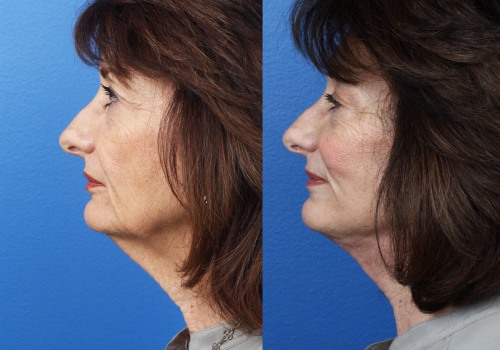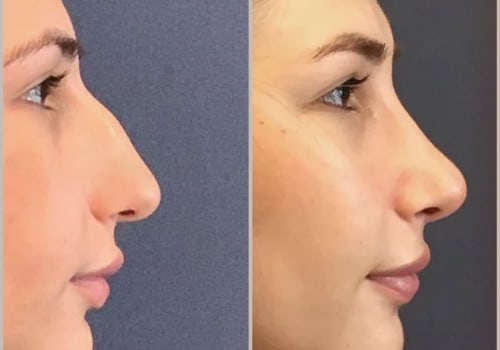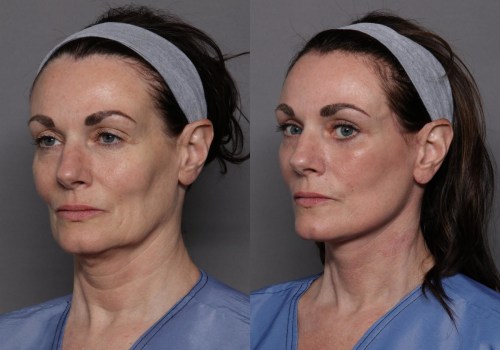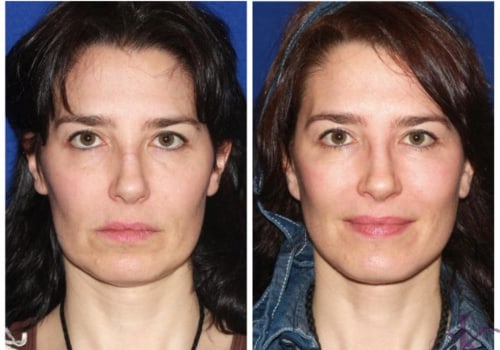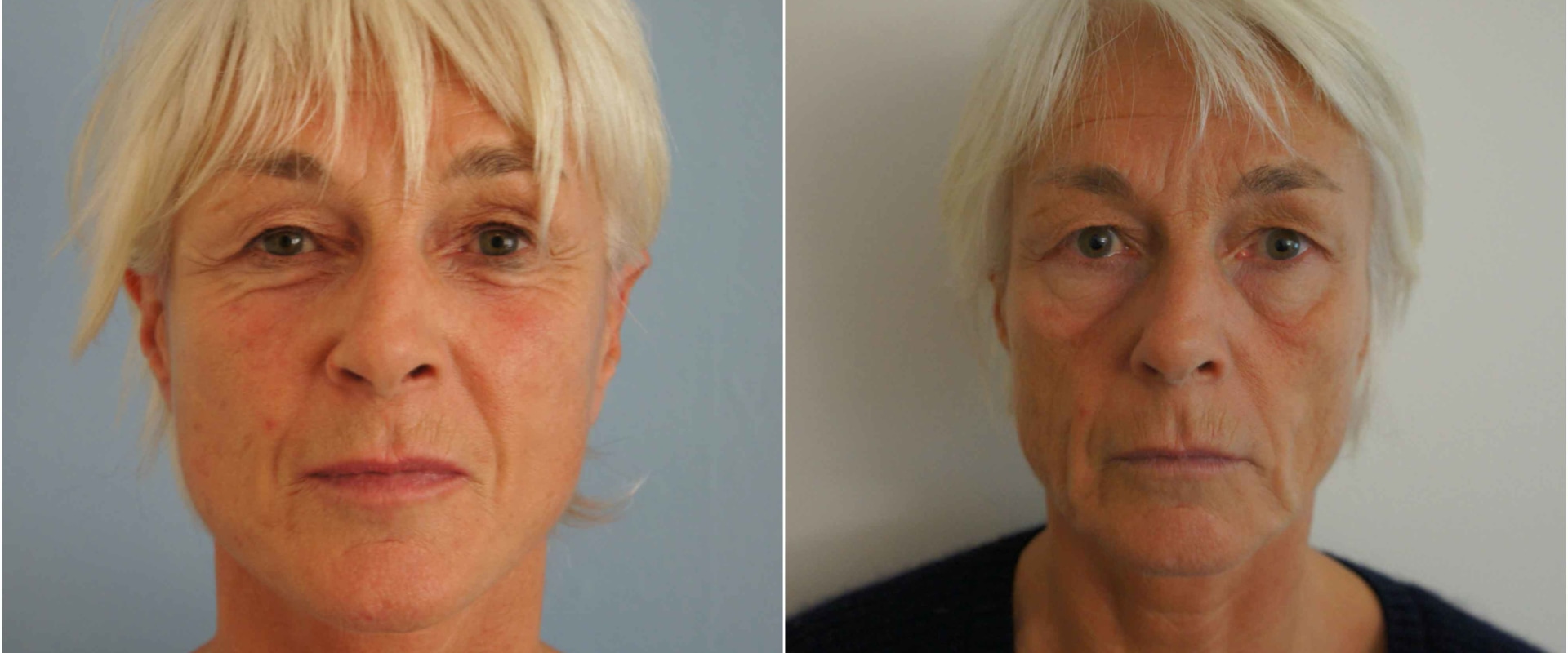
The mini facelift has emerged as a popular choice among individuals seeking to rejuvenate their appearance without the extensive recovery time associated with traditional facelift procedures. As we age, the skin loses its elasticity, leading to sagging and the formation of wrinkles, particularly around the lower face and neck. The mini facelift addresses these concerns by focusing on the lower third of the face, providing a subtle yet significant enhancement that can restore a youthful contour.One of the most appealing aspects of the mini facelift is its relatively short downtime. Unlike a full facelift, which often requires weeks of recovery, many patients find that they can return to their normal activities within just a few days.
This makes it an attractive option for those with busy lifestyles who wish to improve their appearance without a lengthy interruption to their daily routines. The procedure typically involves smaller incisions, which not only reduces scarring but also contributes to a quicker healing process.As we delve deeper into the specifics of the mini facelift, it is essential to understand what the recovery entails. Patients can expect some swelling and bruising post-surgery, but these effects are generally mild and resolve within a week or two. The results of a mini facelift can be quite impressive, offering a refreshed look that enhances one’s natural beauty while maintaining a sense of authenticity.
In this article, we will explore the nuances of the mini facelift procedure, including detailed insights into recovery times and what patients can anticipate during their healing journey.
What is a Mini Facelift?
A mini facelift, often referred to as a mini lift, is a less invasive cosmetic surgery designed to rejuvenate the lower third of the face. Unlike a traditional facelift, which typically addresses the entire face and neck, a mini facelift focuses primarily on areas such as the cheeks, jawline, and neck. This targeted approach allows for significant aesthetic improvements while minimising recovery time and surgical trauma.The primary purpose of a mini facelift is to combat the early signs of aging, such as sagging skin and loss of facial volume. As we age, our skin loses elasticity and firmness, leading to wrinkles and drooping in key areas.A mini facelift aims to restore a youthful appearance by tightening the underlying muscles and removing excess skin.During the procedure, small incisions are made in discreet locations, typically around the ears and hairline. This technique not only helps to conceal any potential scarring but also allows for a more natural-looking result. The surgeon will then lift and reposition the skin and underlying tissues, providing a subtle yet noticeable enhancement.Ideal candidates for a mini facelift are generally individuals aged between 40 and 60 who exhibit mild to moderate signs of aging but still possess good skin elasticity. Those with specific concerns about sagging in the lower face or neck may find this procedure particularly beneficial.
It is essential for potential patients to have realistic expectations regarding the outcomes of a mini facelift; while it can significantly improve one’s appearance, it does not halt the aging process.In summary, a mini facelift offers an effective solution for those seeking facial rejuvenation without the extensive downtime associated with traditional facelifts. By understanding what a mini facelift entails, individuals can make informed decisions about their cosmetic surgery options.
The Procedure: What to Expect
Undergoing a mini facelift is a significant decision, and understanding the surgical process can help alleviate any apprehensions you may have. The procedure typically begins with a thorough consultation with your surgeon, where you will discuss your aesthetic goals, medical history, and any concerns you might have. This initial meeting is crucial for establishing a tailored approach to your surgery.Anesthesia Options
During the mini facelift, patients are usually offered two main types of anesthesia: local anesthesia with sedation or general anesthesia.
Local anesthesia numbs the targeted areas of your face while allowing you to remain awake but relaxed. This option is often preferred for its quicker recovery time and reduced risks associated with general anesthesia. However, if you feel anxious about being awake during the procedure, general anesthesia may be recommended, allowing you to sleep through the entire process.
Incision Locations
The incisions made during a mini facelift are strategically placed to minimise visible scarring. Typically, these incisions are located in the natural folds around the ears and along the hairline.
This careful placement ensures that any scars will be discreetly hidden as they heal. The surgeon will make small incisions that allow access to the underlying tissues without the need for extensive cutting, which is a hallmark of traditional facelifts.
The Surgical Process
Once the anesthesia has taken effect, the surgeon will begin by lifting and tightening the underlying facial tissues. This involves repositioning fat and skin to create a more youthful contour. The procedure generally lasts between two to four hours, depending on individual factors such as the extent of correction needed and the specific techniques employed by your surgeon.After the lifting process is complete, the incisions are carefully closed with sutures or adhesive strips.
Your surgeon will provide detailed aftercare instructions to ensure optimal healing and results.Understanding these aspects of the mini facelift procedure can help you feel more prepared and confident as you approach your surgery date. Remember that every patient’s experience is unique, so discussing your specific needs with your surgeon is essential for achieving the best possible outcome.
Immediate Post-Operative Care
After undergoing a mini facelift, immediate post-operative care is essential for ensuring a smooth recovery and optimal results. The first few days following the procedure are critical, as your body begins to heal and adjust to the changes made during surgery.Pain Management
It is common to experience some discomfort after a mini facelift. Your surgeon will likely prescribe pain relief medication to help manage any pain you may feel.
It is important to take these medications as directed, especially in the first 48 hours when discomfort may peak. Over-the-counter pain relievers such as paracetamol can also be effective, but avoid non-steroidal anti-inflammatory drugs (NSAIDs) like ibuprofen or aspirin unless specifically advised by your surgeon, as they can increase the risk of bleeding.
Swelling Reduction Techniques
Swelling is a natural part of the healing process after any surgical procedure, including a mini facelift. To minimise swelling:
- Apply Ice Packs: Use ice packs wrapped in a cloth on the areas around your face for 15-20 minutes every hour during the first day. This can significantly reduce swelling and provide comfort.
- Keep Your Head Elevated: Sleep with your head elevated using extra pillows or a wedge pillow for the first few nights.
This helps to reduce swelling by allowing fluids to drain away from your face.
- Avoid Strenuous Activities: Refrain from heavy lifting or vigorous exercise for at least two weeks post-surgery, as these activities can exacerbate swelling and delay healing.
When to Contact Your Surgeon
While some discomfort and swelling are expected, certain symptoms may indicate complications that require immediate attention. You should contact your surgeon if you experience:
- Severe pain that is not alleviated by prescribed medications.
- Excessive swelling or bruising that worsens over time.
- Signs of infection, such as fever, increased redness, or discharge from the incision sites.
- Any unusual changes in sensation or movement in your face.
Understanding Downtime: How Long Will You Be Out?
When considering a mini facelift, understanding the downtime involved is crucial for planning your recovery and resuming normal activities. Generally, the downtime associated with a mini facelift is significantly shorter than that of a traditional facelift, making it an appealing option for many individuals seeking facial rejuvenation.Most patients can expect to take approximately one to two weeks off from work or daily responsibilities.During this period, the majority of swelling and bruising will subside, allowing you to feel more comfortable in social settings. The procedure itself typically lasts a few hours, and patients often leave the clinic on the same day.
Recovery Timeline:
- First 48 Hours: This initial phase is marked by swelling and bruising, which are at their peak. It’s advisable to rest and keep your head elevated to minimise these effects.
- Days 3 to 7: By the end of the first week, most patients notice a significant improvement in their appearance. Stitches are usually removed around this time, and any discomfort can typically be managed with over-the-counter pain relief.
- Weeks 2 to 4: While you may feel ready to return to your normal activities after two weeks, some mild swelling may persist for several weeks.
By the end of four weeks, most individuals can resume all regular activities without restrictions.
Factors Affecting Recovery Duration:
The recovery time can vary based on several factors:
- Individual Healing Response: Each person’s body heals at its own pace. Factors such as age, overall health, and skin elasticity can influence recovery time.
- Surgical Technique: The specific techniques used during your mini facelift may also affect how quickly you recover. Less invasive methods generally lead to quicker healing.
- Postoperative Care: Following your surgeon's aftercare instructions diligently can significantly expedite your recovery. This includes managing swelling with ice packs and avoiding strenuous activities.
Staying hydrated and maintaining a balanced diet rich in vitamins can also support your body’s recovery efforts. Ultimately, while the downtime for a mini facelift is relatively short, taking the necessary steps during your recovery will help ensure optimal results and a smooth transition back to your daily life.
Managing Swelling and Bruising
After undergoing a mini facelift, managing swelling and bruising is crucial for a smooth recovery and optimal results. While these symptoms are common following the procedure, there are effective strategies to alleviate discomfort and promote healing.Utilising Ice Packs
One of the most effective methods for reducing swelling is the application of ice packs. It is recommended to use ice packs on the affected areas for the first 48 hours post-surgery.Here are some tips for using ice packs:
- Frequency: Apply ice packs for 15-20 minutes every hour as needed.
- Protection: Always wrap the ice pack in a cloth or towel to prevent direct contact with the skin, which can cause frostbite.
- Target Areas: Focus on areas around the cheeks, jawline, and neck where swelling is most likely to occur.
Medications to Consider
In addition to ice therapy, certain medications can help manage pain and reduce swelling:- Paracetamol: This over-the-counter pain reliever can help alleviate discomfort without increasing bleeding risk.
- Avoid NSAIDs: Non-steroidal anti-inflammatory drugs (like ibuprofen or aspirin) should be avoided in the first week as they can increase bruising and swelling.
- Consult Your Surgeon: Always follow your surgeon's recommendations regarding medication use during recovery.
When to Expect Resolution
The timeline for swelling and bruising varies among individuals, but generally, you can expect:- Initial Swelling: Swelling typically peaks around 48 hours after surgery.
- Mild Swelling Duration: Most swelling will begin to subside within a week, although some mild swelling may persist for several weeks.
- Bruising Timeline: Bruising usually resolves within 1-2 weeks, but can be camouflaged with makeup if necessary.
Returning to Normal Activities: What You Need to Know
After undergoing a mini facelift, many patients are eager to return to their normal routines. However, understanding the appropriate timeline for resuming work and daily activities is crucial for a smooth recovery. Generally, most individuals can expect to take about one to two weeks off work, depending on their specific circumstances and the nature of their job.Returning to Work
- First Week: During the first week post-surgery, it is advisable to rest as much as possible.
This period is when swelling and bruising are most pronounced, and your body needs time to heal. If your job involves physical activity or stress, consider extending your time off.
- Second Week: By the second week, many patients feel comfortable enough to return to work, especially if their roles are primarily desk-based. However, it’s essential to listen to your body; if you still feel fatigued or uncomfortable, it may be wise to delay your return.
Normal Activities Post-Surgery
Resuming normal activities should be approached with caution. While light activities can typically be resumed within a few days, more strenuous exercises should be avoided for at least three to four weeks.
Here are some guidelines:
- Light Activities: Gentle walking can help promote circulation and aid in recovery. It’s beneficial to start moving around the house shortly after surgery.
- Avoiding Strain: Activities that involve heavy lifting, bending over, or vigorous exercise should be postponed until you receive clearance from your surgeon.
- Social Engagements: Many patients feel ready to engage in social activities after about two weeks. However, it’s wise to avoid large gatherings where you might feel self-conscious about your appearance.
Lifestyle Changes
The recovery period following a mini facelift may also prompt some lifestyle adjustments. Here are a few considerations:
- Skin Care: Post-surgery, your skin will be sensitive.
It’s essential to follow your surgeon's advice regarding skincare products and routines.
- Dietary Choices: Maintaining a balanced diet rich in vitamins and minerals can support healing. Staying hydrated is equally important.
- Avoiding Alcohol and Smoking: Both can impede healing and should be avoided during the recovery phase.
Long-Term Results and Maintenance After a Mini Facelift
After undergoing a mini facelift, many patients are eager to understand how long they can expect their results to last and what steps they can take to maintain their rejuvenated appearance. The longevity of the results from a mini facelift can vary based on several factors, including individual skin type, age, lifestyle choices, and the specific techniques used during the procedure.Longevity of Mini Facelift Results
Typically, the results of a mini facelift can last anywhere from five to ten years.
This duration is influenced by the natural aging process, which continues after surgery. While a mini facelift effectively tightens and lifts the skin, it does not stop the aging process entirely. Therefore, patients may notice gradual changes in their appearance over time.Factors that can affect the longevity of results include:
- Skin Type: Individuals with good skin elasticity may experience longer-lasting results.
- Age: Younger patients often see more durable outcomes compared to older individuals.
- Lifestyle Choices: Smoking, excessive sun exposure, and poor diet can accelerate skin aging.
- Postoperative Care: Following your surgeon's advice on care and maintenance can significantly impact results.
Maintaining Your New Appearance
To prolong the effects of your mini facelift, it is essential to adopt a comprehensive skincare routine. Here are some key components to consider:
- Sun Protection: Use a broad-spectrum sunscreen with at least SPF 30 daily to protect your skin from UV damage.
- Moisturisation: Keeping your skin hydrated helps maintain elasticity and suppleness.
- Avoiding Smoking: Quitting smoking can improve overall skin health and slow down the aging process.
- Healthy Diet: A balanced diet rich in antioxidants can support skin health from within.
Follow-Up Care
Regular follow-up appointments with your surgeon are crucial for monitoring your recovery and ensuring optimal results.
During these visits, your surgeon will assess your healing progress and address any concerns you may have. They may also recommend additional treatments or procedures to enhance or maintain your results over time.In conclusion, while a mini facelift offers significant improvements in facial appearance, maintaining those results requires ongoing care and attention. By following a diligent skincare routine and attending regular follow-ups, patients can enjoy their rejuvenated look for years to come.
Frequently Asked Questions About Mini Facelifts
When considering a mini facelift, potential patients often have numerous questions regarding the procedure, recovery, and results. Addressing these frequently asked questions can help alleviate concerns and provide clarity.What is a mini facelift?
A mini facelift is a less invasive surgical procedure designed to improve the appearance of the lower face and neck.It focuses on tightening sagging skin and reducing the appearance of jowls, providing a more youthful look without the extensive recovery time associated with a full facelift.
How long does the procedure take?
The duration of a mini facelift typically ranges from two to four hours, depending on the specific techniques used and the individual patient's needs. This shorter timeframe is one of the appealing aspects of the procedure.What can I expect during recovery?
Recovery from a mini facelift is generally swift. Most patients can return to their normal activities within one to two weeks. Initial swelling and bruising are common but usually peak around 48 hours post-surgery.By the end of the first week, many patients notice significant improvements in their appearance.
Are there any risks involved?
As with any surgical procedure, there are risks associated with a mini facelift, including infection, scarring, and dissatisfaction with results. However, when performed by a qualified surgeon, these risks are minimal. It’s crucial to discuss any concerns with your surgeon during the consultation.How long do the results last?
The results of a mini facelift can last anywhere from five to ten years, depending on factors such as age, skin type, and lifestyle choices. While it may not provide as long-lasting results as a full facelift, it offers a significant improvement in appearance for those seeking subtle rejuvenation.Will I have visible scars?
Scarring is an inevitable part of any surgical procedure; however, mini facelifts are designed to minimise visible scars.The incisions are typically made in natural skin folds around the ears and hairline, making them less noticeable over time.
Can I combine a mini facelift with other procedures?
Yes, many patients choose to combine a mini facelift with other cosmetic procedures such as eyelid surgery or dermal fillers for enhanced results. Discussing your goals with your surgeon will help determine the best approach for your desired outcome.By addressing these common questions about mini facelifts, potential patients can make informed decisions about their cosmetic journey and feel more confident in their choices.Conclusion: Is a Mini Facelift Right for You?
In conclusion, the decision to undergo a mini facelift is a significant one that requires careful consideration of various factors. This procedure offers a less invasive alternative to traditional facelifts, making it an appealing option for those seeking to rejuvenate their appearance without the extensive downtime associated with more invasive surgeries.Throughout this article, we have explored the downtime associated with a mini facelift, highlighting its relatively short recovery period compared to a full facelift. Most patients can expect to return to their normal activities within two weeks, with noticeable improvements in swelling and bruising occurring within the first week.This makes the mini facelift an attractive choice for individuals with busy lifestyles who may not have the luxury of extended recovery time.However, it is essential to recognise that while the mini facelift can provide significant aesthetic benefits, it may not be suitable for everyone. Factors such as age, skin elasticity, and individual aesthetic goals play a crucial role in determining whether this procedure is right for you. For those with more advanced signs of aging or specific concerns about facial sagging, a full facelift may be more appropriate.Before making any decisions, it is vital to consult with a qualified and experienced facial plastic surgeon. They can assess your unique situation, discuss your goals, and recommend the best course of action tailored to your needs.
A thorough consultation will also allow you to ask questions about the procedure, recovery expectations, and potential risks involved.Ultimately, the choice between a mini facelift and other cosmetic procedures should be made with careful thought and professional guidance. By taking the time to evaluate your options and seek expert advice, you can make an informed decision that aligns with your personal aesthetic aspirations and lifestyle.