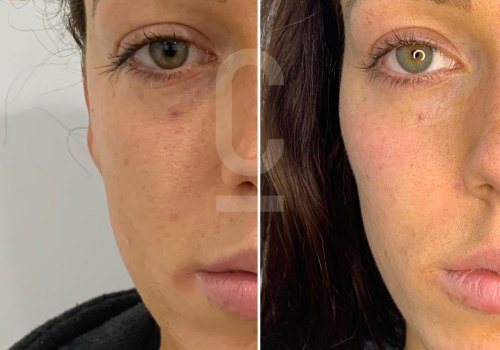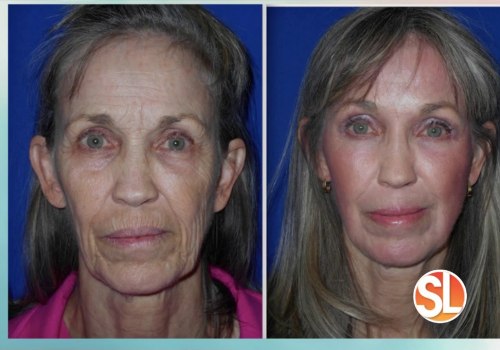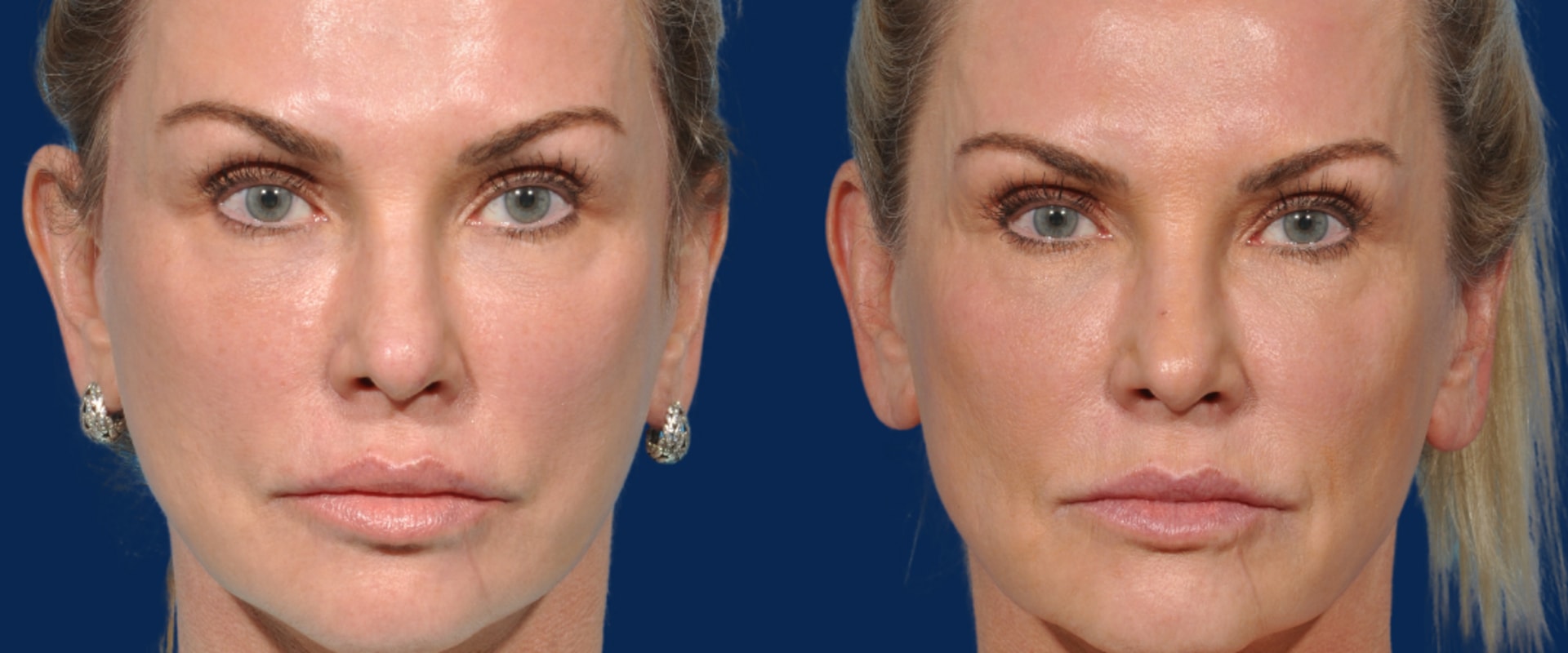
As we age, our skin undergoes various changes that can significantly affect our appearance. The natural loss of collagen and elastin, combined with the effects of gravity, can lead to sagging skin, particularly around the jawline and cheeks. This is where the concept of a mini facelift comes into play, offering a solution for those seeking to rejuvenate their facial aesthetics without undergoing a full surgical procedure.A mini facelift is designed to address moderate signs of aging, specifically targeting the lower face. It is an ideal option for individuals in their 40s and 50s who may not yet require the extensive alterations associated with a traditional facelift.
By utilising smaller incisions and less invasive techniques, this procedure aims to restore a youthful contour while ensuring a more natural look. The result is a refreshed appearance that can enhance one’s confidence and overall well-being.Recognising the signs that may indicate a need for a mini facelift is crucial for anyone considering this procedure. Common indicators include noticeable sagging around the jawline, loss of definition in the cheeks, and the presence of wrinkles or fine lines in the lower face. If you find that non-surgical options like fillers or Botox are no longer providing the desired results, it may be time to explore surgical alternatives.
Understanding these signs not only helps in making an informed decision but also sets the stage for a discussion on how mini facelifts can effectively address these concerns.
What is a Mini Facelift?
A mini facelift is a cosmetic surgical procedure designed to address the early signs of aging in the lower face, specifically targeting areas such as the jawline and neck. Unlike a traditional facelift, which often involves extensive lifting and tightening of the entire face, a mini facelift focuses on a smaller area, making it a less invasive option for those seeking rejuvenation without the extensive recovery time associated with more comprehensive procedures.The mini facelift procedure typically involves shorter incisions, usually made along the hairline or behind the ears. This technique allows for minimal scarring while still providing effective results. During the procedure, excess skin is removed, and underlying tissues are tightened to restore a more youthful contour to the face.The surgery is often performed under local anesthesia with sedation, allowing patients to remain comfortable while minimizing risks associated with general anesthesia.One of the key differences between a mini facelift and a full facelift lies in the extent of correction achieved. A full facelift addresses sagging skin and wrinkles across the entire face, including the forehead and upper regions, while a mini facelift primarily targets the lower face. This makes it an ideal choice for individuals who may not yet require a full facelift but are beginning to notice signs of aging such as:
- Sagging skin around the jawline
- Loss of definition in facial contours
- Moderate jowls or excess skin beneath the chin
This shorter downtime makes it an appealing option for those with busy lifestyles or commitments that may not allow for extended recovery periods.In summary, a mini facelift offers a less invasive alternative to traditional facelifts, providing effective results with reduced recovery time and minimal scarring. It is particularly suitable for individuals in their 40s and 50s who are looking to enhance their appearance without undergoing more extensive surgical procedures.
Who is an Ideal Candidate for a Mini Facelift?
Determining whether you are an ideal candidate for a mini facelift involves evaluating several factors, including age, skin condition, and overall health. This procedure is particularly suited for individuals who exhibit moderate signs of aging but are not yet ready for a full facelift.Age Considerations
Typically, the best candidates for a mini facelift are in their 40s to 50s. At this stage, many individuals begin to notice subtle changes in their facial structure, such as sagging skin around the jawline and cheeks.
While there is no strict age limit, those younger than 40 may not have sufficient skin laxity to benefit from the procedure, whereas older patients may require more extensive lifting that a traditional facelift can provide.
Skin Conditions
Another critical factor in assessing candidacy is the condition of your skin. Ideal candidates usually have:
- Moderate skin laxity: If your skin has started to lose its elasticity but is not excessively loose, you may be a good candidate.
- Good skin quality: Healthy skin that is free from significant sun damage or other conditions will yield better results.
- Defined facial structure: Those with a well-defined jawline and cheekbones often achieve more aesthetically pleasing outcomes.
Health Factors
Your overall health also plays a vital role in determining your suitability for a mini facelift. Candidates should ideally:
- Be non-smokers: Smoking can impede healing and increase the risk of complications.
- Have realistic expectations: Understanding what a mini facelift can achieve is crucial for satisfaction with the results.
- Be in good physical health: Conditions such as diabetes or heart disease may complicate surgery and recovery.
Signs You Might Need a Mini Facelift
As we age, our skin undergoes various changes that can significantly affect our appearance.Recognising the signs that you might benefit from a mini facelift is crucial for making informed decisions about your cosmetic options. Here are some key indicators that may suggest it’s time to consider this procedure:
- Sagging Skin: One of the most noticeable signs of aging is the development of sagging skin, particularly around the jawline and cheeks. If you find that your skin no longer has the firmness it once did, and you notice excess skin hanging or drooping, a mini facelift could help restore a more youthful contour.
- Loss of Jawline Definition: A well-defined jawline is often associated with youthfulness. As we age, fat deposits can shift and skin elasticity diminishes, leading to a less defined jawline.
If you observe that your jawline appears softer or less distinct, this could be a sign that a mini facelift may be beneficial.
- Visible Wrinkles and Fine Lines: While wrinkles are a natural part of aging, their presence can be exacerbated by sagging skin. If you have developed deep lines around your mouth or chin that fillers or topical treatments have failed to improve, a mini facelift might provide the rejuvenation you seek.
- Changes in Facial Contours: Over time, the natural contours of your face can change due to factors like weight loss or aging. If you feel that your face looks more gaunt or tired than it used to, a mini facelift can help restore volume and shape.
- Excess Skin Around the Neck: The neck area is often one of the first places to show signs of aging. If you notice loose skin or bands forming around your neck, this can contribute to an overall aged appearance.
A mini facelift can address these concerns by tightening the skin in this area.
Benefits of Choosing a Mini Facelift
Opting for a mini facelift can offer numerous advantages, particularly for those seeking a less invasive solution to facial rejuvenation. Here are some of the key benefits that make this procedure an appealing choice:- Shorter Recovery Time: One of the most significant advantages of a mini facelift is the reduced recovery period. Patients typically experience less swelling and bruising compared to a full facelift, allowing them to return to their daily activities much sooner.
While traditional facelifts may require weeks of downtime, many individuals find that they can resume normal routines within just a few days after a mini facelift.
- Less Scarring: The incisions made during a mini facelift are smaller and strategically placed, often hidden within the hairline or natural contours of the face. This results in minimal scarring, which is a crucial consideration for many patients concerned about visible marks post-surgery.
- More Natural Results: A mini facelift is designed to provide subtle yet effective improvements. The technique focuses on lifting and tightening specific areas of the face without altering the overall appearance drastically. This approach often leads to results that look more natural, as it enhances your existing features rather than creating an overly tight or artificial look.
- Lower Risk of Complications: As with any surgical procedure, there are risks involved; however, the less invasive nature of a mini facelift generally translates to a lower risk of complications.
Patients can expect fewer issues related to anesthesia and a reduced likelihood of infection due to the smaller incisions.
- Cost-Effectiveness: Mini facelifts tend to be more affordable than full facelifts, making them an attractive option for those on a budget. While costs can vary based on location and surgeon expertise, many find that they can achieve significant improvements without the financial burden associated with more extensive procedures.
What to Expect During the Procedure
Undergoing a mini facelift can be an exciting yet nerve-wracking experience. Understanding what to expect during the procedure can help alleviate some of that anxiety.The mini facelift is designed to provide a more youthful appearance with minimal invasiveness, and the process is generally straightforward.
Anesthesia Options
Before the procedure begins, your surgeon will discuss anesthesia options with you. Most mini facelifts are performed under local anesthesia combined with sedation, allowing you to remain awake but relaxed throughout the surgery. This approach reduces the risks associated with general anesthesia and typically results in a quicker recovery. In some cases, general anesthesia may be used, particularly if the surgeon deems it necessary based on your specific needs.
Incision Techniques
The next step involves making incisions, which are strategically placed to minimise visible scarring.
Unlike traditional facelifts that require longer incisions, a mini facelift uses shorter ones, often hidden within the hairline or natural creases of the skin. This technique not only enhances aesthetic outcomes but also contributes to a quicker recovery time.
The Surgical Process
Once the anesthesia takes effect, your surgeon will begin the procedure by gently lifting and tightening the underlying facial tissues. This process typically focuses on the lower face, including areas around the jawline and cheeks. The surgeon may also remove excess skin to create a smoother contour.
The entire procedure usually lasts between one to two hours, depending on individual circumstances and any additional treatments being performed.After the adjustments are made, the incisions are carefully closed with sutures or adhesive strips. Your surgeon will provide specific aftercare instructions to ensure proper healing and optimal results.In summary, knowing what to expect during a mini facelift can help you feel more prepared for your journey towards rejuvenation. From understanding anesthesia options to familiarising yourself with incision techniques and the surgical process, being informed is key to a successful experience.
Recovery After a Mini Facelift
Recovering from a mini facelift is a crucial phase that can significantly influence the overall results of the procedure. Understanding the typical recovery timeline, potential side effects, and effective post-operative care can help ensure a smooth healing process.Generally, the recovery time after a mini facelift is shorter compared to a traditional facelift.Most patients can expect to return to their normal activities within one to two weeks. However, it’s essential to remember that individual recovery times may vary based on factors such as age, overall health, and adherence to post-operative care instructions.
Typical Recovery Timeline
- First 24-48 hours: During this initial period, patients may experience swelling and bruising around the surgical site. It’s advisable to rest and keep your head elevated to minimise swelling.
- Days 3-5: Bruising and swelling will peak around this time. Pain is usually manageable with prescribed medications.
Gentle activities like walking can be introduced to promote circulation.
- Week 1: Many patients feel comfortable enough to return to work or social activities, although some residual swelling may still be present. Stitches or sutures are typically removed during this week.
- Weeks 2-4: Most visible signs of surgery should diminish significantly. Patients can gradually resume more strenuous activities, but it’s crucial to follow your surgeon’s advice regarding physical exertion.
Post-Operative Care Tips
To facilitate optimal healing after your mini facelift, consider the following tips:- Follow your surgeon's instructions: Adhering strictly to the post-operative care plan provided by your surgeon is vital for a successful recovery.
- Avoid strenuous activities: Refrain from heavy lifting or vigorous exercise for at least four weeks post-surgery to prevent complications.
- Keep the surgical area clean: Gently cleanse the area as directed and avoid applying makeup until cleared by your surgeon.
- Stay hydrated and eat healthily: A balanced diet rich in vitamins and minerals can support your body’s healing process.
- Attend follow-up appointments: Regular check-ups with your surgeon will help monitor your recovery and address any concerns promptly.
Cost Considerations for Mini Facelifts
When considering a mini facelift, understanding the cost is crucial for making an informed decision.The price of a mini facelift can vary significantly based on several factors, and it’s essential to have a clear picture of what to expect financially.On average, the cost of a mini facelift in the UK ranges from £4,000 to £10,000. This price range reflects the complexity of the procedure, the surgeon's expertise, and the geographical location of the clinic. In metropolitan areas, where demand for cosmetic procedures is higher, prices tend to be on the upper end of this spectrum.
Factors Affecting Mini Facelift Pricing
- Surgeon’s Experience: Highly experienced surgeons often charge more due to their skill and reputation. Choosing a qualified surgeon can lead to better results, making it a worthwhile investment.
- Location: The cost can vary by region.
Clinics in larger cities may have higher overhead costs, which can be passed on to patients.
- Facility Fees: The type of facility where the procedure is performed can also impact costs. Accredited surgical centres may charge more than outpatient clinics.
- Anesthesia Costs: Depending on whether local or general anesthesia is used, this can add to the overall expense. Local anesthesia is typically less expensive than general anesthesia.
- Post-Operative Care: Follow-up appointments and any necessary medications or treatments after surgery should also be factored into the total cost.
For example, if sagging skin is causing vision problems or other health issues, there may be grounds for partial coverage. It’s advisable to consult with your insurance provider to understand your policy's specifics.In conclusion, while the financial aspect of a mini facelift can seem daunting, understanding the various factors that influence pricing can help you budget effectively. Always prioritise quality and safety over cost when selecting a surgeon or clinic for your procedure.
Conclusion: Is a Mini Facelift Right for You?
Deciding whether a mini facelift is the right choice for you involves careful consideration of various factors. Throughout this article, we have explored the benefits and limitations of this procedure, providing a comprehensive overview to help you make an informed decision.Firstly, it is essential to assess your individual needs and expectations.A mini facelift is particularly suitable for those experiencing mild to moderate sagging in the lower face, especially around the jawline and cheeks. If you find that non-surgical options like fillers or Botox are no longer delivering the desired results, a mini facelift may offer a more effective solution.Moreover, understanding the recovery process is crucial. While a mini facelift typically involves less downtime compared to a full facelift, it is still a surgical procedure that requires time for healing. Patients can expect some bruising and swelling, which usually peaks within the first few days post-surgery.
Therefore, if you have upcoming commitments or events, planning your procedure accordingly is vital.Consultation with a qualified cosmetic surgeon is an indispensable step in this journey. A professional can evaluate your facial structure, skin condition, and overall health to determine if you are a suitable candidate for a mini facelift. They can also discuss potential risks and complications associated with the procedure, ensuring that you have realistic expectations about the outcomes.In conclusion, while a mini facelift can provide significant rejuvenation with minimal invasiveness, it is not a one-size-fits-all solution. Reflect on your personal goals and consider how they align with what this procedure can achieve.
By engaging in thorough research and seeking expert advice, you can confidently navigate your options for facial rejuvenation.