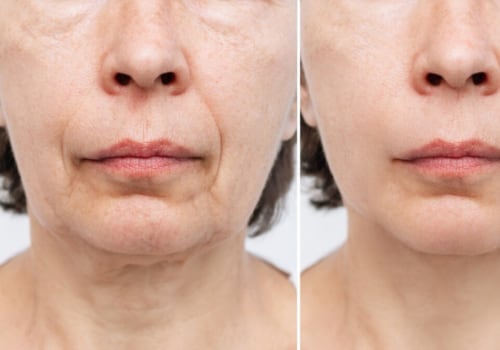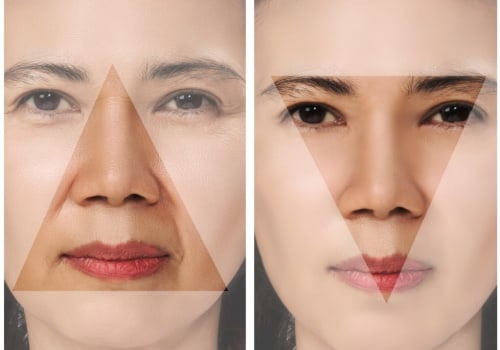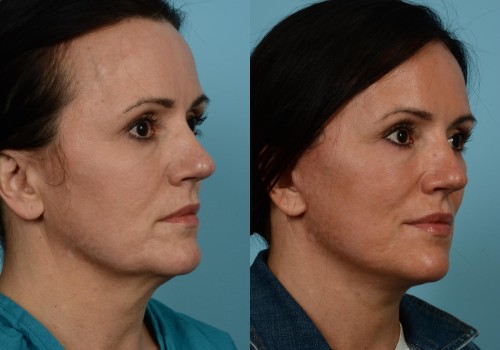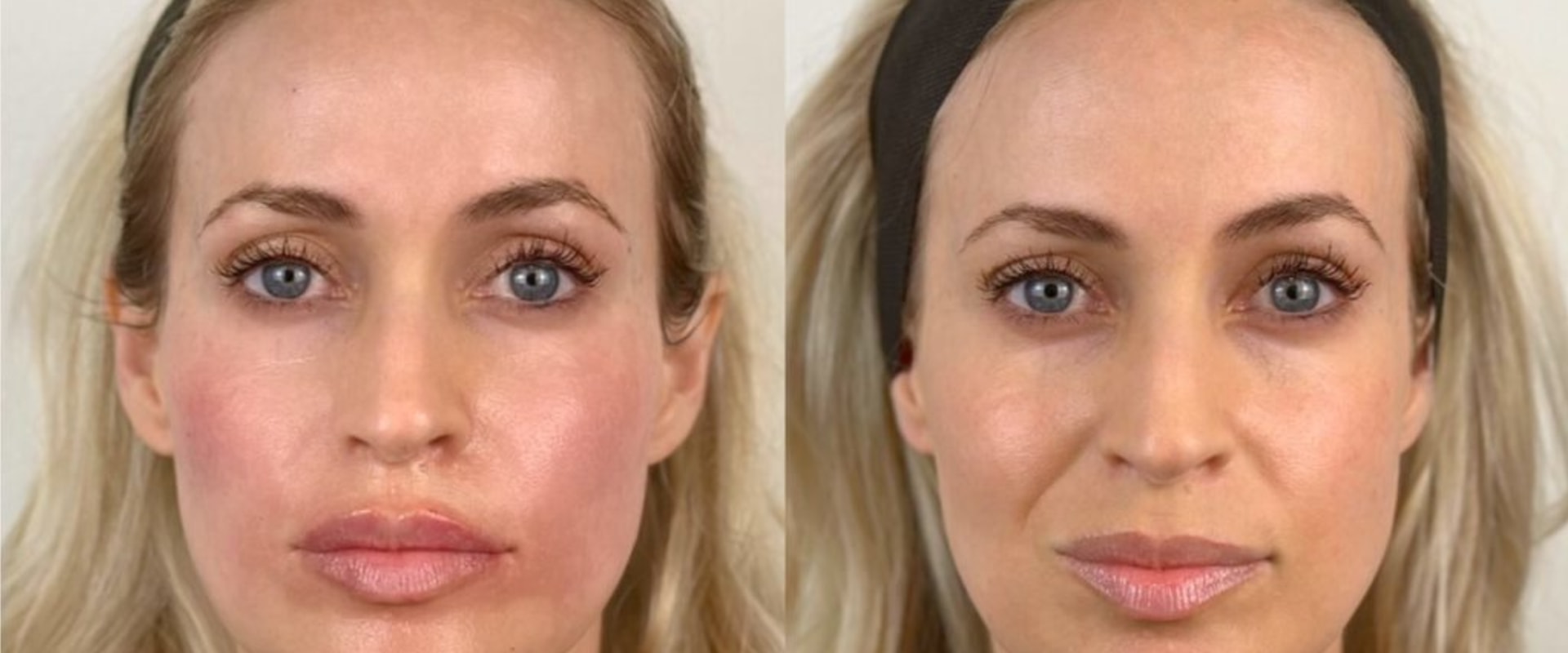
In the realm of aesthetic enhancements, cheek fillers have emerged as a popular choice for individuals seeking to restore volume and achieve a youthful appearance. These dermal fillers are specifically designed to enhance the contours of the cheeks, providing a subtle lift and improving facial symmetry. As we age, our skin naturally loses collagen and elasticity, leading to a sunken or hollow appearance in the cheeks. Cheek fillers offer a non-surgical solution to combat these signs of aging, allowing for immediate results with minimal downtime.One of the most frequently asked questions regarding cheek fillers is, how long do cheek fillers last? The longevity of these treatments can vary significantly based on several factors, including the type of filler used, the individual's age, skin type, and lifestyle choices.
Generally, cheek fillers can last anywhere from six to twelve months. However, understanding the nuances that influence their durability is crucial for anyone considering this treatment.Factors such as the specific formulation of the filler—whether it is hyaluronic acid-based or made from other materials—play a pivotal role in determining how long the effects will last. Additionally, areas with less movement, like the cheeks, tend to retain fillers longer compared to more dynamic areas such as the lips. Furthermore, maintaining a healthy lifestyle and following proper aftercare can significantly extend the lifespan of your cheek fillers.As we delve deeper into this topic, we will explore not only the expected duration of cheek fillers but also practical tips for maximising their longevity and achieving optimal results.
Understanding these elements will empower you to make informed decisions about your aesthetic journey.
What Are Cheek Fillers?
Cheek fillers are a popular cosmetic treatment designed to enhance the volume and contour of the cheeks, providing a more youthful and vibrant appearance. These fillers are typically made from substances that mimic the body's natural hyaluronic acid, a compound that helps retain moisture and adds plumpness to the skin.There are several types of cheek fillers available, each with its unique properties and benefits:- Hyaluronic Acid Fillers: These are the most common type of dermal fillers used for cheek augmentation. They are biocompatible and can hold up to 1000 times their weight in water, making them excellent for adding volume and hydration. Popular brands include Juvederm and Restylane.
- Calcium Hydroxylapatite Fillers: Found in products like Radiesse, these fillers are made from a mineral-like compound found in bones.
They provide immediate volume and stimulate collagen production over time, leading to longer-lasting results.
- Poly-L-lactic Acid Fillers: Known as Sculptra, this type of filler works by stimulating the body’s own collagen production. It is ideal for those looking for gradual results, as it can take several weeks to see the full effect.
- Fat Grafting: This is a more invasive procedure where fat is harvested from another part of the body and injected into the cheeks. While it can provide long-lasting results, it requires a surgical procedure and recovery time.
Each type has its advantages and potential drawbacks, which can influence not only the outcome but also how long the results last. By choosing the right filler for your needs, you can achieve a natural-looking enhancement that complements your facial features.
Factors Influencing the Longevity of Cheek Fillers
The longevity of cheek fillers is influenced by a variety of factors, each playing a crucial role in determining how long the effects will last. Understanding these factors can help individuals make informed decisions about their treatment and manage their expectations effectively.- Type of Filler: The specific product used for cheek augmentation significantly impacts its duration. Hyaluronic acid fillers, for instance, typically last between six to twelve months, while other types, such as calcium hydroxylapatite or poly-L-lactic acid, may offer longer-lasting results.
Each filler has unique properties that affect how quickly the body metabolises it.
- Age: As we age, our skin undergoes various changes, including decreased elasticity and volume loss. Older individuals may find that fillers do not last as long due to these changes in skin structure. Younger patients often experience longer-lasting results because their skin is generally more resilient and has better hydration levels.
- Skin Condition: The overall health and condition of the skin can also influence filler longevity. Well-hydrated and well-cared-for skin tends to hold fillers better than dry or damaged skin.
Factors such as sun exposure, smoking, and skincare routines can all affect skin quality.
- Lifestyle Choices: A healthy lifestyle can contribute to the longevity of cheek fillers. Regular exercise, a balanced diet rich in vitamins and antioxidants, and adequate hydration can enhance skin health and prolong the effects of fillers. Conversely, habits like excessive alcohol consumption or smoking can accelerate the breakdown of fillers.
- Metabolism: Individual metabolic rates vary from person to person. Those with a faster metabolism may find that their body absorbs fillers more quickly than those with a slower metabolism.
This factor is often overlooked but can significantly impact how long the results last.
- Aftercare: Proper aftercare following the injection procedure is essential for maximising the lifespan of cheek fillers. Following your practitioner’s advice regarding post-treatment care—such as avoiding strenuous exercise or excessive sun exposure for a few days—can help maintain the results.
Average Duration of Cheek Fillers
When considering the longevity of cheek fillers, it is essential to understand that the average duration can vary significantly based on several factors, including the type of filler used, the individual's age, and their overall skin condition. Generally, cheek fillers can last anywhere from six to twelve months , with some patients experiencing results that extend beyond this timeframe.One of the primary factors influencing the lifespan of cheek fillers is the specific product used.There are various types of dermal fillers available on the market, each formulated with different ingredients and properties. For instance:
- Hyaluronic Acid Fillers: These are among the most popular options for cheek augmentation. They typically last between six to nine months. Hyaluronic acid is a naturally occurring substance in the body, which means it integrates well with skin tissues.
- Calcium Hydroxylapatite Fillers: Known for providing a more substantial lift, these fillers can last up to twelve months or longer.
They stimulate collagen production, which may contribute to prolonged effects.
- Poly-L-lactic Acid Fillers: These fillers work gradually by stimulating collagen production and can last up to two years , making them a long-lasting option for those seeking more permanent results.
By understanding the different types of fillers available and taking proactive steps in aftercare, patients can set realistic expectations and enjoy their enhanced appearance for as long as possible.
How to Extend the Life of Your Cheek Fillers
To maximise the longevity of your cheek fillers, it is essential to adopt a comprehensive aftercare routine and make informed lifestyle choices. Here are some practical tips to help you extend the life of your cheek fillers:- Follow Post-Treatment Instructions: After your filler treatment, your practitioner will provide specific aftercare instructions. Adhering to these guidelines is crucial for optimal results. This may include avoiding strenuous exercise, excessive sun exposure, and certain skincare products for a few days post-treatment.
- Stay Hydrated: Keeping your body well-hydrated can significantly impact the appearance and longevity of your fillers.
Drinking plenty of water helps maintain skin elasticity and overall health, which can contribute to longer-lasting results.
- Avoid Alcohol and Smoking: Both alcohol and smoking can negatively affect your skin's health and the effectiveness of dermal fillers. Alcohol can lead to dehydration, while smoking reduces blood flow to the skin, hindering healing and potentially shortening the lifespan of your fillers.
- Use Sunscreen: Protecting your skin from UV damage is vital. Sun exposure can accelerate the ageing process and diminish the effects of fillers. Apply a broad-spectrum sunscreen with at least SPF 30 daily, even on cloudy days.
- Consider Regular Maintenance: Scheduling follow-up appointments with your practitioner can help maintain your desired look.
Regular touch-ups can ensure that your cheeks remain plump and youthful, extending the overall effect of the initial treatment.
- Healthy Diet: A balanced diet rich in vitamins and antioxidants supports skin health. Foods high in omega-3 fatty acids, such as fish and nuts, can help maintain skin elasticity and hydration.
- Avoid Excessive Facial Movements: While it’s important to express yourself, try to avoid excessive facial movements immediately after treatment. This can help prevent the filler from settling unevenly or dissipating too quickly.
Common Myths About Cheek Fillers and Their Longevity
When it comes to cheek fillers, there are numerous myths and misconceptions that can cloud the understanding of their effectiveness and longevity.Addressing these myths is crucial for anyone considering this popular cosmetic procedure.
Myth 1: Cheek Fillers Last Forever
One of the most prevalent misconceptions is that cheek fillers provide permanent results. In reality, the effects of dermal fillers typically last between six to twelve months, depending on various factors such as the type of filler used, the individual's age, and their skin condition. Over time, the body naturally metabolises the filler, leading to a gradual reduction in volume.
Myth 2: All Fillers Are the Same
Another common myth is that all dermal fillers are interchangeable. In fact, there are different types of fillers designed for specific areas of the face.
For instance, some fillers are formulated to add volume to the cheeks, while others are better suited for delicate areas like under the eyes or around the lips. Understanding these differences is essential for achieving optimal results.
Myth 3: Cheek Fillers Are Only for Older Adults
Many people believe that cheek fillers are exclusively for older individuals looking to combat signs of aging. However, younger adults also seek cheek fillers to enhance their facial contours and achieve a more balanced appearance. The decision to use fillers should be based on individual aesthetic goals rather than age alone.
Myth 4: Fillers Will Make Your Face Look Overdone
A frequent concern among potential patients is that cheek fillers will result in an unnatural or "overdone" appearance.
This fear often stems from images of poorly executed treatments. When administered by a qualified professional, cheek fillers can create subtle enhancements that maintain a natural look. The key is to communicate your desired outcome clearly with your practitioner.
Myth 5: Aftercare Is Not Important
Some individuals underestimate the importance of aftercare following filler injections. Proper aftercare can significantly influence the longevity and appearance of the results.
Following your provider's post-treatment instructions—such as avoiding strenuous exercise and excessive sun exposure—can help ensure that your results last as long as possible.By debunking these common myths about cheek fillers, individuals can make more informed decisions regarding their cosmetic treatments. Understanding the facts surrounding dermal fillers not only helps set realistic expectations but also empowers patients to achieve their desired aesthetic outcomes safely and effectively.
Comparing Cheek Fillers with Other Facial Treatments
When considering facial rejuvenation, it’s essential to understand the differences between various treatments available, particularly cheek fillers, Botox, and surgical options. Each method has its unique benefits and limitations, making it crucial to choose the right one based on individual needs and desired outcomes.Cheek Fillers vs. Botox
Both cheek fillers and Botox are popular choices for enhancing facial aesthetics, but they serve different purposes.Cheek fillers, typically made from hyaluronic acid or other volumising agents, are designed to add volume and contour to the cheeks. This treatment is particularly effective for individuals looking to restore lost volume due to ageing or enhance their facial structure.On the other hand, Botox is a neuromodulator that temporarily relaxes the muscles responsible for facial expressions. It is primarily used to reduce the appearance of dynamic wrinkles, such as crow's feet and frown lines. While Botox can provide a subtle lift to the cheeks by relaxing surrounding muscles, it does not add volume like fillers do.
Comparing Results and Longevity
The longevity of results also varies significantly between these two treatments.Cheek fillers can last anywhere from six to twelve months, depending on factors such as the type of filler used and individual metabolism. In contrast, Botox typically lasts three to six months before re-treatment is necessary.
Surgical Alternatives
For those seeking more permanent solutions, surgical options such as facelifts or cheek implants may be considered. A facelift involves lifting and tightening the skin and underlying tissues of the face, providing a more dramatic and long-lasting result compared to non-surgical treatments. However, surgery comes with higher risks, longer recovery times, and greater costs.Cheek implants offer a more permanent enhancement of cheek volume but require surgical intervention and carry similar risks associated with any surgical procedure.Making an Informed Choice
Ultimately, the choice between cheek fillers, Botox, or surgical options should be made after thorough consultation with a qualified practitioner.They can assess your facial structure, discuss your aesthetic goals, and recommend the most suitable treatment plan tailored to your needs. Understanding these alternatives will empower you to make an informed decision that aligns with your beauty aspirations.
FAQs About Cheek Fillers and Their Longevity
When considering cheek fillers, many individuals have questions regarding their longevity, safety, and overall effectiveness. Below are some of the most frequently asked questions about cheek fillers and their lasting effects.How long do cheek fillers typically last?
Cheek fillers generally last between six to twelve months, depending on various factors such as the type of filler used, the individual's age, and their skin condition. The less dynamic nature of the cheeks compared to other facial areas, like the lips, often results in longer-lasting effects.What factors influence the longevity of cheek fillers?
- Type of Filler: Different fillers have varying compositions and properties.
Hyaluronic acid-based fillers tend to last around six to twelve months, while other types may offer longer-lasting results.
- Age: As we age, our skin loses elasticity and volume, which can affect how long fillers last. Younger individuals may experience longer-lasting results due to healthier skin.
- Metabolism: An individual’s metabolic rate can influence how quickly the body breaks down the filler material.
- Aftercare: Proper aftercare following the procedure can significantly impact the longevity of the results. Staying hydrated and avoiding excessive sun exposure can help maintain the effects.
Are there any side effects associated with cheek fillers?
While cheek fillers are generally considered safe, some individuals may experience side effects such as swelling, bruising, or redness at the injection site. These effects are usually temporary and subside within a few days.It is essential to consult with a qualified practitioner to discuss potential risks and ensure a safe procedure.
Can I get more filler if I want a fuller look?
Yes, if you desire a more pronounced effect after your initial treatment, you can discuss this with your healthcare provider. They can assess your needs and recommend additional filler treatments to achieve your desired look without compromising safety.What should I do if I’m unhappy with my results?
If you are dissatisfied with your cheek filler results, it is crucial to communicate this with your practitioner. In some cases, hyaluronic acid fillers can be dissolved using an enzyme called hyaluronidase. However, this should only be performed by a qualified professional.Understanding these common queries can help you make informed decisions about cheek fillers and their longevity.Always consult with a certified practitioner for personalised advice tailored to your specific needs.
Conclusion: Key Takeaways on Cheek Filler Longevity
In summary, understanding the longevity of cheek fillers is crucial for anyone considering this popular cosmetic treatment. The duration of results can vary significantly based on several factors, including the type of filler used, the individual's age, and their overall skin condition. Typically, cheek fillers can last anywhere from six to twelve months, with some patients experiencing results that extend beyond this timeframe with proper care.Key factors influencing cheek filler longevity include:
- Type of Filler: Different fillers have varying compositions and properties, which can affect how long they last. Hyaluronic acid fillers are among the most common and generally provide a natural look while lasting up to a year.
- Age and Skin Condition: As we age, our skin loses elasticity and volume.
Younger individuals may find that their fillers last longer due to healthier skin structure.
- Injection Technique: The skill and technique of the practitioner play a significant role in achieving optimal results. A qualified professional will know how to distribute the filler effectively for lasting effects.
- Aftercare: Following post-treatment guidelines can significantly impact the longevity of your fillers. Staying hydrated, avoiding excessive sun exposure, and maintaining a healthy lifestyle can all contribute to better results.
Regular maintenance treatments may be necessary to sustain your desired look.Ultimately, consulting with a qualified healthcare provider is vital for making informed decisions about cheek fillers. They can guide you through the options available, helping you choose the right product and technique tailored to your unique needs. By understanding these key takeaways, you can approach your cosmetic journey with confidence and clarity.