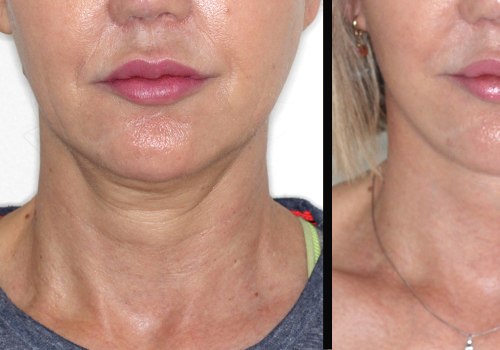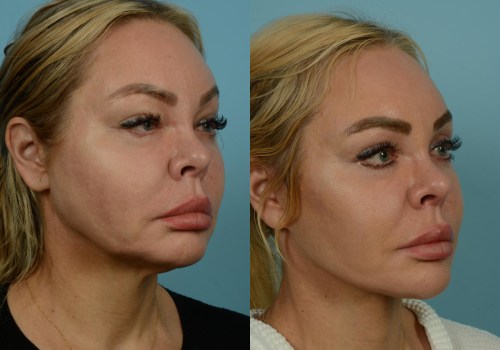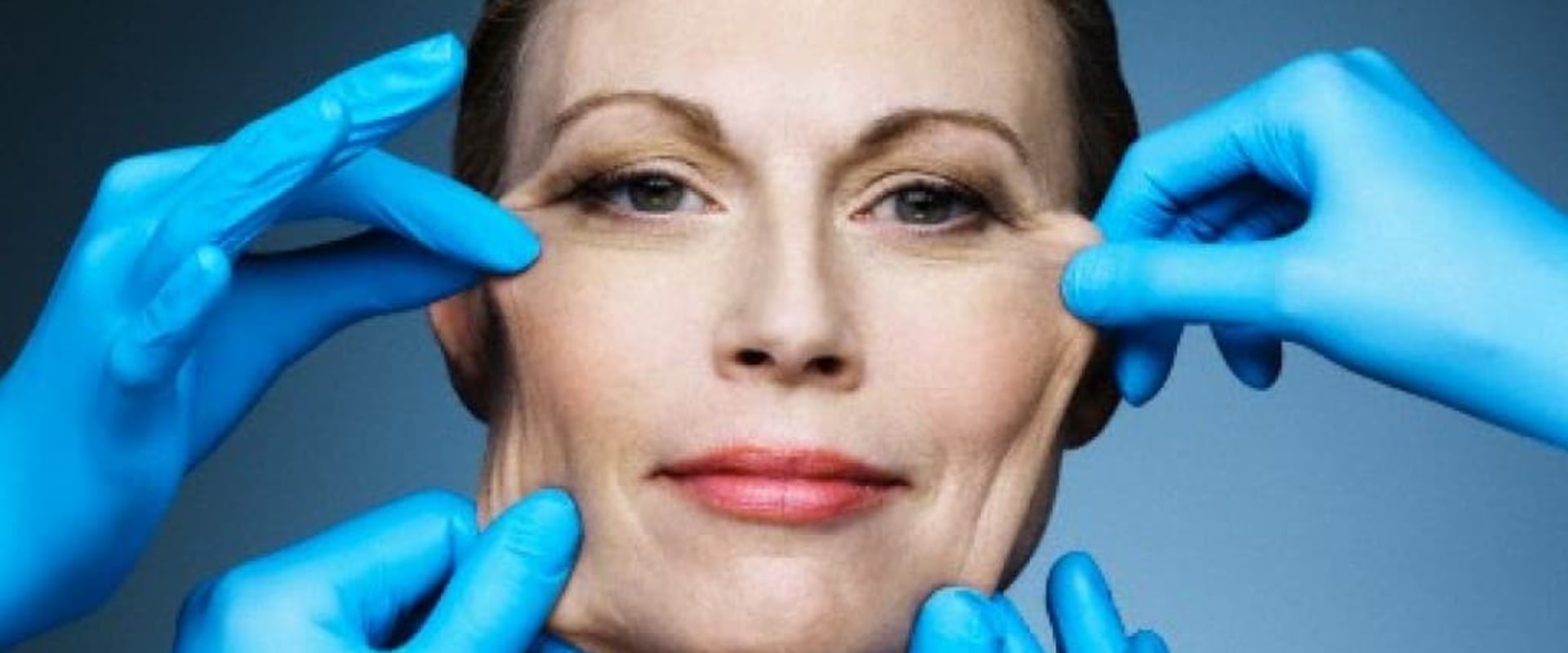
A facelift, medically known as rhytidectomy, is a cosmetic surgical procedure designed to improve the visible signs of aging in the face and neck. As individuals age, factors such as gravity, sun exposure, and the natural loss of skin elasticity can lead to sagging skin, deep creases, and a less defined jawline. A facelift aims to address these concerns by tightening the underlying muscles and removing excess skin, resulting in a more youthful and rejuvenated appearance.The surgical process typically involves making incisions around the ears and hairline, allowing the surgeon to lift and reposition the skin and underlying tissues. Depending on the extent of the procedure, additional techniques may be employed, such as liposuction to remove excess fat or a neck lift to enhance the jawline. , medically known as rhytidectomy, is a cosmetic surgical procedure designed to improve the visible signs of aging in the face and neck. As individuals age, factors such as gravity, sun exposure, and the natural loss of skin elasticity can lead to sagging skin, deep creases, and a less defined jawline. A facelift aims to address these concerns by tightening the underlying muscles and removing excess skin, resulting in a more youthful and rejuvenated appearance.The surgical process typically involves making incisions around the ears and hairline, allowing the surgeon to lift and reposition the skin and underlying tissues. Depending on the extent of the procedure, additional techniques may be employed, such as liposuction to remove excess fat or a neck lift to enhance the jawline.
Patients can expect a recovery period during which swelling and bruising may occur, but most individuals see significant improvements within a few weeks.People seek facelifts for various reasons, including a desire to enhance their self-esteem, improve their appearance for social or professional reasons, or simply to combat the effects of aging. However, it is crucial to understand that not everyone is an ideal candidate for this procedure. Factors such as overall health, skin condition, and lifestyle choices can significantly influence the suitability for a facelift. In the following sections, we will delve deeper into who may not be a good candidate for this transformative procedure.
Physical Health Factors Affecting Facelift Candidacy
When considering a facelift, it is crucial to evaluate various physical health factors that may impact candidacy for the procedure.Certain medical conditions and overall health status can significantly influence both the safety and effectiveness of a facelift.
Obesity
is one of the primary concerns when assessing a patient for facelift surgery. Excess weight can lead to complications during the surgical process, including increased risks of infection, delayed healing, and adverse reactions to anaesthesia. Furthermore, individuals who are overweight may experience changes in facial structure due to fat distribution, which can compromise the aesthetic outcomes of the surgery. Therefore, maintaining a healthy weight is essential for those considering this procedure.Chronic illnesses also play a significant role in determining whether someone is a suitable candidate for a facelift.
Conditions such as diabetes , hypertension , and cardiovascular diseases can elevate the risk of complications during and after surgery. For instance, diabetes can impair wound healing and increase susceptibility to infections, while high blood pressure may lead to cardiovascular events during the procedure. It is vital for patients to disclose their complete medical history to their surgeon to ensure that any potential risks are adequately managed.Moreover, individuals with autoimmune disorders or those on immunosuppressive medications may face additional challenges. These conditions can hinder the body’s ability to heal properly, leading to prolonged recovery times and unsatisfactory results.
Surgeons often recommend postponing cosmetic procedures until these health issues are under control.
Lifestyle factors
, such as smoking and excessive alcohol consumption, can also disqualify individuals from being good candidates for a facelift. Smoking restricts blood flow and oxygen delivery to tissues, which can severely impact healing post-surgery. Similarly, alcohol can interfere with medication and anaesthesia, complicating the surgical process.In conclusion, understanding the various health factors that affect candidacy for a facelift is essential for anyone considering this procedure. A thorough evaluation by a qualified surgeon will help determine if an individual is suitable for surgery based on their physical health status and any underlying medical conditions.
Age Considerations in Facelift Surgery
When considering a facelift, age plays a significant role in determining whether an individual is a suitable candidate for the procedure.While there is no strict age limit for undergoing a facelift, certain age-related factors can influence both the outcome of the surgery and the overall health of the patient.
Ideal Age Range for Facelift Candidates
Typically, the most suitable candidates for a facelift are individuals aged between 40 and 60. This age range often represents a point where signs of facial aging, such as sagging skin and loss of volume, become more pronounced, yet the skin still retains a degree of elasticity. Patients in this demographic are likely to experience more favourable results due to their skin's ability to heal and adapt post-surgery.However, it is essential to note that age alone should not be the sole determining factor. Each patient's skin quality, health status, and personal goals must also be taken into account.
For instance, some individuals in their late 30s may exhibit significant signs of aging due to lifestyle factors or genetics, making them potential candidates for a facelift.
Risks Associated with Older Patients
As patients age beyond 60, the risks associated with facelift surgery can increase. Older individuals may have diminished skin elasticity and slower healing processes, which can affect the surgical outcome. Additionally, older patients are more likely to have underlying health conditions such as cardiovascular issues or diabetes that could complicate surgery and recovery.It is crucial for older candidates to undergo thorough pre-operative assessments to evaluate their overall health and suitability for surgery. This assessment often includes a review of medical history, current medications, and any existing health concerns that could impact the surgical process.As patients age beyond 60, the risks associated with facelift surgery can increase. Older individuals may have diminished skin elasticity and slower healing processes, which can affect the surgical outcome. Additionally, older patients are more likely to have underlying health conditions such as cardiovascular issues or diabetes that could complicate surgery and recovery.It is crucial for older candidates to undergo thorough pre-operative assessments to evaluate their overall health and suitability for surgery. This assessment often includes a review of medical history, current medications, and any existing health concerns that could impact the surgical process.
Age Restrictions and Considerations
While there are no formal age restrictions for facelift surgery, surgeons typically advise caution when considering patients over 70.
At this stage in life, the potential for complications increases significantly. Therefore, it is vital for older patients to have realistic expectations regarding their results and to understand that while a facelift can rejuvenate their appearance, it cannot stop the aging process.In conclusion, age is an important factor in determining candidacy for a facelift. While individuals between 40 and 60 generally represent the ideal demographic for this procedure, older patients can still achieve satisfactory results with careful consideration of their health status and realistic expectations regarding recovery and outcomes.
Skin Quality and Elasticity: Key Indicators
When considering a facelift, the quality of the skin and its elasticity are crucial factors that can significantly influence both the surgical outcomes and the recovery process. Understanding these elements can help potential candidates assess their suitability for the procedure.Skin Quality
The overall quality of the skin encompasses various aspects, including texture, tone, and hydration levels.
Skin that is well-hydrated and has a smooth texture is generally more resilient and can better withstand surgical manipulation. Conversely, skin that is dry, rough, or has visible signs of damage may not respond as favourably to a facelift. Patients with conditions such as eczema or psoriasis may find that their skin's compromised state affects healing and aesthetic results.
Elasticity
Skin elasticity refers to the skin's ability to stretch and then return to its original shape. This characteristic is vital for achieving natural-looking results after a facelift.
As we age, our skin naturally loses collagen and elastin, leading to sagging and wrinkles. Candidates with good skin elasticity are more likely to experience smoother, more youthful results post-surgery. In contrast, individuals with significantly reduced elasticity may not achieve the desired lifting effect, as their skin may not retract properly after the procedure.
Assessing Skin Conditions
Before undergoing a facelift, it is essential for patients to have a thorough evaluation of their skin conditions. Dermatological issues such as severe acne scarring or active infections can complicate surgical procedures and hinder recovery.
Additionally, patients should be aware that certain medications or treatments for skin conditions may affect healing times and overall outcomes.
Consultation with Professionals
A comprehensive consultation with a qualified plastic surgeon is vital for assessing skin quality and elasticity. During this assessment, surgeons can recommend appropriate pre-operative treatments to enhance skin condition, such as chemical peels or laser therapy. These treatments can improve skin texture and elasticity, potentially leading to better surgical outcomes.In summary,A comprehensive consultation with a qualified plastic surgeon is vital for assessing skin quality and elasticity. During this assessment, surgeons can recommend appropriate pre-operative treatments to enhance skin condition, such as chemical peels or laser therapy. These treatments can improve skin texture and elasticity, potentially leading to better surgical outcomes.In summary, skin quality and elasticity are key indicators in determining candidacy for a facelift. Prospective patients should consider these factors seriously and engage in discussions with their healthcare providers to ensure they are making informed decisions about their cosmetic surgery options.
Lifestyle Choices That Impact Facelift Suitability
When considering a facelift, it is essential to evaluate how lifestyle choices can significantly influence both the suitability for the procedure and the overall results.Certain habits, particularly those related to smoking, alcohol consumption, and sun exposure, can adversely affect the skin's health and healing capacity, making individuals less ideal candidates for surgery.
Smoking and Its Effects
Smoking is one of the most detrimental lifestyle choices impacting surgical outcomes. The chemicals in cigarettes can impair blood circulation, which is crucial for healing after a facelift. Poor circulation can lead to complications such as:- Delayed healing: Smokers often experience longer recovery times due to reduced blood flow.
- Increased risk of infection: The compromised immune response in smokers can heighten the likelihood of post-operative infections.
- Poor scarring: Smoking can lead to suboptimal healing, resulting in more noticeable scars.
Alcohol Consumption
Excessive alcohol intake can also pose risks for those considering a facelift. Alcohol can dehydrate the skin and lead to inflammation, which may complicate the surgical process.Additionally, alcohol can interfere with medications prescribed before and after surgery, increasing the risk of adverse reactions. Some potential issues include:
- Increased bruising: Alcohol thins the blood, which can lead to more significant bruising post-surgery.
- Impaired judgment: Alcohol consumption may affect decision-making regarding pre-operative care and post-operative recovery.
- Interaction with anaesthesia: Alcohol can have unpredictable effects when combined with anaesthetic agents.
Sun Exposure and Skin Health
The impact of sun exposure on skin health cannot be overstated. Prolonged exposure to UV rays can lead to premature aging, including wrinkles and loss of skin elasticity. For individuals considering a facelift, excessive sun exposure may result in:- Diminished skin quality: Damaged skin may not respond well to surgical techniques.
- Increased risk of complications: Sun-damaged skin is more prone to complications during and after surgery.
- Poor aesthetic results: The final appearance may be negatively affected if the skin lacks vitality and elasticity.
By quitting smoking, moderating alcohol consumption, and protecting the skin from sun damage, individuals can enhance their suitability for surgery and improve their chances of achieving satisfying results. Prioritising these habits not only benefits surgical outcomes but also contributes to overall well-being.
Psychological Readiness and Expectations
When considering a facelift, it is crucial to address the psychological readiness of the patient. This aspect often goes overlooked, yet it plays a significant role in determining whether an individual is a suitable candidate for the procedure. A facelift is not merely a physical transformation; it also involves emotional and psychological adjustments that can impact a person's overall well-being.One of the primary factors to consider is the realistic expectations surrounding the outcomes of the surgery.Many individuals may have an idealised vision of how they wish to look post-surgery, often influenced by media portrayals or celebrity images. However, it is essential to understand that while a facelift can enhance one’s appearance, it cannot create a perfect version of oneself. Patients should be prepared for subtle changes rather than drastic transformations.Moreover, having a clear understanding of what a facelift can and cannot achieve is vital. This includes recognising that while the procedure can reduce signs of ageing, it does not halt the natural ageing process.
Patients should be mentally prepared for the fact that they will continue to age after the surgery, and their appearance will evolve over time.Another important aspect is the mental readiness to undergo surgery and its associated recovery process. The recovery period can be challenging, both physically and emotionally. Patients may experience swelling, bruising, and discomfort, which can lead to feelings of frustration or disappointment if they are not adequately prepared for these temporary changes. It is essential for candidates to have coping strategies in place and to understand that healing takes time.Additionally, individuals with underlying psychological issues such as anxiety or depression may find that these conditions can affect their perception of their surgical results.
It is advisable for potential candidates to consult with a mental health professional prior to undergoing cosmetic surgery. This step can help ensure that they are in a stable emotional state and ready to handle the changes that come with a facelift.In conclusion, psychological readiness and realistic expectations are critical components in determining whether someone is a good candidate for a facelift. By addressing these factors, patients can approach their decision with clarity and confidence, ultimately leading to more satisfying outcomes.
Comorbidities: Understanding Their Role in Candidacy
When considering a facelift, it is crucial to evaluate the presence of comorbidities, which refer to the coexistence of multiple health conditions in an individual. These comorbidities can significantly influence a patient's eligibility for surgery and the overall success of the procedure.Understanding how these health issues interact with surgical risks is essential for both patients and surgeons.Several specific health conditions can complicate the facelift process:
- Cardiovascular Diseases: Patients with a history of heart disease, including conditions such as coronary artery disease or arrhythmias, may face increased risks during surgery. The stress of anaesthesia and the surgical procedure itself can exacerbate these conditions, leading to potential complications.
- Diabetes: Individuals with diabetes must manage their blood sugar levels meticulously before and after surgery. Poorly controlled diabetes can impair healing and increase the risk of infections, making it a significant concern for facelift candidates.
- Respiratory Conditions: Chronic obstructive pulmonary disease (COPD) or asthma can pose challenges during anaesthesia. Patients with these conditions may experience difficulty breathing, which can complicate both the surgery and recovery process.
- Bleeding Disorders: Conditions that affect blood clotting, such as haemophilia or thrombocytopenia, can lead to excessive bleeding during and after surgery.
This not only increases surgical risks but also complicates recovery.
- Mental Health Issues: Psychological conditions such as severe depression or anxiety disorders can impact a patient’s ability to cope with the stresses of surgery and recovery. It is vital for patients to discuss their mental health history with their surgeon.
A thorough assessment of health conditions not only helps in determining candidacy but also plays a critical role in ensuring patient safety and achieving optimal results.
Consultation with a Plastic Surgeon: What to Expect
When considering a facelift, the initial consultation with a plastic surgeon is a crucial step in the journey. This meeting serves as an opportunity for potential candidates to discuss their goals, expectations, and any concerns they may have regarding the procedure. Understanding what to expect during this consultation can help patients feel more prepared and confident in their decision-making process.During the consultation, the surgeon will typically begin by reviewing the patient’s medical history. This includes any previous surgeries, current medications, and existing health conditions.It is essential for candidates to be open and honest about their health history, as this information can significantly impact the safety and success of the facelift. Patients should not hesitate to disclose any concerns , including issues related to skin health, allergies, or chronic conditions.Following the medical history review, the surgeon will conduct a physical examination of the patient’s face and neck. This assessment helps the surgeon determine the extent of facial aging and skin elasticity, which are critical factors in planning the procedure. The surgeon may also take photographs for reference during surgery and to track progress post-operation.It is also during this time that patients should feel empowered to ask questions.
Here are some important queries to consider:
- What techniques do you recommend for my specific needs?
- What are the potential risks and complications associated with this procedure?
- What can I expect in terms of recovery time?What can I expect in terms of recovery time?
- How many facelift procedures have you performed?
- Can you provide before-and-after photos of previous patients?
By being open about health history and asking pertinent questions, potential candidates can gain valuable insights that will aid them in making informed choices about their cosmetic journey.
<strong>Conclusion</strong>
In summary, determining whether a facelift is the right choice for an individual involves careful consideration of various factors. Not everyone is a suitable candidate for this cosmetic procedure, and understanding the key elements that influence candidacy is crucial for achieving optimal results.Health and Medical History
- Individuals with significant health issues, such as heart disease, diabetes, or respiratory conditions, may face increased risks during surgery.
- Patients should disclose their complete medical history to their surgeon to assess any potential complications that could arise.
Age and Skin Condition
- While age alone does not disqualify someone from undergoing a facelift, those with poor skin elasticity or advanced signs of aging may not achieve the desired outcomes.
- Typically, candidates between the ages of 40 and 60 are ideal, but younger or older individuals can be considered based on their skin quality.
Lifestyle Factors
- Unhealthy lifestyle choices, such as smoking and excessive alcohol consumption, can hinder recovery and affect the final results of the surgery.
- Sun damage also plays a significant role in skin quality; therefore, individuals with extensive sun exposure may need to reconsider.
Realistic Expectations
- It is essential for potential candidates to have realistic expectations regarding the outcomes of a facelift. Understanding what the procedure can and cannot achieve is vital for satisfaction post-surgery.
- Moreover, those who cannot commit to the necessary recovery time may find themselves ill-suited for this procedure.