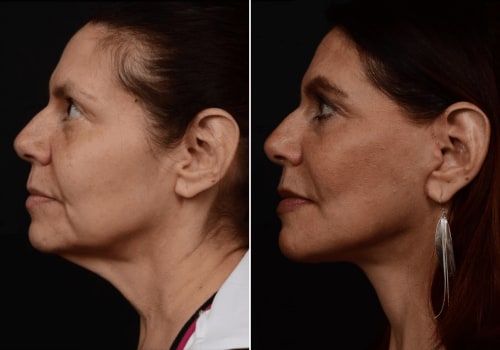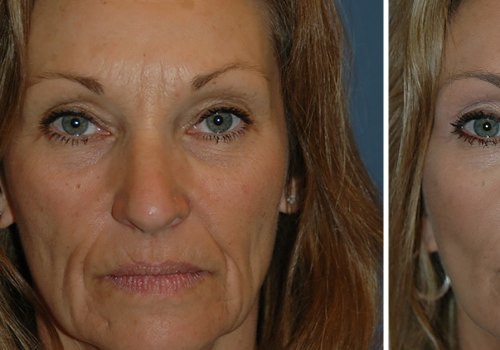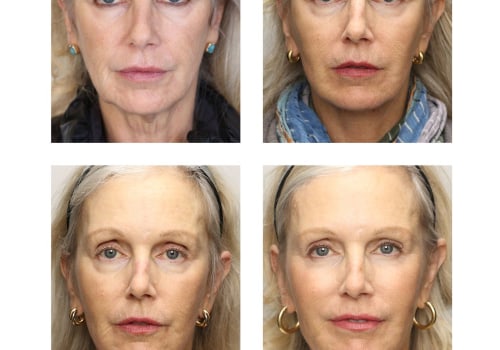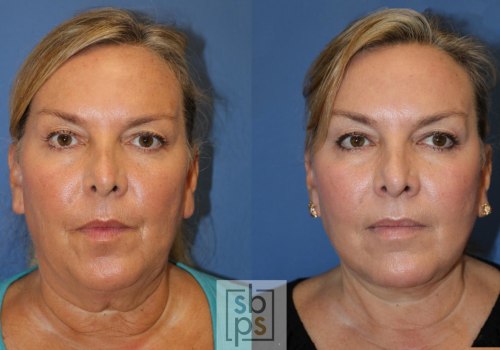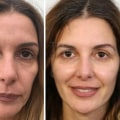
A facelift , medically known as rhytidectomy, is a popular cosmetic surgical procedure designed to enhance the appearance of the face and neck by addressing the visible signs of aging. As we age, our skin loses elasticity, leading to sagging, wrinkles, and a less defined jawline. A facelift aims to reverse these effects, providing a more youthful and rejuvenated look. This procedure can significantly boost self-esteem and confidence, making it a sought-after option for many individuals looking to improve their facial aesthetics.There are several types of facelifts available, each tailored to meet different needs and concerns.
The most common types include the traditional facelift, which addresses extensive sagging and deep wrinkles across the entire face; the mini-facelift, which focuses on specific areas such as the lower face and neck; and non-invasive options like thread lifts or injectables that offer subtle improvements without the need for surgery. Understanding these variations is crucial for anyone considering a facelift, as it allows them to choose the most suitable option based on their individual goals and budget.In addition to enhancing physical appearance, facelifts can also have psychological benefits. Many patients report feeling more confident and satisfied with their appearance post-procedure. However, it is essential to approach this decision with careful consideration and thorough research.
Consulting with a qualified cosmetic surgeon can provide valuable insights into what to expect from the procedure, recovery times, and potential risks involved. This foundational knowledge will serve as a stepping stone for readers as they explore more affordable facelift options in the following sections.
The Traditional Facelift: Pros and Cons
The traditional facelift, also known as rhytidectomy, is a surgical procedure designed to enhance the appearance of the face by addressing various signs of aging. This method is particularly effective for individuals experiencing sagging skin, deep wrinkles, and loss of facial volume. By tightening the underlying muscles and removing excess skin, a traditional facelift can significantly rejuvenate one’s appearance.Benefits of a Traditional Facelift
- Long-lasting Results: One of the primary advantages of a traditional facelift is its ability to provide long-lasting results.
Unlike non-invasive procedures that may require frequent touch-ups, a facelift can maintain its effects for several years, often up to a decade or more.
- Comprehensive Rejuvenation: This procedure addresses multiple areas of the face simultaneously, including the jawline, cheeks, and neck. As a result, patients often experience a more balanced and harmonious facial appearance.
- Improved Skin Tightness: By removing excess skin and tightening underlying tissues, a traditional facelift can lead to smoother and firmer skin, effectively reducing the visible signs of aging.
- Boosted Self-Confidence: Many individuals report increased self-esteem and confidence following their facelift, as they feel more youthful and attractive.
Drawbacks of a Traditional Facelift
- Cost: The financial investment for a traditional facelift can be significant, typically ranging from £5,000 to £10,000 or more. This cost can be prohibitive for some individuals.
- Surgical Risks: As with any surgical procedure, there are inherent risks involved. Potential complications may include infection, scarring, or adverse reactions to anesthesia.
It is crucial for patients to discuss these risks with their surgeon during the consultation process.
- Recovery Time: The recovery period following a traditional facelift can be extensive. Patients may experience swelling and bruising for several weeks, requiring time off work and social activities.
- Permanence of Results: While many appreciate the long-lasting effects of a facelift, it is essential to understand that aging will continue post-procedure. Future treatments may still be necessary to maintain desired results.
Non-Invasive Facelift Alternatives
In recent years, the demand for non-invasive facelift options has surged, as more individuals seek effective ways to rejuvenate their appearance without the need for extensive surgery.These alternatives not only offer a more affordable route but also come with significantly reduced recovery times and lower risks associated with surgical procedures.Among the most popular non-invasive facelift options are:
- Laser Therapy: This technique employs focused light energy to stimulate collagen production, tighten skin, and reduce the appearance of fine lines and wrinkles. Laser therapy is particularly effective for those looking to enhance skin texture and tone.
- Ultrasound Treatments: Using sound waves, ultrasound treatments penetrate deep into the skin layers, promoting collagen regeneration. This method is known for its ability to lift and tighten sagging skin without any downtime.
- Injectables: Products such as dermal fillers and Botox are widely used to achieve a youthful look. Fillers can restore lost volume in areas like the cheeks and lips, while Botox effectively smooths out dynamic wrinkles by temporarily relaxing facial muscles.
- Radiofrequency Treatments: This method uses radiofrequency energy to heat the skin's deeper layers, stimulating collagen production and resulting in tighter skin.
It is a popular choice for those seeking subtle lifting effects.
This contrasts sharply with traditional facelifts, which often necessitate weeks of recovery and can involve significant discomfort.In conclusion, non-invasive facelift alternatives provide an excellent solution for individuals seeking to enhance their appearance without the financial burden or recovery challenges associated with surgical options. With various techniques available, patients can choose the method that best suits their needs and lifestyle while achieving noticeable results.
Mini-Facelifts: A Budget-Friendly Choice
For individuals seeking a more affordable alternative to traditional facelifts, mini-facelifts have emerged as a popular choice. This procedure is designed to address specific areas of the face, making it an ideal option for those who may not require the extensive changes offered by a full facelift.A mini-facelift typically focuses on the lower third of the face, targeting issues such as sagging skin around the jawline and neck. Unlike a full facelift, which involves more extensive incisions and a longer recovery time, a mini-facelift uses smaller incisions, often hidden within the hairline or natural creases of the skin.This approach not only reduces visible scarring but also allows for a quicker recovery period.
Benefits of Mini-Facelifts
- Less Invasive: The mini-facelift is less invasive than its full counterpart, resulting in reduced trauma to the skin and underlying tissues.
- Shorter Recovery Time: Patients can typically return to their normal activities within a week, compared to several weeks for a full facelift.
- Cost-Effective: The overall cost of a mini-facelift is significantly lower, generally ranging from £3,000 to £8,000, depending on the surgeon's expertise and geographical location.
- Natural-Looking Results: The procedure provides subtle yet noticeable improvements, enhancing one’s appearance without looking overly done.
Factors Influencing Facelift Costs
When considering a facelift, understanding the various factors that influence the overall cost is crucial for making an informed decision.Several elements can significantly affect the price of this cosmetic procedure, including geographical location, the surgeon's experience, and the complexity of the surgery.
Geographical Location
The location where you choose to have your facelift can greatly impact the cost. Generally, larger metropolitan areas tend to have higher prices due to increased demand and higher living costs. For instance, a facelift in cities like London or Manchester may range from £8,000 to £15,000, while the same procedure in smaller towns could be more affordable, often falling between £5,000 and £10,000.Additionally, regional differences in healthcare regulations and standards can also play a role. In some areas, clinics may offer competitive pricing to attract clients, while in others, prices may be inflated due to a lack of competition.Therefore, it is advisable to research various locations and consider travelling to a smaller city or town where costs may be lower.
Surgeon’s Experience and Reputation
The expertise of the surgeon performing your facelift is another critical factor influencing cost. Highly experienced surgeons with a strong reputation in the field often charge more for their services. This is because they bring a wealth of knowledge and skill that can lead to better outcomes and fewer complications.When evaluating potential surgeons, consider their qualifications, years of experience, and patient reviews. While it might be tempting to opt for a less expensive option with a less experienced surgeon, investing in a qualified professional can ultimately save you money in the long run by reducing the risk of needing corrective procedures.Complexity of the Procedure
The complexity of your specific facelift procedure will also affect the overall cost.A traditional facelift that addresses multiple areas of the face will typically be more expensive than a mini-facelift or non-invasive options. Furthermore, if additional procedures such as eyelid surgery or neck lifts are performed simultaneously, this will increase both the duration of surgery and associated costs.In summary, when planning for a facelift, it is essential to consider how geographical location, surgeon experience, and procedural complexity can influence costs. By doing thorough research and consulting with multiple professionals, you can find an option that fits your budget while ensuring quality care.
Financing Your Facelift: Payment Plans and Options
When considering a facelift, the financial aspect can often be a significant concern. Fortunately, there are various financing options available to help make this transformative procedure more accessible.Understanding these options can empower you to make informed decisions about your cosmetic surgery journey.
Payment Plans Offered by Clinics
Many cosmetic surgery clinics recognise the financial burden that a facelift can impose and therefore offer flexible payment plans. These plans typically allow patients to spread the cost of their procedure over several months or even years. Here are some common features of these payment plans:
- Low or No Interest Rates: Some clinics may offer interest-free financing for a limited period, making it easier to manage payments without incurring additional costs.
- Flexible Terms: Payment plans can vary in length, allowing you to choose a term that fits your budget. Options may range from 6 months to 5 years.
- Easy Application Process: Most clinics provide a straightforward application process, often with instant approval, so you can quickly determine your eligibility.
Third-Party Financing Options
If the clinic does not offer in-house financing, there are third-party financing companies that specialise in medical procedures.
These companies provide loans specifically for cosmetic surgery, including facelifts. When considering third-party financing, keep the following in mind:
- Credit Score Requirements: Your credit score will play a crucial role in determining your eligibility and the interest rates offered.
- Loan Terms: Review the terms carefully, including interest rates and repayment periods, to ensure they align with your financial situation.
Budgeting for Your Facelift
Effective budgeting is essential when planning for a facelift. Here are some tips to help you manage your finances:
- Research Costs: Understand the total cost of the procedure, including surgeon fees, anaesthesia, facility fees, and post-operative care.
- Create a Savings Plan: Aim to save at least 10-15% of the total cost for unexpected expenses that may arise during recovery.
- Consider Additional Expenses: Factor in any time off work needed for recovery and how that might impact your income.
Preparing for Your Facelift: What You Need to Know
Preparing for a facelift is a crucial step that can significantly influence the outcome of your surgery and your recovery process. Understanding what to expect and how to prepare can help alleviate anxiety and ensure a smoother experience.Pre-operative Consultations
Your journey begins with a thorough consultation with your chosen surgeon.
This meeting is essential for discussing your goals, expectations, and any concerns you may have. During this consultation, your surgeon will:
- Evaluate your medical history and current health status.
- Discuss the specific techniques that will be used in your facelift.
- Explain the potential risks and complications associated with the procedure.
- Provide information on what to expect during recovery.
Medical Evaluations
In some cases, your surgeon may require additional medical evaluations before proceeding with the facelift. These evaluations can include:
- Blood tests: To assess your overall health and identify any underlying conditions that could affect surgery.
- Cardiovascular assessments: Particularly if you have a history of heart issues or are over a certain age.
- Skin assessments: To determine the best approach for your skin type and condition.
Lifestyle Adjustments
Making certain lifestyle changes in the weeks leading up to your facelift can enhance your recovery.
Consider the following adjustments:
- Avoid smoking: Smoking can impede blood flow and delay healing. It’s advisable to quit at least four weeks before surgery.
- Limit alcohol consumption: Alcohol can interfere with anesthesia and increase bleeding. Reducing intake in the days leading up to your procedure is recommended.
- Maintain a healthy diet: Eating a balanced diet rich in vitamins and minerals can support healing. Focus on foods high in protein, vitamins C and E, and antioxidants.
- Stay hydrated: Proper hydration is essential for optimal skin health and recovery.
What to Expect Before Surgery
The day before your facelift, you will likely receive specific instructions from your surgeon regarding fasting or medication adjustments.
It’s common to feel a mix of excitement and nervousness; however, being well-prepared can help ease these feelings. Ensure you have arranged for someone to accompany you on the day of surgery, as you will not be able to drive yourself home afterward.By taking these preparatory steps seriously, you can set yourself up for a successful facelift experience that meets your aesthetic goals while prioritising safety and recovery.
Post-Operative Care: Ensuring a Smooth Recovery
Post-operative care is crucial for achieving optimal results after a facelift. Proper management during the recovery phase can significantly influence the healing process and the overall outcome of the procedure. Here are some essential tips to ensure a smooth recovery.Managing Pain and Discomfort
It is common to experience some level of discomfort following a facelift.Your surgeon will likely prescribe pain medication to help manage this. It is important to take these medications as directed, especially in the first few days post-surgery when swelling and bruising are at their peak. Additionally, applying cold compresses to the face can help reduce swelling and alleviate pain.
Caring for Incisions
Proper care of your incisions is vital to prevent infection and promote healing. Follow these guidelines:- Keep the area clean: Gently cleanse the incisions with mild soap and water as instructed by your surgeon.
- Avoid touching: Refrain from touching or scratching the incision sites to minimise the risk of infection.
- Moisturise: Use any prescribed ointments or creams to keep the incisions moist, which can aid in healing.
Monitoring Recovery
Pay close attention to your body’s signals during recovery.If you notice any signs of infection, such as increased redness, swelling, or discharge from the incision sites, contact your surgeon immediately. It’s also essential to monitor your pain levels; if they become unmanageable despite medication, seek medical advice.
Follow-Up Appointments
Regular follow-up appointments with your surgeon are critical for assessing your healing progress. These visits allow your surgeon to check the incisions, remove any stitches if necessary, and address any concerns you may have. Typically, the first follow-up occurs within a week after surgery, but your surgeon will provide a personalised schedule based on your specific case.Rest and Recovery
Rest is one of the most important aspects of post-operative care.Ensure you get plenty of sleep and avoid strenuous activities for at least two weeks following your facelift. Elevating your head while sleeping can also help reduce swelling.By adhering to these post-operative care guidelines, you can enhance your recovery experience and enjoy the results of your facelift more fully. Remember that patience is key; healing takes time, but with proper care, you will be on your way to looking and feeling rejuvenated.
Common Myths About Facelifts Debunked
When considering a facelift, many individuals are often influenced by myths and misconceptions that can cloud their understanding of the procedure. It’s essential to separate fact from fiction to make informed decisions.Here, we debunk some of the most common myths surrounding facelifts.
- Myth 1: Facelifts are only for older people.
While facelifts are often associated with older individuals, younger patients can also benefit from the procedure. Many people in their 30s and 40s opt for facelifts to address early signs of aging or to enhance their facial contours. - Myth 2: Facelifts leave noticeable scars.
Modern surgical techniques have significantly improved, allowing for incisions that are strategically placed to minimise scarring. Most scars are well-hidden within the hairline or natural creases of the skin, making them less visible. - Myth 3: A facelift will make you look unnatural.
When performed by a skilled surgeon, a facelift should enhance your natural beauty rather than create an artificial appearance. The goal is to achieve a refreshed look that maintains your unique features. - Myth 4: Facelifts are a one-size-fits-all solution.
Every individual’s face is different, and a tailored approach is crucial.Surgeons assess each patient’s unique facial structure and skin condition to create a personalised treatment plan that addresses specific concerns.
- Myth 5: Facelifts are only about tightening skin.
While tightening sagging skin is a significant aspect of the procedure, facelifts also involve repositioning underlying tissues and fat to restore volume and achieve a more youthful contour.
Conclusion: Making Informed Choices About Facelift Options
As we draw this discussion to a close, it is essential to reflect on the key insights regarding facelift options and the considerations that should guide your decision-making process. The journey towards achieving a more youthful appearance through cosmetic procedures can be both exciting and daunting, particularly when it comes to understanding the financial implications and the variety of available options.First and foremost, it is crucial to recognise that not all facelift procedures are created equal.From traditional surgical facelifts to non-invasive alternatives, each option presents its own set of benefits and drawbacks. While traditional facelifts may offer more dramatic results, they also come with higher costs and longer recovery times. In contrast, non-invasive methods, such as laser therapy or injectables, can provide more affordable solutions with minimal downtime.When considering a facelift, location plays a significant role in determining the overall cost. As highlighted earlier, opting for procedures in smaller towns or cities can lead to substantial savings without compromising on quality.
Therefore, it may be worthwhile to explore clinics outside major metropolitan areas.Moreover, understanding the financial aspects of a facelift is vital. Many clinics now offer payment plans , making it easier for patients to manage costs over time. However, it is essential to scrutinise these plans carefully, as interest rates and hidden fees can add up quickly.Ultimately, thorough research is paramount. Take the time to consult with multiple surgeons, read reviews from previous patients, and ask questions about their experience and qualifications.
This due diligence will not only help you find a reputable practitioner but also ensure that you are well-informed about the procedure itself.In conclusion, making an informed choice about your facelift options requires careful consideration of various factors including cost, type of procedure, location, and the qualifications of your chosen surgeon. By prioritising safety and quality over mere affordability, you can embark on your journey towards rejuvenation with confidence.