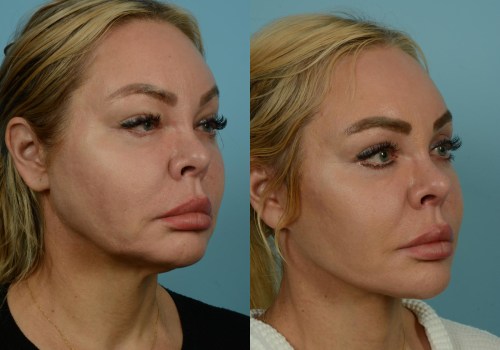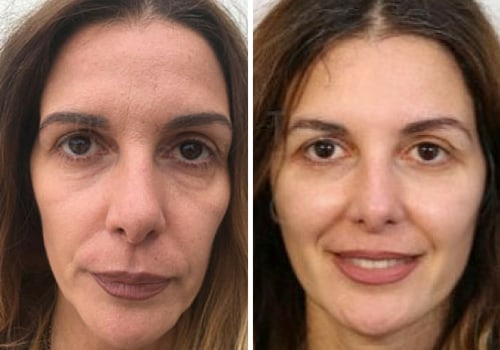
Facelift surgery, a popular cosmetic procedure aimed at rejuvenating the face by tightening sagging skin and reducing the appearance of wrinkles, has gained significant traction in recent years. While many individuals seek this surgical intervention to enhance their appearance and boost self-confidence, it is crucial to acknowledge that the journey does not always lead to satisfaction. The emotional and psychological ramifications of undergoing a facelift can be profound, often leading to feelings of regret for some patients.One of the primary reasons individuals may experience facelift regret is rooted in unrealistic expectations. Many patients enter the operating room with a vision of achieving a youthful, flawless appearance, only to find that the results do not align with their aspirations.
This disconnect can lead to disappointment and a sense of loss, as they grapple with the reality that a facelift cannot halt the natural aging process or completely transform their identity.Moreover, the emotional impact of undergoing such a procedure can be unexpected. Patients may find themselves confronting feelings of anxiety or distress post-surgery, particularly if they struggle to recognise their own reflection. The psychological toll can be exacerbated by societal pressures and personal insecurities, making it essential for prospective patients to engage in thorough self-reflection and realistic discussions with their surgeons before committing to surgery.As we delve deeper into the complexities surrounding facelift surgery and its potential for regret, it becomes evident that understanding the emotional landscape is just as important as considering the physical outcomes. By exploring real-life experiences and acknowledging the multifaceted nature of cosmetic surgery, we can better equip individuals with the knowledge needed to make informed decisions about their bodies and well-being.
What is a Facelift?
A facelift, medically known as rhytidectomy, is a cosmetic surgical procedure designed to improve the visible signs of aging in the face and neck.This procedure primarily targets sagging skin, deep creases, and loss of muscle tone, which can occur due to factors such as genetics, sun exposure, and lifestyle choices. By repositioning underlying tissues and removing excess skin, a facelift can create a more youthful and rejuvenated appearance.There are several types of facelifts, each tailored to address specific concerns and achieve different outcomes:
- Traditional Facelift: This is the most common type, involving incisions around the hairline and extending down in front of the ear. It allows for significant lifting of the skin and underlying tissues.
- Mini Facelift: A less invasive option that requires smaller incisions. It is ideal for individuals with mild to moderate sagging and offers a quicker recovery time.
- Mid-Facelift: Focused on the middle section of the face, this technique lifts the cheeks and smooths nasolabial folds.
It is often performed through small incisions inside the mouth or at the hairline.
- Neck Lift: While not a facelift in the traditional sense, a neck lift can be performed simultaneously to enhance the overall results by tightening loose skin and muscles in the neck area.
While many individuals experience satisfaction with their results, it is essential to have realistic expectations about what a facelift can achieve. Understanding these aspects can help mitigate feelings of regret that some may experience after undergoing this transformative procedure.
Common Reasons for Regret After a Facelift
Undergoing a facelift is a significant decision that can lead to various outcomes, both positive and negative. While many individuals seek this procedure to enhance their appearance and boost their self-esteem, there are several reasons why some may find themselves regretting their choice. Understanding these reasons can help potential patients make informed decisions and set realistic expectations.Unrealistic Expectations
One of the most prevalent reasons for regret after a facelift is having unrealistic expectations.Many individuals enter the process with a vision of achieving a youthful, flawless appearance. However, it is crucial to recognise that while a facelift can rejuvenate the face, it cannot halt the natural aging process or create perfection. Patients may be disappointed if the results do not align with their idealised image, leading to feelings of dissatisfaction.
Emotional Impact
The emotional ramifications of undergoing a facelift can be profound. Some individuals may experience a sense of loss regarding their previous appearance, leading to feelings of identity crisis.The psychological adjustment to a new look can be challenging, especially if the changes are drastic. For some, this emotional turmoil can manifest as anxiety or depression, particularly if they feel unrecognisable in the mirror.
Physical Discomfort and Complications
Physical reasons for regret often stem from complications or unexpected outcomes following surgery. While many patients recover without issues, others may experience pain , swelling, or scarring that does not heal as anticipated. In some cases, patients may develop complications such as infection or nerve damage, which can lead to long-term dissatisfaction with their results.Influence of External Pressures
Another factor contributing to regret is the influence of external pressures.Individuals who undergo surgery to meet societal standards or the expectations of others—such as partners or friends—may find themselves feeling regretful if the results do not align with their personal desires. It is essential for patients to pursue cosmetic procedures for themselves rather than for external validation.
Lack of Comprehensive Research
A lack of thorough research and understanding about the procedure can also lead to regret. Patients who do not fully grasp the risks, limitations, and potential outcomes may enter surgery with misguided hopes. Engaging in comprehensive preoperative consultations and seeking multiple opinions can help mitigate this risk.In conclusion, recognising these common reasons for regret after a facelift can empower individuals to approach their decision with greater awareness and preparation.By setting realistic expectations and prioritising personal motivations over external influences, potential patients can navigate their cosmetic journey more effectively.
Unrealistic Expectations: A Major Factor in Regret
One of the most significant contributors to regret following a facelift is the presence of unrealistic expectations. Many individuals enter the realm of cosmetic surgery with a vision of how they want to look, often influenced by societal standards, celebrity images, or even the experiences of friends and family. However, these expectations can sometimes be far removed from what is realistically achievable through surgical intervention.It is crucial for patients to understand that while a facelift can enhance their appearance, it cannot halt the natural aging process or completely transform their facial structure. The results of a facelift are often subtle and may not align with the dramatic changes some patients envision.This disconnect can lead to feelings of disappointment and regret once the initial excitement of the procedure fades.Effective communication between the patient and the surgeon is paramount in managing these expectations. During consultations, patients should feel empowered to discuss their goals openly and honestly. Surgeons, in turn, must provide clear and comprehensive information about what can realistically be achieved. This includes discussing potential limitations, recovery times, and any risks associated with the procedure.Moreover, patient education plays a vital role in setting realistic expectations.
Prospective patients should engage in thorough research about facelifts and seek out testimonials from individuals who have undergone similar procedures. Understanding both positive outcomes and potential pitfalls can help create a more balanced perspective.Additionally, it is essential for patients to reflect on their motivations for seeking a facelift. Those who pursue surgery primarily to meet external pressures—such as societal beauty standards or the expectations of others—may find themselves more susceptible to regret. Instead, individuals should focus on their personal desires for change and improvement.In conclusion, managing expectations is a critical aspect of the facelift journey.
By fostering open dialogue with surgeons and prioritising education about the procedure, patients can significantly reduce the likelihood of experiencing regret post-surgery. Ultimately, a well-informed patient is more likely to achieve satisfaction with their results and embrace their new appearance with confidence.
The Psychological Impact of Facelift Surgery
Undergoing a facelift can be a transformative experience, but it is essential to consider the psychological impact that such a procedure may have on an individual. While many patients seek a facelift to enhance their appearance and boost their self-esteem, the emotional aftermath can sometimes lead to unexpected challenges.One significant concern is the development of body dysmorphia , a mental health condition where individuals have a distorted view of their appearance. After a facelift, some patients may fixate on perceived imperfections or feel that they do not look like themselves anymore.This disconnection from one’s identity can exacerbate feelings of anxiety and dissatisfaction, leading to a cycle of regret.Moreover, the anticipation surrounding the surgery can create unrealistic expectations. Patients often envision a flawless outcome, believing that the facelift will resolve deeper issues related to self-image or personal happiness. When the results do not meet these expectations, it can lead to profound disappointment and feelings of inadequacy.In addition to body dysmorphia, many individuals experience heightened levels of anxiety post-surgery. The recovery process can be physically uncomfortable and emotionally taxing, as patients grapple with changes in their appearance.
This anxiety may manifest as panic attacks or overwhelming feelings of regret, particularly if the individual feels unprepared for the emotional toll of the surgery.It is crucial for potential facelift candidates to engage in thorough preoperative counseling. Understanding the potential psychological effects and having realistic expectations can significantly mitigate feelings of regret. Open communication with healthcare providers about mental health history and concerns can also help tailor a more supportive approach to recovery.Ultimately, while a facelift may offer physical enhancements, it is vital to acknowledge and address the psychological ramifications that accompany such a decision. By prioritising mental well-being alongside physical transformation, individuals can navigate their journey with greater awareness and resilience.
Real Stories: Personal Accounts of Regret
Many individuals who have undergone a facelift often share their experiences, revealing a spectrum of emotions ranging from satisfaction to profound regret.These personal accounts shed light on the complexities surrounding cosmetic surgery and the psychological ramifications that can follow.One poignant story comes from Sarah, a 45-year-old marketing executive. After years of feeling self-conscious about her sagging skin, she decided to pursue a facelift. Initially, she was thrilled with the results; however, as time passed, she began to feel disconnected from her own reflection. "I looked in the mirror and saw someone I didn’t recognise.
It was like I was wearing a mask," she recalled. This dissonance led to feelings of regret as she grappled with the notion that she had altered her identity in pursuit of youth.Another account is from Mark, a 52-year-old father of two. He underwent a facelift to boost his confidence after a divorce. While he anticipated a newfound sense of self-esteem, he found himself feeling more anxious instead.
"I thought I would feel liberated, but instead, I felt trapped by my appearance. I became obsessed with maintaining my looks and it consumed me," he shared. Mark's experience highlights how the desire for change can sometimes lead to unexpected emotional burdens.Then there’s the story of Linda, who had her facelift at 60. She had always been open about her desire to look younger but later expressed regret over her decision.
"I wish I had embraced my age instead of fighting it. The surgery didn’t bring me happiness; it brought me anxiety about keeping up appearances," she admitted. Linda’s narrative underscores the importance of understanding that cosmetic procedures do not guarantee emotional fulfilment.These testimonials serve as cautionary tales for those considering a facelift. They emphasise the necessity of having realistic expectations and being aware of the potential psychological impacts post-surgery.
It is crucial for prospective patients to engage in thorough discussions with their surgeons and reflect on their motivations for seeking cosmetic enhancement.Ultimately, these real-life stories reveal that while a facelift may offer physical changes, the emotional journey can be far more complex and challenging than anticipated.
How to Prepare for a Facelift: Minimising Regret
Preparing for a facelift is a crucial step in ensuring that you achieve the desired results while minimising the risk of regret. A well-informed decision can significantly impact your satisfaction with the outcome. Here are some essential tips to help you prepare effectively:- Conduct Thorough Research: Before committing to a facelift, invest time in researching the procedure. Understand the various techniques available, recovery times, and potential risks involved.
Familiarise yourself with the qualifications and experience of potential surgeons. Online reviews and testimonials can provide insight into other patients' experiences.
- Schedule Consultations: Meeting with multiple surgeons is vital. During these consultations, discuss your goals and expectations openly. A reputable surgeon will assess your facial structure and skin condition, providing realistic insights into what a facelift can achieve for you.
This dialogue is essential for aligning your expectations with what is feasible.
- Set Realistic Goals: One of the most common reasons individuals regret their facelift is due to unrealistic expectations. Understand that while a facelift can enhance your appearance, it cannot halt the natural ageing process or make you look like someone else. Aim for improvements that align with your natural features rather than drastic changes.
- Understand Informed Consent: Informed consent is a critical aspect of any surgical procedure. Ensure that you fully comprehend the details of the surgery, including potential complications and recovery challenges.
Ask questions until you feel confident in your understanding. This knowledge will empower you to make an informed decision.
- Consider Psychological Preparedness: Beyond physical preparation, it’s essential to assess your emotional readiness for surgery. Reflect on your motivations for wanting a facelift and ensure they stem from personal desires rather than external pressures. Consulting with a mental health professional can provide clarity and help address any underlying concerns.
Remember, this journey is not just about enhancing your appearance; it’s about ensuring that you feel confident and satisfied with the choices you make regarding your body.
The Role of Surgeons in Managing Patient Expectations
In the realm of cosmetic surgery, particularly with procedures like a facelift, the role of the surgeon extends far beyond the operating room. Surgeons are pivotal in shaping patient expectations and ensuring that individuals are well-informed about what to anticipate before, during, and after their surgery. This responsibility encompasses effective communication, thorough preoperative assessments, and the provision of informed consent.Effective Communication
One of the most critical aspects of a surgeon's role is to foster open lines of communication with their patients. This begins with an initial consultation where the surgeon should actively listen to the patient's concerns, desires, and motivations for seeking a facelift.
By understanding the patient's perspective, surgeons can tailor their approach to meet individual needs while also setting realistic expectations.During these discussions, it is essential for surgeons to clearly articulate what a facelift can and cannot achieve. For instance, while a facelift can significantly rejuvenate one's appearance by tightening sagging skin and reducing wrinkles, it cannot halt the aging process or completely restore youthful features. By providing a balanced view of potential outcomes, surgeons can help mitigate feelings of disappointment post-surgery.
Informed Consent
Informed consent is another crucial element in managing patient expectations. This process involves educating patients about the risks, benefits, and limitations associated with the procedure.
Surgeons should ensure that patients fully understand possible complications such as scarring, asymmetry, or dissatisfaction with results. This transparency not only empowers patients but also fosters trust between them and their surgeon.Moreover, surgeons should encourage patients to ask questions and express any concerns they may have. This dialogue can help clarify misunderstandings and reinforce realistic expectations regarding recovery times and post-operative care.
Post-Operative Support
The role of the surgeon does not end once the procedure is completed. Providing ongoing support during recovery is vital in helping patients adjust to their new appearance.
Regular follow-up appointments allow surgeons to monitor healing progress and address any emerging concerns promptly.Ultimately, by prioritising effective communication and informed consent throughout the surgical journey, surgeons can play a significant role in minimising regret among facelift patients. A well-informed patient is more likely to have realistic expectations and a positive experience overall.
Alternatives to Facelift Surgery: Exploring Options
For those contemplating a facelift but wary of the potential regrets associated with surgical procedures, there are numerous non-surgical alternatives that can effectively rejuvenate the skin and enhance facial appearance. These options often come with fewer risks and shorter recovery times, making them appealing for individuals seeking to improve their looks without the permanence of surgery.One popular alternative is dermal fillers. These injectable treatments can restore volume to areas of the face that may have lost fullness due to aging.Commonly used fillers include hyaluronic acid, which not only plumps the skin but also hydrates it, providing a youthful glow. Results can last from six months to two years, depending on the type of filler used.
Botox
is another widely recognised non-surgical option. This treatment works by temporarily paralyzing the muscles that cause wrinkles, particularly around the forehead and eyes. The effects typically last three to six months, making it a low-commitment choice for those looking to smooth out fine lines and achieve a more relaxed appearance.For individuals seeking more comprehensive skin rejuvenation, laser treatments offer a range of solutions.
Techniques such as fractional laser resurfacing can improve skin texture, reduce pigmentation, and stimulate collagen production. These treatments can be tailored to individual skin types and concerns, providing a personalised approach to anti-aging.
Chemical peels
are another effective method for enhancing skin appearance. By applying a chemical solution to the skin, these peels exfoliate dead skin cells and promote new cell growth. Depending on the strength of the peel, results can vary from mild improvements in texture to significant changes in pigmentation and fine lines.Additionally, microdermabrasion is a non-invasive procedure that exfoliates the outer layer of dead skin cells, revealing fresher skin underneath.
This treatment can help diminish the appearance of fine lines and sun damage while promoting an even skin tone.Finally, for those interested in a more holistic approach, skincare regimens that incorporate high-quality products rich in antioxidants and peptides can significantly improve skin health over time. Regular use of sunscreen is also crucial in preventing further signs of aging.In conclusion, while a facelift may seem like an appealing option for combating signs of aging, exploring these non-surgical alternatives can provide satisfactory results with less risk of regret. By considering these options, individuals can make informed decisions that align with their personal goals and expectations.
<strong>Conclusion</strong>: Key Takeaways on Facelift Regret
In conclusion, the decision to undergo a facelift is a significant one that requires careful consideration and preparation. Throughout this article, we have explored various aspects of facelift regret, highlighting the importance of setting realistic expectations and understanding the potential outcomes of the procedure.One of the most critical takeaways is that many individuals who experience regret after a facelift often do so because they enter the process with unrealistic expectations.It is essential for prospective patients to have a clear understanding of what a facelift can achieve and what it cannot. While a facelift can enhance one’s appearance and provide a more youthful look, it does not halt the aging process or resolve deeper emotional issues related to self-image.Moreover, thorough research and open communication with the surgeon are vital components in mitigating feelings of regret. Patients should engage in detailed discussions about their goals, concerns, and the potential risks associated with the surgery. This dialogue can help ensure that both the patient and surgeon are aligned in their expectations.Another important aspect to consider is the psychological impact of cosmetic surgery.
The emotional aftermath of undergoing a facelift can be profound, with some individuals experiencing feelings of loss or disconnection from their previous selves. This phenomenon underscores the necessity for mental preparedness before undergoing such transformative procedures.In summary, while a facelift can offer significant aesthetic benefits, it is crucial for individuals to approach this decision with caution and awareness. By prioritising realistic expectations, engaging in comprehensive research, and preparing mentally for the changes ahead, potential patients can significantly reduce their risk of experiencing regret post-surgery. Ultimately, informed choices lead to more satisfying outcomes in the realm of cosmetic surgery.