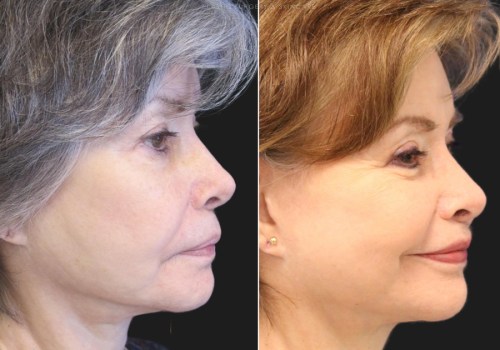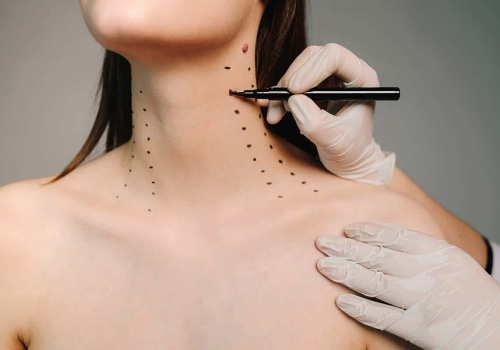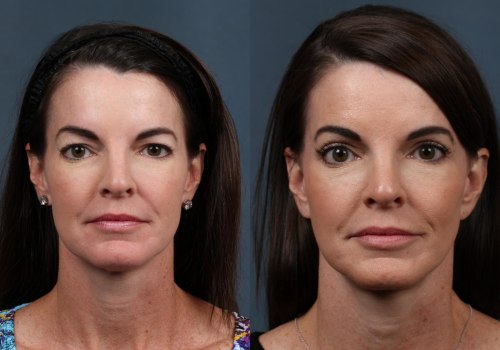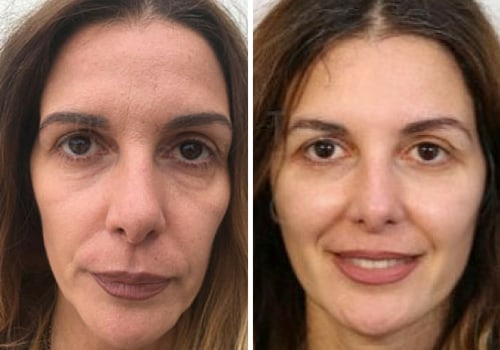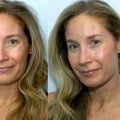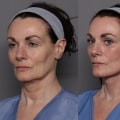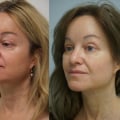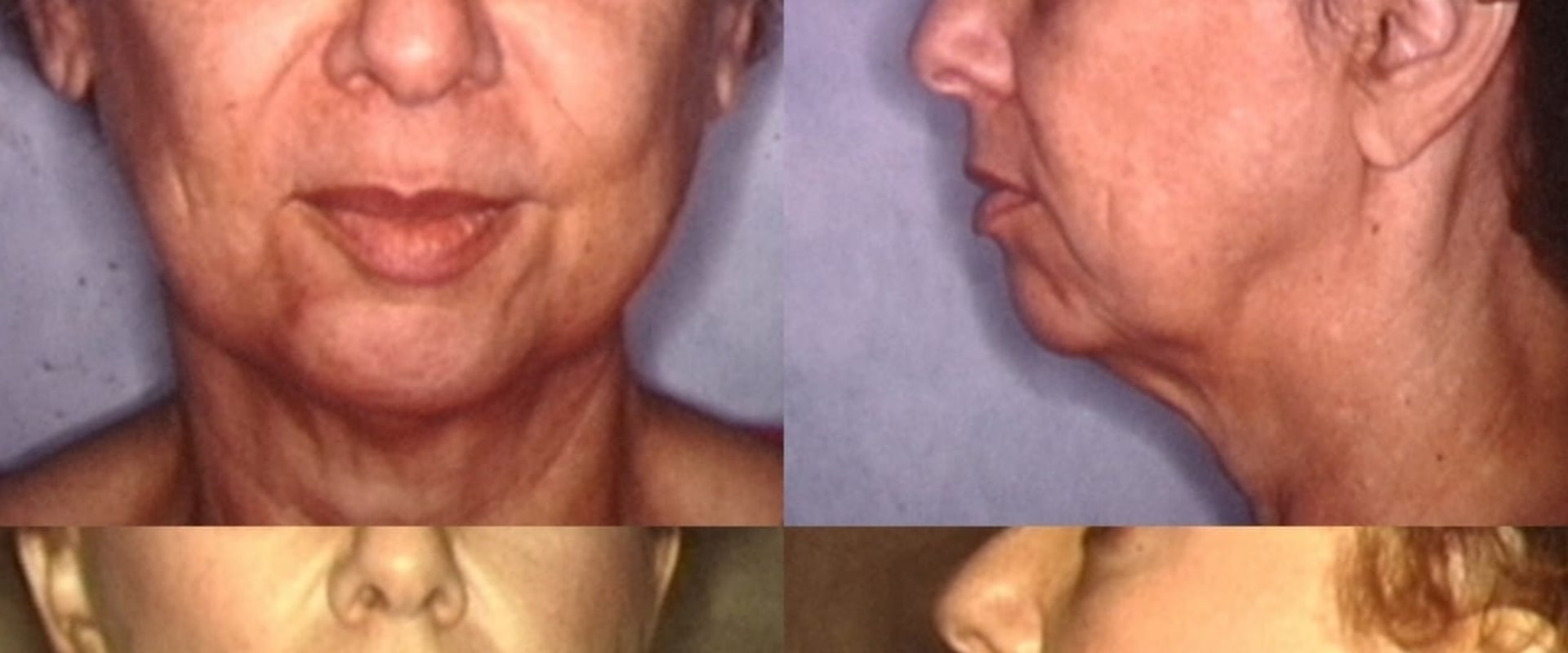
A facelift, medically known as rhytidectomy, is a cosmetic surgical procedure designed to enhance the appearance of the face and neck by addressing signs of aging. As we age, our skin loses elasticity, leading to sagging and the formation of wrinkles. A facelift aims to reverse these effects, providing a more youthful and rejuvenated look. This procedure is not merely about aesthetics; it can significantly boost an individual’s confidence and self-esteem, making it a popular choice among both men and women.There are several types of facelifts available, each tailored to meet specific needs and desired outcomes.
The traditional facelift involves making incisions around the ears and hairline to lift and tighten the skin, while a mini facelift offers a less invasive option with shorter recovery times, focusing primarily on the lower face. Other variations include the neck liftneck lift , which targets sagging skin in the neck area, and the mid-facelift , which focuses on lifting the cheeks and improving nasolabial folds. Understanding these options is crucial for anyone considering facial rejuvenation.Choosing to undergo a facelift is a significant decision that requires careful consideration of various factors, including age, skin type, and personal goals. It’s essential to consult with a qualified surgeon who can provide insights into which type of facelift is most suitable for you.
This initial consultation will also cover what to expect during the procedure, recovery time, and how to maintain results over time. By grasping the fundamentals of facelifts, individuals can make informed choices that align with their aesthetic aspirations.
The Science Behind Facelift Results
Understanding the science behind facelift results is crucial for anyone considering this transformative procedure. A facelift, or rhytidectomy, primarily targets the signs of aging by tightening the skin and underlying tissues of the face and neck. The longevity of these results can vary significantly based on several biological and physiological factors.One of the key elements influencing the duration of facelift results is skin elasticity.As we age, our skin naturally loses collagen and elastin, two proteins that provide structure and elasticity. This loss leads to sagging skin and the formation of wrinkles. During a facelift, excess skin is removed, and the remaining skin is repositioned to create a smoother, more youthful appearance. However, as time progresses, the natural aging process continues, and skin elasticity will diminish further.On average, the results of a facelift can last between 10 to 15 years.
Factors such as age at the time of surgery, skin type, and overall health can significantly impact this duration. For instance:
- Age: Patients in their 40s may experience longer-lasting results compared to those in their 60s or older due to better skin elasticity.
- Skin Type: Individuals with thicker skin may retain their facelift results longer than those with thinner skin.
- Lifestyle Choices: Habits such as smoking, excessive sun exposure, and poor diet can accelerate skin aging and diminish facelift results.
By considering factors such as skin elasticity, age, lifestyle choices, and proper post-operative care, individuals can maximise the longevity of their facelift results and enjoy a more youthful appearance for years to come.
Factors Influencing the Longevity of Facelift Results
When considering a facelift, it is essential to understand the various factors that can influence the longevity of the results. Each individual’s experience can differ significantly based on several key elements, including skin type, age, lifestyle choices, and skincare routines.1.Skin Type and Condition
Your skin type plays a crucial role in how well it responds to a facelift. Individuals with oily skin may notice that their results last longer due to the natural moisture and elasticity present in their skin. Conversely, those with dry or sensitive skin may experience a quicker return of sagging or wrinkles.
Additionally, pre-existing skin conditions such as acne or rosacea can affect healing and the overall outcome of the procedure.
2.Age
Age is another significant factor influencing facelift longevity. Generally, patients aged between 40 and 60 tend to achieve more durable results compared to older individuals. As we age, our skin loses collagen and elasticity, making it more susceptible to the effects of gravity and time. Therefore, younger patients may enjoy a more prolonged youthful appearance post-surgery.
3.Lifestyle Choices
- Diet: A balanced diet rich in vitamins and antioxidants can promote healthy skin and enhance the results of your facelift.
Foods high in omega-3 fatty acids, such as fish and nuts, can help maintain skin elasticity.
- Exercise: Regular physical activity improves circulation and promotes overall health, which can positively impact your skin’s appearance. However, it is essential to avoid strenuous activities immediately after surgery to allow for proper healing.
- Avoiding Harmful Substances: Smoking and excessive alcohol consumption can accelerate the aging process and diminish the results of your facelift. Quitting smoking not only benefits your overall health but also aids in maintaining your youthful appearance.
4.Skincare Routine
A dedicated skincare routine post-facelift is vital for preserving your results. Incorporating high-quality moisturisers, serums rich in hyaluronic acid, and daily sunscreen application can protect your skin from environmental damage and UV rays.A dedicated skincare routine post-facelift is vital for preserving your results. Incorporating high-quality moisturisers, serums rich in hyaluronic acid, and daily sunscreen application can protect your skin from environmental damage and UV rays.
Regularly consulting with a dermatologist for tailored skincare advice can further enhance your results.In summary, understanding these factors is crucial for anyone considering a facelift. By taking proactive steps in skincare and making informed lifestyle choices, you can significantly maximise the longevity of your facelift results.
Post-Operative Care: Essential Steps to Preserve Your Results
After undergoing a facelift, the importance of post-operative care cannot be overstated. Proper care during the recovery phase is crucial for ensuring that the results of your procedure are maximised and maintained over time. Here are some essential steps to follow:1.Follow Your Surgeon’s Instructions
Your surgeon will provide specific guidelines tailored to your individual needs.Adhering to these instructions is vital for a smooth recovery and optimal results. This may include advice on medication, activity restrictions, and follow-up appointments.
2.Skincare Routine
Establishing a gentle skincare routine is essential in the weeks following your facelift. Here are some key components:- Cleanser: Use a mild, non-irritating cleanser to keep your skin clean without stripping it of natural oils.
- Moisturiser: Hydration is key. Opt for a fragrance-free moisturiser that suits your skin type to help maintain elasticity and suppleness.
- Sunscreen: Protecting your skin from UV rays is critical.
Use a broad-spectrum sunscreen with at least SPF 30 daily, even on cloudy days.
3.Avoid Certain Products
In the initial weeks post-surgery, it’s advisable to avoid products that can irritate your skin or interfere with healing:- Avoid retinoids and exfoliants, as they can cause irritation.
- Steer clear of harsh scrubs or chemical peels until your skin has fully healed.
4.Lifestyle Adjustments
Your lifestyle choices play a significant role in maintaining the results of your facelift:- Avoid Smoking: Smoking can impede blood flow and slow down healing, so it’s best to refrain from smoking during recovery and beyond.
- Limit Alcohol Consumption: Alcohol can dehydrate your skin and affect its appearance, so moderation is key.
- Stay Hydrated: Drinking plenty of water helps keep your skin hydrated from within.
5.Regular Follow-Ups
Schedule regular follow-up appointments with your surgeon to monitor your healing process. These visits allow for any concerns to be addressed promptly and ensure that you are on track for optimal results.By diligently following these post-operative care steps, you can significantly enhance the longevity of your facelift results and maintain a youthful appearance for years to come.The Role of Lifestyle Choices in Maintaining Youthful Skin
Maintaining a youthful appearance after a facelift is not solely reliant on the surgical procedure itself; it significantly hinges on your lifestyle choices. The way you care for your body and skin can either enhance or diminish the results of your facelift. Here are some essential lifestyle factors to consider:Diet for Skin Health
Your diet plays a pivotal role in skin health.Consuming a balanced diet rich in vitamins, minerals, and antioxidants can help nourish your skin from within. Here are some dietary tips:
- Hydrate: Drinking plenty of water is crucial for maintaining skin elasticity and hydration. Aim for at least 8 glasses of water a day.
- Fruits and Vegetables: Incorporate a variety of colourful fruits and vegetables into your meals. Foods high in vitamins C and E, such as oranges, strawberries, spinach, and nuts, can help protect your skin from oxidative stress.
- Healthy Fats: Include sources of healthy fats like avocados, olive oil, and fatty fish (such as salmon) in your diet.
These fats can help maintain skin moisture and elasticity.
- Avoid Processed Foods: Limit the intake of processed foods high in sugar and unhealthy fats, as they can lead to inflammation and accelerate the aging process.
Exercise and Skin Appearance
Regular physical activity is another cornerstone of maintaining youthful skin. Exercise increases blood circulation, which helps deliver oxygen and nutrients to the skin while removing toxins. Consider these tips:- Cardiovascular Exercise: Engage in activities like running, cycling, or swimming at least 150 minutes per week to boost circulation.
- Strength Training: Incorporate strength training exercises twice a week to improve muscle tone and support skin structure.
- Mind-Body Practices: Activities such as yoga or Pilates not only enhance physical fitness but also reduce stress levels, which can have a positive impact on your skin.
Avoiding Harmful Habits
Certain habits can significantly undermine the results of your facelift. To preserve your youthful appearance:- Avoid Smoking: Smoking accelerates skin aging by reducing blood flow and depleting essential nutrients.
Quitting smoking can lead to noticeable improvements in skin health.
- Limit Alcohol Consumption: Excessive alcohol intake can dehydrate the skin and lead to premature aging. Moderation is key.
- Protect Your Skin from the Sun: Always apply sunscreen with at least SPF 30 before going outdoors, even on cloudy days. Sun exposure can cause significant damage to your skin over time.
Skincare Products: What to Use and What to Avoid
After undergoing a facelift, your skin will require special attention to ensure that the results are maximised and maintained over time.Choosing the right skincare products can significantly enhance your skin's health and longevity. Here’s a guide on what to use and what to avoid.
Best Skincare Products After Facelift
Post-facelift, it is essential to use gentle, hydrating products that support healing and rejuvenation. Here are some recommended types of products:- Moisturisers: Look for moisturisers that contain hyaluronic acid, which helps retain moisture in the skin, promoting a plump and youthful appearance.
- Sunscreen: A broad-spectrum sunscreen with an SPF of at least 30 is crucial. Protecting your skin from UV rays prevents premature ageing and maintains the results of your facelift.
- Antioxidant Serums: Products containing vitamin C or E can help combat oxidative stress and promote skin repair.
These serums can brighten the complexion and improve overall skin texture.
- Gentle Cleansers: Opt for non-foaming, hydrating cleansers that do not strip the skin of its natural oils. Avoid harsh exfoliants during the initial healing phase.
Skincare Ingredients for Aging Skin
In addition to specific products, certain ingredients are particularly beneficial for ageing skin:- Retinoids: These vitamin A derivatives promote cell turnover and collagen production, helping to reduce fine lines and improve skin texture. However, consult your surgeon before introducing retinoids post-surgery.
- Pepptides: Peptides can help stimulate collagen production and improve skin elasticity, making them excellent for maintaining youthful skin.
- Growth Factors: These proteins can enhance cellular repair and regeneration, supporting the healing process after a facelift.
Products to Avoid After Facelift
Certain products can hinder your recovery or negatively affect your skin's appearance post-facelift. Avoid the following:- Exfoliating Scrubs: Physical exfoliants can irritate sensitive post-surgical skin.
Instead, focus on gentle exfoliation methods once fully healed.
- Alcohol-Based Products: Toners or cleansers containing alcohol can dry out the skin and cause irritation, which is counterproductive during recovery.
- Scented Products: Fragrances can lead to allergic reactions or irritation; opt for fragrance-free formulations instead.
The Importance of Sun Protection in Preserving Facelift Results
After undergoing a facelift, one of the most crucial steps in maintaining your rejuvenated appearance is protecting your skin from the sun. UV damage is a significant factor in skin aging, and it can undermine the results of your facelift if not properly managed. The skin is particularly vulnerable after surgical procedures, making diligent sun protection essential.Understanding UV Damage
Ultraviolet (UV) rays from the sun can cause various forms of skin damage, including:
- Premature Aging: UV exposure accelerates the breakdown of collagen and elastin, leading to wrinkles and sagging skin.
- Hyperpigmentation: Sun exposure can result in dark spots and uneven skin tone, which can detract from the smooth, youthful look achieved through a facelift.
- Skin Cancer: Prolonged UV exposure increases the risk of developing skin cancers, making sun protection vital for overall health.
Effective Sun Protection Strategies
To safeguard your skin and prolong the results of your facelift, consider the following sun protection measures:
- Daily Sunscreen Application: Use a broad-spectrum sunscreen with an SPF of at least 30 every day, even on cloudy days.
Look for products that contain physical blockers like zinc oxide or titanium dioxide for optimal protection.
- Avoid Direct Sunlight: Try to stay out of direct sunlight during peak hours (10 a.m. to 4 p.m.) when UV rays are strongest. If you must be outside, seek shade whenever possible.
- Wear Protective Clothing: Consider wearing wide-brimmed hats and long-sleeved shirts made from UV-protective fabrics to shield your skin from harmful rays.
- Reapply Sunscreen: Reapply sunscreen every two hours, or more frequently if swimming or sweating. This ensures continuous protection throughout the day.
The Best Sunscreens for Post-Facelift Care
Selecting the right sunscreen is vital for post-facelift care.
Look for products that are:
- Non-comedogenic: This means they won’t clog pores, which is important for maintaining healthy skin.
- Fragrance-free: Fragrances can irritate sensitive skin post-surgery; opt for gentle formulations instead.
- Water-resistant: If you plan to be active outdoors or near water, choose a water-resistant formula to ensure lasting protection.
When to Consider Additional Treatments or Procedures
After undergoing a facelift, many individuals find themselves wondering when it might be appropriate to consider additional treatments or procedures to maintain their youthful appearance. While a facelift can significantly rejuvenate the face and neck, the natural aging process continues, and various factors can influence the longevity of the results.When to Consider Another Facelift
Typically, patients may contemplate a second facelift approximately 10 to 15 years after their initial procedure, depending on individual factors such as skin elasticity, lifestyle choices, and overall health. Signs that it may be time for another facelift include:
- Visible sagging: If you notice that your skin has begun to sag again or if jowls are reappearing, it may be time to consider a follow-up procedure.
- Deepening wrinkles: The re-emergence of deep wrinkles or creases that were previously smoothed out can indicate that your skin is aging again.
- Loss of volume: A noticeable loss of facial volume can lead to a tired or aged appearance, suggesting that additional surgical intervention might be beneficial.
Exploring Additional Treatments
In addition to considering another facelift, there are various non-surgical options available that can complement the results of your initial procedure.
These treatments can help maintain your youthful look without the need for invasive surgery:
- Dermal fillers: These injectable treatments can restore lost volume in areas such as the cheeks and lips, providing a plumper and more youthful appearance.
- BOTOX®: This popular treatment can smooth out fine lines and wrinkles by temporarily relaxing the muscles responsible for their formation.
- Chemical peels: These treatments exfoliate the skin's surface, improving texture and tone while reducing the appearance of age spots and fine lines.
- Laser therapy: Non-invasive laser treatments can stimulate collagen production and improve skin texture, helping to maintain a youthful glow.
Consultation with a Specialist
If you are considering additional treatments after your facelift, it is essential to consult with a board-certified plastic surgeon or dermatologist. They can assess your individual needs and recommend a tailored approach that aligns with your aesthetic goals. By combining surgical and non-surgical options, you can effectively prolong the results of your facelift and continue to enjoy a vibrant, youthful appearance.
Common Myths About Facelifts Debunked
When considering a facelift, it’s essential to separate fact from fiction. Numerous myths and misconceptions can cloud the decision-making process for potential patients.Here, we debunk some of the most common myths surrounding facelifts to provide clarity and help you make informed choices.
Myth 1: Facelifts Are Only for Older People
One prevalent misconception is that facelifts are exclusively for older individuals. While it’s true that many patients are in their 40s to 60s, younger candidates can also benefit from a facelift. Factors such as genetics, lifestyle, and skin condition play a significant role in determining the right time for this procedure. Some individuals may choose to undergo a facelift earlier to address early signs of aging.Myth 2: Facelifts Leave Noticeable Scars
Another common myth is that facelifts result in unsightly scars.In reality, skilled surgeons employ advanced techniques to minimise scarring. Incisions are typically made in natural creases or behind the ears, making them less visible. With proper care and healing, scars can fade significantly over time.
Myth 3: A Facelift Will Make You Look Unnatural
Many people fear that a facelift will lead to an unnatural appearance or a "pulled" look. This concern often stems from poorly performed procedures showcased in media.However, when performed by a qualified and experienced surgeon, a facelift should enhance your natural features rather than alter them drastically. The goal is to achieve a refreshed and youthful look while maintaining your unique characteristics.
Myth 4: Facelifts Are Permanent Solutions
While facelifts can significantly rejuvenate your appearance, they are not permanent solutions. The aging process continues after the procedure, meaning that skin will gradually lose elasticity over time. However, with proper skincare and maintenance, the results can last for many years.Myth 5: Recovery Is Extremely Painful
Many potential patients worry about the pain associated with recovery from a facelift.While some discomfort is expected post-surgery, most patients report manageable pain levels that can be controlled with prescribed medication. Following your surgeon's aftercare instructions can also help ease the recovery process.By debunking these myths, we hope to empower you with accurate information about facelifts. Understanding the truth behind these misconceptions can help you approach your decision with confidence and clarity.
Conclusion: Embracing Your New Look with Confidence
In conclusion, the journey towards achieving a more youthful appearance through a facelift is not merely about the surgical procedure itself; it encompasses a holistic approach to maintaining and enhancing your results. Throughout this article, we have explored the various factors that influence the longevity of facelift results, emphasising the importance of both post-operative care and lifestyle choices.To recap, the results of a facelift can last anywhere from 10 to 15 years, depending on individual factors such as skin type, age, and adherence to recommended aftercare.It is crucial to understand that while a facelift can significantly rejuvenate your appearance, it does not halt the natural ageing process. Therefore, embracing a proactive approach to skincare is essential.
Key strategies for maximising your facelift results include:
- Consistent Skincare Routine: Implementing a daily skincare regimen that includes cleansing, moisturising, and applying sunscreen can protect your skin from environmental damage and premature ageing.
- Healthy Lifestyle Choices: Maintaining a balanced diet rich in antioxidants, staying hydrated, and avoiding smoking and excessive alcohol consumption can greatly influence your skin's health and appearance.
- Regular Dermatological Check-ups: Consulting with a dermatologist for professional advice on skincare products and treatments can help you tailor your routine to your specific needs.
- Avoiding Sun Exposure: Protecting your skin from harmful UV rays is vital. Wearing hats and using high-SPF sunscreen can prevent sun damage that may counteract the effects of your facelift.
Celebrate this transformation by engaging in activities that make you feel good about yourself and by surrounding yourself with supportive friends and family.Ultimately, the key to enjoying the benefits of your facelift for years to come lies in your commitment to ongoing care and healthy living. By prioritising these aspects, you can ensure that your investment in cosmetic surgery continues to yield positive results long after the procedure. Embrace this new chapter in your life with enthusiasm and confidence, knowing that you have taken significant steps towards enhancing not just your appearance but also your overall well-being.