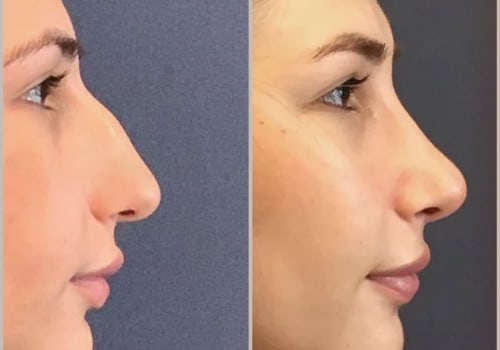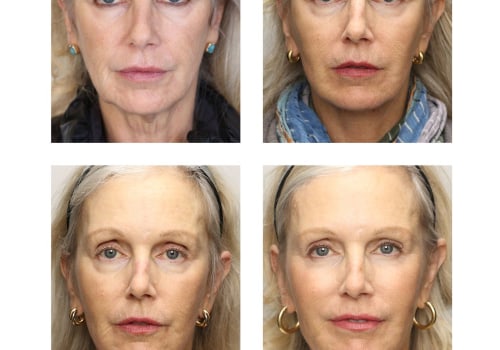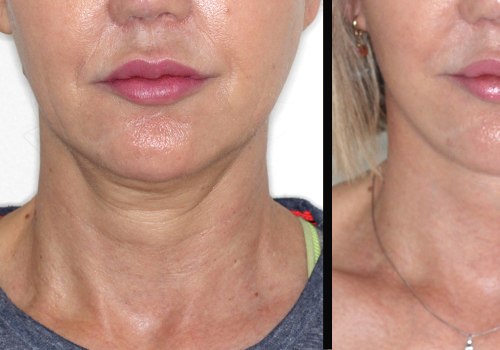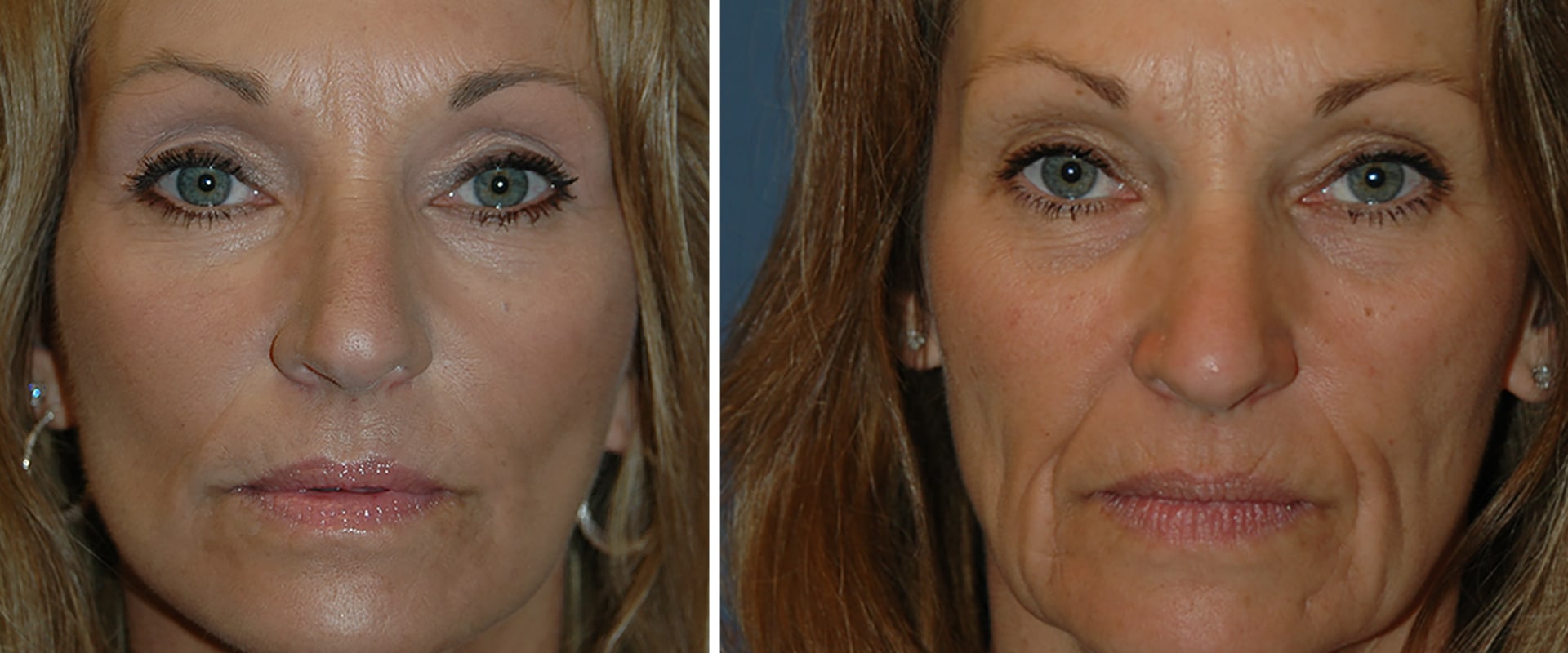
Undergoing a facelift is a significant decision that can lead to transformative changes in your appearance and self-esteem. However, the journey does not end once the surgery is complete; in fact, it is just the beginning of a crucial recovery phase. Understanding the facelift recovery process is essential for setting realistic expectations and ensuring a smooth transition back to your daily life. Many individuals wonder, "How long after a facelift will I look normal?" This question is common and highlights the importance of being informed about what to expect during the healing period.The recovery timeline can vary significantly from person to person, influenced by factors such as age, skin type, and overall health.
Typically, patients may experience swelling, bruising, and discomfort in the initial days following surgery. These symptoms are part of the body’s natural healing process and can lead to feelings of anxiety about one’s appearance. It’s vital to remember that while you may not feel like yourself immediately after the procedure, these changes are temporary. Most people begin to notice improvements within a couple of weeks, as swelling subsides and bruising fades.In this section, we will delve deeper into the various stages of facelift recovery , providing insights into how long it generally takes before you start looking more like your usual self.
We will also discuss tips for managing recovery effectively and highlight the importance of following your surgeon's post-operative care instructions. By understanding what lies ahead, you can approach your recovery with confidence and patience, ultimately leading to a more satisfying outcome.
What is a Facelift?
A facelift , medically known as rhytidectomy, is a cosmetic surgical procedure designed to improve the visible signs of aging in the face and neck. This procedure primarily targets sagging skin, deep creases, and loss of muscle tone, which can occur due to factors such as genetics, sun exposure, and lifestyle choices. By repositioning underlying tissues and removing excess skin, a facelift can restore a more youthful appearance.There are several types of facelifts, each tailored to address specific concerns and achieve different results:- Traditional Facelift: This is the most common type, involving incisions around the hairline and extending down to the ears.
It allows for significant lifting of the skin and underlying tissues.
- Mini Facelift: A less invasive option that focuses on the lower face. It requires smaller incisions and is ideal for individuals with mild to moderate sagging.
- Mid-Facelift: This technique specifically targets the middle section of the face, lifting the cheeks and addressing nasolabial folds. It often involves incisions inside the mouth or at the hairline.
- Neck Lift: Often performed in conjunction with a facelift, this procedure focuses on tightening loose skin and muscles in the neck area.
- Deep Plane Facelift: A more advanced technique that lifts deeper layers of facial tissue, providing longer-lasting results by addressing both skin and underlying structures.
Each type of facelift has its unique recovery timeline and considerations, which are crucial for achieving optimal results.
The Facelift Recovery Timeline
Understanding the facelift recovery timeline is crucial for anyone considering this transformative procedure. Recovery can vary significantly from person to person, but there are general stages that most patients will experience. Knowing what to expect at each stage can help alleviate anxiety and set realistic expectations.Immediate Post-Operative Phase (Days 1-3)
In the first few days following your facelift, you will likely experience swelling, bruising, and some discomfort. These symptoms are normal and part of the healing process.During this time, it is essential to rest and follow your surgeon's post-operative care instructions closely. Ice packs can be beneficial in reducing swelling, and keeping your head elevated will also aid in recovery.
Early Recovery (Days 4-7)
By the end of the first week, many patients begin to notice a reduction in swelling and bruising. Stitches or staples may be removed during this period, depending on your surgeon's technique. Most individuals feel comfortable enough to engage in light activities, but strenuous exercise should still be avoided.It’s important to continue monitoring your healing and report any unusual symptoms to your surgeon.
Mid-Recovery (Weeks 2-4)
At around two weeks post-surgery, many patients feel ready to return to work or social activities. While some residual swelling may still be present, it is often subtle enough that others may not notice it. You might also start to see the initial results of your facelift, which can be quite encouraging. However, it’s crucial to remember that full results are not yet visible.Full Recovery (Months 1-6)
As you progress into the second month and beyond, the majority of swelling should subside, revealing a more refined appearance.Minor imperfections such as asymmetries or scarring will continue to improve over time. By the three-month mark, most patients feel they look significantly more like their normal selves, with a rejuvenated appearance that enhances their natural features.
Long-Term Results (6 Months - 1 Year)
While you may feel comfortable in social situations by three months post-surgery, it can take up to a year for all residual effects of the surgery to completely fade. The final results of your facelift will become more apparent as your skin continues to heal and settle into its new position. Regular skincare and sun protection will help maintain your youthful look for years to come.In summary, while the journey to looking "normal" after a facelift varies for each individual, understanding these stages can help you navigate your recovery with confidence.Always consult with your surgeon for personalised advice tailored to your specific situation.
Immediate Post-Operative Care
Following a facelift, the immediate post-operative care is crucial for ensuring a smooth recovery and optimal results. The first few days after surgery are often the most critical, as this is when swelling and discomfort can be at their peak. Here are some essential tips to help manage your recovery during this initial phase.Managing Discomfort
It is common to experience some level of discomfort after a facelift. Your surgeon will likely prescribe pain medication to help alleviate any pain you may feel.It’s important to take these medications as directed, especially in the first 48 hours post-surgery. Additionally, applying cold compresses around the surgical area can significantly reduce swelling and provide relief from discomfort.
Swelling and Bruising
Swelling and bruising are normal after a facelift, but there are ways to manage these symptoms effectively:- Keep your head elevated: Sleeping with your head raised on pillows can help minimise swelling. Aim for at least 30 degrees elevation while resting.
- Ice packs: Use ice packs wrapped in a cloth for 15-20 minutes at a time during the first 48 hours. This can help constrict blood vessels and reduce swelling.
- Avoid strenuous activities: Refrain from any heavy lifting or vigorous exercise for at least two weeks, as these can exacerbate swelling.
Wound Care
Proper wound care is essential to prevent infection and promote healing.Follow your surgeon's instructions regarding cleaning the incision sites. Typically, you will be advised to gently clean the area with mild soap and water, avoiding any harsh chemicals or scrubbing.
Follow-Up Appointments
Don’t forget to attend all scheduled follow-up appointments with your surgeon. These visits are vital for monitoring your healing progress and addressing any concerns you may have. Your surgeon will assess your recovery and may provide additional care instructions based on your individual needs.In summary, taking proactive steps in managing discomfort, swelling, and wound care during the immediate post-operative period can significantly influence your overall recovery experience.By adhering to your surgeon's guidelines and being mindful of your body’s signals, you can ensure a smoother transition back to your daily routine while enjoying the benefits of your facelift.
Common Symptoms During Recovery
Undergoing a facelift is a significant step towards rejuvenating your appearance, but it is essential to understand that the recovery process can come with various symptoms. Recognising what is typical during this period can help alleviate concerns and set realistic expectations.One of the most common symptoms experienced after a facelift is swelling. This swelling is a natural response of the body to surgery and can vary in intensity from person to person. Typically, swelling will peak around the second or third day post-surgery and then gradually subside over the following weeks.To manage swelling effectively, patients are often advised to keep their head elevated, especially while sleeping, and to apply cold compresses as directed by their surgeon.Another prevalent symptom is bruising. Bruising occurs due to the disruption of blood vessels during the surgical procedure. Like swelling, bruising can be more pronounced in the initial days after surgery and will usually fade over time. Most patients notice a significant reduction in bruising within two weeks, although some may experience lingering discolouration for a month or more.
It’s important to remember that while bruising can be unsightly, it is a normal part of the healing process.In addition to swelling and bruising, many patients report experiencing stiffness in the facial muscles. This stiffness can result from the surgical manipulation of tissues and may lead to a sensation of tightness or discomfort. Gentle facial exercises, as recommended by your surgeon, can help alleviate stiffness and promote better mobility as you heal.It’s crucial for patients to maintain open communication with their healthcare provider throughout the recovery process. If symptoms such as swelling or bruising seem excessive or if you experience unusual pain or discomfort, do not hesitate to reach out for guidance.
Understanding these common symptoms will empower you during your recovery journey, allowing you to focus on enjoying your new look while ensuring a smooth healing process.
When Will I Look Normal Again?
After undergoing a facelift, many patients are eager to know when they will return to their normal appearance. While the timeline can vary significantly from person to person, there are general milestones that can help set expectations.Typically, most individuals begin to notice a marked improvement in their appearance within the first two weeks post-surgery. During this period, initial swelling and bruising will start to subside, allowing for a clearer view of the results. However, it is crucial to understand that the term "normal" can be subjective and may differ based on individual perceptions and recovery experiences.Timeline for Looking Normal
- First Week: The first few days post-surgery are often the most challenging.
Patients may experience significant swelling and bruising, which can make them feel self-conscious. It is essential to rest and follow post-operative care instructions during this time.
- Two Weeks: By the end of two weeks, many patients feel comfortable enough to resume social activities. While some residual swelling may still be present, it is usually minimal and less noticeable.
- One Month: At this stage, most patients look significantly more like themselves. Any remaining swelling or bruising should be minor and often only noticeable to the individual.
- Three to Six Months: The final results of the facelift become more apparent as the skin continues to heal and settle into its new position.
Patients often report feeling more confident in their appearance during this period.
Factors Affecting Appearance Post-Facelift
Several factors can influence how quickly a patient returns to their normal appearance after a facelift:- Individual Healing Rates: Each person's body heals at its own pace. Factors such as age, overall health, and lifestyle choices can impact recovery time.
- Surgical Technique: The specific techniques used during the facelift can affect recovery. More invasive procedures may result in longer healing times compared to less invasive options.
- Post-Operative Care: Adhering to post-operative instructions provided by your surgeon is crucial. Proper care can significantly enhance healing and reduce complications.
Remember that patience is key; your body needs time to heal fully, and with proper care, you will soon enjoy your rejuvenated appearance.
Long-Term Results and Maintenance
Understanding the long-term results of a facelift is crucial for anyone considering this transformative procedure. While the immediate effects of a facelift can be quite dramatic, the longevity of these results can vary significantly based on several factors, including individual skin type, age, and lifestyle choices.On average, patients can expect their facelift results to last between 10 to 15 years. However, this timeline is not set in stone. The natural aging process continues after surgery, meaning that while you may look younger than your peers who have not undergone the procedure, signs of aging will gradually reappear. . However, this timeline is not set in stone. The natural aging process continues after surgery, meaning that while you may look younger than your peers who have not undergone the procedure, signs of aging will gradually reappear.Factors such as genetics, sun exposure, and overall health play a significant role in how long your facelift results will remain visible.To maintain the youthful appearance achieved through a facelift, it is essential to adopt a comprehensive skincare regimen. Here are some key strategies:
- Sun Protection: Protecting your skin from harmful UV rays is paramount. Regularly applying a broad-spectrum sunscreen with an SPF of at least 30 can prevent premature aging and maintain your skin's elasticity.
- Moisturisation: Keeping your skin hydrated helps to maintain its suppleness. Use high-quality moisturisers that suit your skin type to combat dryness and promote a healthy glow.
- Regular Skincare Routine: Incorporate products with active ingredients such as retinoids, antioxidants, and peptides into your daily routine.
These can help stimulate collagen production and improve skin texture.
- Avoid Smoking: Smoking accelerates the aging process and can diminish the results of your facelift. Quitting smoking not only benefits your skin but also improves overall health.
- Healthy Diet: A balanced diet rich in vitamins and minerals supports skin health. Foods high in antioxidants, such as fruits and vegetables, can help combat oxidative stress on the skin.
Staying hydrated by drinking plenty of water also contributes to maintaining skin elasticity.Ultimately, while a facelift can provide significant rejuvenation, it is essential to remember that it is not a permanent solution. Embracing ongoing skincare practices and making healthy lifestyle choices will help you enjoy the benefits of your facelift for as long as possible. Regular follow-ups with your surgeon or dermatologist can also provide tailored advice on maintaining your results effectively.
Potential Risks and Complications
Undergoing a facelift can be a transformative experience, but it is essential to be aware of the potential risks and complications that may arise during the recovery process. Understanding these risks not only aids in informed decision-making but also enhances patient safety.While most patients experience satisfactory results, some may encounter complications that can affect their recovery and overall satisfaction.Here are some of the most common risks associated with facelift surgery:
- Infection: As with any surgical procedure, there is a risk of infection at the incision sites. Proper post-operative care, including keeping the area clean and following your surgeon's instructions, is crucial to minimise this risk.
- Scarring: Although surgeons strive to make incisions in discreet locations, scarring is an inevitable part of any surgical procedure. Some patients may develop hypertrophic or keloid scars, which can be more pronounced than expected.
- Hematoma: This condition occurs when blood collects under the skin, leading to swelling and bruising. Hematomas may require drainage if they become significant.
- Nerve Damage: Temporary or permanent nerve damage can occur during surgery, potentially resulting in altered sensation or movement in the facial area.
Most patients recover fully, but some may experience lingering effects.
- Asymmetry: While surgeons aim for balanced results, some degree of asymmetry may occur post-surgery. This can be due to swelling or individual healing patterns.
- Skin Necrosis: In rare cases, the skin may not receive adequate blood supply during the healing process, leading to tissue death. This complication often requires further surgical intervention.
Watch for signs such as increased redness, persistent swelling beyond the expected timeframe, or any unusual discharge from the incision sites. If you notice any of these symptoms, contact your surgeon immediately for guidance.In conclusion, while a facelift can yield remarkable results in rejuvenating your appearance, being aware of the potential risks and complications is crucial for ensuring a safe and successful recovery. By staying informed and vigilant during your healing journey, you can help ensure that your facelift experience is as positive as possible.
FAQs About Facelift Recovery
When considering a facelift, many patients have questions about the recovery process. Understanding what to expect can alleviate anxiety and help you prepare for your journey to a rejuvenated appearance.Here are some of the most frequently asked questions regarding facelift recovery.
How long does it take to see the final results of a facelift?
While initial swelling and bruising may subside within a few weeks, the final results of your facelift may not be fully visible for several months. Typically, patients can expect to see significant improvements around the three-month mark, with optimal results becoming apparent after six months to a year as the skin continues to settle.What are the common side effects after a facelift?
Post-operative side effects can include:- Swelling: This is normal and usually peaks within the first few days before gradually decreasing.
- Bruising: Bruising may take time to fade, but it typically resolves within two weeks.
- Numbness: Some patients experience temporary numbness in areas around the incision sites, which usually improves over time.
- Pain or discomfort: Mild pain can be managed with prescribed medications.
When can I return to work and social activities?
The timeline for returning to work varies based on individual recovery rates and the nature of your job. Many patients feel comfortable returning to non-physical work within two weeks. However, if your job involves physical activity or public interaction, you may want to wait longer—typically around four to six weeks—to ensure you feel confident in your appearance.Are there any specific post-operative care instructions I should follow?
Yes, adhering to your surgeon's post-operative care instructions is crucial for optimal healing.Common recommendations include:
- Avoiding strenuous activities for at least two weeks.
- Keeping your head elevated while sleeping to reduce swelling.
- Applying cold compresses as directed to alleviate discomfort.
- Avoiding sun exposure and using sunscreen on healing skin.
Conclusion: Embracing Your New Look
As you conclude your journey through the intricacies of facelift surgery, it is essential to reflect on the transformative experience that awaits you. The decision to undergo a facelift is not merely about altering your appearance; it is about embracing a renewed sense of self and confidence. While the initial days post-surgery may be challenging, with swelling and bruising as common companions, patience is key to unveiling the true results of your procedure.Throughout this article, we have explored the various stages of recovery and what you can expect as you navigate this path. From the first few days of healing to the gradual return to normalcy, understanding the timeline can help alleviate any anxieties you may have.Remember, it is perfectly normal to feel apprehensive about how you will look after surgery. However, as time passes, you will begin to see the subtle yet significant changes that enhance your natural beauty.It is crucial to give yourself grace during this recovery period. The first two weeks are often marked by visible signs of surgery, but as these diminish, you will start to feel more like yourself again. By the end of a month, many patients report feeling comfortable enough to engage in social activities and showcase their new look.
This gradual transition allows you to adjust not only physically but also emotionally to your enhanced appearance.Moreover, embracing your new look goes beyond just physical changes. It involves a mental shift where you acknowledge and appreciate the effort you have put into achieving this transformation. As you step out into the world with renewed confidence, remember that your facelift is a tool that helps reflect the vitality and energy you feel inside.In conclusion, while it may take some time before you feel completely normal post-facelift, rest assured that each day brings you closer to revealing a more youthful and vibrant version of yourself. Embrace this journey with an open heart and mind, and allow yourself to enjoy the positive changes that come with it.
Your decision to invest in yourself is commendable, and soon enough, you will see just how beautiful that investment truly is.