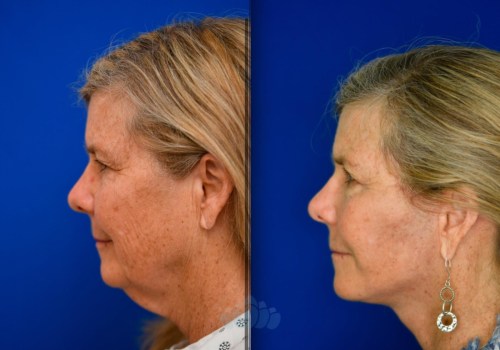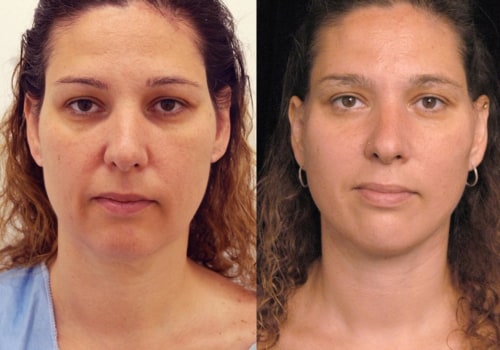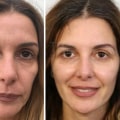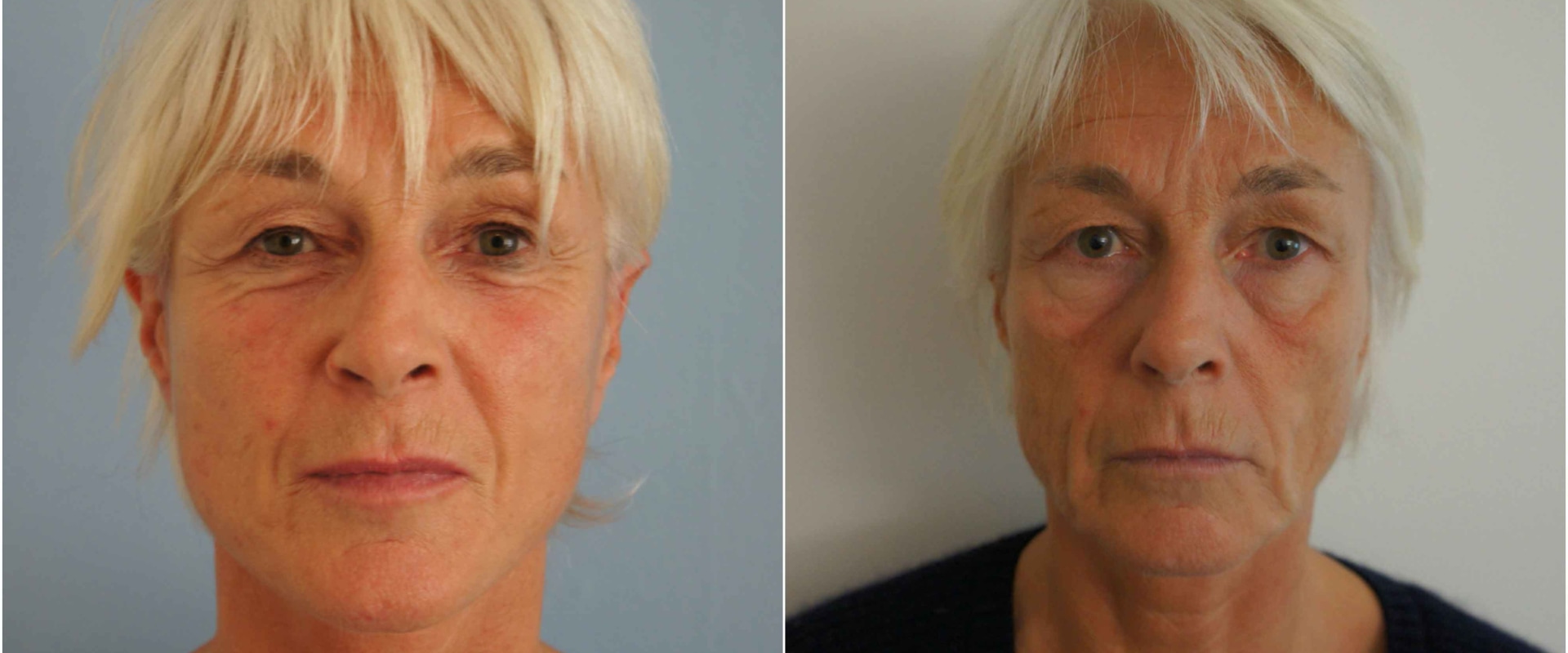
A facelift, medically known as rhytidectomy, is a popular cosmetic surgical procedure designed to enhance the appearance of the face and neck. As we age, our skin naturally loses elasticity, leading to sagging and the formation of wrinkles. A facelift aims to counteract these signs of aging by tightening the underlying muscles and removing excess skin, resulting in a more youthful and rejuvenated appearance. This procedure has gained significant traction in the UK, with many individuals seeking it as a means to restore their confidence and vitality.Understanding the various types of facelifts available is crucial for anyone considering this transformative procedure.
There are several options tailored to different needs and concerns. For instance, a full facelift addresses comprehensive facial aging, while a mini facelift focuses on specific areas such as the lower face and jawline. Additionally, advanced techniques like the deep-plane facelift target deeper structures beneath the skin, offering more dramatic results for those with pronounced signs of aging. Each type comes with its own set of benefits and considerations, making it essential for prospective patients to thoroughly research their options.The decision to undergo a facelift is not merely about aesthetics; it often reflects a desire for personal renewal and self-improvement.
Many individuals report feeling more confident and satisfied with their appearance post-surgery, which can have a profound impact on their overall well-being. However, understanding the costs associated with these procedures is equally important, as they can vary significantly based on factors such as the type of facelift chosen, the surgeon's expertise, and the location of the clinic.In this guide, we will delve deeper into the intricacies of facelift costs in the UK, exploring what influences these prices and how to make informed decisions when considering this life-changing procedure. Whether you are contemplating your first facelift or seeking additional information about potential options, this comprehensive overview will equip you with the knowledge needed to navigate your journey confidently.
Types of Facelifts Available in the UK
When considering a facelift, it is essential to understand the different types available, as each offers unique benefits and caters to various aesthetic needs. Below, we explore the most common types of facelifts performed in the UK, including their procedures, advantages, and typical costs.Full Facelift
A full facelift, often referred to as a traditional facelift, is the most comprehensive option available.This procedure is designed to address significant signs of aging across the entire face and neck. During a full facelift, the surgeon makes incisions along the hairline and around the ears to lift and tighten the underlying facial structures. This method effectively reduces sagging skin, deep creases, and jowls.
Benefits:
- Provides dramatic and long-lasting results.
- Addresses multiple areas of concern simultaneously.
- Can enhance overall facial harmony.
Typical Costs:
The cost for a full facelift in the UK generally ranges from £10,000 to £17,900, depending on the surgeon's expertise and the facility's location.
Mini Facelift
The mini facelift is a less invasive alternative that targets specific areas of the face, particularly the lower face and jawline. This procedure is ideal for individuals with mild to moderate signs of aging who seek subtle improvements without extensive downtime.The incisions are smaller compared to a full facelift, allowing for quicker recovery while still achieving noticeable results.
Benefits:
- Less invasive with minimal scarring.
- Shorter recovery time compared to a full facelift.
- Natural-looking results that enhance youthful features.
Typical Costs:
A mini facelift typically costs between £5,000 and £15,000 in the UK.
Deep-Plane Facelift
The deep-plane facelift is an advanced surgical technique that focuses on deeper layers of facial tissue, including the underlying musculature. This approach allows for more significant lifting and repositioning of facial structures, effectively addressing concerns such as nasolabial folds and smile lines that may not respond well to traditional methods.Benefits:
- Long-lasting results due to deeper tissue manipulation.
- Treats more complex aging issues effectively.
- Can provide a more youthful contour without excessive tension on the skin.
Typical Costs:
The cost for a deep-plane facelift ranges from £12,900 to £17,900 in the UK, reflecting its complexity and the expertise required for successful outcomes.Understanding these different types of facelifts can help you make an informed decision about which procedure aligns best with your aesthetic goals. Consulting with a qualified surgeon will provide further insights tailored to your individual needs.
Cost Breakdown: What to Expect
Understanding the cost of a facelift in the UK is essential for anyone considering this transformative procedure. The price can vary significantly based on several factors, including the type of facelift, the surgeon's expertise, and the location of the clinic.Below is a detailed breakdown of what you can expect when it comes to facelift costs.
Average Prices for Different Types of Facelifts
In the UK, the average costs for various types of facelifts are as follows:- Full Facelift: This comprehensive procedure typically ranges from £10,000 to £17,900. It addresses sagging skin across the entire face and neck, providing a more youthful appearance.
- Mini Facelift: A less invasive option, the mini facelift usually costs between £5,000 and £15,000. It focuses on specific areas such as the lower face and jawline, making it ideal for those with mild signs of aging.
- Deep-Plane Facelift: This advanced technique targets deeper facial structures and can range from £12,900 to £17,900. It is particularly effective for addressing more pronounced aging signs like smile lines and nasolabial folds.
Factors Influencing Facelift Costs
Several factors can influence the overall cost of a facelift:- Surgeon's Experience: Highly experienced surgeons often charge more due to their expertise and track record of successful outcomes.
- Location: Clinics in urban areas like London may have higher prices due to increased living costs compared to those in rural regions.
- Add-on Procedures: Many patients opt to combine facelifts with other cosmetic surgeries, such as eyelid surgery or neck lifts, which can increase the total cost.
- Anesthesia and Facility Fees: The type of anesthesia used and the facility where the procedure is performed can also affect pricing.
Always consult with a qualified surgeon who can provide a detailed quote based on your specific needs and desired outcomes.
Factors Influencing Facelift Costs
When considering a facelift, understanding the various factors that influence the overall cost is crucial for making an informed decision. The price of a facelift can vary significantly based on several key elements, which we will explore in detail below.Geographical Location
The location where you choose to undergo your facelift plays a significant role in determining the cost. Urban areas, particularly cities like London, tend to have higher living costs, which can translate into increased prices for cosmetic procedures. In contrast, clinics located in rural areas or smaller towns may offer more competitive pricing due to lower overhead costs.It’s essential to consider not only the price but also the reputation and expertise of the clinic in your chosen location.
Surgeon Expertise
The experience and qualifications of the surgeon performing your facelift are critical factors that can affect the cost. Highly skilled and board-certified plastic surgeons with a proven track record of successful facelifts often charge higher fees due to their expertise and demand. Investing in a reputable surgeon can lead to better outcomes and reduced risk of complications, making it a worthwhile consideration when evaluating costs.Facility Fees
The type of facility where the procedure is performed also impacts the overall cost. Accredited surgical centres with state-of-the-art equipment and high standards of care may charge more than less established facilities.It’s important to ensure that the facility meets safety regulations and provides a comfortable environment for your surgery.
Additional Procedures
Many patients opt to combine their facelift with other cosmetic procedures, such as eyelid surgery or neck lifts, to achieve more comprehensive results. While these additional procedures can enhance your overall appearance, they will also add to the total cost of your surgery. It’s advisable to discuss any combined treatments with your surgeon during the consultation phase to understand how they will affect your budget.In summary, several factors influence the cost of a facelift, including geographical location, surgeon expertise, facility fees, and any additional procedures you may choose to undergo. By carefully considering these elements, you can make a more informed decision that aligns with both your aesthetic goals and financial considerations.Choosing the Right Surgeon for Your Facelift
When considering a facelift, selecting the right surgeon is one of the most critical decisions you will make.The success of your procedure largely depends on the qualifications and experience of the surgeon you choose. Here are some essential factors to consider when making your selection.
Verify Credentials
First and foremost, ensure that your surgeon is board-certified in plastic surgery. This certification indicates that the surgeon has undergone rigorous training and adheres to high standards of practice. In the UK, look for membership in reputable organisations such as:- The British Association of Aesthetic Plastic Surgeons (BAAPS)
- The Royal College of Surgeons (RCS)
- The General Medical Council (GMC)
Experience with Specific Procedures
Not all surgeons specialise in every type of facelift.It is crucial to find a surgeon who has extensive experience with the specific procedure you are considering, whether it be a full facelift, mini facelift, or deep-plane facelift. Ask potential surgeons about:
- The number of facelifts they perform annually
- Their success rates and complication rates
- Before-and-after photos of previous patients
Patient Reviews and Testimonials
Researching patient reviews can offer valuable perspectives on a surgeon's practice. Look for testimonials on independent review sites, as well as on the surgeon's own website. Pay attention to:- The overall satisfaction of previous patients
- Their experiences with pre-operative consultations and post-operative care
- The responsiveness and professionalism of the surgical team
Consultation Process
A thorough consultation is essential before undergoing any surgical procedure.During this meeting, assess how comfortable you feel with the surgeon. They should take the time to:
- Listen to your concerns and goals
- Explain the procedure in detail, including risks and recovery time
- Provide realistic expectations regarding results
Preparing for Your Facelift: What You Need to Know
Preparing for a facelift is a crucial step in ensuring a successful outcome and a smooth recovery. Understanding what to expect and how to prepare can significantly enhance your experience.Here are some essential tips and guidelines to help you get ready for your facelift.
Pre-Operative Consultation
Your journey begins with a thorough pre-operative consultation with your chosen surgeon. This meeting is vital for several reasons:- Discuss Your Goals: Clearly communicate your aesthetic goals and expectations. This will help your surgeon tailor the procedure to meet your needs.
- Medical History Review: Be prepared to discuss your medical history, including any medications you are taking, allergies, and previous surgeries.
- Physical Examination: Your surgeon will conduct a physical examination of your face and neck to assess skin elasticity, bone structure, and overall health.
- Understanding Risks: Discuss potential risks and complications associated with the procedure. Your surgeon should provide detailed information about what to expect.
Lifestyle Changes
In the weeks leading up to your surgery, consider making some lifestyle adjustments to optimise your health:- Avoid Smoking: Smoking can impede healing and increase the risk of complications.
If you smoke, aim to quit at least four weeks before your surgery.
- Limit Alcohol Consumption: Reducing alcohol intake can improve your overall health and enhance recovery. Aim to avoid alcohol for at least a week before surgery.
- Healthy Diet: Focus on a balanced diet rich in vitamins and minerals. Foods high in antioxidants can promote healing.
- Stay Hydrated: Drink plenty of water in the days leading up to your surgery to keep your skin hydrated.
What to Expect Before Surgery
The days leading up to your facelift may bring a mix of excitement and anxiety. Here’s what you can expect:- Pre-Operative Instructions: Your surgeon will provide specific instructions regarding medications, fasting, and what to bring on the day of surgery.
- Arrange Transportation: Since you will be under anaesthesia, arrange for someone to drive you home after the procedure.
- Prepare Your Recovery Space: Set up a comfortable recovery area at home with essentials like pillows, ice packs, and medications within reach.
Remember that open communication with your surgeon is key throughout this process.
Post-Operative Care and Recovery Process
Recovering from a facelift is a crucial phase that significantly impacts the overall results of the procedure. Understanding the post-operative care and recovery process can help ensure a smoother healing journey and optimal outcomes.Immediately after the surgery, patients can expect some swelling, bruising, and discomfort. These symptoms are normal and typically subside within the first few days. Here are some essential tips for effective post-operative care:- Follow Your Surgeon’s Instructions: Adhering to the specific guidelines provided by your surgeon is vital.
This includes taking prescribed medications, attending follow-up appointments, and following any specific care instructions.
- Rest and Relax: Allow your body ample time to heal. Rest is essential during the initial recovery period, so avoid strenuous activities and heavy lifting for at least two weeks.
- Keep Your Head Elevated: To reduce swelling, sleep with your head elevated on pillows for the first few nights. This position helps promote better circulation and minimizes fluid accumulation.
- Apply Cold Compresses: Using cold compresses on swollen areas can help alleviate discomfort and reduce swelling. Be sure to wrap ice packs in a cloth to protect your skin.
- Avoid Sun Exposure: Protect your healing skin from sun exposure by wearing a wide-brimmed hat or using sunscreen once your surgeon approves it.
Sun damage can hinder healing and affect your results.
- First Week: Most swelling and bruising will peak within the first few days and begin to subside by the end of the week. Many patients can return to light activities after about five to seven days.
- Two Weeks Post-Op: Stitches or sutures are usually removed within this timeframe, and many patients feel comfortable resuming normal activities, including work.
- One Month: By this point, most visible signs of surgery should have diminished significantly, although some residual swelling may persist.
- Three to Six Months: Final results typically become apparent as swelling fully resolves and skin settles into its new position.
By following your surgeon's advice and being mindful of your body’s needs during this time, you can enhance your healing process and enjoy the rejuvenating effects of your facelift.
Long-Term Results: What to Expect After Your Facelift
After undergoing a facelift, many patients are eager to see the results of their investment in cosmetic surgery. Understanding the long-term results of a facelift is crucial for setting realistic expectations and ensuring satisfaction with the outcome.Typically, the initial results of a facelift can be seen shortly after the procedure, but it is important to remember that full recovery may take several months. Swelling and bruising will gradually subside, revealing a more youthful appearance. However, the longevity of these results can vary based on several factors.Factors Influencing Longevity
- Age: Younger patients often experience longer-lasting results compared to older individuals due to better skin elasticity.
- Skin Type: Those with thicker skin may enjoy more durable results, while thinner skin may show signs of aging sooner.
- Lifestyle Choices: Factors such as smoking, sun exposure, and diet can significantly impact how long the results last.
However, this does not mean that the effects will disappear entirely; rather, the face will continue to age naturally. Many individuals find that they still look better than they would have without the procedure.
Maintaining Your Facelift Results
To prolong the effects of your facelift, adopting a comprehensive skincare routine and healthy lifestyle is essential. Here are some tips:- Skincare Regimen: Invest in high-quality skincare products that include sunscreen, moisturisers, and anti-aging ingredients like retinoids and antioxidants.
- Hydration: Drink plenty of water to keep your skin hydrated and maintain its elasticity.
- Avoid Smoking: Smoking can accelerate skin aging and diminish the results of your facelift.
- Healthy Diet: A balanced diet rich in vitamins and minerals supports skin health and overall well-being.
- Regular Exercise: Physical activity improves circulation and promotes a healthy complexion.
By taking proactive steps, you can enjoy the benefits of your facelift for years to come.
Frequently Asked Questions About Facelift Costs
When considering a facelift, many potential patients have questions regarding the costs associated with the procedure. Understanding these costs can help you make an informed decision. Here are some of the most frequently asked questions about facelift costs:What is the average cost of a facelift in the UK?
The average cost of a facelift in the UK typically ranges from £10,000 to £17,900, depending on the type of facelift and the surgeon's expertise. A traditional full facelift is generally more expensive than a mini facelift due to its comprehensive nature.Are there additional costs I should be aware of?
Yes, aside from the base price of the facelift, there may be additional costs to consider:- Consultation Fees: Initial consultations with your surgeon may incur a fee.
- Anesthesia Costs: The type of anesthesia used can affect overall pricing.
- Facility Fees: The location where the surgery is performed can influence costs, especially in urban areas.
- Post-operative Care: Follow-up appointments and any necessary medications can add to your expenses.
Do insurance plans cover facelift procedures?
In most cases, facelifts are considered cosmetic procedures and are not covered by health insurance.However, if the surgery is deemed medically necessary due to trauma or other health issues, some insurance plans may provide partial coverage. It’s essential to check with your insurance provider for specific details.
Are cheaper options available?
While it may be tempting to opt for cheaper alternatives, it’s crucial to prioritise quality and safety over cost. Lower prices can often indicate less experienced surgeons or subpar facilities, which could lead to unsatisfactory results or complications. Always research and choose a board-certified surgeon with a proven track record.What misconceptions exist about facelift pricing?
A common misconception is that all facelifts are priced similarly regardless of location or surgeon experience.In reality, prices can vary significantly based on these factors. Additionally, some people believe that a higher price guarantees better results; however, this is not always true. It’s essential to evaluate a surgeon’s qualifications and patient reviews rather than solely relying on cost as an indicator of quality.By addressing these frequently asked questions, we hope to clarify any doubts you may have regarding facelift costs and help you feel more confident in your decision-making process.
Conclusion: Making an Informed Decision About Your Facelift
Deciding to undergo a facelift is a significant choice that requires careful thought and consideration. Throughout this guide, we have explored various aspects of facelift procedures, including the different types available, their associated costs, and the factors that can influence these prices.As you contemplate this transformative journey, it is essential to synthesise the information presented and make an informed decision.First and foremost, understanding the various types of facelifts is crucial. From a full facelift that addresses extensive signs of aging to a mini facelift that targets specific areas, each option has its unique benefits and limitations. Assessing your individual needs and desired outcomes will help you determine which procedure aligns best with your aesthetic goals.Moreover, the cost of a facelift can vary significantly based on several factors, including the surgeon's expertise, the location of the clinic, and any additional procedures you may wish to combine with your facelift. It is advisable to budget accordingly and consider not just the initial costs but also potential follow-up treatments or revision surgeries that may arise.When selecting a surgeon, prioritise experience and credentials.
Look for board-certified professionals who specialise in facial procedures and have a proven track record of successful outcomes. Don’t hesitate to ask for before-and-after photos from previous patients to gauge their work. A thorough consultation is also vital; use this opportunity to discuss your expectations, ask questions about the procedure, and understand the recovery process.Finally, remember that investing in a facelift is not merely about enhancing your appearance; it is also an investment in your self-esteem and overall well-being. By taking the time to conduct thorough research and reflect on your motivations for pursuing this procedure, you can ensure that your decision is well-informed and aligned with your personal values.In conclusion, a facelift can offer remarkable results when approached with careful planning and consideration.
By understanding the nuances of the procedure and choosing the right surgeon, you can embark on this journey with confidence, knowing that you are making a choice that is right for you.