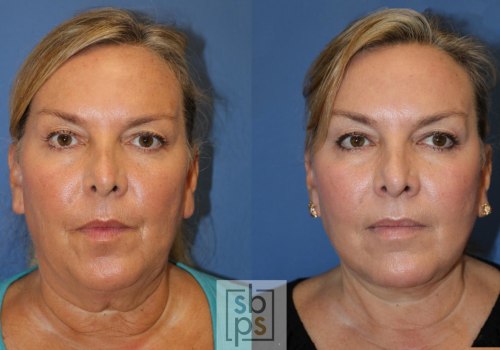
A facelift, medically known as rhytidectomy, is a cosmetic surgical procedure designed to create a more youthful appearance by addressing the visible signs of aging in the face and neck. As we age, factors such as gravity, sun exposure, and the natural loss of collagen can lead to sagging skin, deep creases, and a less defined jawline. A facelift aims to reverse these effects by tightening the underlying muscles and removing excess skin, resulting in a smoother and firmer facial contour.The decision to undergo a facelift is often driven by personal desires for enhanced self-esteem and confidence. Many individuals seek this procedure not only to improve their physical appearance but also to feel more aligned with their inner vitality.
However, it is essential to understand that a facelift is not a one-size-fits-all solution; various techniques exist, each tailored to meet the unique needs of the patient. This diversity in approaches can significantly influence the overall cost of a facelift, making it crucial for prospective patients to be well-informed.In addition to the surgical technique chosen, several other factors contribute to the final price tag of a facelift. These include the surgeon's experience and credentials, the geographical location of the procedure, and any additional treatments that may be recommended for optimal results. Understanding these elements will not only help you prepare financially but also ensure that you make an informed decision about your aesthetic journey.As we delve deeper into this topic, we will explore the various aspects of facelift costs, providing you with comprehensive insights that will aid in your decision-making process.
Whether you are considering a facelift for yourself or simply seeking knowledge about this popular procedure, being equipped with accurate information is vital for achieving your desired outcomes.
Factors Influencing the Cost of a Facelift
When considering a facelift, understanding the various factors that influence its cost is crucial for making an informed decision. The price of a facelift can vary significantly based on several key elements, each contributing to the overall expense of the procedure.- Surgeon Expertise: One of the most significant factors affecting the cost of a facelift is the surgeon's experience and qualifications. Board-certified plastic surgeons with extensive training and a proven track record often charge higher fees. Their expertise can lead to better outcomes, which may justify the increased cost. One of the most significant factors affecting the cost of a facelift is the surgeon's experience and qualifications. Board-certified plastic surgeons with extensive training and a proven track record often charge higher fees. Their expertise can lead to better outcomes, which may justify the increased cost.
- Geographical Location: The location of the surgery plays a vital role in determining the price.
Urban areas with a high cost of living, such as London or Manchester, typically have higher surgical fees compared to rural regions. Additionally, local demand for cosmetic procedures can influence pricing; areas with more competition may offer more competitive rates.
- Facility Fees: The type of facility where the surgery is performed also impacts costs. Accredited surgical centres or hospitals may charge more due to their higher standards of care and safety. In contrast, outpatient clinics might offer lower prices but could compromise on certain aspects of patient care.
- Anesthesia Costs: The type of anesthesia used during the procedure can affect overall costs.
General anesthesia tends to be more expensive than local anesthesia due to the need for an anesthesiologist and additional monitoring during surgery.
- Extent of Surgery: The complexity and extent of the facelift procedure itself will also influence pricing. A full facelift that addresses multiple areas may cost more than a mini facelift or targeted procedures that focus on specific regions of the face. The complexity and extent of the facelift procedure itself will also influence pricing. A full facelift that addresses multiple areas may cost more than a mini facelift or targeted procedures that focus on specific regions of the face.
- Post-Operative Care: Aftercare is another essential component of facelift costs. Follow-up visits, medications, and any necessary revisions can add to the total expense. It’s important to factor in these potential costs when budgeting for your facelift.
By considering surgeon expertise, geographical location, facility fees, anesthesia costs, the extent of surgery, and post-operative care, you can gain a clearer picture of what to expect in terms of pricing.
Types of Facelifts and Their Costs
When considering a facelift, it is essential to understand the various types available, as each comes with its own unique benefits and costs. The choice of facelift can significantly influence not only the outcome but also the financial investment required.Traditional Facelift
The traditional facelift, often referred to as a full facelift, is designed to address significant sagging and loss of volume in the face and neck. This procedure involves making incisions around the ears and hairline, allowing for comprehensive tightening of the skin and underlying tissues. The cost of a traditional facelift typically ranges from £7,000 to £12,000, depending on the surgeon's expertise and the complexity of the procedure.Mini Facelift
A mini facelift is a less invasive option that targets specific areas of the face, primarily focusing on the lower face and jawline.This procedure requires smaller incisions and generally results in a quicker recovery time. The cost for a mini facelift usually falls between £4,000 and £8,000, making it a more affordable option for those looking to achieve subtle improvements without undergoing a full surgical procedure.
Non-Surgical Facelift
For individuals seeking less invasive alternatives, non-surgical facelifts have gained popularity. These procedures often involve dermal fillers, Botox injections, or thread lifts to enhance facial contours without significant downtime. The costs for non-surgical options can vary widely based on the techniques used and the products administered, typically ranging from £1,500 to £5,000.Cost Comparison
When comparing these facelift types, it is crucial to consider not only the initial costs but also potential long-term expenses associated with maintenance treatments for non-surgical options.While traditional facelifts may require fewer follow-up procedures, non-surgical methods often necessitate regular touch-ups to maintain results.Ultimately, the choice of facelift should align with your aesthetic goals, budgetary constraints, and willingness to undergo surgical procedures. Consulting with a qualified plastic surgeon can provide tailored insights into which option may be best suited for your needs.
Geographical Variations in Facelift Costs
The cost of a facelift can vary considerably across different regions in the UK, influenced by factors such as local demand, the cost of living, and the availability of qualified surgeons. Understanding these geographical variations is crucial for anyone considering this transformative procedure.In major cities like London , facelift prices tend to be on the higher end of the spectrum. This is largely due to the concentration of experienced plastic surgeons and advanced medical facilities.On average, patients in London can expect to pay between £10,000 and £15,000 for a facelift. The high cost reflects not only the surgeon's expertise but also the overhead expenses associated with operating in a metropolitan area.Conversely, in smaller cities or rural areas, such as Cardiff or Newcastle , facelift costs can be significantly lower. Here, prices typically range from £7,000 to £10,000. The reduced costs in these regions can be attributed to lower living expenses and less competition among surgeons.
Birmingham
, another major city, offers a middle ground with facelift prices averaging around £8,000 to £12,000.
Patients in Birmingham benefit from a variety of clinics and practitioners, which can create competitive pricing while still ensuring access to qualified professionals.It’s also important to consider that some regions may have specific clinics that offer promotional rates or financing options, making facelifts more accessible. For instance, clinics in Manchester might provide package deals that include pre-operative consultations and post-operative care at a bundled price.When evaluating facelift costs by location, potential patients should also factor in travel expenses if they are considering clinics outside their immediate area. While it may be tempting to choose a less expensive option far from home, it’s essential to ensure that the surgeon’s qualifications and the clinic’s reputation are not compromised.Ultimately, while geographical location plays a significant role in determining facelift costs in the UK, prospective patients should prioritise quality and safety over price alone. Researching various options and consulting with multiple surgeons can help individuals make informed decisions that align with their budget and aesthetic goals.
Surgeon Credentials and Their Impact on Cost
When considering a facelift, one of the most critical factors influencing the overall cost is the credentials and experience of the surgeon performing the procedure.Selecting a qualified surgeon is not just about ensuring a successful outcome; it also plays a significant role in determining the financial investment required for your surgery.
Surgeon Experience and Its Cost Implications
The experience level of a surgeon can greatly affect the cost of a facelift. Generally, surgeons with extensive experience and a proven track record in performing facelifts may charge higher fees. This is because their expertise often translates into better results, fewer complications, and a more refined surgical technique. Patients are often willing to pay a premium for the assurance that comes with a seasoned professional.Moreover, experienced surgeons are more likely to have access to advanced technologies and techniques that can enhance the quality of care.
For instance, they may utilise minimally invasive methods that not only improve recovery times but also yield more natural-looking results. These advanced techniques can come at an additional cost, but many patients find them worth the investment.
Choosing a Board-Certified Surgeon
One of the best ways to ensure you are selecting a qualified surgeon is to look for board certification. Board-certified plastic surgeons have undergone rigorous training and have met specific standards set by recognised medical boards. This certification indicates that they possess the necessary skills and knowledge to perform cosmetic procedures safely and effectively.While opting for a board-certified surgeon may increase your initial costs, it can ultimately save you money in the long run by reducing the risk of complications or the need for revision surgeries.
It’s essential to weigh these factors when considering your budget for a facelift.
Additional Considerations
- Consultation Fees: Many surgeons charge for initial consultations, which can vary widely based on their reputation and location.
- Location: The geographical area where the surgeon practices can also impact costs; urban centres typically have higher fees than rural areas.
- Facility Fees: The type of facility where the surgery is performed—whether it’s an accredited surgical centre or a hospital—can also influence overall costs.
Additional Costs to Consider Beyond the Surgery Fee
When considering a facelift, it is crucial to look beyond the initial surgery fee. Numerous additional costs can arise, which may significantly impact your overall budget. Understanding these potential expenses will help you prepare financially and avoid any surprises.Anaesthesia Fees
One of the primary additional costs associated with a facelift is the anaesthesia fee.
This fee can vary depending on the type of anaesthesia used—whether it’s local or general—and the duration of the procedure. Typically, general anaesthesia is more expensive than local anaesthesia. On average, you might expect to pay anywhere from £500 to £1,500 for anaesthesia services.
Facility Charges
The facility where the surgery is performed also contributes to the overall cost. If your facelift is conducted in a hospital setting, the fees can be higher compared to an outpatient surgical centre.
Facility charges cover the use of operating rooms, recovery areas, and other necessary amenities. These costs can range from £1,000 to £3,000 or more, depending on the location and reputation of the facility.
Post-Operative Care
After your facelift, you will likely incur additional expenses related to post-operative care. This may include follow-up visits with your surgeon to monitor your recovery and ensure optimal results. Each follow-up appointment can cost between £100 and £300.
Furthermore, you may need prescription medications for pain management or antibiotics to prevent infection, which can add another £50 to £200 to your total expenses.
Other Considerations
- Compression Garments: After surgery, you may be required to wear a compression garment to aid in healing. These garments typically cost between £30 and £100.
- Home Care Services: Depending on your recovery needs, you might consider hiring home care services for assistance during the initial days post-surgery. This could range from £20 to £50 per hour.
- Cosmetic Products: To enhance healing and maintain results, you may want to invest in specific skincare products recommended by your surgeon, which can add another £100 or more.
Financing Options for Facelift Procedures
Considering a facelift can be a significant decision, not just emotionally but also financially.Fortunately, there are various financing options available to help make this transformative procedure more accessible. Understanding these options can alleviate some of the financial stress associated with cosmetic surgery.One of the most common ways to finance a facelift is through payment plans. Many plastic surgeons offer in-house financing or collaborate with third-party financing companies. These plans typically allow patients to pay for their surgery in manageable monthly instalments rather than a lump sum upfront.
This can make the cost of a facelift more feasible for many individuals.When considering payment plans, it’s essential to review the terms carefully. Look for:
- Interest Rates: Some plans may offer 0% interest for a promotional period, while others may have higher rates that can significantly increase the total cost.
- Down Payment: Some financing options may require an initial down payment, which can vary widely depending on the provider.
- Loan Duration: The length of the repayment period can affect your monthly payments and overall financial commitment.
- Loan Amount: Ensure that the loan covers not only the surgical costs but also any additional expenses such as anaesthesia and facility fees.
- Credit Score Requirements: Lenders will typically assess your creditworthiness, so it’s beneficial to check your credit score beforehand and address any issues that may affect your eligibility.
- Repayment Terms: Similar to payment plans, review the interest rates and repayment terms to find a loan that fits your budget.
These accounts allow you to set aside pre-tax dollars for medical expenses, which can include cosmetic procedures in certain cases.Ultimately, it’s crucial to weigh all available financing options carefully. Consulting with your surgeon about their recommendations and any potential partnerships with financing companies can provide further clarity. By understanding your choices, you can make an informed decision that aligns with both your aesthetic goals and financial situation.
Realistic Expectations: What You Should Know Before Surgery
Undergoing a facelift is a significant decision that requires careful consideration and preparation. Understanding what to expect before and after the surgery can help you make an informed choice and set realistic expectations for your results.Preparing for Facelift Surgery
- Consultation: Your journey begins with a thorough consultation with a qualified plastic surgeon.
During this meeting, discuss your goals, medical history, and any concerns you may have. This is also the time to ask about the surgeon's experience and credentials.
- Pre-operative Instructions: Follow your surgeon's pre-operative guidelines closely. This may include avoiding certain medications, smoking cessation, and arranging for someone to assist you post-surgery.
- Realistic Goals: It's crucial to have realistic expectations about the outcomes of your facelift. While the procedure can significantly rejuvenate your appearance, it cannot stop the aging process or create perfection.
What to Expect During Recovery
The recovery period following a facelift varies from person to person but generally involves some swelling, bruising, and discomfort.
Here are some key points to keep in mind:
- Initial Recovery: Most patients can return home the same day as their surgery. However, you should plan for at least one week of downtime before resuming normal activities.
- Follow-Up Appointments: Attend all scheduled follow-up visits with your surgeon to monitor your healing process and address any concerns.
- Managing Discomfort: Pain management is an essential part of recovery. Your surgeon will provide guidelines on medications to help alleviate discomfort.
Long-Term Results
The results of a facelift can be long-lasting, but they are influenced by various factors such as age, skin type, and lifestyle choices. Maintaining a healthy lifestyle post-surgery can help prolong your results.
Remember that while a facelift can enhance your appearance, it is not a substitute for good skincare or a healthy lifestyle.In conclusion, preparing for a facelift involves understanding both the surgical process and the recovery journey. By setting realistic expectations and following your surgeon's advice, you can achieve satisfying results that enhance your confidence and self-image.
Frequently Asked Questions About Facelift Costs
When considering a facelift, potential patients often have numerous questions regarding the costs associated with the procedure. Below are some of the most frequently asked questions that can help clarify what to expect financially.What is the average cost of a facelift?
The average cost of a facelift can vary significantly based on several factors, including the surgeon's experience, the complexity of the procedure, and geographical location. In the UK, patients can expect to pay anywhere from £7,000 to £15,000.This range typically includes surgeon fees, anaesthesia, and facility costs.
Are there additional costs I should be aware of?
Yes, aside from the initial surgical fee, there are additional costs that may arise. These can include:- Consultation fees: Initial consultations with your surgeon may incur a fee.
- Pre-operative tests: Blood tests or other medical evaluations may be required before surgery.
- Post-operative care: Follow-up appointments and any necessary medications can add to the overall cost.
- Potential revision surgeries: If you are not satisfied with the results, additional procedures may be needed.
Does insurance cover facelift costs?
In most cases, facelift procedures are considered cosmetic and are not covered by health insurance. However, if the surgery is deemed medically necessary due to trauma or other health issues, some insurance plans may provide partial coverage. It is essential to check with your insurance provider for specific details.How can I finance my facelift?
Many clinics offer financing options to help patients manage the cost of a facelift.These options may include payment plans or medical credit cards that allow you to pay for your procedure over time. Be sure to discuss financing options during your consultation.
What factors influence the cost of a facelift?
The cost of a facelift can be influenced by several factors:- The type of facelift: Different techniques (e.g., traditional vs. mini facelift) have varying costs.
- The surgeon's expertise: Highly experienced surgeons may charge more for their services.
- The location of the surgery: Urban areas with higher living costs typically have higher surgical fees.
- The complexity of your case: Individual anatomical considerations can affect both the procedure and its cost.
Conclusion: Making an Informed Decision About Your Facelift
In conclusion, deciding to undergo a facelift is a significant choice that requires careful consideration of various factors. Throughout this article, we have explored the multifaceted aspects that contribute to the overall cost of a facelift, including the type of procedure, the surgeon's qualifications, and the geographical location of the surgery.It is essential to remember that while the financial aspect is crucial, it should not be the sole determinant in your decision-making process.Here are some key points to reflect on:
- Understanding the Types of Facelifts: Different techniques, such as traditional facelifts, mini facelifts, and non-surgical options, come with varying costs and recovery times. Assess which option aligns best with your aesthetic goals and lifestyle.
- Surgeon Credentials: The experience and reputation of your surgeon can significantly influence both the cost and the outcome of your procedure. Investing in a qualified professional can lead to better results and reduce the risk of complications.
- Location Matters: The cost of living in different regions can affect surgical fees. Researching local options and understanding how location impacts pricing can help you make a more informed choice.
- Post-Operative Care: Consider the costs associated with recovery, including follow-up visits and any necessary medications.
A comprehensive understanding of these expenses will provide a clearer picture of your total investment.