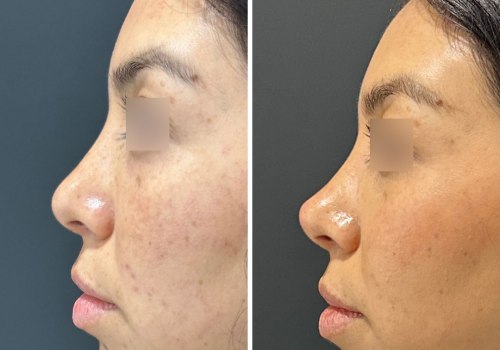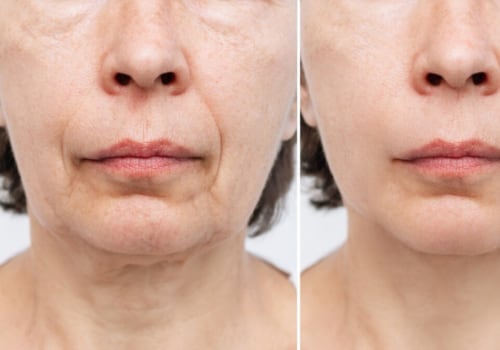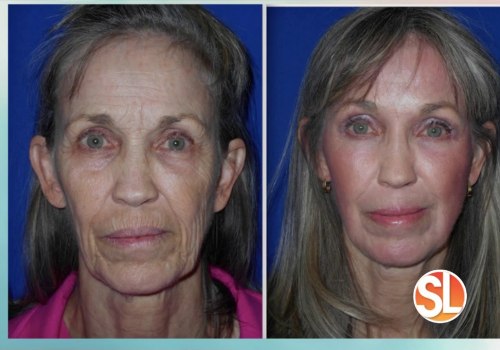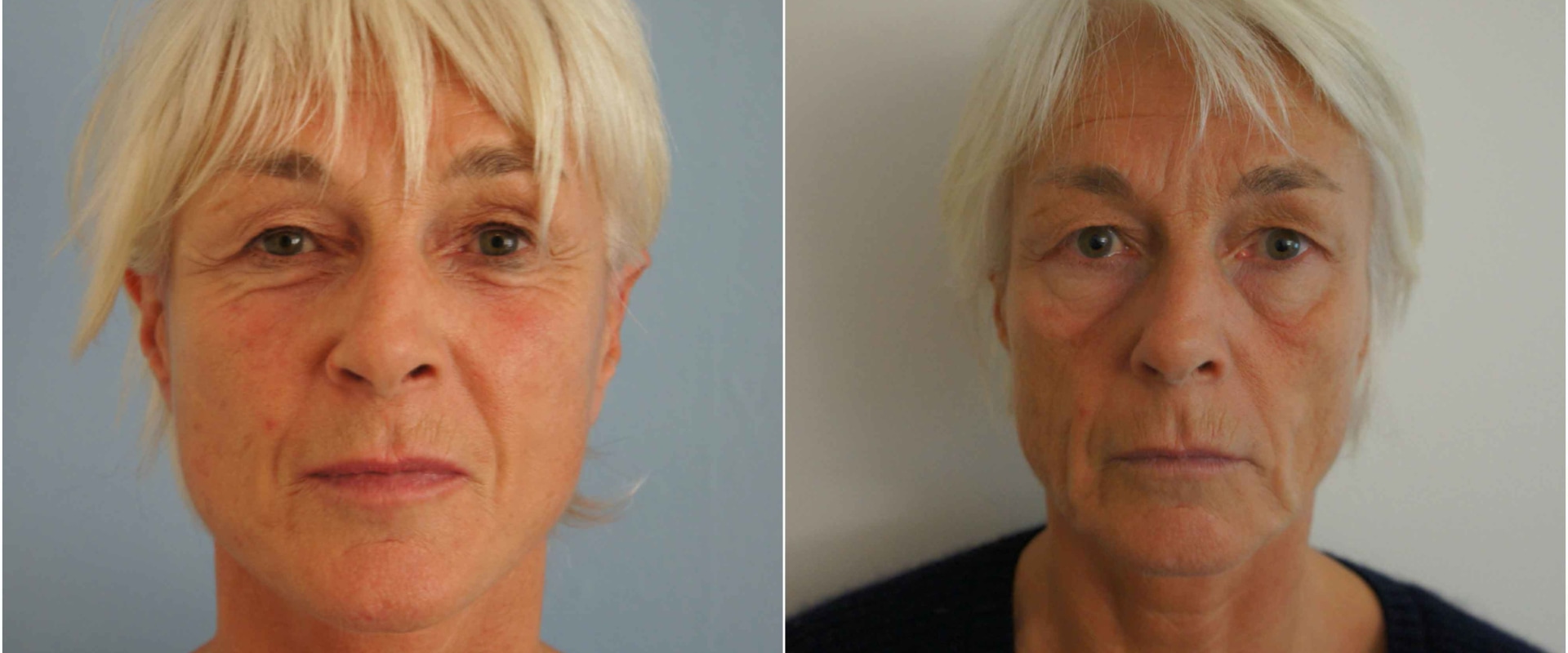
In recent years, the quest for youthful appearance has led to a surge in the popularity of cosmetic procedures, particularly among those seeking less invasive options. One such procedure that has gained significant attention is the mini faceliftmini facelift. This innovative approach to facial rejuvenation offers a solution for individuals looking to address early signs of aging without the extensive recovery time associated with traditional facelifts. But what exactly is a mini facelift, and how does it differ from its more invasive counterpart?A mini facelift, as the name suggests, is a less invasive surgical procedure designed to lift and tighten specific areas of the face, primarily focusing on the lower face and jawline.
Unlike a full facelift, which addresses sagging skin across the entire face and neck, a mini facelift targets localized areas of concern. This makes it an appealing option for younger patients or those with mild to moderate sagging who may not yet require a full facelift. The procedure typically involves smaller incisions, resulting in less scarring and a quicker recovery period.The benefits of a mini facelift extend beyond its minimally invasive nature. Patients often report enhanced facial contours, improved skin elasticity, and a more youthful appearance without the dramatic changes that can accompany traditional facelifts.
Additionally, the shorter recovery time—often just one to two weeks—allows individuals to return to their daily routines more swiftly. This convenience has made the mini facelift an attractive choice for busy professionals and those hesitant about undergoing major surgery.As we delve deeper into the world of mini facelifts, it’s essential to understand not only the procedure itself but also the factors that contribute to its growing popularity. From advancements in surgical techniques to an increasing desire for natural-looking results, the mini facelift represents a significant shift in how individuals approach facial rejuvenation. Whether you’re considering this procedure for yourself or simply curious about its implications, understanding the nuances of mini facelifts will equip you with valuable insights into modern cosmetic surgery.
The Procedure: What to Expect
Undergoing a mini facelift is a significant decision, and understanding the procedure is essential for anyone considering this cosmetic enhancement.The process typically begins with a thorough pre-operative consultation, where the surgeon evaluates the patient's facial structure, discusses aesthetic goals, and reviews medical history. This initial meeting is crucial for establishing realistic expectations and determining whether a mini facelift is the right choice for the individual.During the consultation, patients should feel free to ask questions about the procedure, including potential risks and recovery time. The surgeon will also explain the different anaesthesia options available. Most commonly, local anaesthesia with sedation is used for a mini facelift, allowing patients to remain comfortable while being awake but relaxed during the procedure.
Steps Involved in a Mini Facelift
The surgical process of a mini facelift generally follows these key steps:- Preparation: On the day of surgery, patients will be asked to arrive at the surgical facility early.
They will undergo final assessments and may be given pre-operative instructions to follow.
- Administering Anaesthesia: Once in the operating room, anaesthesia will be administered. This ensures that the patient is comfortable throughout the procedure.
- Incision Placement: The surgeon will make small incisions, typically around the ears or within the hairline. These incisions are strategically placed to minimise visible scarring.
- Tightening of Skin and Tissue: Through these incisions, excess skin is removed, and underlying tissues are tightened. This step helps to lift sagging areas of the face.
- Closing Incisions: After achieving the desired results, the surgeon will carefully close the incisions using sutures or adhesive strips.
This step is crucial for ensuring proper healing and minimising scarring.
- Post-Operative Care: Once the procedure is complete, patients are monitored briefly before being allowed to go home. Detailed post-operative care instructions will be provided to aid recovery.
Benefits of a Mini Facelift
Choosing to undergo a mini facelift can offer numerous advantages for individuals seeking facial rejuvenation without the extensive recovery associated with traditional facelift procedures.Choosing to undergo a mini facelift can offer numerous advantages for individuals seeking facial rejuvenation without the extensive recovery associated with traditional facelift procedures.Below are some of the key benefits that make a mini facelift an appealing option:
- Less Invasive Procedure: A mini facelift is designed to be less invasive than a full facelift. This means smaller incisions and reduced trauma to the surrounding tissues, which can lead to a more comfortable experience during and after the surgery.
- Shorter Recovery Time: One of the most significant benefits of a mini facelift is the typically shorter recovery period. Many patients find that they can return to their daily activities within a week or two, making it an ideal choice for those with busy lifestyles.
- Targeted Results: Unlike a full facelift, which addresses sagging skin across the entire face and neck, a mini facelift focuses on specific areas that may require attention. This targeted approach allows for more precise enhancements, resulting in a natural-looking outcome that complements the patient’s unique facial structure.
- Minimal Scarring: Due to the smaller incisions used in a mini facelift, scarring is often less noticeable compared to traditional facelifts.
Surgeons typically place incisions in discreet locations, such as along the hairline or behind the ears, further reducing visibility.
- Quick Results: Patients often notice immediate improvements in their appearance following a mini facelift. While some swelling and bruising may occur initially, many individuals are pleased with their results shortly after surgery, boosting their confidence and satisfaction.
- Lower Risk of Complications: With any surgical procedure, there are inherent risks; however, because a mini facelift is less invasive, it generally carries a lower risk of complications compared to more extensive surgeries. This can provide peace of mind for patients considering their options.
As always, consulting with a qualified cosmetic surgeon can help determine if this procedure aligns with your aesthetic goals and health considerations.As always, consulting with a qualified cosmetic surgeon can help determine if this procedure aligns with your aesthetic goals and health considerations.
Who is an Ideal Candidate?
Determining whether you are an ideal candidate for a mini facelift involves several factors, including age, skin type, and overall health. Understanding these criteria can help you make an informed decision about whether this procedure is right for you.Age Considerations
While there is no strict age limit for undergoing a mini facelift, it is generally more suitable for individuals in their 30s to 50s. At this stage, many people begin to notice the early signs of aging, such as mild sagging around the jawline and cheeks. Younger patients often have better skin elasticity, which can lead to more satisfying results.Conversely, older patients may require a full facelift to address more significant sagging and skin laxity.
Skin Type and Condition
Your skin type plays a crucial role in determining your suitability for a mini facelift. Those with firm, elastic skin are typically better candidates, as their skin can adapt more effectively to the changes made during surgery. If you have experienced significant weight loss or have skin that is excessively thin or damaged, you may not achieve the desired results from a mini facelift. Additionally, individuals with certain skin conditions, such as active acne or eczema, should consult with their surgeon to assess how these issues might impact the procedure.Health Considerations
Before considering a mini facelift, it is essential to evaluate your overall health.Candidates should be in good physical condition and free from any serious medical conditions that could complicate surgery or recovery. For instance, individuals with cardiovascular issues, diabetes, or autoimmune disorders may face higher risks during and after the procedure. Furthermore, those who smoke or use tobacco products should be aware that these habits can hinder healing and negatively affect surgical outcomes.
Psychological Readiness
Beyond physical attributes, psychological readiness is also vital. Ideal candidates should have realistic expectations about the results of a mini facelift.It is important to understand that while this procedure can enhance your appearance and boost your confidence, it will not completely change your look or resolve underlying emotional issues related to self-image.In summary, an ideal candidate for a mini facelift typically falls within a certain age range, possesses good skin elasticity, maintains overall health without serious medical conditions, and approaches the procedure with realistic expectations. Consulting with a qualified cosmetic surgeon can provide further insights tailored to your specific situation.
Potential Risks and Complications
Undergoing a mini facelift can be an appealing option for those looking to rejuvenate their appearance with less downtime than a traditional facelift. However, it is essential to be aware of the potential risks and complications associated with this procedure. Understanding these factors can help you make an informed decision about whether a mini facelift is right for you.Common Side EffectsCommon Side Effects
- Pain and Discomfort: It is normal to experience some level of pain or discomfort following the surgery.
This can usually be managed with prescribed pain relief medications.
- Swelling and Bruising: Swelling and bruising are common after any surgical procedure, including a mini facelift. These symptoms typically subside within a few weeks, but they can vary from person to person.
- Numbness: Some patients report temporary numbness in the treated areas, which usually resolves as healing progresses.
Serious Complications
While most side effects are mild and temporary, there are more serious complications that can arise:
- Infection: As with any surgical procedure, there is a risk of infection at the incision sites. Signs of infection may include increased redness, swelling, warmth, or discharge from the incisions.
- Scarring: Although mini facelifts are designed to minimise scarring, there is still a possibility of noticeable scars. The extent of scarring can depend on individual healing processes and the surgeon's technique.
- Asymmetry: In some cases, patients may notice asymmetry in their facial features post-surgery.
This can occur if one side heals differently than the other.
- Hematoma: A hematoma is a collection of blood outside of blood vessels that can occur after surgery. This may require additional treatment to drain the accumulated blood.
Long-term Considerations
It is also important to consider that while a mini facelift can provide immediate results, the effects may not be permanent. Factors such as aging, sun exposure, and lifestyle choices can influence how long the results last. Regular follow-up consultations with your surgeon can help monitor your progress and address any concerns that may arise.In conclusion, while a mini facelift offers many benefits, it is crucial to weigh these against the potential risks and complications.
Consulting with a qualified cosmetic surgeon will provide you with tailored advice based on your individual health profile and aesthetic goals.
Recovery Process: What to Know
Recovering from a mini facelift is a crucial phase that significantly impacts the overall results of the procedure. Understanding the recovery timeline and adhering to post-operative care instructions can help ensure a smooth healing process.Recovery Timeline
Typically, the initial recovery period after a mini facelift lasts about one to two weeks. During this time, patients may experience swelling, bruising, and some discomfort around the surgical sites. Here’s a general timeline of what to expect:- Days 1-3: The first few days post-surgery are often the most challenging.
Patients should rest and keep their head elevated to minimise swelling. Pain medication prescribed by the surgeon can help manage discomfort.
- Days 4-7: By the end of the first week, most swelling and bruising will begin to subside. Many patients feel comfortable enough to resume light activities, but strenuous exercise should still be avoided.
- Weeks 2-4: As healing progresses, patients can gradually return to their normal routines. However, it’s essential to avoid any activities that could strain the facial muscles or increase blood flow to the face.
- After 4 Weeks: Most patients will see significant improvements in their appearance, with residual swelling continuing to diminish over time.
Full results may take several months as the skin settles into its new position.
Post-Operative Care Tips
Proper post-operative care is vital for optimal healing and results. Here are some essential tips:- Follow Your Surgeon’s Instructions: Adhering strictly to your surgeon's guidelines regarding medications, wound care, and follow-up appointments is crucial.
- Keep Incisions Clean: Gently clean the surgical sites as directed to prevent infection. Avoid soaking in baths or swimming pools until cleared by your surgeon.
- Avoid Sun Exposure: Protect your skin from sun exposure by wearing a wide-brimmed hat and using sunscreen once incisions have healed.
- Stay Hydrated and Eat Well: A balanced diet rich in vitamins and minerals can support healing. Staying hydrated is equally important.
- Avoid Smoking and Alcohol: Both can impede healing and increase the risk of complications; it’s best to avoid them during recovery.
By following post-operative care instructions diligently and allowing adequate time for healing, patients can enjoy their rejuvenated appearance with confidence.
Mini Facelift vs. Traditional Facelift: Key Differences
When considering facial rejuvenation, understanding the distinctions between a mini facelift and a traditional facelift is crucial. Both procedures aim to enhance appearance by addressing signs of aging, but they differ significantly in technique, recovery time, and the areas they target.1.Scope of Treatment
- Mini Facelift: This procedure primarily focuses on the lower third of the face, specifically targeting sagging skin around the jawline and cheeks. It is designed for individuals with mild to moderate signs of aging who do not require extensive lifting.
- Traditional Facelift: In contrast, a full facelift addresses a broader area, including the mid-face, lower face, and neck.
It is suitable for those with more pronounced sagging and deeper wrinkles, providing a more comprehensive rejuvenation.
2.Surgical Technique
- Mini Facelift: The mini facelift involves smaller incisions, often hidden within the hairline or natural creases of the skin. This less invasive approach results in reduced scarring and a quicker recovery.
- Traditional Facelift: A full facelift requires longer incisions that extend from the temples down around the ears. This technique allows for more significant lifting and tightening of the skin but may result in more visible scarring.
3.Recovery Time
- Mini Facelift: Patients typically experience a shorter recovery period, often returning to normal activities within one to two weeks. Swelling and bruising are generally minimal.
- Traditional Facelift: Recovery from a full facelift can take several weeks, with patients advised to avoid strenuous activities for at least four to six weeks to ensure proper healing.
4.Longevity of Results
- Mini Facelift: While results can last several years, they may not be as long-lasting as those from a traditional facelift due to the less extensive nature of the procedure.
- Traditional Facelift: The results from a full facelift can last significantly longer, often up to ten years or more, making it a preferred option for those seeking enduring improvements.
Consulting with a qualified cosmetic surgeon can help determine which procedure aligns best with your aesthetic goals.
Combining Procedures: Enhancing Results
When considering a mini facelift, many patients explore the possibility of combining it with other cosmetic procedures to achieve more comprehensive results. This approach not only enhances the overall aesthetic outcome but also allows for a more tailored treatment plan that addresses multiple areas of concern simultaneously.One of the most popular combinations is pairing a mini facelift with blepharoplasty , or eyelid surgery. As we age, the skin around the eyes can become saggy and tired-looking, which can detract from an otherwise youthful appearance. By addressing both the lower face and the eyes, patients can achieve a refreshed look that enhances their facial harmony.Another effective combination is a mini facelift with a brow liftbrow lift.This procedure targets sagging brows and forehead wrinkles, which can often accompany facial aging. By lifting the brow area in conjunction with the mini facelift, patients can enjoy a more open and youthful expression, further complementing the rejuvenation of the lower face.In addition to these popular pairings, some patients may also consider combining a mini facelift with dermal fillers or Botox. These non-surgical treatments can help to restore volume and smooth out fine lines, providing an additional layer of enhancement without the need for further invasive procedures. The results can be particularly striking when fillers are used to augment areas such as the cheeks or nasolabial folds, which may still show signs of aging even after a facelift.It’s essential to consult with a qualified cosmetic surgeon who can assess your individual needs and recommend the best combination of procedures for your desired outcomes.
They will consider factors such as your skin type, age, and specific areas of concern to create a personalised treatment plan that maximises results while minimising recovery time.Ultimately, combining procedures can lead to more significant improvements in facial aesthetics than undergoing a mini facelift alone. However, it’s crucial to approach this option with careful consideration and professional guidance to ensure safety and satisfaction with the final results.
Consultation with a Cosmetic Surgeon: What to Ask
When considering a mini facelift, the consultation with a cosmetic surgeon is a crucial step in the decision-making process. This meeting provides an opportunity to gather essential information and assess whether the surgeon is the right fit for your needs. Here are some important questions to consider asking during your consultation:- What are your qualifications and experience? It’s vital to understand the surgeon’s background, including their training, certifications, and how many mini facelifts they have performed.
This will help you gauge their expertise and comfort level with the procedure.
- Can you show me before-and-after photos of previous patients? Viewing real results from past patients can give you a clearer idea of what to expect. Look for examples that closely resemble your own facial structure and desired outcomes.
- What techniques do you use for a mini facelift? Different surgeons may employ various techniques. Understanding the specific method your surgeon uses can help you feel more informed about the procedure and its potential outcomes.
- What are the potential risks and complications? Every surgical procedure carries risks. Discussing these openly will help you weigh the benefits against potential downsides, allowing for a more informed decision.
- What is the expected recovery time? Knowing how long it will take to recover can help you plan accordingly.
Ask about any restrictions on activities during your recovery period.
- How long will the results last? Understanding the longevity of your results can help set realistic expectations. Some patients may require touch-ups or additional procedures in the future.
- What are the costs involved? Inquire about the total cost of the procedure, including any additional fees for anaesthesia, facility use, or follow-up visits. This will help you budget appropriately.
- Do you offer financing options? If cost is a concern, ask if there are payment plans or financing options available to make the procedure more accessible.
This preparation not only helps streamline the conversation but also ensures that all relevant information is discussed.Ultimately, a successful consultation should leave you feeling informed and confident about your decision regarding a mini facelift. Don’t hesitate to ask any additional questions that may arise during your discussion; after all, this is about making an informed choice that aligns with your aesthetic goals.
<strong>Conclusion</strong>: Making an Informed Decision About Mini Facelifts
In conclusion, the decision to undergo a mini facelift is one that should not be taken lightly. Throughout this article, we have explored various aspects of the procedure, from its benefits and limitations to the importance of selecting a qualified surgeon. Understanding these factors is crucial for anyone considering this cosmetic enhancement.Firstly, it is essential to recognise that a mini facelift, while less invasive than a traditional facelift, still involves surgical intervention.This means that potential risks and complications exist, albeit typically milder. Patients should be aware of the possibility of side effects such as swelling, bruising, and discomfort during the recovery period. It is vital to follow post-operative care instructions meticulously to ensure optimal healing.Moreover, the suitability for a mini facelift varies from person to person. Factors such as age, skin condition, and overall health play significant roles in determining whether this procedure is appropriate for you.
Younger patients may find that a mini facelift addresses their concerns effectively without the need for more extensive surgery, while older individuals may require a full facelift for more comprehensive results.Consultation with a qualified cosmetic surgeon is paramount. During this initial meeting, you can discuss your aesthetic goals and any concerns you may have. A skilled professional will assess your individual needs and provide tailored recommendations, ensuring that you are well-informed about what to expect from the procedure.Ultimately, making an informed decision about a mini facelift involves careful consideration of all these elements. By understanding the intricacies of the procedure and seeking expert advice, you can choose a path that aligns with your personal goals and enhances your confidence in your appearance.