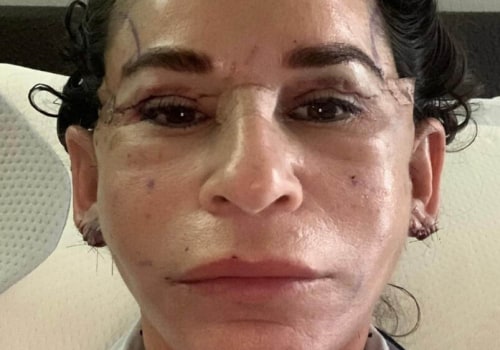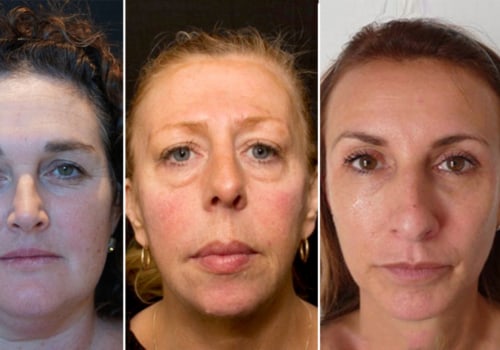
Facelift surgery, or rhytidectomy, is a popular cosmetic procedure designed to rejuvenate the face by addressing signs of aging such as sagging skin, deep creases, and loss of facial volume. This surgical intervention involves the removal of excess skin and tightening of underlying tissues, resulting in a more youthful and refreshed appearance. While many individuals seek this transformative procedure to enhance their self-esteem and overall aesthetic, it is essential to understand the recovery process that follows.Recovery from a facelift can vary significantly from person to person, influenced by factors such as the extent of the surgery, individual healing capabilities, and adherence to post-operative care instructions. During this period, patients often experience a range of sensations, including swelling, bruising, and notably, numbness in certain areas of the face.
This numbness is typically a temporary side effect that arises as the body heals and nerve endings regenerate.It is crucial for patients to be aware that experiencing numbness after a facelift is not uncommon. In fact, it is considered a normal part of the healing process. The degree and duration of numbness can differ based on the specific techniques employed during surgery and the individual’s unique anatomy. Understanding these aspects can help alleviate concerns and set realistic expectations for recovery.As you embark on your journey towards facial rejuvenation, it is vital to engage in open discussions with your plastic surgeon about what to expect during recovery.
This includes not only the aesthetic outcomes but also the potential side effects such as numbness. By being informed and prepared, you can navigate your recovery with confidence and achieve optimal results from your facelift.This includes not only the aesthetic outcomes but also the potential side effects such as numbness. By being informed and prepared, you can navigate your recovery with confidence and achieve optimal results from your facelift.
What is a Facelift?
A facelift , medically known as rhytidectomy, is a cosmetic surgical procedure designed to improve the visible signs of aging in the face and neck. This procedure aims to create a more youthful appearance by tightening the skin, removing excess fat, and repositioning underlying tissues. As we age, factors such as gravity, sun exposure, and lifestyle choices can lead to sagging skin, deep creases, and loss of facial volume.A facelift addresses these concerns by lifting and smoothing the skin.There are several types of facelifts, each tailored to meet the specific needs of the patient:
- Traditional Facelift: This is the most common type, involving incisions around the hairline and extending down in front of the ear. It allows for significant lifting of the skin and underlying tissues.
- Mini Facelift: A less invasive option that requires shorter incisions. It is ideal for patients with mild to moderate sagging and offers a quicker recovery time.
- Mid-Facelift: Focused on lifting the middle section of the face, this technique targets sagging cheeks and nasolabial folds. It often involves incisions inside the mouth or at the lower eyelids.
- Neck Lift: Often performed in conjunction with a facelift, this procedure specifically addresses sagging skin and fat deposits in the neck area.
- Thread Lift: A non-surgical option that uses temporary sutures to lift the skin.
It is less invasive but may not provide results as dramatic as traditional facelifts.
Numbness often occurs due to manipulation of nerves during surgery and can vary based on the extent of tissue alteration involved in each technique.
Understanding Numbness After a Facelift
Experiencing numbness after a facelift is a common occurrence that many patients face during their recovery journey. Understanding the reasons behind this sensation can help alleviate concerns and provide reassurance that it is typically a normal part of the healing process.Following a facelift, the body undergoes significant changes as it begins to heal. The surgical procedure involves manipulating the skin and underlying tissues, which can lead to temporary disruption of the sensory nerves in the affected areas. This disruption is primarily due to swelling and inflammation that occur as part of the body’s natural response to surgery.The degree of numbness can vary widely among individuals, influenced by factors such as:- The extent of the procedure: More extensive facelifts may involve greater dissection of tissues, leading to increased nerve impact.
- Individual healing responses: Each person’s body reacts differently to surgery, affecting how quickly nerves regenerate.
- Technique used: Different surgical techniques may result in varying levels of nerve involvement.
While this sensation can be disconcerting, it is important to note that it is generally not indicative of any serious complications. Instead, it reflects the body’s healing process as nerve endings gradually regenerate and regain function.Typically, patients will notice a gradual decrease in numbness over time. For many, this sensation may persist for several weeks or even months but usually resolves within a year post-surgery. During this period, it is crucial for patients to adhere to their surgeon’s post-operative care instructions and attend follow-up appointments.
These visits allow for monitoring of recovery progress and provide an opportunity for patients to discuss any concerns regarding their symptoms.If numbness persists beyond the expected timeframe or is accompanied by other troubling symptoms such as severe pain or changes in vision, it is essential to consult with a healthcare professional. Overall, while numbness after a facelift can be concerning, understanding its causes and expected duration can help patients navigate their recovery with greater confidence.
Common Side Effects of Facelift Surgery
Undergoing a facelift can be an exciting journey towards rejuvenation, but it is essential to understand that the recovery process often comes with a range of common side effects. These effects can vary in intensity and duration, and while they may be concerning, they are typically part of the healing process.One of the most prevalent side effects following a facelift is swelling. This occurs as the body responds to the surgical trauma, leading to inflammation in the treated areas.Swelling can manifest around the cheeks, jawline, and neck, and may last for several days to weeks. To manage swelling effectively, patients are advised to keep their head elevated during the initial recovery phase and apply cold compresses as recommended by their surgeon.In addition to swelling, many patients report experiencing headaches after their facelift. These headaches can arise from various factors, including tension in the facial muscles, changes in blood flow, or even the effects of anesthesia. While they can be uncomfortable, most headaches will subside within a few days.
Over-the-counter pain relief medications may be suggested by your surgeon to alleviate discomfort.Another common symptom during recovery is numbness , particularly in areas such as the cheeks and neck. This sensation is often linked to nerve irritation or damage during surgery and is generally temporary. As nerves heal and regenerate, patients may notice a gradual return of sensation over time.It is crucial for patients to remain vigilant during their recovery period. Monitoring for any signs of infection—such as increased redness, warmth, or discharge at the incision sites—is essential.
Attending all scheduled follow-up appointments allows your surgeon to assess your healing progress and address any concerns you may have.In summary, while experiencing side effects like swelling, headaches, and numbness after a facelift is common, understanding these symptoms can help ease anxiety during recovery. Always consult with your plastic surgeon regarding any unusual or prolonged symptoms to ensure a smooth healing process.
Duration and Variability of Numbness
After undergoing a facelift, many patients report experiencing numbness in various areas of their face. This sensation can be disconcerting, leading to questions about how long it will last and why experiences differ from one individual to another. Understanding the duration and variability of numbness is crucial for managing expectations during the recovery process.The duration of numbness following a facelift can vary significantly among patients.Generally, this numbness is a result of the surgical procedure affecting the sensory nerves in the skin. For most individuals, the numbness tends to be temporary, with sensations gradually returning over time. Typically, patients may notice a reduction in numbness within a few weeks; however, complete resolution can take several months, and in some cases, up to a year.Factors influencing the duration of numbness include:
- Extent of the Procedure: More extensive facelifts that involve deeper tissue manipulation may lead to prolonged numbness compared to less invasive techniques.
- Individual Healing Response: Each person's body heals at its own pace. Factors such as age, overall health, and adherence to post-operative care can impact recovery time.
- Type of Anesthesia Used: The type of anesthesia administered during surgery can also affect nerve sensitivity and recovery time.
Some individuals may find that their numbness resolves quickly, while others may experience lingering sensations for an extended period. This variability is often influenced by personal pain thresholds and perceptions of sensation. It is not uncommon for patients to report different levels of discomfort or sensitivity in the same areas post-surgery.It is essential for patients to maintain open communication with their plastic surgeon throughout the recovery process. Regular follow-up appointments allow for monitoring of healing progress and addressing any concerns regarding numbness or other sensations.
Surgeons can provide tailored advice based on individual recovery patterns and help reassure patients that their experiences are part of a normal healing trajectory.In conclusion, while experiencing numbness after a facelift is common and generally not a cause for concern, understanding its duration and variability can help patients navigate their recovery journey with greater confidence. Each individual's experience is unique, and patience is key as the body heals and sensations gradually return to normal.
When to Consult Your Surgeon About Numbness
While experiencing some degree of numbness after a facelift is typical, it is crucial for patients to remain vigilant about their recovery. Understanding when to consult your surgeon can help ensure that any potential complications are addressed promptly.Generally, patients should reach out to their surgeon if they notice any of the following signs:- Prolonged Numbness: If numbness persists beyond the expected timeframe, which is usually a few months, it may warrant further investigation. While some residual numbness can be normal, especially in areas where significant dissection occurred, prolonged symptoms could indicate nerve damage or other issues.
- Increased Swelling or Pain: If swelling worsens or pain intensifies rather than subsiding over time, this could signal an underlying problem.
It is essential to differentiate between normal post-operative discomfort and signs of complications.
- Changes in Skin Colour: Any unusual changes in skin colour, such as excessive redness or darkening, may suggest compromised blood flow or infection. These changes should be reported to your surgeon immediately.
- Fever or Chills: The presence of fever or chills can indicate an infection. If these symptoms occur alongside numbness, it is vital to seek medical attention without delay.
- Fluid Discharge: Any unexpected fluid discharge from the incision sites should be evaluated by your surgeon. This could be a sign of infection or other complications that require treatment.
Regular follow-up appointments allow your surgeon to monitor your healing and address any concerns you may have regarding numbness or other symptoms.Postoperative care plays a significant role in recovery. Adhering to your surgeon's instructions regarding wound care, activity restrictions, and medication can help mitigate complications and promote healing. If you have any doubts about your recovery or experience symptoms that cause concern, do not hesitate to contact your surgeon for guidance.
Post-Operative Care Tips for Optimal Recovery
Recovering from a facelift is a crucial phase that significantly impacts the overall results of the procedure. Proper post-operative care can enhance healing, reduce discomfort, and help you achieve the best possible outcome.Here are some essential tips to consider during your recovery period:
- Follow Your Surgeon’s Instructions: Adhering to the specific guidelines provided by your plastic surgeon is paramount. These instructions are tailored to your individual needs and will cover everything from medication to activity restrictions.
- Manage Swelling: Swelling is a common side effect after a facelift. To minimise this, keep your head elevated while resting or sleeping. Using extra pillows can help maintain an elevated position, which aids in reducing swelling.
- Cold Compresses: Applying cold compresses to the affected areas can also alleviate swelling and discomfort.
Ensure that you wrap ice packs in a cloth to avoid direct contact with the skin, which can cause frostbite.
- Stay Hydrated: Drinking plenty of water is essential for recovery. Staying hydrated helps your body heal more efficiently and can reduce swelling.
- Avoid Strenuous Activities: It’s important to refrain from heavy lifting, vigorous exercise, or any activities that may strain your facial muscles for at least a few weeks post-surgery. This will help prevent complications and promote healing.
- Monitor Your Symptoms: While some numbness and tingling are normal, keep an eye out for any unusual symptoms such as increased pain, redness, or discharge from the incision sites. If you notice anything concerning, contact your surgeon immediately.
- Take Prescribed Medications: Pain management is an important aspect of recovery.
Take any prescribed pain medications as directed to help manage discomfort effectively.
- Gentle Cleansing: When it comes time to clean your face, use a gentle cleanser and avoid scrubbing the area. Patting the skin dry is advisable to prevent irritation.
- Nutrition Matters: Eating a balanced diet rich in vitamins and minerals can support your body’s healing process. Foods high in protein, vitamin C, and zinc are particularly beneficial for recovery.
Always consult with your surgeon if you have any questions or concerns during your recovery process.
FAQs About Numbness After a Facelift
After undergoing a facelift, many patients have questions regarding the sensation in their face, particularly concerning numbness. Here are some frequently asked questions that can help clarify these concerns:- Is numbness after a facelift normal?
Yes, experiencing numbness is a common occurrence following a facelift. This sensation is typically due to the manipulation of nerves during the surgical procedure and can be exacerbated by swelling and inflammation in the area. Most patients will notice a gradual return of sensation over time. - How long does numbness last?
The duration of numbness varies from person to person and can depend on the extent of the surgery performed.Generally, patients may experience numbness for several weeks to months, with most sensations returning within six months to a year. However, some individuals may notice lingering effects for an extended period.
- What areas are most affected by numbness?
Numbness is often felt in the cheeks, neck, and lower eyelids. These areas are particularly susceptible due to their proximity to the surgical site and the nature of the facelift procedure. - When should I be concerned about numbness?
While some degree of numbness is expected, it is essential to monitor your symptoms. If you experience severe or persistent numbness that does not improve over time, or if you notice other symptoms such as pain, swelling, or signs of infection, it is crucial to contact your surgeon for further evaluation. - Can I do anything to help with the numbness?
Following your surgeon's post-operative care instructions is vital for recovery.Gentle massage around the affected areas may help stimulate blood flow and nerve regeneration. Additionally, staying hydrated and maintaining a healthy diet can support overall healing.
Conclusion: Embracing Your Recovery Journey
As you conclude your journey through the intricacies of recovery following a facelift, it is essential to embrace the process with both patience and understanding. The experience of numbness, while often concerning, is a common aspect of healing that many patients encounter.Recognising that this sensation is typically temporary can help alleviate anxiety during the recovery phase.Throughout this article, we have explored the various factors contributing to postoperative numbness, including the extent of the surgical procedure and individual variations in healing. It is crucial to remember that each person's body responds differently to surgery, and what may be a minor inconvenience for one individual could be a more pronounced experience for another.Here are some key takeaways to keep in mind:
- Numbness is Normal: Experiencing numbness in areas such as the cheeks, neck, and lower eyelids is a typical side effect of facelift surgery. This sensation often arises from swelling and inflammation affecting sensory nerves.
- Duration Varies: The length of time you may feel numbness can differ significantly from person to person. While some may notice improvement within weeks, others might take several months or even up to a year for full sensation to return.
- Follow-Up Care is Crucial: Regular check-ups with your plastic surgeon are vital for monitoring your recovery.
These appointments provide an opportunity to discuss any concerns, including numbness, ensuring that your healing process remains on track.
- Patience is Key: Recovery from a facelift is not instantaneous. Allowing your body the necessary time to heal will ultimately lead to the best results. Avoid rushing back into normal activities; instead, focus on nurturing your body during this period.
Embrace your recovery as an opportunity for self-care and transformation, leading you towards the rejuvenated appearance you desire.