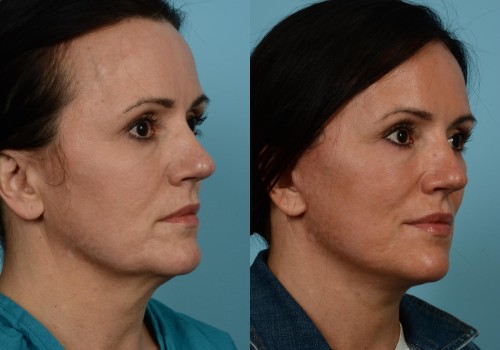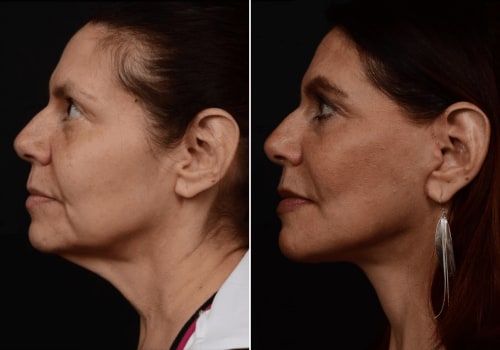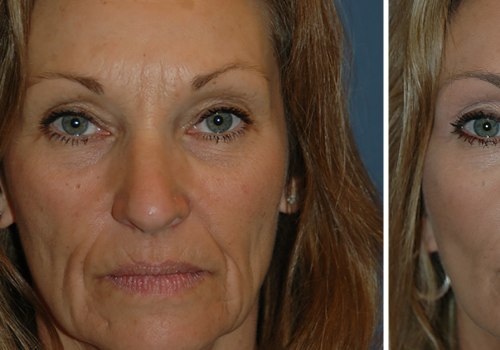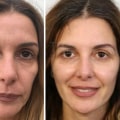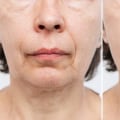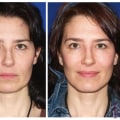
A facelift, medically known as rhytidectomy , is a transformative cosmetic surgery designed to rejuvenate the face by addressing the visible signs of aging. As we age, our skin loses elasticity, leading to sagging and the formation of wrinkles, particularly around the jawline and neck. This procedure aims to restore a youthful appearance by tightening the underlying muscles and removing excess skin, resulting in a smoother and more contoured facial profile.The surgical process typically begins with a thorough consultation where the surgeon evaluates the patient's facial structure, skin condition, and overall health. This assessment is crucial in determining the most suitable technique for each individual.
There are various approaches to performing a facelift, including traditional methods that involve incisions around the ears and hairline, as well as less invasive options like the mini facelift. Each technique has its own set of benefits and recovery times, which should be discussed in detail with a qualified plastic surgeon.During the procedure, anaesthesia is administered to ensure patient comfort. The surgeon then makes precise incisions to lift and reposition the underlying tissues, followed by the removal of excess skin. This meticulous process not only enhances facial contours but also helps to reduce jowls and improve neck definition.
The results can be quite dramatic, often making patients appear 10 to 20 years younger. However, it is essential for potential candidates to have realistic expectations regarding their outcomes.Post-operative care plays a vital role in achieving optimal results. Patients are typically advised to rest and avoid strenuous activities for several weeks following surgery. While initial swelling and bruising are common, these symptoms gradually subside, revealing a refreshed appearance.
Ultimately, a facelift can significantly enhance self-esteem and confidence by providing individuals with a more youthful visage that reflects how they feel inside.
How a Facelift Can Make You Look Younger
A facelift, or rhytidectomy, is a transformative surgical procedure designed to combat the visible signs of aging, particularly in the facial region. As we age, our skin loses elasticity and firmness due to a decrease in collagen production, leading to sagging skin, wrinkles, and a less defined jawline. A facelift addresses these issues by tightening the underlying muscles and removing excess skin, resulting in a more youthful and rejuvenated appearance.One of the primary benefits of a facelift is its ability to restore facial contours that may have been lost over time. The procedure effectively lifts sagging skin around the cheeks and jawline, creating a smoother and more defined profile.This not only enhances the overall aesthetic but also contributes to a more vibrant and energetic look.Moreover, a facelift can significantly reduce the appearance of deep creases and folds that develop around the mouth and nose. By repositioning the skin and underlying tissues, patients often notice a marked improvement in these areas, which can contribute to an overall sense of youthfulness.In addition to addressing sagging skin, a facelift can also improve skin texture. The removal of excess skin allows for better blood circulation and can promote healthier skin regeneration. Many patients report that their skin feels smoother and looks more radiant following the procedure.Another important aspect of a facelift is its long-lasting effects.
While non-surgical treatments may offer temporary results, a facelift can provide significant rejuvenation that lasts for many years. Patients often find that they look 10 to 20 years younger after undergoing this procedure, making it a worthwhile investment for those seeking lasting change.It is essential to note that while a facelift can dramatically enhance one’s appearance, it is not a standalone solution for all signs of aging. Many individuals choose to combine this surgery with other procedures such as eyelid surgery or brow lifts for comprehensive facial rejuvenation. Additionally, maintaining a healthy lifestyle post-surgery—such as proper skincare, hydration, and sun protection—can further prolong the youthful results achieved through a facelift.In conclusion, a facelift offers numerous benefits for those looking to regain their youthful appearance.
By addressing sagging skin, improving facial contours, and enhancing overall skin texture, this procedure can effectively counteract the aging process and restore confidence in one’s appearance.
Who Are the Ideal Candidates for a Facelift?
Determining whether a facelift is the right choice for you involves understanding the characteristics of ideal candidates. While the procedure can yield remarkable results, it is essential to consider various factors, including age, health status, and personal expectations.Age Considerations
Facelift candidates typically range from their late 30s to early 70s. However, age alone should not dictate eligibility. Many individuals in their 40s and 50s may begin to notice signs of aging, such as sagging skin and loss of facial volume, making them suitable candidates for a facelift.
Conversely, those in their 60s and 70s may also benefit significantly from the procedure, especially if they are in good health.It is important to note that while there is no strict age limit for undergoing a facelift, younger patients often have more elastic skin, which can lead to better surgical outcomes. Therefore, individuals considering a facelift should assess their skin condition and overall health rather than focusing solely on their chronological age.
Health Requirements
Good health is a critical factor when evaluating candidacy for facelift surgery. Ideal candidates should:
- Be non-smokers or willing to quit smoking at least a few weeks before and after the surgery.
- Have no underlying medical conditions that could complicate surgery or recovery, such as heart disease or uncontrolled diabetes.
- Maintain a stable weight, as significant fluctuations can affect the results of the procedure.
Candidates should discuss their goals with a board-certified plastic surgeon to ensure they align with what the procedure can achieve.
Psychological Readiness
Beyond physical health, psychological readiness plays a vital role in determining candidacy for a facelift. Candidates should feel emotionally prepared for the changes that come with surgery and understand that while results can be transformative, they are not permanent. Engaging in thorough consultations with your surgeon can help clarify any doubts and set appropriate expectations.In summary, ideal candidates for a facelift are typically healthy individuals who are experiencing visible signs of aging and have realistic expectations about the procedure's outcomes. By considering these factors carefully, potential patients can make informed decisions about whether a facelift is right for them.
The Recovery Process After a Facelift
Recovering from a facelift is a crucial phase that significantly impacts the overall results of the procedure.Understanding what to expect during this time can help alleviate anxiety and ensure a smoother healing process.Immediately after the surgery, patients will typically experience some swelling, bruising, and discomfort. These symptoms are normal and can be managed with prescribed pain medication. Most surgeons will recommend resting in an elevated position for the first few days to minimise swelling.
Timeline of Recovery
The recovery timeline can vary from person to person, but here’s a general outline:- First Week: The initial recovery period lasts about one week. During this time, patients should focus on rest and follow their surgeon's post-operative care instructions closely.
Stitches or staples are usually removed within this timeframe.
- Two Weeks: By the end of two weeks, many patients feel comfortable enough to return to light activities and may even resume work, depending on their job's physical demands. However, strenuous activities should still be avoided.
- One Month: Most swelling and bruising will have significantly diminished by this point. Patients often notice a marked improvement in their appearance, with the final results becoming more apparent as healing continues.
- Three to Six Months: Full recovery can take several months. The skin will continue to settle into its new position, and any residual swelling should resolve completely.
Post-Surgery Care Tips
To facilitate optimal healing, consider the following care tips:- Follow Instructions: Adhere strictly to your surgeon's post-operative guidelines regarding medications, wound care, and activity restrictions.
- Stay Hydrated: Drinking plenty of water aids in recovery and helps keep your skin hydrated.
- Avoid Sun Exposure: Protect your skin from sun exposure during the healing process.
Use sunscreen and wear hats when outdoors.
- Limit Physical Activity: Avoid strenuous exercise or heavy lifting for at least four to six weeks post-surgery to prevent complications.
- Attend Follow-Up Appointments: Regular check-ups with your surgeon are essential for monitoring your recovery progress and addressing any concerns.
Comparing Facelifts with Other Cosmetic Procedures
When considering facial rejuvenation, it is essential to understand the differences between a facelift and other cosmetic procedures such as fillers and neck lifts. Each option has its unique benefits and is suited for different concerns.Facelift vs Fillers
A facelift, or rhytidectomy, primarily addresses sagging skin and muscle laxity by tightening the underlying structures of the face. This surgical procedure can significantly reduce the appearance of deep wrinkles and folds, providing a more youthful contour.In contrast, dermal fillers are non-surgical injectables that add volume to specific areas of the face, such as the cheeks or lips, and can smooth out fine lines. While fillers can provide immediate results with minimal downtime, they are temporary solutions that typically last from six months to two years, depending on the type used.For those seeking a more comprehensive transformation, a facelift may be more appropriate. However, fillers can be an excellent option for individuals who are not ready for surgery or wish to enhance their features without significant recovery time.
Neck Lift vs Facelift
A neck lift is often performed in conjunction with a facelift but targets the lower part of the face and neck area specifically. This procedure addresses issues such as excess skin, fat deposits, and muscle banding in the neck region.While a facelift rejuvenates the entire face, a neck lift focuses on creating a smoother jawline and eliminating signs of aging in the neck area.Patients with concerns primarily about their neck may find that a neck lift alone suffices to achieve their desired results. However, for those looking for overall facial rejuvenation, combining both procedures can yield optimal outcomes.
Non-Surgical Options
In addition to surgical options like facelifts and neck lifts, there are numerous non-surgical treatments available that can help improve facial appearance. Procedures such as Botox, Ultherapy, and chemical peels offer alternatives for those who prefer less invasive methods. Botox works by temporarily paralyzing muscles to reduce wrinkles, while Ultherapy uses ultrasound technology to tighten skin without surgery.Chemical peels can enhance skin texture and tone by removing dead skin cells and promoting new cell growth.These non-surgical options often require little to no downtime and can be tailored to individual needs.Ultimately, the choice between a facelift, fillers, neck lift, or non-surgical options depends on personal goals, budget, and recovery preferences. Consulting with a qualified plastic surgeon can help determine the best approach for achieving youthful-looking skin.
Potential Risks and Considerations of Facelift Surgery
While a facelift can significantly enhance one’s appearance and provide a more youthful look, it is essential to consider the potential risks and complications associated with the procedure. Understanding these factors can help individuals make informed decisions and prepare adequately for what lies ahead.One of the most common concerns regarding facelift surgery is the risk of infection. As with any surgical procedure, there is a possibility of bacteria entering the body during the operation, which can lead to complications.Patients are typically prescribed antibiotics to mitigate this risk, but it remains a consideration.Another potential complication is scarring. Although skilled surgeons aim to place incisions in discreet locations, some patients may experience noticeable scars post-surgery. The extent of scarring can vary based on individual healing processes and skin types. It is crucial to follow post-operative care instructions to promote optimal healing.
Hematoma
, or blood accumulation under the skin, is another risk that can occur after a facelift.
This condition may require additional surgical intervention to drain the blood and alleviate pressure on the surrounding tissues. Patients should be aware of signs such as swelling or bruising that does not improve over time.Additionally, some individuals may experience nerve damage , leading to temporary or permanent changes in sensation or movement in the facial area. While rare, this complication can affect facial expressions and overall appearance. It is vital for patients to discuss these risks with their surgeon during consultations.Other side effects may include swelling , bruising , and discomfort in the days following surgery.
These symptoms are generally temporary but can vary in intensity from person to person. Pain management strategies will be discussed with patients to ensure comfort during recovery.Lastly, it is important to consider the psychological impact of undergoing cosmetic surgery. Some individuals may experience feelings of anxiety or disappointment if their expectations are not met. Open communication with a qualified surgeon about desired outcomes and realistic expectations can help mitigate these feelings.In conclusion, while facelift surgery offers numerous benefits for those seeking a more youthful appearance, it is accompanied by potential risks and complications that should not be overlooked.
A thorough consultation with a board-certified plastic surgeon can provide valuable insights into these concerns, ensuring that patients are well-informed before making their decision.
Cost Factors Associated with Facelift Surgery
When considering a facelift, understanding the cost factors associated with the procedure is crucial for effective financial planning. The average cost of a facelift can vary significantly based on several elements, and being informed can help you make the best decision for your circumstances.Average Costs
The cost of a facelift typically ranges from £6,000 to £12,000 in the UK. However, this figure can fluctuate based on various factors such as the surgeon's experience, the complexity of the procedure, and the geographical location of the clinic. In metropolitan areas, prices may be higher due to increased demand and operational costs.
Factors Influencing Pricing
- Surgeon's Expertise: Highly experienced and board-certified plastic surgeons often charge more for their services.
Their expertise can lead to better outcomes, making it a worthwhile investment.
- Type of Facelift: There are different types of facelifts, including traditional facelifts, mini facelifts, and non-surgical options. Each type has its own cost structure based on the techniques used and the extent of surgery required.
- Anesthesia Fees: The type of anesthesia used during the procedure—local or general—can also affect overall costs. General anesthesia typically incurs higher fees due to the need for an anesthesiologist.
- Facility Fees: The location where the surgery is performed plays a significant role in pricing. Accredited surgical facilities may charge more than outpatient clinics.
- Post-Operative Care: Follow-up appointments and any necessary post-operative treatments can add to the total cost.
It's essential to factor in these expenses when budgeting for your facelift.
Insurance Coverage
In most cases, facelift surgery is considered a cosmetic procedure and is not covered by health insurance. However, if the surgery is deemed medically necessary—for instance, if it addresses functional issues such as vision impairment due to sagging skin—there may be some coverage options available. It’s advisable to consult with your insurance provider to understand your specific policy details.
Budgeting for Cosmetic Surgery
When planning for a facelift, it’s essential to create a comprehensive budget that includes all potential costs. Consider setting aside additional funds for unexpected expenses that may arise during recovery.
Additionally, many clinics offer financing options or payment plans that can make affording a facelift more manageable.Ultimately, investing in a facelift is not just about enhancing your appearance; it’s also about boosting your confidence and self-esteem. By understanding the financial aspects involved, you can make an informed decision that aligns with your goals and budget.
Frequently Asked Questions About Facelifts
When considering a facelift, many potential patients have questions and concerns. Below are some of the most frequently asked questions regarding facelifts, along with clarifications to help demystify the procedure.What is a facelift?
A facelift, or rhytidectomy, is a surgical procedure designed to improve visible signs of aging in the face and neck. This includes tightening sagging skin, removing excess fat, and smoothing out deep creases.The goal is to create a more youthful and rejuvenated appearance.
Who is an ideal candidate for a facelift?
Ideal candidates for a facelift are typically individuals aged 40 and above who exhibit signs of facial aging such as sagging skin, deep folds, or loss of volume. However, age alone does not determine candidacy; overall health, skin elasticity, and personal expectations also play significant roles. It is crucial to consult with a board-certified plastic surgeon to assess individual suitability.What are common myths about facelifts?
- Myth: A facelift will make me look unnatural.
- Fact: When performed by a skilled surgeon, a facelift can yield natural-looking results that enhance your features rather than alter them drastically.
- Myth: Facelifts are only for older individuals.
- Fact: While many patients are older, younger individuals with specific concerns may also benefit from the procedure.
- Myth: Facelifts eliminate all signs of aging.
- Fact: While facelifts significantly improve appearance, they do not stop the aging process; maintenance treatments may be necessary over time.
What should I expect during recovery?
The recovery period after a facelift varies among individuals but generally involves swelling and bruising that can last for several weeks. Most patients can return to normal activities within two weeks; however, full recovery may take up to three months.Following post-operative care instructions provided by your surgeon is essential for optimal healing.
Are there non-surgical alternatives to facelifts?
Yes, there are several non-surgical options available that can provide subtle improvements in facial appearance. Treatments such as dermal fillers, Botox, and laser therapy can address specific concerns like fine lines and volume loss without the need for invasive surgery. However, these options may not offer the same dramatic results as a facelift.If you have further questions or concerns about facelifts or other cosmetic procedures, it’s advisable to schedule a consultation with a qualified plastic surgeon who can provide tailored advice based on your individual needs.Conclusion: Is a Facelift Right for You?
In conclusion, the decision to undergo a facelift is a significant one that requires careful consideration of various factors. As we have explored throughout this article, a facelift can effectively rejuvenate your appearance by addressing sagging skin, enhancing facial contours, and providing a more youthful look.However, it is essential to weigh the benefits against potential risks and recovery time.Before making a decision, consider the following key points:
- Consultation with a Qualified Surgeon: Engaging with a board-certified plastic surgeon is crucial. They can assess your individual needs, discuss your aesthetic goals, and recommend the most suitable procedures tailored to your unique facial structure.
- Understanding the Procedure: A facelift involves more than just tightening skin; it also addresses underlying muscle and fat layers. Familiarising yourself with the intricacies of the procedure can help set realistic expectations regarding outcomes and recovery.
- Health Considerations: Ideal candidates for a facelift are generally in good health, non-smokers, and have realistic expectations about the results. If you have underlying health issues or are considering other cosmetic procedures, these factors should be discussed with your surgeon.
- Recovery Time: Recovery varies from person to person.
While many patients return to normal activities within two weeks, full healing may take several months. Understanding this timeline is vital for planning your post-operative care.
- Alternative Options: If you are hesitant about surgery, there are non-invasive treatments available that can also enhance your appearance. Procedures such as dermal fillers, Botox, and skin tightening treatments may provide satisfactory results without the need for surgery.
By taking the time to evaluate all aspects of the procedure and consulting with professionals, you can make a choice that aligns with your goals for looking and feeling younger.