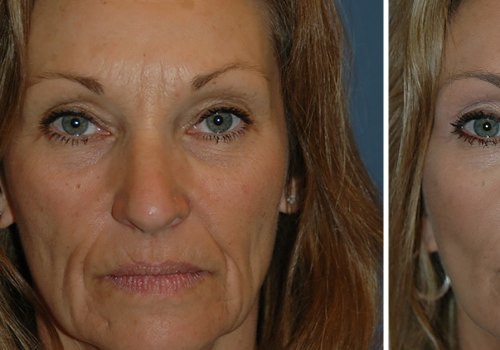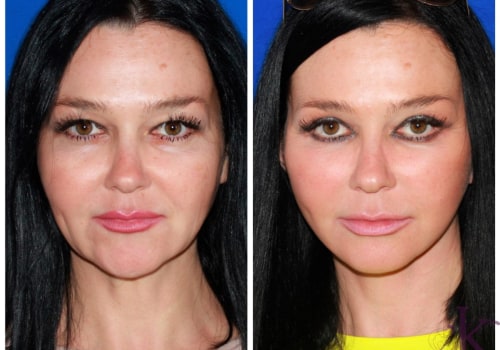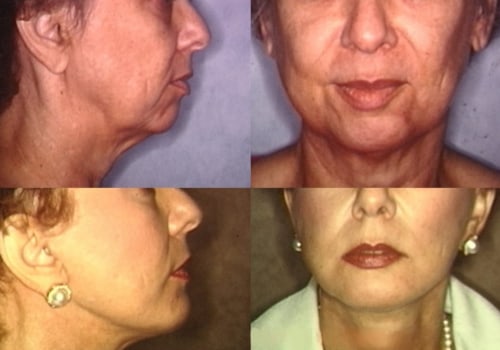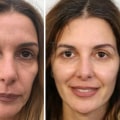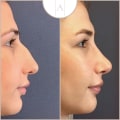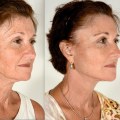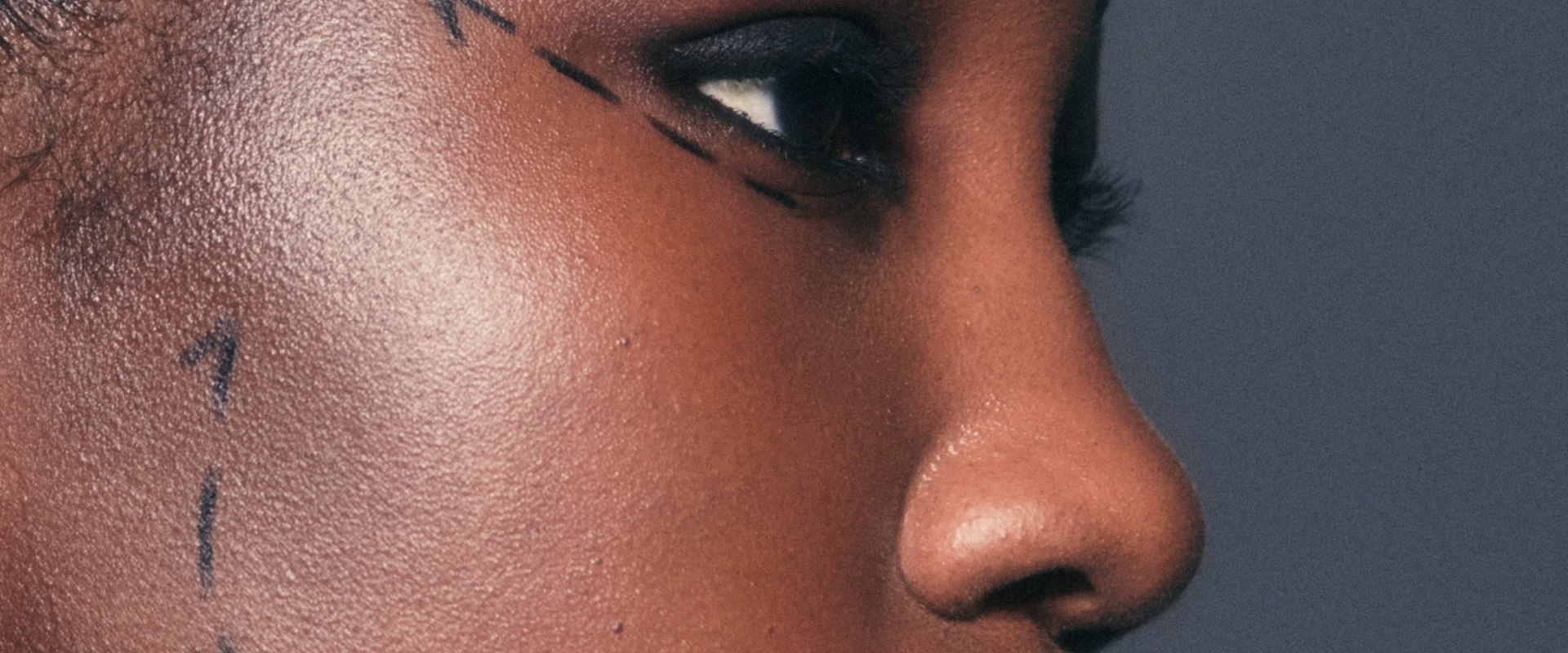
A facelift , medically known as rhytidectomy, is a surgical procedure designed to enhance the appearance of the face by addressing signs of aging. As we age, our skin naturally loses elasticity and firmness, leading to sagging, wrinkles, and a tired appearance. A facelift aims to reverse these effects by tightening the underlying muscles and removing excess skin, resulting in a more youthful and rejuvenated look.There are several techniques employed in facelift procedures, each tailored to the individual’s needs and desired outcomes. The most common methods include the traditional facelift, which involves incisions around the ears and hairline, and less invasive options such as the mini facelift or thread lift.
These alternatives can provide significant improvements with shorter recovery times and less visible scarring. Understanding these techniques is crucial for anyone considering a facelift, as it allows for informed decisions based on personal goals and health considerations.Moreover, the expected outcomes of a facelift can vary significantly depending on factors such as age, skin type, and overall health. While many patients report feeling more confident and satisfied with their appearance post-surgery, it is essential to have realistic expectations. A facelift does not stop the aging process; rather, it can provide a refreshed look that may last for several years.
This is why age plays a pivotal role in determining the right time for this procedure. Younger patients may experience different results compared to those who are older, making it vital to consult with a qualified plastic surgeon to discuss individual circumstances.This is why age plays a pivotal role in determining the right time for this procedure. Younger patients may experience different results compared to those who are older, making it vital to consult with a qualified plastic surgeon to discuss individual circumstances.
The Role of Age in Facelift Decisions
When considering a facelift, age is a significant factor that influences both the decision-making process and the expected outcomes. While there is no definitive "best age" for undergoing this procedure, understanding how age impacts skin elasticity, healing, and overall aesthetic goals can help individuals make informed choices.Typically, patients begin to contemplate a facelift in their late 40s to early 60s. This range often coincides with the onset of noticeable signs of aging, such as sagging skin, deepening wrinkles, and loss of facial volume.For many, these changes can lead to feelings of self-consciousness and a desire to restore a more youthful appearance.One of the primary reasons individuals in this age group consider a facelift is the natural decline in collagen and elastin production. These proteins are crucial for maintaining skin firmness and elasticity. As we age, our bodies produce less of these essential components, resulting in skin that is more prone to sagging and wrinkling. A facelift can effectively address these issues by tightening the skin and underlying muscles, providing a rejuvenated look.However, it is essential to note that age alone should not dictate the timing of a facelift.
Individual factors play a crucial role in determining when to undergo this procedure. For instance:
- Skin Condition: The quality of your skin can significantly influence the results of a facelift. Those with good skin elasticity may achieve better outcomes at a younger age compared to those with more advanced signs of aging.
- Health Status: Overall health is paramount. Candidates should be in good physical condition to ensure optimal healing and reduce the risk of complications.
- Personal Goals: Each person's aesthetic goals are unique.
Some may seek a facelift earlier due to lifestyle factors such as sun damage or smoking, while others may prefer to wait until they feel more comfortable with their appearance.
Signs of Aging: When to Consider a Facelift
As we journey through life, our skin undergoes various changes that can significantly affect our appearance.Understanding the signs of aging is crucial for anyone considering a facelift, as these indicators can help determine the right time to seek surgical intervention.One of the most noticeable signs of aging is the loss of skin elasticity. As we age, our bodies produce less collagen and elastin, two proteins essential for maintaining skin firmness and flexibility. This reduction often leads to sagging skin, particularly around the jawline and neck, creating a tired or aged appearance.
Wrinkles
are another common sign that may prompt individuals to consider a facelift. These lines can form due to repeated facial expressions, sun exposure, and the natural aging process.
While fine lines may initially appear around the eyes and mouth, deeper wrinkles can develop over time, making the face look less youthful.Sagging skin is often accompanied by a loss of volume in the face. Areas such as the cheeks may appear hollow or sunken, contributing to an overall gaunt look. This volume loss can be exacerbated by factors such as weight fluctuations or lifestyle choices like smoking and excessive sun exposure.Additionally, some individuals may notice changes in their facial contours. The jawline may become less defined, and the neck may develop excess skin or fat deposits, commonly referred to as a "turkey neck." These changes can be distressing and may lead individuals to explore surgical options.It’s important to note that while these signs are common indicators of aging, they do not necessarily mean that a facelift is required.
Many people experience these changes at different rates and intensities. Therefore, it’s essential to assess your unique situation and consider factors such as overall health, skin condition, and personal goals.If you find yourself feeling self-conscious about these signs of aging and they impact your confidence or quality of life, it may be time to consult with a qualified plastic surgeon. They can provide expert insights into whether a facelift is appropriate for you based on your specific circumstances.
Health Factors Influencing Facelift Eligibility
When considering a facelift, it is crucial to evaluate various health factors that can significantly influence both eligibility for the procedure and the overall outcomes. A thorough understanding of these factors can help individuals make informed decisions about their surgical options.Skin Condition
The condition of your skin plays a pivotal role in determining whether you are a suitable candidate for a facelift.
Skin that retains good elasticity and firmness is more likely to yield positive results post-surgery. Factors such as sun damage, smoking, and environmental exposure can lead to premature aging of the skin, making it less ideal for surgical intervention. If your skin has been severely affected by these elements, it may be beneficial to explore non-surgical options or skin treatments prior to considering a facelift.
Medical History
Your medical history is another critical aspect that surgeons will assess during the consultation process. Conditions such as diabetes, hypertension, or heart disease can complicate surgical procedures and recovery.
It is essential to disclose any pre-existing health issues to your surgeon, as they may require special considerations or adjustments in your treatment plan. Additionally, a history of poor healing or complications from previous surgeries can also impact your eligibility.
Lifestyle Choices
Your lifestyle choices significantly affect not only your overall health but also your suitability for a facelift. Factors such as:
- Nutrition: A balanced diet rich in vitamins and minerals supports skin health and healing.
- Exercise: Regular physical activity improves circulation and promotes better recovery.
- Smoking: Tobacco use can hinder blood flow and delay healing, making it advisable to quit well in advance of surgery.
- Alcohol Consumption: Excessive drinking can lead to dehydration and negatively impact skin quality.
Consultation with a Qualified Surgeon
Ultimately, the decision to undergo a facelift should be made in consultation with a qualified plastic surgeon who can evaluate your unique health profile. They will consider all relevant factors, including your skin condition, medical history, and lifestyle choices, to determine the best approach for you.
By prioritising your health and well-being, you can ensure that you are making the most informed choice regarding facial rejuvenation.
Consulting with a Plastic Surgeon: What to Expect
When considering a facelift, the first step is to schedule a consultation with a qualified plastic surgeon. This meeting is crucial as it sets the foundation for your surgical journey. During the consultation, you can expect a comprehensive discussion about your goals, concerns, and the various options available to you.Initial Assessment
Your plastic surgeon will begin by assessing your facial structure, skin condition, and overall health. This assessment is vital as it helps the surgeon determine whether you are a suitable candidate for a facelift.
They will examine factors such as skin elasticity, bone structure, and any existing medical conditions that may affect the surgery or recovery process.
Discussion of Goals
One of the most important aspects of the consultation is articulating your expectations. Be prepared to discuss what you hope to achieve with the facelift. Whether you desire a subtle enhancement or a more dramatic transformation, clear communication will help your surgeon tailor their approach to meet your needs.
Understanding the Procedure
Your surgeon will explain the facelift procedure in detail, including the techniques they use, potential risks, and expected outcomes. They may also show before-and-after photos of previous patients to give you a realistic idea of what to expect.
This transparency is essential for building trust and ensuring that you feel comfortable with your decision.
Addressing Concerns
It’s natural to have questions or concerns about undergoing surgery. Your consultation is an opportunity to voice these worries. Common topics include:
- Recovery time and what to expect during healing
- Potential complications and how they are managed
- The longevity of results and any follow-up procedures that may be necessary
- Costs associated with the surgery and financing options available
Professional Recommendations
Based on your discussion and assessment, your plastic surgeon will provide tailored recommendations. They may suggest alternative treatments if they believe a facelift isn’t the best option for you at this time.
This could include non-surgical options like fillers or laser treatments that can enhance your appearance without the need for invasive surgery.
Final Thoughts
A consultation with a plastic surgeon is not just about evaluating whether you should have a facelift; it’s about forming a partnership with a professional who can guide you through the process. By taking this step seriously and preparing adequately for your appointment, you can make informed decisions that align with your aesthetic goals and health considerations.
Alternative Options to Facelifts for Younger Patients
For younger individuals who may not yet be ready to commit to a surgical facelift, there are numerous non-surgical alternatives that can effectively rejuvenate the skin and maintain a youthful appearance. These options can help address early signs of aging, such as fine lines and loss of volume, without the need for invasive procedures.One popular option is the use of dermal fillers. These injectable treatments can restore lost volume in areas such as the cheeks, lips, and under-eye region.Fillers are made from hyaluronic acid, a substance naturally found in the body that helps keep skin hydrated and plump. The results are immediate and can last anywhere from six months to two years, depending on the type of filler used.Another effective treatment is laser therapy. This non-invasive procedure uses focused light energy to target specific skin concerns, such as pigmentation, uneven texture, and fine lines. Laser treatments stimulate collagen production, which is essential for maintaining skin elasticity and firmness.
Popular options include:
- Fractional laser resurfacing: This technique creates micro-injuries in the skin to promote healing and rejuvenation.
- Intense Pulsed Light (IPL): Ideal for reducing redness and pigmentation while improving overall skin tone.
- CO2 laser therapy: A more aggressive option that can significantly improve skin texture and reduce deep wrinkles.
It’s important to reapply every two hours when outdoors.For those looking for a more comprehensive approach, combining these non-surgical options with lifestyle changes—such as a balanced diet rich in vitamins and minerals, regular exercise, and adequate hydration—can further enhance skin health and appearance.Ultimately, while surgical facelifts offer significant results for those ready for them, younger patients have a wealth of non-invasive options available to help them look their best at any age.
Real Patient Experiences: Testimonials and Case Studies
Understanding the emotional and physical impacts of a facelift can be greatly enhanced by hearing from those who have experienced the procedure firsthand. Below are testimonials and case studies from real patients who have undergone facelifts, providing insight into their journeys and the outcomes they achieved.Patient Testimonial: Sarah, 52
After years of feeling self-conscious about my sagging skin and deepening wrinkles, I decided to explore the option of a facelift. I was apprehensive at first, but after consulting with my surgeon, I felt reassured. The procedure itself was less daunting than I had imagined, and the recovery was manageable.Now, I feel like I have regained my youthful appearance. Friends and family have commented on how vibrant I look, and I feel more confident in social situations. This experience has truly transformed not just my appearance but also my outlook on life.
Case Study: John, 60
John approached his facelift journey with a desire to enhance his professional image. As a business executive, he felt that his appearance was affecting his confidence during client meetings.After thorough research and consultations, he opted for a facelift combined with neck lift surgery. The results were remarkable; John reported that he not only looked younger but also felt revitalised. He stated, "The boost in my self-esteem has been incredible. I feel like I can take on new challenges without the worry of how I look."
Patient Testimonial: Linda, 48
Linda had always been active and health-conscious, but as she approached her late forties, she noticed significant changes in her facial structure due to aging.After discussing her concerns with a plastic surgeon, she decided to proceed with a facelift. The results exceeded her expectations; she described the experience as liberating. "I didn’t just look younger; I felt like myself again," she shared. Linda's story highlights how a facelift can restore not only physical appearance but also emotional well-being.These testimonials illustrate that while each patient's experience is unique, common themes emerge: enhanced self-esteem, improved social interactions, and a renewed sense of identity.
For anyone considering a facelift, hearing these real-life stories can provide valuable perspective on what to expect and the potential benefits of the procedure.
FAQs About Facelifts and Age Considerations
When considering a facelift, many individuals have questions regarding the procedure and its timing. Below are some of the most frequently asked questions that can help clarify common misconceptions and provide valuable insights.- What is the best age to get a facelift?While there is no definitive age for a facelift, most patients begin to consider this procedure in their late 40s to early 60s. This is typically when signs of aging, such as sagging skin and deep wrinkles, become more pronounced. However, factors such as skin elasticity and overall health are equally important in determining the right time for surgery.
- Can younger individuals benefit from a facelift?Yes, younger patients may opt for a facelift if they have specific concerns such as significant sun damage or genetic predispositions to premature aging.
In these cases, an early facelift can yield excellent results, especially when the skin still possesses some elasticity.
- Is there an upper age limit for facelifts?There is no strict upper age limit for undergoing a facelift. Many patients in their 70s and beyond have successfully undergone the procedure. The key consideration is the individual’s health status and skin condition rather than their chronological age.
- How long do the results of a facelift last?The results of a facelift can last anywhere from five to ten years, depending on various factors including skin type, lifestyle choices, and how well one takes care of their skin post-surgery. It’s important to maintain a healthy skincare routine to prolong the effects.
- Are there non-surgical alternatives to facelifts?Yes, there are several non-surgical options available such as dermal fillers, Botox, and laser treatments that can help improve the appearance of aging skin without the need for invasive surgery.
These alternatives may be suitable for those who are not ready for a facelift but still wish to enhance their appearance.
Conclusion: Making an Informed Decision About Your Facelift Journey
In conclusion, the decision to undergo a facelift is a deeply personal one that requires careful consideration of various factors, including age, health, and individual circumstances. Throughout this article, we have explored the nuances of when is the best time to consider a facelift, highlighting that while age plays a significant role, it is not the sole determinant.As we age, our skin naturally loses elasticity and firmness due to decreased collagen production. This process often becomes noticeable in individuals around the age of 45 and older, prompting many to seek surgical options to restore a youthful appearance.However, it is essential to remember that each person's skin condition and overall health vary widely. Some may find that they are ready for a facelift in their late 30s or early 40s, especially if they have experienced significant sun damage or other factors that accelerate aging.Moreover, consulting with a qualified plastic surgeon is crucial. A professional can assess your unique situation and provide tailored advice based on your skin type, health history, and aesthetic goals. They can help you understand what to expect from the procedure and discuss potential risks and benefits.It is also important to acknowledge that a facelift is not a permanent solution.
As time progresses, our bodies will continue to age, which may necessitate further procedures in the future to maintain results. Therefore, setting realistic expectations is vital for satisfaction with the outcome.For those who may not yet be ready for surgery, there are numerous non-invasive treatments available that can enhance your appearance without the need for a facelift. Options such as dermal fillers, laser treatments, and skin rejuvenation therapies can provide significant improvements and may serve as a stepping stone towards considering surgical options later on.Ultimately, the journey towards achieving your desired look should be informed by thorough research and self-reflection. Whether you are contemplating a facelift at 40 or 60, prioritising your health and well-being will ensure that you make an empowered decision that aligns with your personal goals.