In recent years, the allure of undergoing plastic surgery abroad has gained significant traction, particularly among those seeking procedures like a face lift. The promise of lower costs, exotic locales, and the chance to recover in a picturesque setting can be enticing. However, this growing trend of medical tourism is not without its pitfalls. While the idea of combining a holiday with cosmetic enhancement may seem appealing, it is crucial to understand the inherent risks associated with such decisions.When considering a face lift or any other cosmetic procedure overseas, potential patients must weigh the benefits against the possible dangers.
The reality is that many clinics in foreign countries may not adhere to the same rigorous standards and regulations that are enforced in the UK. This discrepancy can lead to complications during and after surgery, which may not only jeopardise your health but also result in financial burdens due to corrective procedures.Moreover, the lack of immediate post-operative care can exacerbate these risks. After a face lift, patients require careful monitoring and follow-up appointments to ensure proper healing. If complications arise while you are far from home, accessing timely medical assistance can be challenging.
This situation raises critical questions about the safety and reliability of undergoing plastic surgery abroad.As you contemplate your options for cosmetic surgery, it is essential to conduct thorough research and consider all aspects of your decision. Understanding the risks involved in travelling for a face lift will empower you to make an informed choice that prioritises your health and well-being above all else.
What is a Face Lift?
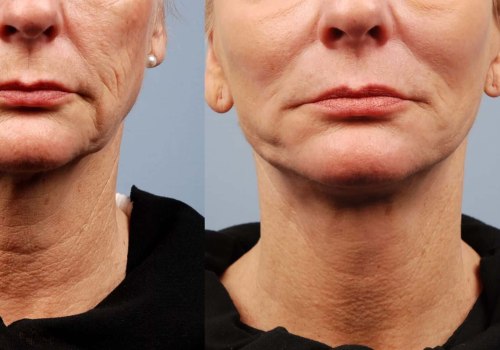
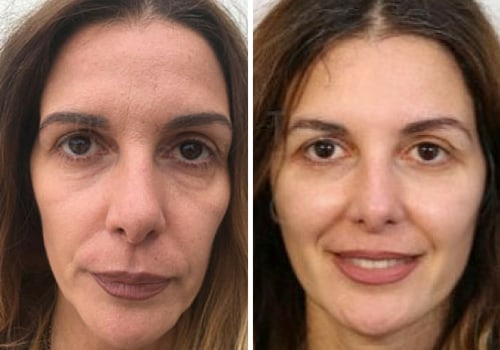
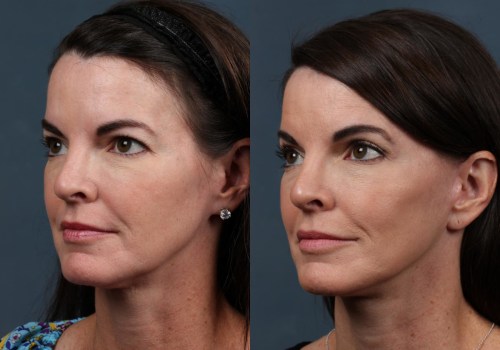
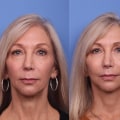
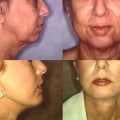
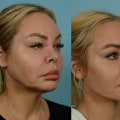
A face lift , medically known as rhytidectomy, is a cosmetic surgical procedure aimed at improving the visible signs of aging in the face and neck. This procedure primarily targets sagging skin, deep creases, and loss of muscle tone, which can occur due to factors such as genetics, sun exposure, and lifestyle choices. By repositioning underlying tissues and removing excess skin, a face lift can create a more youthful and rejuvenated appearance.There are several types of face lifts, each tailored to address specific concerns:- Traditional Face Lift: This is the most common type, involving incisions around the ears and hairline.
It allows for significant lifting of the skin and underlying tissues.
- Mini Face Lift: A less invasive option that requires smaller incisions. It is ideal for individuals with mild to moderate sagging and offers a quicker recovery time.
- Mid-Face Lift: Focused on the central portion of the face, this technique lifts the cheeks and smooths nasolabial folds. It is often performed in conjunction with other procedures.
- Neck Lift: While not a face lift per se, this procedure is often combined with a face lift to address sagging skin and fat deposits in the neck area.
However, it is essential to have realistic expectations; while a face lift can significantly enhance appearance, it does not stop the aging process.Recovery times also differ depending on the extent of the surgery performed. Most patients can expect swelling and bruising for several weeks post-operation. Full recovery may take up to six months, during which time patients should follow their surgeon's post-operative care instructions closely to ensure optimal healing.In conclusion, understanding what a face lift entails—including its types, expected results, and recovery process—is crucial for anyone considering this transformative procedure. It is advisable to consult with a qualified plastic surgeon to discuss personal goals and determine the most suitable approach for achieving desired outcomes.
The Appeal of Going Abroad for a Face Lift
In recent years, the trend of seeking cosmetic procedures abroad, particularly face lifts, has gained significant traction.Many individuals are drawn to the idea of combining a holiday with their surgical journey, often perceiving it as a two-in-one opportunity. However, the appeal of going abroad for a face lift extends beyond just the allure of a vacation.One of the primary reasons people consider travelling overseas for cosmetic surgery is the potential for substantial cost savings. In countries like Turkey, Thailand, and Mexico, the price of a face lift can be significantly lower than in the UK. This is often due to lower operational costs, including labour and facility expenses.
For instance, while a face lift in the UK may cost upwards of £8,000, similar procedures abroad can be found for as little as £3,000 to £5,000. Such savings can be enticing for those looking to enhance their appearance without breaking the bank.Moreover, many clinics abroad boast highly qualified surgeons who have trained in prestigious institutions and possess extensive experience in performing cosmetic procedures. Some of these surgeons are renowned in their fields and have built impressive reputations internationally. This access to skilled professionals can be a significant draw for patients who may not have the same level of expertise available locally.Additionally, medical tourism offers patients the chance to recover in a more relaxed environment.
The idea of recuperating on a sun-soaked beach or in a luxurious hotel can be appealing compared to the sterile atmosphere of a hospital back home. This combination of surgery and leisure can make the entire experience feel less daunting and more enjoyable.However, while these advantages are compelling, it is crucial for individuals to conduct thorough research before making such an important decision. Understanding the potential risks involved and ensuring that clinics adhere to international safety standards is essential for safeguarding one’s health during this journey.
Potential Risks and Complications of Overseas Surgery
When considering a face lift abroad, it is crucial to be aware of the potential risks and complications that can arise. While the allure of lower costs and exotic locations may be tempting, the reality is that undergoing plastic surgery in a foreign country can expose patients to a range of serious health concerns.1.Surgical Risks
- Anesthesia Complications: The use of anesthesia carries inherent risks, including allergic reactions and respiratory issues.
In an overseas setting, the availability of immediate medical assistance in case of an emergency may be limited.
- Infection: Surgical sites can become infected, leading to complications that may require additional treatment or even hospitalization. The standards for sterilisation and hygiene may not be as stringent as those in the UK.
- Scarring: While some scarring is expected after a face lift, improper techniques or inadequate post-operative care can lead to excessive scarring, which may be difficult to correct.
2.Post-Operative Complications
- Delayed Healing: Factors such as travel stress and unfamiliar recovery environments can hinder healing. Patients may find it challenging to follow post-operative care instructions when they are far from their surgeon.
- Blood Clots: The risk of developing blood clots increases with long-haul flights and immobility post-surgery. This can lead to serious conditions such as deep vein thrombosis (DVT) or pulmonary embolism.
- Unsatisfactory Results: If the outcome does not meet expectations, correcting the issue can be complicated and costly, especially if it requires returning to the original clinic or seeking treatment in the UK.
3.Legal and Ethical Concerns
The legal framework governing medical practices varies significantly from country to country.
In many cases, overseas clinics may not adhere to the same ethical standards or regulations as those in the UK. This lack of oversight can lead to:
- Poorly Qualified Surgeons: Some clinics may employ surgeons who lack proper qualifications or experience, increasing the risk of complications during surgery.
- Difficulties in Recourse: If something goes wrong, pursuing legal action against a foreign clinic can be challenging due to jurisdictional issues and language barriers.
Regulatory Standards and Surgeon Qualifications
When considering a face lift abroad, understanding the regulatory standards and qualifications of surgeons is paramount. Different countries have varying levels of oversight regarding medical practices, particularly in the field of plastic surgery.In some nations, regulations may be lax, allowing practitioners to operate without the rigorous training and certification required in the UK.
Surgeon Qualifications
In the UK, plastic surgeons must be registered with the General Medical Council (GMC) and typically hold membership in professional bodies such as the British Association of Aesthetic Plastic Surgeons (BAAPS) or the British Association of Plastic, Reconstructive and Aesthetic Surgeons (BAPRAS). These organisations ensure that their members adhere to strict ethical guidelines and maintain high standards of practice. However, when seeking surgery abroad, it is crucial to verify that your chosen surgeon possesses equivalent qualifications.Before proceeding with a face lift, you should:
- Check if the surgeon is certified by a recognised board in their country.
- Look for reviews or testimonials from previous patients.
- Confirm their experience specifically in performing facial surgeries.
Medical Regulations Abroad
The regulatory environment for medical practices varies significantly across borders. In some countries, clinics may not be subject to the same stringent regulations as those in the UK.
This can lead to disparities in safety standards, surgical techniques, and post-operative care. For instance, while UK clinics are required to follow strict hygiene protocols and patient safety measures, some overseas facilities may not adhere to these same standards.It is essential to research:
- The accreditation status of the clinic where you plan to undergo surgery.
- The local laws governing medical practices and patient rights.
- The availability of emergency care should complications arise.
Ensuring Patient Safety
Your safety should always be your top priority when considering a face lift. Engaging with a qualified surgeon who operates within a well-regulated environment can significantly reduce risks associated with cosmetic procedures. Always ask for detailed information about the clinic's accreditation and the surgeon's qualifications before making any commitments.In conclusion, while the allure of lower costs may tempt you to seek plastic surgery abroad, it is vital to thoroughly investigate the regulatory standards and qualifications of your chosen surgeon.
Ensuring that you are in safe hands can make all the difference in achieving satisfactory results from your face lift.
Post-Operative Care: Why It Matters
Undergoing a face lift is a significant decision that can lead to transformative results, but the journey does not end once the surgery is complete. In fact, the post-operative care phase is crucial for ensuring optimal recovery and achieving the desired aesthetic outcomes. Understanding what to expect during this period and why local medical support is essential can make a substantial difference in your overall experience.Immediately following your face lift, you will likely experience swelling, bruising, and discomfort. These are normal reactions as your body begins to heal.It is vital to follow your surgeon's post-operative instructions meticulously, which may include:
- Keeping your head elevated to reduce swelling.
- Avoiding strenuous activities and heavy lifting for several weeks.
- Taking prescribed medications to manage pain and prevent infection.
- Attending follow-up appointments for suture removal and progress checks.
If complications arise or if you have concerns about your recovery, being in a familiar environment with healthcare professionals who understand your case can provide peace of mind. This is particularly important if you have travelled abroad for surgery, as navigating healthcare systems in foreign countries can be challenging.Moreover, follow-up care plays a vital role in ensuring that the surgical results meet your expectations. Regular check-ups allow your surgeon to assess the healing process and make any necessary adjustments. They can also provide guidance on skincare routines and lifestyle changes that can enhance and prolong the results of your face lift.In summary, while the allure of cosmetic surgery abroad may be tempting due to potential cost savings, the importance of comprehensive post-operative care should not be overlooked.
Prioritising recovery and having reliable local support can significantly impact your overall satisfaction with the procedure and help you achieve the best possible outcome.
Insurance Considerations When Traveling for Surgery
When considering a face lift abroad, one of the most critical aspects to evaluate is your insurance coverage. Many individuals assume that their standard health insurance will cover any complications that may arise from overseas procedures, but this is often not the case. Understanding the nuances of insurance policies is essential for anyone contemplating surgery outside their home country.Firstly, it’s important to note that most health insurance plans are designed to cover treatments performed within the country where the policy was issued. This means that if you undergo a face lift abroad and encounter complications, your insurance may not provide coverage for follow-up care or corrective procedures.This lack of coverage can lead to significant out-of-pocket expenses, which can quickly escalate if complications arise.Moreover, many travel insurance policies explicitly exclude coverage for medical procedures that are not deemed necessary or are considered elective surgeries, such as cosmetic operations. Therefore, if you are planning to travel for a face lift, it is crucial to read the fine print of your travel insurance policy carefully. Look for clauses related to medical treatment abroad and ensure that you understand what is and isn’t covered.To mitigate potential risks, consider the following tips:
- Consult with Your Insurance Provider: Before making any arrangements, speak with your health insurance provider about your plans. Ask specific questions regarding coverage for complications arising from overseas surgeries.
- Research Travel Insurance Options: Look for travel insurance policies that offer medical coverage specifically for cosmetic surgery.
Some insurers may provide tailored plans that include provisions for complications.
- Document Everything: Keep detailed records of all communications with your surgeon and clinic abroad. This documentation can be invaluable if you need to file a claim later.
- Consider Post-Operative Care: Ensure that you have a plan in place for post-operative care once you return home. This may involve follow-up appointments with a local surgeon who can monitor your recovery.
Real-Life Experiences: Successes and Failures
When considering a face lift abroad, it is essential to weigh the experiences of others who have taken this path.Testimonials from individuals who have undergone cosmetic procedures overseas can provide valuable insights, revealing both the potential rewards and the risks involved.
Success Stories
Many individuals have shared positive experiences after travelling abroad for a face lift. For instance, Sarah, a 45-year-old from London, opted for surgery in a renowned clinic in Turkey. She reported that the entire process was seamless, from the initial consultation to her post-operative care. "The surgeon was highly qualified and had an impressive portfolio of previous work," she stated."I felt safe and well-informed throughout the procedure." After her recovery, Sarah was thrilled with her results, noting that her confidence had significantly improved.Another success story comes from James, who travelled to Thailand for his face lift. He highlighted the affordability of the procedure compared to prices in the UK. "I saved nearly 50% on my surgery costs," he explained. James also praised the hospitality of the clinic staff and their commitment to patient care.
His results were so satisfactory that he has since recommended the clinic to several friends considering similar procedures.
Cautionary Tales
However, not all experiences are positive. There are numerous cautionary tales that serve as stark reminders of the risks associated with undergoing surgery abroad. For example, Emma, a 38-year-old from Manchester, faced severe complications after her face lift in a clinic in Eastern Europe. "I was drawn in by the low prices and attractive packages," she recounted.Unfortunately, Emma suffered from an infection that required extensive treatment upon her return to the UK. Her experience left her with not only physical scars but also emotional distress.Similarly, Mark's story is one of regret. He underwent a face lift in a popular destination known for medical tourism but was left dissatisfied with the results. "The surgeon seemed rushed and didn’t address my concerns adequately," he shared.
Mark later sought corrective surgery back home, which added to his financial burden and emotional turmoil.These real-life experiences underscore the importance of thorough research and careful consideration before deciding to undergo a face lift abroad. While there are success stories that highlight the potential benefits of medical tourism, there are equally compelling cautionary tales that remind prospective patients of the inherent risks involved.
Expert Opinions on Cosmetic Surgery Abroad
When considering a face lift abroad, it is crucial to weigh the insights of medical professionals who specialise in cosmetic surgery. Their expertise can provide valuable guidance on the potential risks and benefits associated with medical tourism.Dr. Sarah Thompson, a consultant plastic surgeon with over 15 years of experience, emphasises the importance of thorough research before opting for surgery overseas."While some clinics abroad may offer attractive prices, the quality of care can vary significantly. It is essential to ensure that the surgeon is board-certified and that the facility meets international safety standards," she advises.Furthermore, Dr. Thompson highlights the potential complications that can arise from undergoing surgery in a foreign country. "If something goes wrong, follow-up care may not be readily available or up to the standards you would expect at home.
This can lead to serious health risks and additional costs for corrective procedures," she warns.Another expert, Dr. James Patel, who has worked extensively with patients seeking cosmetic procedures abroad, shares his concerns regarding post-operative care. "Many patients underestimate the importance of having access to their surgeon after the procedure. In my experience, complications can arise days or even weeks after surgery, and being far from your surgeon can complicate recovery significantly," he explains.In addition to surgical expertise, Dr.
Patel stresses the need for comprehensive pre-operative consultations. "A reputable surgeon will take the time to discuss all aspects of the procedure, including risks, recovery time, and realistic outcomes. If a clinic rushes this process or fails to provide clear information, it should raise red flags for potential patients," he notes.Moreover, organisations such as the British Association of Aesthetic Plastic Surgeons (BAAPS) strongly advise against undergoing cosmetic surgery abroad without careful consideration. They recommend that patients seek treatment from accredited practitioners within their home country where regulations are stringent and patient safety is prioritised.Ultimately, while the allure of lower costs may be tempting, expert opinions consistently highlight that safety should be the foremost concern when contemplating a face lift or any cosmetic procedure abroad.
Patients are encouraged to prioritise their health and well-being by choosing qualified professionals and accredited facilities.
<strong>Conclusion</strong>: Weighing Your Options Carefully
In conclusion, the decision to undergo a face lift or any form of plastic surgery abroad is not one to be taken lightly. While the allure of lower costs and exotic locations may be tempting, it is crucial to weigh the potential risks against the benefits. The reality is that medical tourism can expose patients to a range of complications, from inadequate post-operative care to the possibility of encountering unqualified practitioners.Throughout this article, we have highlighted several key considerations that should inform your decision-making process:- Research and Credentials: Always ensure that the surgeon you are considering is fully qualified and accredited. Look for certifications from recognised medical boards and associations.
- Post-Operative Care: Understand the aftercare process and ensure that you have access to medical support should complications arise.
This is particularly important when travelling abroad.
- Legal Protections: Be aware of the legal implications of undergoing surgery in another country. In many cases, you may have limited recourse if something goes wrong.
- Health Risks: Consider the health risks associated with flying after surgery, as well as the potential for complications that may arise from undergoing procedures in less regulated environments.
- Financial Implications: While initial costs may seem lower abroad, factor in potential expenses for corrective surgeries or complications that could arise later.
Thorough research, careful consideration of all factors involved, and prioritising your safety will lead to a more informed choice regarding your cosmetic surgery journey.