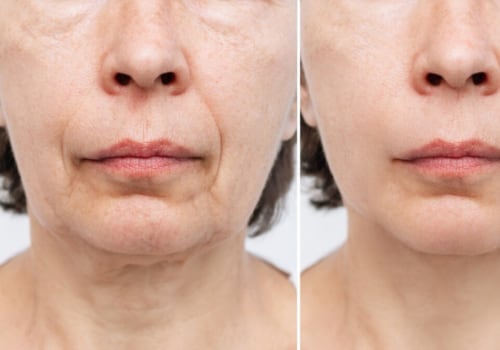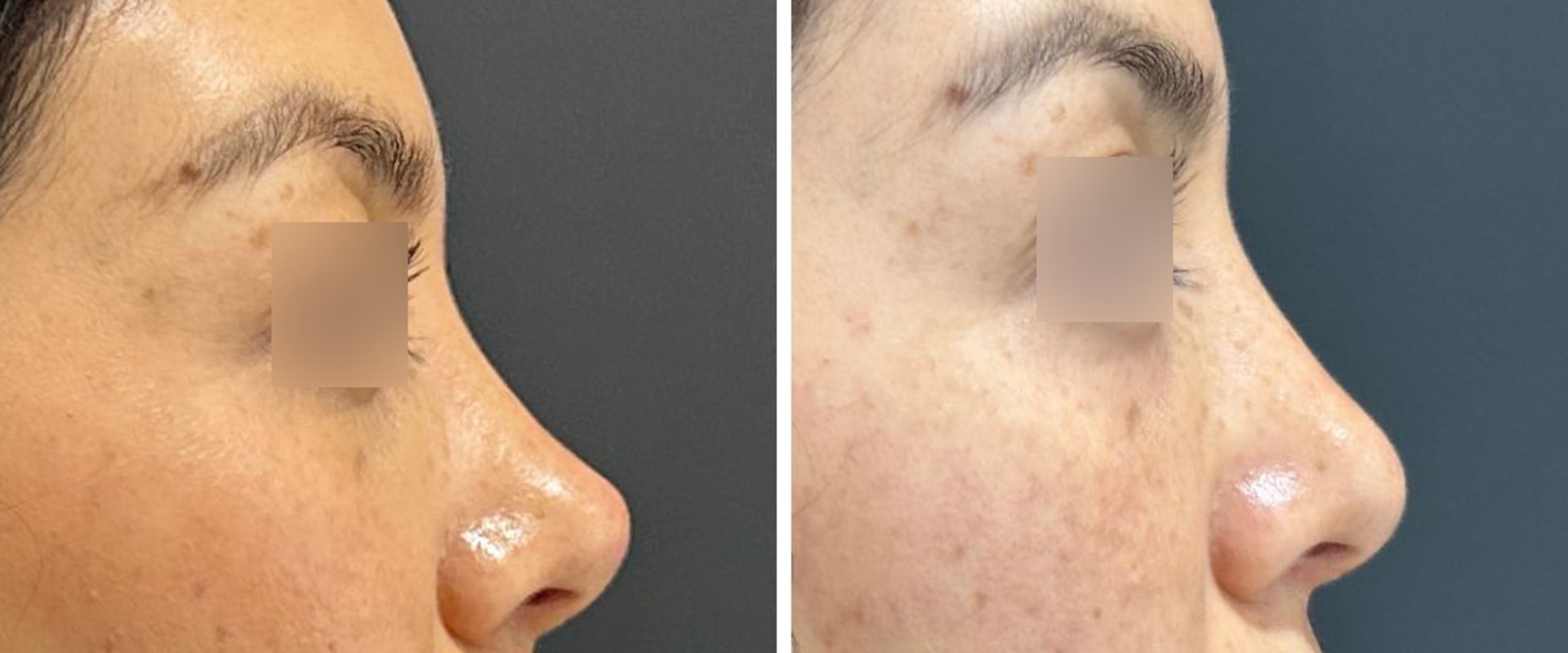
In recent years, the use of facial fillers has surged in popularity, becoming a staple in the realm of cosmetic enhancements. These injectable treatments are designed to restore volume, smooth out wrinkles, and enhance facial contours, providing individuals with a more youthful appearance. Among the various types of fillers available, those containing hyaluronic acidhyaluronic acid have gained particular acclaim due to their natural compatibility with the body and their ability to deliver immediate results. However, as with any cosmetic procedure, the journey with facial fillers can sometimes lead to unexpected outcomes or dissatisfaction.The desire for a more refined look can prompt individuals to seek out filler dissolution methods.
Whether due to overfilling, uneven results, or simply a change in aesthetic preferences, the need to dissolve fillers is a significant consideration for many. Understanding the mechanisms behind filler dissolution is crucial for anyone contemplating these treatments. The most common method involves the use of an enzyme called hyaluronidase, which specifically targets and breaks down hyaluronic acid fillers. This targeted approach allows for precise adjustments and corrections without the need for invasive procedures.As we delve deeper into the world of facial fillers and their dissolution, it becomes evident that knowledge is power.
Being informed about the types of fillers available, their longevity, and the options for dissolution can empower individuals to make educated decisions regarding their cosmetic treatments. This understanding not only enhances satisfaction with results but also fosters a sense of control over one’s appearance. In this article, we will explore the intricacies of facial fillers, the reasons behind their dissolution, and the various methods available to achieve desired outcomes.
What Are Facial Fillers?
Facial fillers have become increasingly popular in the realm of cosmetic enhancements, offering individuals a way to achieve a more youthful appearance without the need for invasive surgery. Understanding the different types of facial fillers available is crucial for anyone considering these treatments, as each type has unique properties, applications, and longevity.Types of Facial Fillers
- Hyaluronic Acid Fillers: These are among the most commonly used fillers and are derived from a naturally occurring substance in the body.
Hyaluronic acid (HA) fillers, such as JUVÉDERM and Restylane, are known for their ability to attract and retain moisture, providing a plump and hydrated appearance. They are versatile and can be used in various areas of the face, including the lips, cheeks, and under-eye regions. One of the significant advantages of HA fillers is that they can be dissolved using hyaluronidase if the results are unsatisfactory.
- Calcium Hydroxylapatite Fillers: This type of filler is made from a mineral-like compound found in bones. Products like Radiesse fall into this category.
Calcium hydroxylapatite fillers are thicker than HA fillers and provide more structure and support to the skin. They are often used for deeper lines and wrinkles and can stimulate collagen production over time.
- Poly-L-lactic Acid Fillers: Known by the brand name Sculptra, these fillers work differently than traditional fillers. Instead of providing immediate volume, they stimulate the body’s collagen production over several months, leading to gradual improvements in facial volume. This makes them ideal for those looking for long-lasting results.
- Synthetic Fillers: These include materials like silicone, which is not biodegradable and remains in the body indefinitely.
While silicone fillers can provide long-lasting results, they carry a higher risk of complications and cannot be dissolved once injected. This makes them less popular among practitioners who prefer safer options.
- Fat Grafting: Although not a traditional filler, fat grafting involves harvesting fat from another part of the body and injecting it into areas needing volume. This method offers natural results but requires a surgical procedure.
For instance, while hyaluronic acid fillers can be easily dissolved if necessary, synthetic fillers pose more significant challenges should complications arise.In conclusion, knowing the various types of facial fillers available allows individuals to choose the right option based on their aesthetic goals and comfort level with potential risks. Consulting with a qualified healthcare provider can further aid in selecting the most suitable filler for your needs.
The Role of Hyaluronidase in Dissolving Fillers
Hyaluronidase
is an enzyme that plays a pivotal role in the cosmetic industry, particularly in the dissolution of hyaluronic acid fillers. This naturally occurring enzyme is found in various tissues throughout the body and is primarily responsible for breaking down hyaluronic acid, a substance commonly used in dermal fillers.When injected into areas where hyaluronic acid fillers have been applied, hyaluronidase works by hydrolysing the bonds that hold the filler together. This process effectively reduces the volume of the filler, allowing for a more natural appearance or correcting any undesired results from previous injections.
The action of hyaluronidase is both rapid and efficient, making it a preferred choice for practitioners when addressing complications related to filler treatments.One of the significant advantages of using hyaluronidase is its specificity. It targets only hyaluronic acid fillers, which means that if a patient has received a filler made from other materials, such as silicone, hyaluronidase will not affect it. This specificity ensures that patients can safely undergo treatment without worrying about unintended consequences on non-hyaluronic acid fillers.The effectiveness of hyaluronidase can vary based on several factors, including the type and amount of filler used, as well as the individual’s unique response to the enzyme. Typically, practitioners recommend administering one or two doses of hyaluronidase, with a waiting period of 1 to 2 days between treatments to assess the results.
This approach allows for careful monitoring and adjustment as needed.Patients considering filler dissolution should consult with a qualified healthcare provider who can evaluate their specific situation and determine whether hyaluronidase is an appropriate solution. It is essential to discuss any previous filler treatments and potential risks associated with the procedure.In summary, hyaluronidase serves as a powerful tool in cosmetic dermatology for dissolving hyaluronic acid fillers. Its ability to quickly and effectively break down unwanted filler makes it an invaluable option for those seeking to correct or adjust their cosmetic enhancements.
Limitations of Filler Dissolution: What Cannot Be Dissolved?
While hyaluronic acid fillers are widely used and can be effectively dissolved with the enzyme hyaluronidase, it is crucial to understand that not all fillers are created equal. Some fillers are designed to be permanent or semi-permanent, and these cannot be dissolved in the same manner.This section will explore the types of fillers that cannot be dissolved and the implications for those considering cosmetic treatments.
Non-Dissolvable Fillers
Fillers that contain substances other than hyaluronic acid often fall into the category of non-dissolvable fillers. These include:
- Silicone Fillers: Silicone is a synthetic substance that is used in some cosmetic procedures. Unlike hyaluronic acid, silicone does not break down naturally in the body, making it impossible to dissolve with hyaluronidase. Once injected, silicone can create long-lasting results, but it also poses a risk of complications such as migration or lump formation.
- Poly-L-lactic Acid (PLLA): Commonly found in products like Sculptra, PLLA is a biocompatible synthetic polymer that stimulates collagen production over time.
While it provides gradual volume restoration, it cannot be dissolved once injected.
- Calcium Hydroxylapatite (CaHA): Found in fillers like Radiesse, CaHA is a mineral-like compound that also promotes collagen production. Similar to PLLA, it is not dissolvable and remains in the body until it is naturally absorbed over time.
Filler Complications
Understanding the limitations of filler dissolution is essential for anyone considering cosmetic enhancements. If you have received a non-dissolvable filler and experience complications such as unevenness or migration, your options for correction may be limited. In such cases, surgical intervention may be necessary to remove or adjust the filler.Moreover, patients should always consult with a qualified healthcare provider before undergoing any filler treatment.
A thorough discussion about the type of filler being used and its potential risks can help set realistic expectations and avoid complications down the line.In summary, while many fillers can be dissolved if they contain hyaluronic acid, those made from silicone or other materials present unique challenges. Being informed about these limitations allows individuals to make educated decisions regarding their cosmetic procedures and manage any potential complications effectively.
The Procedure: How Fillers Are Dissolved Safely
Dissolving facial fillers, particularly those made from hyaluronic acid, is a procedure that requires careful consideration and expertise. The primary agent used for this process is hyaluronidase , an enzyme that effectively breaks down hyaluronic acid fillers. Understanding the procedure, its safety measures, and what to expect can help alleviate concerns for those contemplating this treatment.Step-by-Step Procedure
- Consultation: Before any treatment, a thorough consultation with a qualified healthcare provider is essential.
During this session, the practitioner will assess the areas of concern and discuss your medical history to ensure you are a suitable candidate for the procedure.
- Preparation: Once you decide to proceed, the area where the filler is located will be cleaned to minimise the risk of infection. In some cases, a topical anaesthetic may be applied to enhance comfort during the injection.
- Injection of Hyaluronidase: The hyaluronidase is injected directly into the area containing the filler. The practitioner will use a fine needle to ensure precision and minimise discomfort. Depending on the amount of filler present, multiple injections may be necessary.
- Observation: After the injections, patients are typically monitored for a short period to observe any immediate reactions.
This step is crucial for ensuring that no adverse effects occur.
- Follow-Up: A follow-up appointment may be scheduled to assess the results and determine if additional treatments are needed. It’s common for patients to require more than one session to achieve their desired outcome.
Safety Measures
The safety of dissolving fillers is paramount. Hyaluronidase is generally considered safe; however, it’s important to have this procedure performed by a qualified professional who understands facial anatomy and filler placement. Potential side effects can include swelling, bruising, or allergic reactions at the injection site.
To mitigate these risks, ensure that your provider is board-certified and experienced in administering hyaluronidase.
What to Expect During Treatment
Patients can expect a relatively quick procedure, often lasting less than 30 minutes. While some discomfort may occur during the injections, most individuals report only mild pain similar to that of receiving standard dermal fillers. Post-treatment, it’s normal to experience some swelling or tenderness in the treated area; however, these symptoms typically resolve within a few days.In conclusion, dissolving fillers with hyaluronidase is a safe and effective option for those seeking to correct or remove unwanted filler results. By understanding the procedure and its implications, patients can make informed decisions about their cosmetic treatments.
Potential Risks and Side Effects of Filler Dissolution
While the ability to dissolve fillers can be a relief for those unhappy with their results, it is essential to understand the potential risks and side effects associated with the use of hyaluronidase.This enzyme, while effective, is not without its complications.One of the primary concerns when using hyaluronidase is the possibility of an allergic reaction. Although rare, some individuals may experience hypersensitivity to the enzyme, leading to symptoms such as swelling, redness, or itching at the injection site. It is crucial to discuss any known allergies with your healthcare provider prior to treatment.Another risk involves the inadvertent dissolution of surrounding tissues. Hyaluronidase is designed to break down hyaluronic acid, but if injected improperly or in excessive amounts, it can affect areas that were not intended for treatment.
This can result in uneven skin texture or loss of volume in adjacent areas.
Complications
can also arise from the technique used during the injection. If hyaluronidase is injected into a blood vessel, it may lead to serious consequences such as tissue necrosis or even vision loss if it affects the ocular region. Therefore, it is vital to seek treatment from a qualified and experienced practitioner who understands facial anatomy and injection techniques.Post-treatment side effects may include:
- Swelling: Temporary swelling at the injection site is common and usually subsides within a few days.
- Bruising: Some patients may experience bruising, which can be exacerbated by certain medications or supplements that affect blood clotting.
- Pain or Discomfort: Mild pain or discomfort at the injection site can occur but typically resolves quickly.
- Infection: As with any injection procedure, there is a risk of infection. Proper aftercare and hygiene are essential to minimise this risk.
Consulting with a board-certified dermatologist or qualified healthcare provider will help ensure that you are making an informed decision tailored to your individual needs.
Aftercare Following Filler Dissolution
After undergoing a filler dissolution procedure, it is crucial to follow specific aftercare guidelines to ensure optimal healing and results. Proper post-treatment care not only enhances the effectiveness of the procedure but also minimizes the risk of complications.Immediate Aftercare
- Avoid Touching the Area: Refrain from touching, rubbing, or applying pressure to the treated area for at least 24 hours. This helps prevent irritation and ensures that the hyaluronidase can work effectively.
- Cold Compress: Applying a cold compress can help reduce swelling and discomfort. Use a clean cloth wrapped around ice or a cold pack, applying it gently to the area for 10-15 minutes at a time.
- Stay Upright: For the first few hours post-treatment, try to remain upright.
This can help reduce swelling and allow the dissolving agent to distribute evenly.
Hydration and Nutrition
- Stay Hydrated: Drinking plenty of water is essential for recovery. Hydration aids in flushing out toxins and supports skin health.
- Nourishing Foods: Incorporate foods rich in vitamins C and E, as well as antioxidants, to promote healing. Fruits, vegetables, nuts, and seeds are excellent choices.
Avoid Certain Activities
- No Strenuous Exercise: Avoid intense workouts or activities that may increase blood flow to the face for at least 48 hours. This includes heavy lifting, running, or any activity that causes excessive sweating.
- Limit Sun Exposure: Protect your skin from direct sunlight and avoid tanning beds for at least a week.
UV exposure can irritate the skin and hinder healing.
Monitoring Your Recovery
Keep an eye on the treated area for any unusual symptoms such as excessive swelling, redness, or pain. If you experience any concerning side effects, contact your healthcare provider promptly.
Follow-Up Appointments
Your practitioner may recommend a follow-up appointment to assess your recovery and discuss any further treatments if necessary. Adhering to these aftercare instructions will help ensure that you achieve the best possible outcome following your filler dissolution.
Frequently Asked Questions About Filler Dissolution
When considering filler treatments, many individuals have questions regarding the process of filler dissolution, particularly when it comes to hyaluronidase. Below are some frequently asked questions that can help clarify common concerns.What is hyaluronidase and how does it work?
Hyaluronidase
is an enzyme that specifically targets and breaks down hyaluronic acid, the primary component in many dermal fillers.
When injected into the area where the filler has been placed, hyaluronidase works by hydrolysing the hyaluronic acid, effectively dissolving the filler. This process is particularly beneficial for those who experience complications or are dissatisfied with their results.
Is the procedure painful?
The injection of hyaluronidase may cause some discomfort, similar to that of receiving a filler injection. However, many practitioners apply a topical anaesthetic beforehand to minimise any pain. The overall experience is generally quick, and most patients report only mild discomfort.How long does it take for fillers to dissolve?
The effects of hyaluronidase can be seen quite rapidly, often within a few hours.However, complete dissolution may take up to 24 hours or more, depending on the amount of filler present and individual response to the enzyme.
Are there any side effects?
While hyaluronidase is considered safe, some individuals may experience side effects such as swelling, redness, or bruising at the injection site. These effects are typically temporary and resolve within a few days. In rare cases, allergic reactions can occur; therefore, it’s essential to discuss any known allergies with your healthcare provider prior to treatment.Can all fillers be dissolved?
No, not all fillers can be dissolved with hyaluronidase. Only those containing hyaluronic acid, such as JUVÉDERM and Restylane, are susceptible to this treatment.Fillers made from other materials, like silicone or poly-L-lactic acid, cannot be dissolved and may require different approaches for correction.
What should I do if I’m unhappy with my filler results?
If you find yourself dissatisfied with your filler results or if complications arise, consult with a qualified healthcare provider as soon as possible. They can assess your situation and determine whether hyaluronidase is an appropriate solution for you.Understanding these aspects of filler dissolution can help alleviate concerns and empower individuals to make informed decisions about their cosmetic treatments.Conclusion: Making Informed Decisions About Facial Fillers
In conclusion, understanding the intricacies of facial fillers and their dissolution options is crucial for anyone considering these cosmetic enhancements. The landscape of facial aesthetics is continually evolving, and with it comes a wealth of information that can empower individuals to make informed choices.Throughout this article, we have explored the various types of fillers available, particularly focusing on hyaluronic acid-based products, which are the most common and can be effectively dissolved using hyaluronidase. This enzyme plays a pivotal role in correcting any undesired outcomes from filler treatments, allowing for adjustments that can enhance overall satisfaction with the results.It is essential to recognise that not all fillers are created equal.While hyaluronic acid fillers can be dissolved, those made from silicone or other non-soluble materials present a different challenge. This distinction underscores the importance of consulting with qualified professionals who can provide tailored advice based on individual needs and circumstances.Moreover, the decision to undergo filler treatments should not be taken lightly. Factors such as the longevity of results, potential complications, and personal aesthetic goals must all be considered. Engaging in thorough discussions with a board-certified dermatologist or a licensed practitioner can help clarify expectations and ensure that any treatment aligns with your desired outcomes.Ultimately, being well-informed about both the benefits and limitations of facial fillers will enable you to navigate your options confidently.
Whether you are contemplating your first treatment or seeking to rectify previous experiences, knowledge is your best ally in achieving a look that enhances your natural beauty while maintaining safety and satisfaction.In summary, always prioritise professional guidance when considering facial fillers. This approach not only maximises the chances of achieving your aesthetic goals but also minimises risks associated with cosmetic procedures.