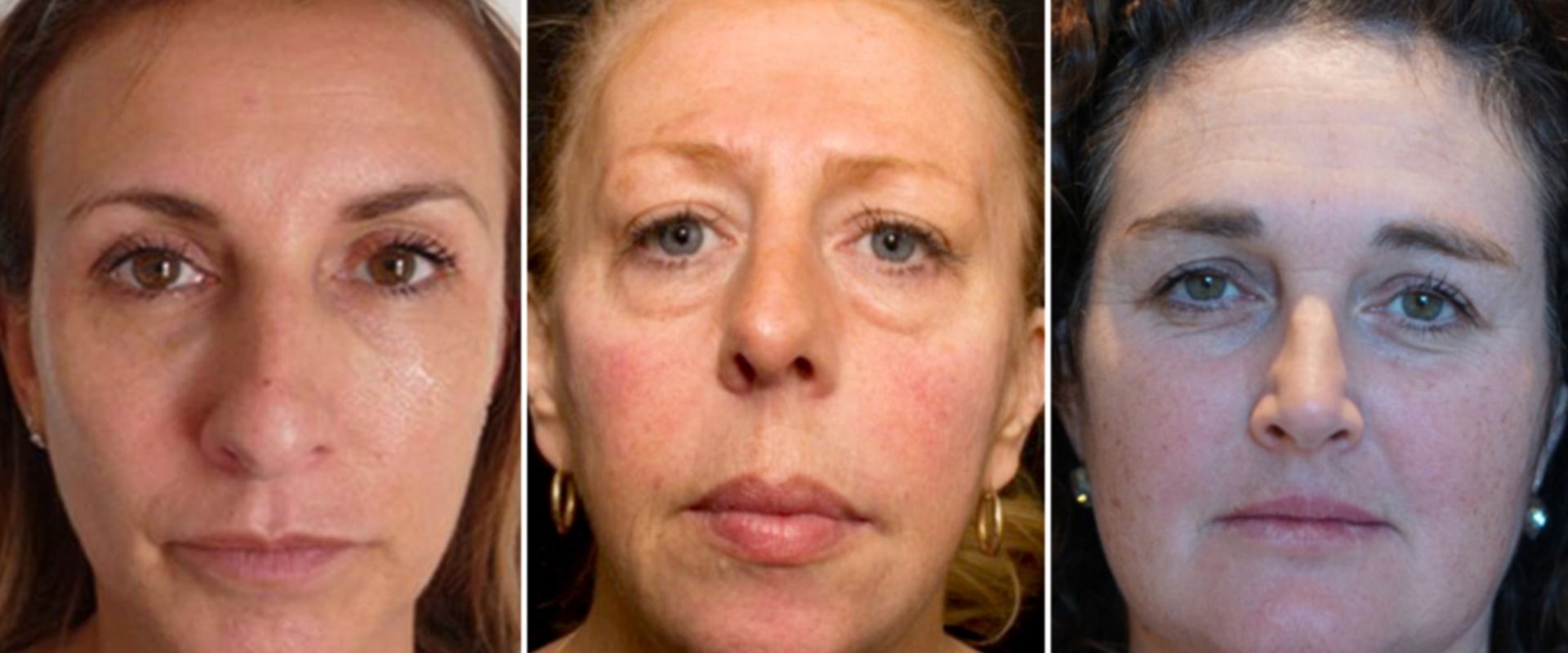
In recent years, the use of facial fillers has surged in popularity, becoming one of the most sought-after cosmetic procedures among individuals looking to enhance their appearance. These injectable treatments offer a non-surgical solution to combat the signs of aging, restore volume, and improve facial contours. As more people become aware of the transformative effects of fillers, they are increasingly turning to these procedures to achieve a youthful and rejuvenated look.The appeal of facial fillers lies not only in their ability to provide immediate results but also in their versatility. From smoothing out fine lines and wrinkles to adding volume to areas such as the cheeks and lips, fillers can address a wide range of aesthetic concerns.
This adaptability makes them an attractive option for individuals of various ages and skin types, contributing to their growing acceptance in mainstream beauty routines.Moreover, the benefits of fillers extend beyond mere aesthetics. Many patients report a boost in self-confidence and overall satisfaction with their appearance following treatment. The relatively quick procedure time, minimal downtime, and long-lasting effects further enhance their desirability. As a result, more individuals are considering regular filler treatments as part of their beauty regimen, leading to discussions about how often these procedures should be performed.As we delve deeper into the topic of facial fillers, it is essential to understand not only their benefits but also the factors that influence how frequently one should seek treatment.
With advancements in filler technology and techniques, patients can enjoy enhanced results while maintaining a natural look. This section sets the stage for exploring the frequency of filler treatments and what individuals can expect from their cosmetic journey.
What Are Facial Fillers?
Facial fillers are non-surgical cosmetic treatments designed to restore volume, smooth out wrinkles, and enhance facial contours. They are particularly popular among individuals seeking to rejuvenate their appearance without the need for invasive procedures. By injecting these substances into specific areas of the face, practitioners can achieve a more youthful and vibrant look.There are several types of facial fillers available, each with unique properties and benefits:- Hyaluronic Acid Fillers:Hyaluronic Acid Fillers: These are among the most commonly used fillers.
Hyaluronic acid is a naturally occurring substance in the body that helps retain moisture and adds volume to the skin. Popular brands include Restylane and Juvederm, which can last anywhere from 6 to 12 months, depending on the area treated.
- Biostimulatory Fillers: Unlike traditional fillers, biostimulatory fillers, such as Sculptra, work by stimulating the body’s own collagen production. This leads to gradual improvements in skin texture and volume over time. The results can last up to two years, making them a long-lasting option for those looking to enhance their facial aesthetics.
- Calcium Hydroxylapatite Fillers: Found in products like Radiesse, these fillers are made of a mineral-like compound found in bones.
They provide immediate volume and also stimulate collagen production, offering results that can last up to a year or more.
- Permanent Fillers: These are less common and involve substances that remain in the body for an extended period. While they can provide lasting results, they also carry a higher risk of complications and require careful consideration.
However, some swelling may occur initially, which usually subsides within a few days.Understanding the different types of facial fillers and how they function is crucial for anyone considering these treatments. Each type offers distinct advantages depending on individual needs and desired outcomes. Consulting with a qualified practitioner can help determine the most suitable option for achieving your aesthetic goals.
The Benefits of Regular Filler Treatments
Regular filler treatments offer a multitude of benefits that can significantly enhance both your appearance and your overall confidence. One of the primary advantages is the ability to maintain a youthful appearance.As we age, our skin naturally loses volume and elasticity, leading to sagging and the formation of wrinkles. By opting for fillers on a regular basis, you can effectively counteract these signs of aging, ensuring that your skin remains plump and vibrant.Moreover, fillers can be tailored to enhance specific facial contours. For instance, they can be used to define the cheekbones, smooth out nasolabial folds, or add volume to the lips. This targeted approach allows for a more sculpted and balanced facial structure, which can be particularly beneficial for those who feel their features have become less pronounced over time.Another significant benefit of regular filler treatments is the boost in self-confidence that many patients experience.
When you look good, you often feel good. The psychological impact of aesthetic treatments should not be underestimated; many individuals report feeling more attractive and self-assured after receiving fillers. This newfound confidence can positively influence various aspects of life, from personal relationships to professional opportunities.Additionally, regular treatments can lead to cumulative benefits. Many fillers stimulate collagen production in the skin, which means that over time, your skin may become healthier and more resilient even between treatments.
This biostimulatory effect can enhance the longevity of results and improve skin texture.It’s also worth noting that maintaining a consistent treatment schedule allows for more subtle enhancements rather than drastic changes. This gradual approach can help you achieve a natural look that aligns with your aesthetic goals without appearing overdone.In conclusion, the benefits of regular filler treatments extend beyond mere aesthetics. They play a crucial role in maintaining a youthful appearance, enhancing facial contours, and boosting self-confidence. By committing to a routine that includes these treatments, you are investing not only in your looks but also in your overall well-being.
How Often Should You Get Fillers?
Determining how often to receive fillers is not a one-size-fits-all approach; it varies significantly based on several factors, including skin type, age, lifestyle, and the specific areas being treated.Understanding these variables can help you make informed decisions about your treatment schedule.
Skin Type and Condition
- Oily Skin: Individuals with oily skin may find that fillers last longer due to the increased moisture levels in their skin. However, they might also require more frequent touch-ups to maintain the desired look.
- Dry Skin: Those with dry skin may need to consider more regular treatments, as fillers can dissipate more quickly in less hydrated environments.
- Aging Skin: As we age, our skin loses elasticity and volume. Older individuals may require fillers more frequently to combat these changes effectively.
Age Considerations
Your age plays a crucial role in how often you should get fillers. Younger patients, typically in their 20s and 30s, may only need treatments every 12 months or longer, as their skin retains more collagen and elasticity.
In contrast, those in their 40s and beyond might find that they need to return for maintenance every 6 to 9 months due to the natural aging process.
Specific Areas Treated
- Lips: Fillers in the lips tend to have a shorter lifespan due to the high movement and activity in this area. Most patients require touch-ups every 6 to 9 months.
- Cheeks and Temples: Fillers placed in these areas generally last longer, often requiring maintenance every 9 to 12 months.
- Under-Eye Fillers: These can last up to a year but may need more frequent attention depending on individual factors such as lifestyle and skin condition.
Consultation with Professionals
The best way to determine your ideal filler treatment frequency is through a consultation with a qualified practitioner. They can assess your unique needs and recommend a tailored schedule that aligns with your aesthetic goals. Regular follow-ups will ensure that you maintain optimal results while also allowing for adjustments based on how your skin responds over time.
Factors Influencing Filler Longevity
When considering the longevity of dermal fillers, several factors come into play that can significantly influence how long the effects last.Understanding these factors can help you make informed decisions about your treatment and manage your expectations effectively.
- Type of Filler: Different fillers are formulated with varying ingredients and properties, which directly affect their duration. For instance, hyaluronic acid-based fillers like Restylane and Juvederm typically last between 6 to 12 months, while biostimulatory fillers such as Sculptra can provide results for up to 2 years. The choice of filler should align with your aesthetic goals and desired longevity.
- Skin Type: Your individual skin type plays a crucial role in how long fillers will last. Those with oily skin may find that fillers dissipate more quickly due to increased oil production, which can break down the filler faster.
Conversely, individuals with drier skin may experience longer-lasting results as their skin retains the filler more effectively.
- Lifestyle Choices: Your daily habits can also impact the longevity of your fillers. Factors such as smoking, excessive sun exposure, and poor diet can accelerate the breakdown of fillers. Smoking, in particular, reduces blood flow to the skin, hindering its ability to maintain the filler’s effects. A balanced diet rich in antioxidants can help support skin health and prolong the results.
- Age: As we age, our skin naturally loses elasticity and volume, which can affect how well fillers perform.
Older individuals may require more frequent treatments as their skin's ability to retain filler diminishes over time.
- Injection Technique: The skill and technique of the practitioner administering the filler are paramount. An experienced injector will know how to place the filler optimally for lasting results. Poor technique can lead to uneven distribution or rapid absorption by the body.
Risks and Considerations of Frequent Filler Treatments
While dermal fillers can enhance facial aesthetics and restore youthful contours, it is essential to consider the risks and side effects associated with frequent treatments.Understanding these factors can help individuals make informed decisions about their cosmetic procedures.One of the primary concerns with regular filler injections is the potential for complications. Although most fillers are considered safe, complications can arise, particularly with repeated use. Some common risks include:
- Allergic Reactions: Some individuals may experience allergic reactions to the substances used in fillers, leading to swelling, redness, or itching at the injection site.
- Infection: Any injection carries a risk of infection. Frequent treatments may increase this risk, especially if proper hygiene practices are not followed.
- Granulomas: These are small lumps that can form under the skin as a reaction to the filler material.
They may require additional treatment to resolve.
- Vascular Complications: In rare cases, filler can inadvertently be injected into a blood vessel, leading to serious complications such as tissue necrosis or vision problems.
This reliance can lead to a cycle of continuous treatments that may not be necessary or beneficial in the long run.It is crucial for anyone considering regular filler treatments to consult with a qualified practitioner who can assess their individual needs and provide guidance on safe practices. A thorough consultation should include discussions about potential risks, realistic expectations, and alternative options such as surgical procedures like a face lift, which may offer more permanent solutions without the need for ongoing maintenance.In conclusion, while dermal fillers can provide significant aesthetic benefits, understanding the associated risks and considerations is vital for anyone contemplating frequent treatments. Making informed choices will help ensure that individuals achieve their desired outcomes safely and effectively.
Alternatives to Fillers: When to Consider a Facelift
While dermal fillers can effectively rejuvenate the face and restore volume, there comes a point when their benefits may be outweighed by the need for a more permanent solution. Understanding when to consider a facelift instead of relying solely on fillers is crucial for those seeking long-lasting results.Signs That Indicate a Facelift May Be Necessary
- Significant Skin Laxity: As we age, our skin loses elasticity, leading to sagging and drooping.
If you notice that fillers no longer provide the lift or contour you desire, it may be time to explore a facelift.
- Deep Wrinkles and Folds: Fillers can temporarily plump up areas of the face, but they may not effectively address deep-set wrinkles or nasolabial folds. A facelift can tighten the underlying muscles and remove excess skin, offering a more comprehensive solution.
- Loss of Facial Structure: Over time, the natural structure of the face can diminish. If fillers are no longer sufficient to restore your youthful contours, a facelift can redefine your jawline and cheekbones.
- Frequent Need for Touch-Ups: If you find yourself returning for filler treatments more often than before, it might indicate that your skin is no longer responding as effectively to these temporary solutions.
- Desire for Long-Lasting Results: Fillers typically last between 6 to 12 months, depending on the type used. If you prefer a more permanent outcome without the hassle of regular appointments, a facelift could be the ideal choice.
Facelift vs Fillers: Understanding the Differences
A facelift is a surgical procedure designed to lift and tighten sagging skin, while fillers are non-surgical injectables that add volume and smooth out wrinkles.
The choice between the two often depends on individual goals and the extent of facial aging.Fillers are excellent for addressing specific areas such as lips or cheeks and can be adjusted easily over time. However, they do not address underlying structural issues. In contrast, a facelift provides a more comprehensive rejuvenation by tightening muscles and removing excess skin, resulting in longer-lasting effects.
When to Consult a Professional
If you're contemplating whether to continue with fillers or consider a facelift, consulting with a qualified cosmetic surgeon is essential. They can assess your facial structure, skin condition, and personal goals to recommend the most suitable treatment plan tailored to your needs.Ultimately, understanding when to transition from fillers to a facelift can help you achieve your desired aesthetic outcomes while ensuring that you maintain a natural appearance as you age.
Consultation with a Professional: What to Expect
When considering dermal fillers, a thorough consultation with a qualified professional is essential.This initial meeting serves as an opportunity for you to discuss your aesthetic goals, understand the treatment process, and address any concerns you may have.During your consultation, you can expect the practitioner to conduct a comprehensive assessment of your facial structure and skin condition. They will likely ask about your medical history, including any allergies or previous cosmetic procedures. This information is crucial in determining the most suitable type of filler for your needs.
Key Questions to Ask
- What types of fillers do you recommend for my specific concerns?
- How long can I expect the results to last?
- What are the potential side effects or risks associated with the treatment?
- Can you show me before-and-after photos of previous patients?
- What is your experience with administering fillers?
Choosing a Qualified Practitioner
Selecting the right professional is paramount for achieving satisfactory results.
Look for practitioners who are certified and have extensive experience in administering dermal fillers. You might want to check their credentials, read reviews from previous clients, and ensure they operate in a clean, reputable clinic.Additionally, consider scheduling consultations with multiple practitioners. This allows you to compare their approaches, communication styles, and overall comfort level. A good practitioner will take the time to answer all your questions and make you feel at ease throughout the process.Ultimately, a well-informed consultation lays the groundwork for a successful filler treatment, ensuring that you feel confident and satisfied with your aesthetic choices.
FAQs About Facial Fillers and Annual Treatments
When considering facial fillers, many individuals have questions and concerns about the frequency of treatments, particularly regarding the safety and effectiveness of annual sessions.Below, we address some of the most frequently asked questions to help clarify these important aspects.
How often should I get facial fillers?
The frequency of filler treatments largely depends on the type of filler used and individual skin characteristics. Most hyaluronic acid-based fillers, such as Restylane and Juvederm, typically last between 6 to 12 months. For optimal results, many practitioners recommend annual maintenance treatments. However, areas like the lips may require more frequent touch-ups, usually every 6 to 9 months due to their high movement and metabolic activity.Are annual treatments safe?
Annual treatments are generally considered safe when performed by a qualified professional in a reputable clinic.The body metabolises fillers over time, and regular maintenance can help sustain a youthful appearance without overwhelming the skin. It is crucial to consult with your practitioner about your specific needs and any potential risks associated with frequent treatments.
What are the benefits of getting fillers annually?
- Consistent Results: Regular treatments help maintain volume and smoothness, preventing significant changes in appearance.
- Collagen Stimulation: Some fillers, like Sculptra, promote collagen production over time, enhancing skin texture and elasticity.
- Customised Care: Annual visits allow for adjustments based on changes in your facial structure or aesthetic goals.
What if I decide to stop getting fillers?
If you choose to discontinue filler treatments, your skin will gradually return to its natural state as the filler dissipates. While some individuals worry about looking worse after stopping, it’s important to remember that fillers are not permanent solutions. The collagen stimulated by the fillers can provide lasting benefits even after treatment ceases.Can I combine fillers with other treatments?
Yes, many patients opt to combine fillers with other aesthetic procedures such as Botox or laser treatments for enhanced results.This combination can address multiple concerns simultaneously, providing a more comprehensive approach to facial rejuvenation. Always discuss your treatment plan with your provider to ensure safety and effectiveness.In summary, understanding the nuances of facial fillers and their treatment frequency can empower you to make informed decisions about your aesthetic journey. Regular consultations with a qualified practitioner will ensure that you achieve the best possible outcomes tailored to your unique needs.
Conclusion: Making Informed Decisions About Fillers
In conclusion, the decision to receive facial fillers, including the frequency of treatments, is a highly personal one that should be made with careful consideration of various factors. As we have explored throughout this article, fillers can effectively enhance facial aesthetics, restore volume, and provide a more youthful appearance.However, it is essential to approach these treatments with a clear understanding of your individual needs and circumstances.Firstly, it is crucial to recognise that not all fillers are created equal. Different types of fillers offer varying durations of effect and are suited for different areas of the face. For instance, while hyaluronic acid-based fillers may require touch-ups every 6 to 12 months, biostimulatory fillers like Sculptra can last up to two years with proper maintenance. Understanding these differences can help you make informed decisions about which products to use and how often to schedule your appointments.Moreover, the longevity of results can be influenced by factors such as skin type, age, lifestyle, and even the specific area being treated.
Areas that experience more movement, like the lips, may require more frequent treatments compared to more stable areas like the cheeks or temples. Therefore, consulting with a qualified practitioner who can assess your unique situation is vital.Additionally, it is important to consider the potential for diminishing returns with repeated filler treatments. Over time, your body may adapt to the presence of fillers, leading some individuals to seek more substantial solutions such as surgical options. This highlights the importance of setting realistic expectations and understanding that while fillers can provide temporary enhancements, they are not a permanent solution.Ultimately, making informed decisions about facial fillers involves weighing the benefits against potential risks and costs.
Always prioritise safety by choosing reputable clinics and experienced practitioners who use FDA-approved products. By doing so, you can ensure that your journey towards achieving your desired aesthetic is both safe and satisfying.In summary, while it may be acceptable for some individuals to receive fillers annually or even more frequently based on their specific needs and goals, it is essential to approach this decision thoughtfully. Take the time to educate yourself about the options available and consult with professionals who can guide you in making choices that align with your personal beauty aspirations.