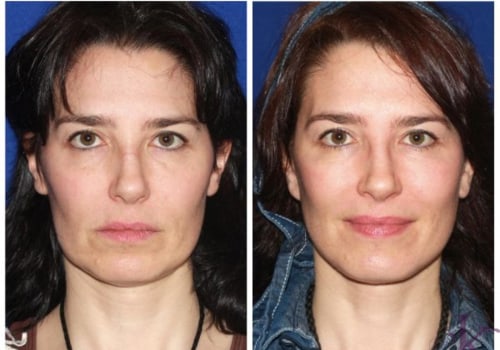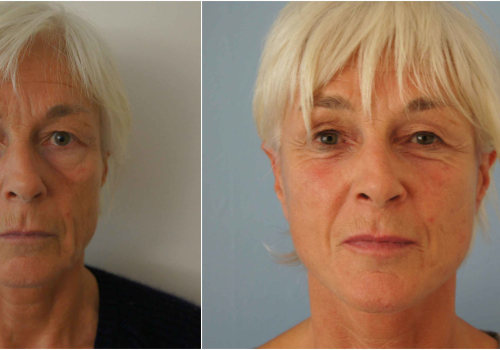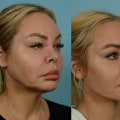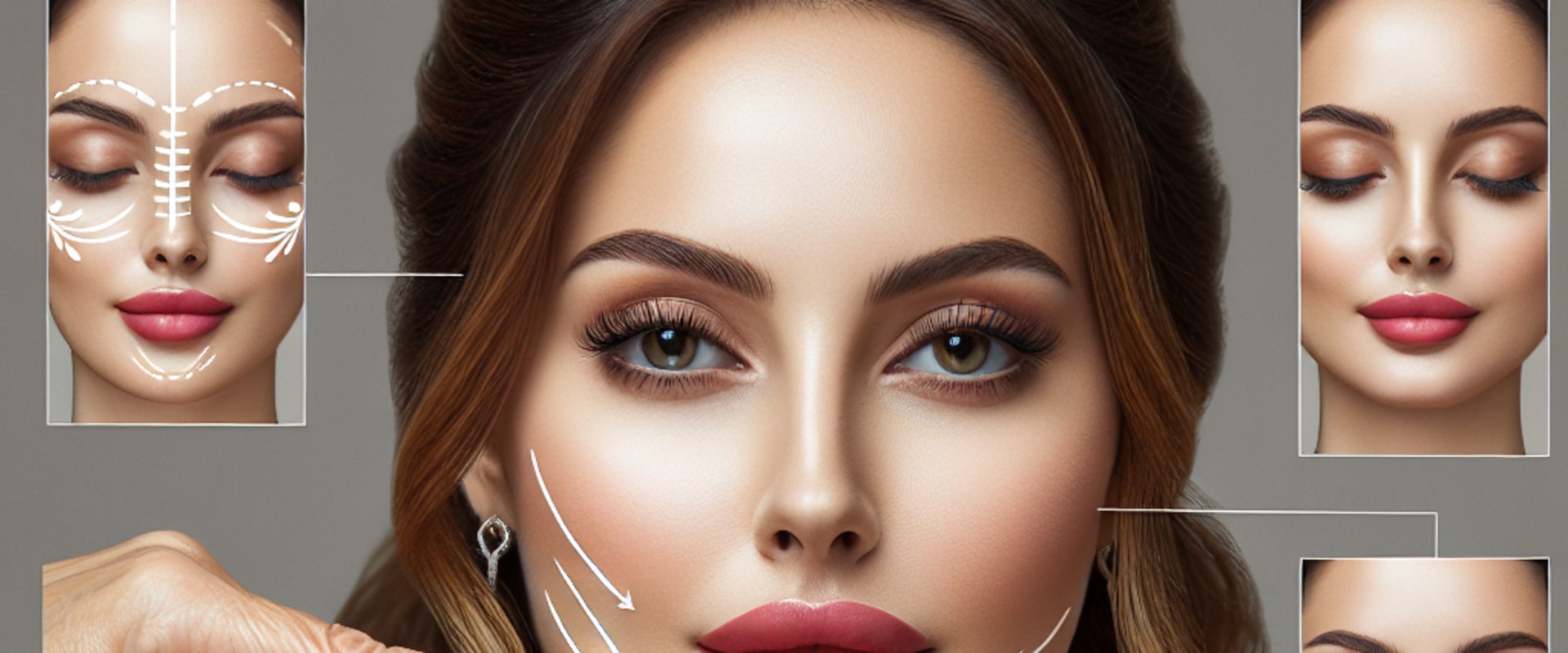
In recent years, the demand for facelifts has surged, reflecting a growing desire among individuals to maintain a youthful appearance. This cosmetic surgery procedure, which involves the removal of excess skin and tightening of underlying tissues, aims to rejuvenate the face and neck, providing a more vibrant and refreshed look. As societal standards of beauty evolve, more people are turning to surgical options to enhance their self-esteem and confidence.The facelift procedure is not merely about aesthetics; it represents a significant investment in one’s personal well-being. Patients often seek this surgery to combat the visible signs of aging, such as sagging skin, deep creases, and loss of facial volume.
With advancements in surgical techniques and technology, facelifts have become safer and more effective, attracting a diverse range of individuals looking to turn back the clock on their appearance.However, as with any surgical intervention, understanding the cost of a facelift is crucial. The price can vary widely based on several factors, including the surgeon's expertise, geographical location, and the complexity of the procedure itself. This variability can make it challenging for potential patients to gauge what they might expect to pay. As we delve deeper into this topic, we will explore not only the financial aspects but also the various types of facelifts available and what influences their pricing.
What is a Facelift?
A facelift , medically known as rhytidectomy, is a cosmetic surgical procedure aimed at creating a more youthful appearance by tightening the skin and underlying tissues of the face and neck.As we age, our skin loses elasticity, leading to sagging and the formation of wrinkles. A facelift addresses these issues by removing excess skin and repositioning the underlying structures, resulting in a smoother and firmer facial contour.There are several types of facelifts available, each designed to cater to different needs and preferences:
- Traditional Facelift: This is the most common type of facelift, involving incisions made around the ears and hairline. It allows for significant lifting of the skin and underlying tissues, making it suitable for individuals with moderate to severe sagging.
- Mini Facelift: A less invasive option, the mini facelift involves smaller incisions and is ideal for those with early signs of aging. It provides subtle improvements without the extensive recovery time associated with traditional facelifts.
- Thread Facelift: This non-surgical option uses temporary sutures to lift the skin.
The threads are inserted under the skin to create a subtle lift while stimulating collagen production. It is a quick procedure with minimal downtime. The threads are inserted under the skin to create a subtle lift while stimulating collagen production. It is a quick procedure with minimal downtime.
- Liquid Facelift: Utilizing dermal fillers and Botox, a liquid facelift enhances facial volume and smooths out wrinkles without surgery. This option is perfect for those seeking immediate results with no recovery time.
- Ultherapy: A non-invasive treatment that uses ultrasound technology to stimulate collagen production deep within the skin. Ultherapy is effective for tightening and lifting without any surgical intervention.
Each option has its own set of benefits, risks, and recovery times, making it essential to consult with a qualified plastic surgeon to determine which approach aligns best with your aesthetic goals and lifestyle.Each option has its own set of benefits, risks, and recovery times, making it essential to consult with a qualified plastic surgeon to determine which approach aligns best with your aesthetic goals and lifestyle.
Factors Influencing the Cost of a Facelift
When considering a facelift, understanding the various factors that influence its cost is crucial for potential patients. The price of a facelift can vary significantly based on several key elements, each contributing to the overall expense of the procedure.- Surgeon Expertise: One of the most significant factors affecting the cost of a facelift is the surgeon's experience and reputation. Highly skilled and board-certified plastic surgeons often charge more due to their extensive training and proven track record of successful outcomes. Patients may find that investing in a reputable surgeon can lead to better results and fewer complications.
- Geographic Location: The location where the surgery is performed plays a vital role in determining the cost.
Urban areas with a high demand for cosmetic procedures, such as London or Manchester, typically have higher prices compared to smaller towns or rural areas. This is largely due to increased overhead costs, including rent and staff salaries, in metropolitan regions.
- Complexity of the Procedure: The specific type of facelift being performed also impacts pricing. More complex procedures that address multiple areas of the face or involve additional techniques, such as neck lifts or fat grafting, will generally incur higher costs. Conversely, simpler procedures may be more affordable but might not provide the same level of rejuvenation.
- Anesthesia and Facility Fees: Additional expenses associated with facelifts include anesthesia fees and costs related to the surgical facility.
General anesthesia tends to be more expensive than local anesthesia, which can affect the overall price. Furthermore, if the procedure is performed in a hospital setting rather than an outpatient clinic, this can lead to increased facility fees. General anesthesia tends to be more expensive than local anesthesia, which can affect the overall price. Furthermore, if the procedure is performed in a hospital setting rather than an outpatient clinic, this can lead to increased facility fees.
- Post-Operative Care: Aftercare is another factor that can influence total costs. Some patients may require follow-up visits or additional treatments to achieve their desired results, which can add to the overall expense. It’s essential to factor in these potential costs when budgeting for a facelift.
By considering surgeon expertise, geographic location, procedure complexity, additional fees, and post-operative care, individuals can better prepare for the financial commitment associated with this transformative cosmetic surgery.
Average Costs of Facelifts in the UK
When considering a facelift in the UK, understanding the average costs associated with the procedure is crucial for potential patients. The price of a facelift can vary significantly based on several factors, including the surgeon's expertise, the complexity of the procedure, and the geographical location of the clinic.On average, patients can expect to pay between £7,000 and £15,000 for a facelift in the UK. This range reflects the diversity in surgical techniques and individual patient needs. For instance, a mini facelift, which is less invasive and targets specific areas of the face, may cost around £5,000 to £8,000.In contrast, a more comprehensive facelift that addresses multiple areas can push costs upwards of £10,000 .
Factors Influencing Facelift Costs
- Surgeon's Experience: Highly qualified and experienced surgeons often charge more due to their reputation and skill level. Patients should consider this investment in their safety and results.
- Location: The cost of living in different regions of the UK can affect facelift prices. Major cities like London typically have higher prices compared to smaller towns.
- Type of Procedure: Different techniques such as traditional facelifts, thread lifts, or non-surgical options will have varying costs. Traditional facelifts generally require more time and resources.
- Anesthesia Fees: The type of anesthesia used can also impact overall costs.
General anesthesia tends to be more expensive than local anesthesia.
Financing Options for Facelifts
When considering a facelift, the financial aspect can often be a significant concern for many patients. Fortunately, there are various financing options available that can help make this transformative procedure more accessible.Understanding these options can alleviate some of the stress associated with the cost of cosmetic surgery.
1.Payment Plans Offered by Surgeons
Many plastic surgeons provide in-house financing or payment plans that allow patients to spread the cost of their facelift over several months. These plans typically require a down payment, followed by monthly instalments. It’s essential to discuss the terms and conditions with your surgeon’s office, including interest rates and any potential fees.
2.Medical Credit Cards
Another popular option is to use medical credit cards specifically designed for healthcare expenses. One such example is CareCredit, which allows patients to finance their cosmetic procedures with flexible payment options.
Patients can choose from various plans, including interest-free periods if paid within a specific timeframe. This can be an excellent way to manage costs without incurring high-interest debt.
3.Personal Loans
If you prefer not to use a medical credit card, personal loans from banks or credit unions can also be a viable option. These loans typically offer lower interest rates compared to credit cards and can be used for any purpose, including cosmetic surgery. Be sure to compare different lenders to find the best rates and terms that suit your financial situation.
4.Health Savings Accounts (HSAs)
If you have a Health Savings Account, you may be able to use those funds to cover some of the costs associated with your facelift.
HSAs allow you to save money tax-free for qualified medical expenses, which can include certain cosmetic procedures if deemed medically necessary.
5.Insurance Coverage
While most health insurance plans do not cover cosmetic procedures like facelifts, it’s worth checking with your provider. In some cases, if the facelift is performed for reconstructive purposes or due to significant trauma or health issues, partial coverage may be available.In conclusion, financing a facelift is achievable through various options tailored to meet individual needs. By exploring these alternatives, patients can make informed decisions that align with their financial capabilities while still pursuing their aesthetic goals.
Comparing Surgical and Non-Surgical Facelifts
When considering facial rejuvenation, patients often find themselves weighing the options between surgical and non-surgical facelifts. Each approach has its unique benefits and drawbacks, making it essential to understand the differences to make an informed decision that aligns with individual needs and budget.Surgical Facelifts
A traditional surgical facelift is a comprehensive procedure that involves the removal of excess skin and tightening of underlying tissues.This method is particularly effective for individuals with significant sagging or loose skin, as it can provide dramatic and long-lasting results. However, it is important to note that surgical facelifts come with a higher cost, typically ranging from £7,000 to £15,000, depending on various factors such as the surgeon's expertise and geographical location.Moreover, recovery time can be extensive, often requiring several weeks before patients can return to their normal activities. Potential risks associated with surgery include scarring, infection, and complications related to anesthesia. Therefore, while the results can be profound, they do require a commitment to both time and financial resources.
Non-Surgical Facelifts
In contrast, non-surgical facelifts offer a range of alternatives that are less invasive and typically involve minimal downtime.Options such as thread lifts and liquid facelifts have gained popularity due to their ability to enhance facial contours without the need for extensive surgery.
- Thread Lifts: This technique uses temporary sutures to lift the skin subtly. It stimulates collagen production in the treated areas, resulting in a firmer appearance over time. The procedure usually takes less than an hour and requires minimal recovery.
- Liquid Facelifts: Involving the use of dermal fillers and Botox, liquid facelifts can restore volume and smooth out wrinkles. These treatments are quick, often completed within a lunch hour, and results can last from several months to over a year.
Patients can typically resume their daily activities almost immediately after treatment. However, it is important to note that results are not as dramatic or long-lasting as those achieved through surgical methods.Ultimately, the choice between surgical and non-surgical facelifts depends on individual goals, budget constraints, and personal preferences. Consulting with a qualified plastic surgeon can help clarify which option may be best suited for achieving desired outcomes while considering factors such as age, skin condition, and lifestyle.
The Importance of Choosing the Right Surgeon
When considering a facelift, one of the most critical decisions you will make is selecting the right surgeon. The success of your procedure and your overall satisfaction largely depend on the qualifications and experience of the professional you choose.Here are some essential factors to consider when evaluating potential surgeons.
Qualifications and Certifications
- Ensure that the surgeon is board-certified in plastic surgery. This certification indicates that they have undergone rigorous training and adhere to high standards of practice.
- Look for additional qualifications, such as membership in professional organisations like the British Association of Aesthetic Plastic Surgeons (BAAPS) or the Royal College of Surgeons (RCS). These memberships often require ongoing education and adherence to ethical guidelines.
Experience and Specialisation
- Inquire about the surgeon's experience specifically with facelifts. A surgeon who has performed numerous facelift procedures will be more adept at handling complications and achieving desirable results.
- Ask about their specialisation within facial cosmetic surgery.
Some surgeons may focus on specific techniques or types of facelifts, which can influence the outcome based on your individual needs.
Patient Reviews and Before-and-After Photos
- Research patient reviews online to gauge the experiences of others. Look for testimonials that highlight not only the results but also the surgeon's bedside manner and post-operative care.
- Request to see before-and-after photos of previous patients. This visual evidence can provide insight into the surgeon's skill level and aesthetic sensibility.
Consultation Process
A thorough consultation is vital in establishing a rapport with your surgeon. During this meeting, assess how well they listen to your concerns, answer your questions, and explain the procedure in detail.
A good surgeon will take the time to understand your goals and provide realistic expectations regarding outcomes.Ultimately, choosing a qualified and experienced surgeon for your facelift is paramount. By carefully evaluating credentials, experience, patient feedback, and the consultation process, you can make an informed decision that prioritises both safety and satisfaction in your cosmetic journey.
Recovery Process After a Facelift
Recovering from a facelift is a crucial phase that significantly impacts the overall results of the procedure. Understanding the recovery timeline and adhering to post-operative care guidelines can help ensure a smoother healing process and optimal outcomes.Expected Recovery Timeline
The recovery period after a facelift varies from person to person, but there are general timelines that can help set expectations:- First 24-48 Hours: This initial period is often the most uncomfortable. Patients may experience swelling, bruising, and some pain.
It is essential to rest and keep the head elevated to minimise swelling.
- Week 1: Most swelling and bruising will peak during this week but should start to subside. Stitches or staples are typically removed within this timeframe, depending on the surgeon's protocol.
- Weeks 2-3: By this stage, many patients feel comfortable enough to return to light activities. However, strenuous exercise and heavy lifting should still be avoided.
- Month 1: Most visible signs of surgery will have diminished significantly. Patients can usually resume normal activities, but it’s advisable to continue avoiding high-impact exercises.
- 3-6 Months: Final results will continue to improve as residual swelling resolves.
The skin will settle into its new position, revealing a more youthful appearance.
Post-Operative Care Tips
Proper care following a facelift is vital for a successful recovery. Here are some essential tips:- Follow Your Surgeon’s Instructions: Adhering to the specific guidelines provided by your surgeon is crucial. This includes medication schedules, follow-up appointments, and activity restrictions.
- Manage Pain and Discomfort: Use prescribed pain medications as directed. Over-the-counter pain relievers may also be recommended for mild discomfort.
- Keep Incisions Clean: Gently clean the surgical sites as instructed to prevent infection.
Avoid soaking in baths or swimming pools until cleared by your surgeon.
- Avoid Sun Exposure: Protect your skin from sun exposure during the healing process. Use sunscreen with a high SPF and wear hats when outdoors.
- Stay Hydrated and Eat Well: A balanced diet rich in vitamins and minerals can aid in healing. Staying hydrated is equally important for skin health.
Frequently Asked Questions About Facelift Costs
When considering a facelift, many potential patients have a range of questions regarding the costs and procedures involved. Here, we address some of the most frequently asked questions to provide clarity and assist in your decision-making process.What is the average cost of a facelift?
The average cost of a facelift can vary significantly based on several factors, including the surgeon's experience, the complexity of the procedure, and geographical location.In the UK, patients can expect to pay anywhere from £6,000 to £12,000 for a traditional facelift. However, more extensive procedures or those performed by highly sought-after surgeons may exceed this range.
Are there financing options available for facelift procedures?
Yes, many clinics offer financing options to help patients manage the costs associated with facelifts. These may include payment plans or medical credit cards specifically designed for cosmetic procedures. It’s advisable to discuss these options during your consultation to find a plan that suits your budget.Does health insurance cover facelift costs?
Typically, health insurance does not cover facelift procedures as they are considered elective cosmetic surgeries.However, if a facelift is deemed medically necessary due to trauma or other health-related issues, some insurance plans may provide partial coverage. Always check with your insurance provider for specific details.
What additional costs should I consider?
In addition to the surgeon's fee, there are other potential costs associated with a facelift:- Anesthesia fees: Depending on whether local or general anesthesia is used, this can add to the overall cost.
- Facility fees: The cost of using the surgical facility or hospital where the procedure is performed.
- Post-operative care: Follow-up appointments and any necessary medications can also contribute to total expenses.
How long do the results of a facelift last?
The longevity of facelift results can vary based on individual factors such as skin type, age, and lifestyle choices. Generally, patients can expect their results to last between 5 to 10 years. However, natural aging will continue, and some may choose additional treatments in the future to maintain their youthful appearance.By addressing these common inquiries about facelift costs and procedures, we hope to alleviate some concerns and provide you with the information needed to make an informed decision about your cosmetic journey.Conclusion: Making an Informed Decision About Your Facelift
In conclusion, deciding to undergo a facelift is a significant choice that requires careful consideration of various factors.Throughout this article, we have explored the different types of facelifts available, the costs associated with each procedure, and the importance of selecting a qualified surgeon. It is essential to approach this decision with a clear understanding of what to expect and the implications involved.Firstly, it is crucial to recognise that the cost of a facelift can vary widely based on several elements, including the surgeon's expertise, geographical location, and the complexity of the procedure. As highlighted, while the average cost may hover around £7,099, it can escalate to £15,000 or more depending on individual circumstances. Therefore, potential patients should prepare for a range of expenses and consider their financial options carefully.Moreover, understanding the different types of facelifts—from traditional surgical methods to less invasive alternatives—can help you make an informed choice that aligns with your aesthetic goals and comfort level.
Each option comes with its own set of benefits and risks, which should be thoroughly discussed with your surgeon during consultations.Additionally, it is vital to consider the recovery process and how it fits into your lifestyle. A facelift is not merely a one-time event; it requires time for healing and adjustment. Being realistic about recovery time and potential side effects will aid in setting appropriate expectations.Finally, do not underestimate the value of thorough research and consultation. Engaging with multiple surgeons for opinions can provide insights into different approaches and help you feel more confident in your decision.
Remember that this is not just about enhancing your appearance; it’s about investing in your well-being and self-esteem.In summary, making an informed decision about a facelift involves weighing all these factors carefully. By doing so, you can ensure that you choose a path that not only meets your aesthetic desires but also supports your overall health and happiness.