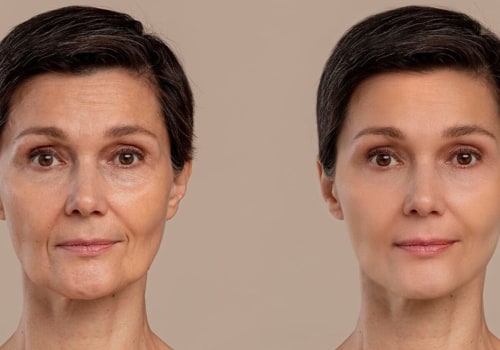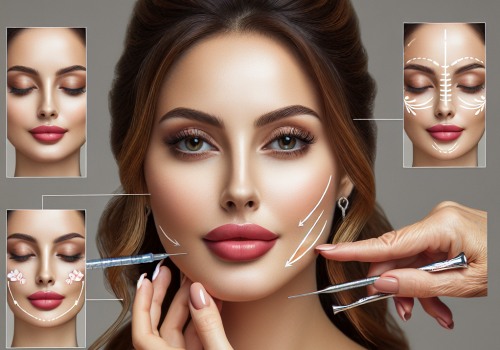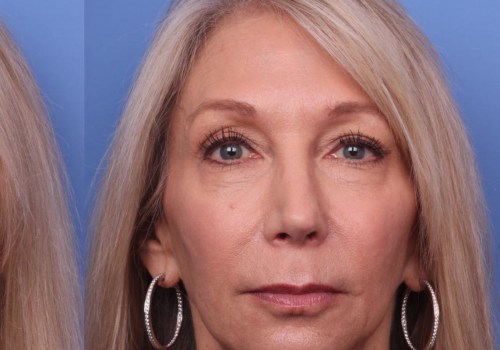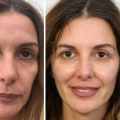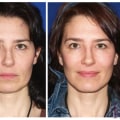
A facelift, medically known as rhytidectomy, is a popular cosmetic surgical procedure designed to enhance the appearance of the face and neck. As we age, our skin naturally loses elasticity, leading to sagging, wrinkles, and a tired appearance. A facelift aims to address these concerns by tightening the underlying muscles and removing excess skin, resulting in a more youthful and rejuvenated look. This procedure is not merely about aesthetics; it can significantly boost an individual's self-esteem and confidence.The facelift procedure typically involves several steps, beginning with a thorough consultation where the surgeon assesses the patient's facial structure and discusses their goals.
During the surgery, incisions are made discreetly along the hairline and around the ears to minimise visible scarring. The surgeon then lifts and repositions the underlying tissues, removes excess skin, and may also incorporate fat grafting to restore volume in areas that have lost fullness. The entire process usually takes several hours, depending on the extent of the work being done.While many people associate facelifts with older individuals seeking to combat signs of aging, this procedure can be beneficial for a wide range of ages. Younger patients may opt for facelifts to address genetic factors that contribute to premature sagging or to enhance their facial contours.
Regardless of age, understanding what a facelift entails is crucial for anyone considering this transformative procedure.
The Facelift Procedure: What to Expect
Undergoing a facelift is a significant decision that requires careful consideration and understanding of the entire process. From the initial consultation to post-operative care, each step plays a crucial role in achieving the desired results. Here’s what you can expect during the facelift procedure.Pre-Operative Consultation
The journey begins with a comprehensive consultation with your chosen plastic surgeon. During this meeting, you will discuss your aesthetic goals, medical history, and any concerns you may have.The journey begins with a comprehensive consultation with your chosen plastic surgeon. During this meeting, you will discuss your aesthetic goals, medical history, and any concerns you may have.
The surgeon will perform a thorough examination of your facial structure and skin condition to determine if you are a suitable candidate for the procedure. This is also an opportunity for you to ask questions about the surgery, recovery time, and potential risks.Additionally, your surgeon may recommend specific pre-operative instructions, such as avoiding certain medications or supplements that could increase bleeding risk. It’s essential to follow these guidelines closely to ensure a smooth surgical experience.
The Surgical Process
On the day of the surgery, you will arrive at the surgical facility where you will be prepared for the procedure. Facelifts are typically performed under general anaesthesia or sedation, depending on the complexity of your case and your surgeon's recommendation.The actual surgical process involves several key steps:
- Incision Placement: The surgeon will make incisions in discreet locations, often around the ears and hairline, to minimise visible scarring.
The exact placement will depend on the extent of correction needed.
- Tightening of Muscles and Skin: Once the incisions are made, underlying muscles and tissues are tightened to create a more youthful contour. Excess skin is then removed to eliminate sagging.
- Repositioning Fat: In some cases, fat may be redistributed or added to restore volume in areas that have lost fullness over time.
- Closing Incisions: After achieving the desired results, the surgeon will carefully close the incisions using sutures or skin adhesives.
Post-Operative Care
After surgery, you will be monitored in a recovery area until you are stable enough to go home. It’s common to experience swelling, bruising, and discomfort in the initial days following the procedure. Your surgeon will provide specific post-operative care instructions, which may include:
- Taking prescribed pain medication to manage discomfort.
- Keeping your head elevated to reduce swelling.
- Avoiding strenuous activities for several weeks.
- Attending follow-up appointments for suture removal and progress checks.
With proper care and adherence to your surgeon's advice, you can look forward to enjoying rejuvenated facial aesthetics for years to come.
The Aging Process and Facelifts: A Realistic Perspective
Understanding the relationship between the aging process and facelift results is crucial for anyone considering this popular cosmetic procedure. While a facelift can significantly enhance your appearance, it is essential to grasp the realistic expectations regarding its longevity and the ongoing effects of aging.After undergoing a facelift, many patients experience a rejuvenated look, often appearing up to ten years younger. However, it is vital to remember that a facelift does not halt the aging process; rather, it temporarily reverses some of its visible effects. Over time, natural aging will continue to affect the skin's elasticity, volume, and overall appearance.How Long Do Facelift Results Last?
The results of a facelift typically last between eight to ten years, depending on various factors such as skin type, age at the time of surgery, and lifestyle choices.
Patients often notice that while they may still exhibit signs of aging after this period, they will generally look better than if they had not undergone the procedure at all.Several factors can influence the longevity of facelift results:
- Skin Care Regimen: Maintaining a consistent skincare routine that includes sun protection and moisturisation can help prolong the youthful appearance achieved through surgery.
- Lifestyle Choices: Factors such as smoking, excessive alcohol consumption, and poor diet can accelerate skin aging and diminish the results of a facelift.
- Genetics: Individual genetic predispositions play a significant role in how one ages. Some may experience more pronounced changes than others.
The Aging Process After a Facelift
As time progresses post-facelift, patients may begin to notice subtle changes in their appearance. Common signs include:
- Sagging skin around the jawline and neck
- Increased visibility of fine lines and wrinkles
- Loss of volume in areas such as the cheeks
While a facelift can provide significant improvements, it is not a permanent solution. Regular follow-ups with your plastic surgeon can help assess your evolving needs and determine if additional procedures or treatments are necessary to maintain your desired appearance.In conclusion, while facelifts offer remarkable benefits in combating visible signs of aging, understanding their limitations is essential for setting realistic expectations. Embracing a holistic approach to skincare and lifestyle can further enhance and extend the results of your facelift.
Long-Term Effects of a Facelift: What Happens After 10 Years?
Understanding the long-term effects of a facelift is crucial for anyone considering this popular cosmetic procedure. While a facelift can significantly rejuvenate one’s appearance, it is essential to recognise that the results are not permanent.After a decade, various changes may occur, and being informed can help manage expectations.Typically, the results of a facelift can last between 8 to 10 years. However, as time progresses, the natural aging process continues to affect the skin and underlying structures. Here are some common changes that may be observed:
- Skin Elasticity: Over time, skin loses its elasticity due to factors such as sun exposure, lifestyle choices, and genetics. This can lead to a gradual return of sagging skin and wrinkles.
- Volume Loss: The face may experience a loss of fat in certain areas, leading to a gaunt appearance.
This is particularly noticeable in the cheeks and around the eyes.
- Deepening of Folds: Nasolabial folds (the lines running from the nose to the corners of the mouth) and marionette lines may become more pronounced as skin continues to age.
- Skincare Regimen: Implementing a consistent skincare routine that includes moisturisers, sunscreens, and products rich in antioxidants can help protect the skin from further damage.
- Healthy Lifestyle Choices: A balanced diet, regular exercise, and adequate hydration contribute significantly to overall skin health.
- Avoiding Sun Exposure: Protecting the skin from excessive sun exposure is vital. Wearing hats and using high-SPF sunscreen can prevent premature aging.
Considering a Second Facelift: When is the Right Time?
As time progresses, many individuals who have previously undergone a facelift may find themselves contemplating the possibility of a second facelift.This decision is often influenced by various factors, including the natural aging process, lifestyle changes, and personal aesthetic goals. Understanding when to consider a repeat facelift is crucial for achieving the desired results while ensuring safety and satisfaction.Typically, patients may start to notice signs of aging again approximately 10 to 15 years after their initial facelift. These signs can include:
- Sagging skin: Over time, the skin loses its elasticity, leading to sagging in areas that were previously lifted.
- Wrinkles: Fine lines and deeper wrinkles may reappear as collagen production decreases.
- Loss of volume: Areas of the face may appear hollow or sunken due to fat loss and decreased skin turgor.
- Physical Changes: Assess whether the changes in your appearance are significant enough to warrant another procedure.
If you feel that sagging or wrinkles are affecting your confidence, it may be time to consult a surgeon.
- Health Status: Your overall health plays a vital role in determining if you are a suitable candidate for another surgery. Conditions such as smoking, obesity, or chronic illnesses can impact recovery and results.
- Expectations: It is crucial to have realistic expectations about what a second facelift can achieve. While it can rejuvenate your appearance, it cannot stop the aging process entirely.
- Consultation with a Qualified Surgeon: Engaging with an experienced plastic surgeon is paramount. They can provide insights into whether you are a good candidate for a second facelift and discuss potential risks and benefits based on your unique situation.
By carefully considering these factors and seeking professional advice, you can make an informed decision that aligns with your long-term beauty goals.
Common Myths About Facelifts Debunked
When considering a facelift, many individuals are often influenced by myths and misconceptions that can cloud their judgment. Understanding the truth behind these myths is crucial for anyone contemplating this transformative procedure. Here, we will debunk some of the most common myths surrounding facelifts.Myth 1: Facelifts Are Only for Older Individuals
A prevalent misconception is that facelifts are exclusively for older adults. In reality, people of various ages can benefit from this procedure.Younger patients often experience more pronounced results due to their skin's greater elasticity and ability to heal more rapidly. A facelift can be an effective option for those in their 30s or 40s who are beginning to notice early signs of aging.
Myth 2: Facelifts Provide Permanent Results
Another common myth is that a facelift offers permanent results. While a facelift can significantly rejuvenate one's appearance, it does not halt the natural aging process. Over time, factors such as genetics, lifestyle choices, and environmental influences will continue to affect the skin's appearance.Typically, the results of a facelift can last anywhere from 8 to 10 years, after which some patients may consider a follow-up procedure.
Myth 3: Facelifts Leave Noticeable Scars
Many potential candidates fear that facelifts will leave them with unsightly scars. However, skilled plastic surgeons employ advanced techniques to minimise scarring. Incisions are often made in discreet locations, such as along the hairline or behind the ears, making them less visible. With proper care and healing, scars can fade significantly over time.Myth 4: Facelifts Are Only About Tightening Skin
Some people believe that facelifts solely focus on tightening loose skin.While this is a significant aspect of the procedure, a facelift also addresses underlying structures such as muscles and fat deposits. This comprehensive approach ensures a more natural and balanced outcome, enhancing overall facial harmony.
Myth 5: Recovery from a Facelift Is Extremely Painful
The fear of pain during recovery often deters individuals from pursuing a facelift. While some discomfort is expected post-surgery, most patients report manageable pain levels that can be controlled with prescribed medication. Additionally, following post-operative care instructions can significantly ease the recovery process.In conclusion, debunking these myths is essential for anyone considering a facelift.By understanding the realities of the procedure, potential candidates can make informed decisions that align with their aesthetic goals and expectations.
Choosing the Right Surgeon: Key Considerations
When considering a facelift, one of the most critical decisions you will make is selecting the right plastic surgeon. The expertise and skill of your surgeon can significantly influence the outcome of your procedure, making it essential to approach this choice with careful consideration.Experience and Specialisation
First and foremost, assess the experience of potential surgeons. Look for a plastic surgeon who specialises in facial procedures, particularly facelifts. A surgeon with extensive experience in this area will have a deeper understanding of the complexities involved in facial anatomy and the nuances of achieving natural-looking results.
It is advisable to inquire about the number of facelift surgeries they have performed and their success rates.
Credentials and Board Certification
Ensure that your chosen surgeon is board-certified by a recognised body, such as the British Association of Aesthetic Plastic Surgeons (BAAPS). This certification indicates that the surgeon has undergone rigorous training and adheres to high standards of practice. Additionally, check if they are a member of any professional organisations, which can further validate their commitment to ongoing education and ethical practices.
Patient Reviews and Testimonials
Reading patient reviews can provide valuable insights into a surgeon's practice. Look for testimonials on their website or independent review platforms.
Pay attention to comments regarding the surgeon's bedside manner, communication skills, and post-operative care. Positive feedback from previous patients can be a strong indicator of a surgeon's ability to deliver satisfactory results.
Consultation Process
The initial consultation is an opportunity to gauge your comfort level with the surgeon. During this meeting, ask questions about their approach to facelifts, including techniques used, recovery expectations, and potential risks. A qualified surgeon should be transparent about what you can realistically expect from the procedure and should take the time to address all your concerns.
Before-and-After Photos
Request to see before-and-after photos of previous patients who have undergone similar procedures.
This visual evidence can help you assess the surgeon's aesthetic style and skill level. Look for consistency in results across different patients, as this can indicate a reliable technique.
Follow-Up Care
A reputable surgeon will emphasise the importance of follow-up care after your facelift. Inquire about their post-operative protocols and how they manage complications should they arise. A strong support system during recovery is crucial for achieving optimal results.In conclusion, choosing a qualified plastic surgeon for your facelift requires thorough research and consideration.
By focusing on experience, credentials, patient feedback, and the consultation process, you can make an informed decision that aligns with your aesthetic goals.
Post-Operative Care: Ensuring Optimal Results
After undergoing a facelift, the journey to achieving optimal results continues well beyond the operating room. Proper post-operative care is crucial for ensuring that the surgical outcomes are not only satisfactory but also long-lasting. Here are some essential tips to help you navigate the recovery process effectively.1.Follow Your Surgeon’s Instructions
- Adhere strictly to the post-operative guidelines provided by your surgeon. These instructions are tailored to your specific needs and will include details on medication, activity restrictions, and follow-up appointments.
- Take prescribed medications as directed to manage pain and prevent infection.
This may include antibiotics and pain relievers.
2.Manage Swelling and Bruising
- Swelling and bruising are common after a facelift. To minimise these effects, keep your head elevated while resting, especially during the first few days post-surgery.
- Applying cold compresses gently to the affected areas can also help reduce swelling. However, avoid direct contact with the skin to prevent frostbite.
3.Maintain a Healthy Diet
- A balanced diet rich in vitamins and minerals can significantly aid in your recovery. Focus on consuming plenty of fruits, vegetables, lean proteins, and whole grains.
- Stay hydrated by drinking ample water, which helps in flushing out toxins and promoting healing.
4.Avoid Strenuous Activities
- Refrain from engaging in strenuous activities or heavy lifting for at least two weeks post-surgery.
This will help prevent complications such as increased swelling or bleeding.
- Listen to your body; if you feel fatigued or experience discomfort, take it easy and allow yourself time to rest.
5.Protect Your Skin
- Sun protection is vital during the recovery phase. Use a broad-spectrum sunscreen with an SPF of at least 30 when going outdoors, even on cloudy days.
- Avoid direct sun exposure for several weeks after surgery, as this can lead to pigmentation changes in healing skin.
6.Follow-Up Appointments
- Attend all scheduled follow-up appointments with your surgeon. These visits are essential for monitoring your healing progress and addressing any concerns that may arise.
- Your surgeon may recommend specific treatments or adjustments based on your recovery trajectory.
7.Long-Term Maintenance
- To maintain the results of your facelift over time, consider incorporating a consistent skincare routine that includes moisturisers, serums, and regular exfoliation.
- Regularly consult with a dermatologist or skincare professional for personalised advice on maintaining youthful skin.
Conclusion: The Lasting Impact of Facelifts on Aging Gracefully
In summary, the journey through the world of facelifts reveals a nuanced understanding of how these procedures can significantly influence the aging process.While a facelift is not a permanent solution to the inevitable effects of aging, it offers a remarkable opportunity to rejuvenate one’s appearance and enhance self-confidence. The key takeaway is that a facelift can effectively turn back the clock, making individuals appear up to a decade younger, yet it is essential to recognise that the aging process will continue thereafter.As discussed, the results of a facelift typically last between 8 to 10 years, during which time patients can enjoy a more youthful visage. However, as time progresses, it is natural for signs of aging to re-emerge. This reality underscores the importance of maintaining a proactive approach to skincare and overall health.
Engaging in a consistent skincare regimen, protecting the skin from sun damage, and leading a healthy lifestyle can all contribute to prolonging the results of surgical interventions.Moreover, understanding when to consider additional procedures, such as a second facelift, is crucial for those who wish to maintain their youthful appearance. Consulting with a qualified plastic surgeon can provide invaluable insights tailored to individual needs and circumstances. This professional guidance ensures that patients make informed decisions about their cosmetic journeys.Ultimately, embracing the concept of aging gracefully involves more than just surgical enhancements; it encompasses a holistic approach to beauty and self-care. By combining surgical options with healthy lifestyle choices and effective skincare practices, individuals can navigate their aging process with confidence and poise.In conclusion, facelifts represent a powerful tool in the quest for youthful vitality.
However, it is vital for prospective patients to approach this decision with realistic expectations and an understanding of what lies ahead. With careful consideration and expert advice, individuals can make choices that not only enhance their appearance but also empower them to embrace their age with grace.