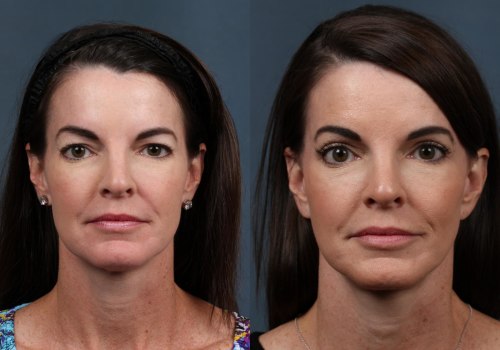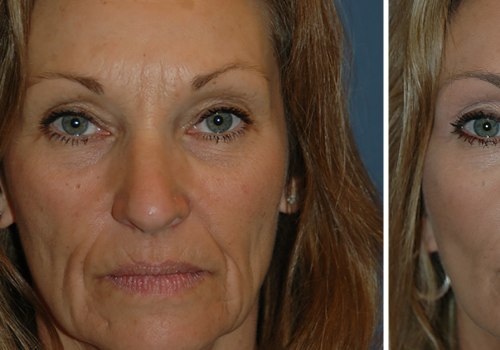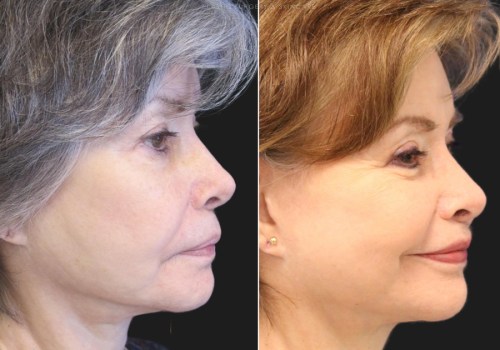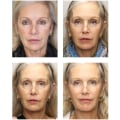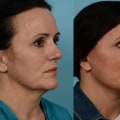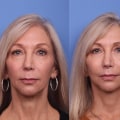
A facelift, or rhytidectomy, is a transformative surgical procedure designed to rejuvenate the face and neck by addressing the visible signs of aging. As we age, our skin loses its natural elasticity and firmness, leading to sagging, wrinkles, and a tired appearance. A facelift aims to counteract these effects by tightening the underlying muscles and removing excess skin, resulting in a more youthful and vibrant look.The facelift procedure typically begins with a thorough consultation where the surgeon evaluates the patient's facial structure, skin quality, and overall health. This assessment helps determine the most suitable surgical technique tailored to the individual's needs.
There are various techniques employed in facelift surgery, including the traditional facelift, mini facelift, and endoscopic facelift. Each method has its unique advantages and is chosen based on factors such as the extent of sagging and the desired outcome.During the surgery, incisions are strategically placed to minimise visible scarring. The surgeon then lifts the skin away from the underlying tissues, tightens the muscles, and removes any excess skin. This meticulous process not only enhances facial contours but also restores volume that may have diminished over time.
Patients can expect to see immediate results post-surgery; however, it is essential to understand that swelling and bruising are common during the initial recovery phase.Ultimately, a facelift can significantly enhance one’s appearance, making individuals look up to ten years younger. The longevity of these results varies based on several factors including age, skin type, and lifestyle choices. Understanding what a facelift entails is crucial for anyone considering this procedure, as it empowers them to make informed decisions about their journey towards a more youthful visage.
The Age-Defying Effects of a Facelift
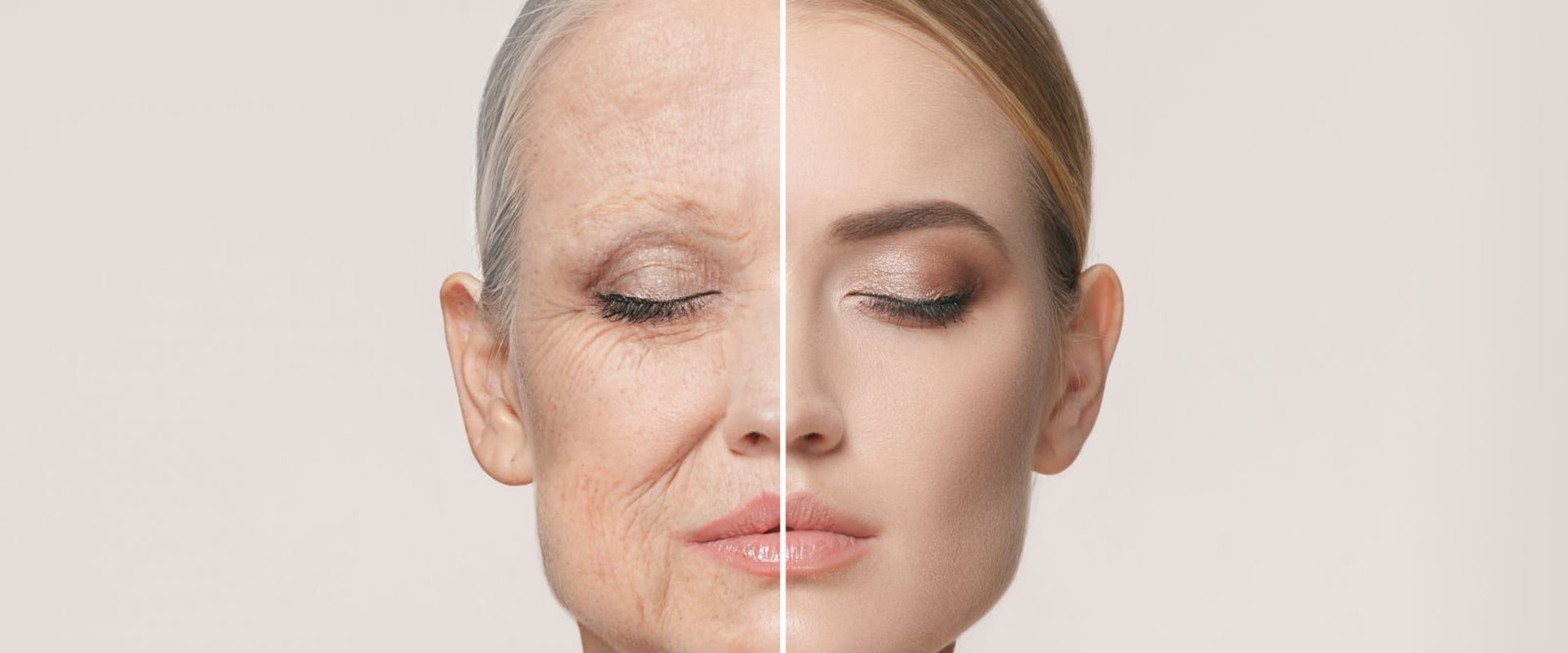
A facelift, or rhytidectomy, is renowned for its remarkable ability to rejuvenate the face and neck, effectively reversing the visible signs of aging. Many individuals considering this procedure often wonder just how much younger they will appear post-surgery.On average, patients can expect to look between 5 to 10 years younger after undergoing a facelift. This significant age reduction is primarily attributed to the removal of excess skin and the tightening of underlying tissues.As we age, our skin naturally loses elasticity and firmness, leading to sagging and the formation of wrinkles. A facelift addresses these issues by excising loose skin and repositioning the underlying muscles and connective tissues. This not only smooths out wrinkles but also restores volume to areas that may have become hollowed due to aging.One of the most noticeable effects of a facelift is the improvement in the jawline and neck area.
Many patients report a more defined jawline and a reduction in jowls, which can contribute significantly to a more youthful appearance. Additionally, the neck often shows signs of aging through sagging skin and fat deposits; a facelift can help contour this area, enhancing overall facial harmony.However, it is essential to understand that results can vary based on several factors:
- Age: While facelifts are commonly performed on individuals in their 40s to 60s, older patients may experience different outcomes due to more advanced skin laxity.
- Skin Quality: The inherent quality of your skin plays a crucial role in determining the final results. Patients with better skin elasticity typically enjoy more pronounced improvements.
- Lifestyle Choices: Factors such as smoking, sun exposure, and diet can significantly impact how your skin ages and how well it responds to surgical interventions.
Factors Influencing Facelift Results
When considering a facelift, it is crucial to understand that the results can vary significantly from one individual to another.Several key factors can influence the effectiveness of the procedure, including age , skin quality , and lifestyle habits. Each of these elements plays a vital role in determining how well a facelift will perform and how long the results will last.
Age and Its Impact on Facelift Outcomes
Age is one of the most significant factors affecting facelift results. Generally, patients in their 40s to 60s tend to experience the most dramatic improvements. As we age, our skin naturally loses elasticity and firmness, leading to sagging and wrinkles.Older patients may have more pronounced signs of aging, which can make it challenging to achieve the desired youthful appearance. While a facelift can still be beneficial for older individuals, the outcomes may not be as striking compared to younger patients.
The Role of Skin Quality
The quality of your skin is another critical factor that can influence facelift results. Individuals with good skin elasticity and texture are likely to see better outcomes than those with compromised skin quality. Factors such as sun damage, smoking, and poor hydration can lead to a decline in skin health, making it less responsive to surgical interventions.Before undergoing a facelift, it is advisable to consult with a qualified surgeon who can assess your skin condition and recommend appropriate pre-operative treatments to enhance your skin's quality.
Lifestyle Habits and Their Effects
Your lifestyle choices can significantly impact both the results of your facelift and your overall skin health. For instance:- Smoking: This habit reduces blood flow to the skin, impairing healing and potentially leading to less satisfactory results.
- Sun Exposure: Excessive sun exposure can accelerate skin aging, resulting in wrinkles and pigmentation issues that may affect surgical outcomes.
- Diet: A balanced diet rich in vitamins and antioxidants supports skin health and can improve healing post-surgery.
Combining Facelifts with Other Cosmetic Procedures
For individuals seeking a more comprehensive approach to facial rejuvenation, combining a facelift with other cosmetic procedures can yield remarkable results.This multi-faceted strategy not only addresses various signs of aging but also enhances the overall aesthetic outcome, providing a more harmonious and youthful appearance.One of the most common combinations is the facelift paired with a neck lift. As we age, the neck often shows signs of sagging and excess skin, which can detract from the youthful look achieved through a facelift alone. A neck lift targets these issues by removing excess fat and tightening the skin, resulting in a smoother jawline and neck area. This combination is particularly effective for patients who have developed jowls or loose skin around the neck, as it creates a seamless transition between the face and neck.Another popular pairing is the facelift with a brow lift.
The brow area can develop deep lines and sagging skin that contribute to an aged appearance. By lifting the brow, patients can achieve a more alert and refreshed look that complements the tightening effects of a facelift. This combination not only enhances facial symmetry but also improves the overall expression, making individuals appear more vibrant and youthful.Additionally, eyelid surgery, or blepharoplasty , is frequently combined with facelifts. The eyes are often one of the first areas to show signs of aging, with drooping eyelids and puffiness.
By addressing these concerns simultaneously with a facelift, patients can achieve a more complete rejuvenation of their facial features. This holistic approach ensures that all aspects of facial aging are considered, leading to more satisfying results.When considering multiple procedures, it is essential to consult with a qualified cosmetic surgeon who can assess individual needs and recommend the best combination for optimal results. Each patient's anatomy and aesthetic goals are unique, making personalised treatment plans crucial for achieving desired outcomes.In summary, combining a facelift with other cosmetic procedures such as neck lifts, brow lifts, or eyelid surgery can significantly enhance the results of facial rejuvenation. This comprehensive approach not only addresses multiple areas of concern but also ensures that patients achieve a balanced and youthful appearance that reflects their inner vitality.
Maintaining Results After a Facelift
After undergoing a facelift, many individuals are eager to maintain their rejuvenated appearance for as long as possible.The results of this transformative procedure can be significantly enhanced through a combination of effective skincare routines and healthy lifestyle choices. Here are some essential tips to help you prolong the benefits of your facelift.
Skincare Routine Post-Facelift
Establishing a robust skincare regimen is crucial for maintaining the results of your facelift. Here are key components to consider:- Gentle Cleansing: Use a mild, non-irritating cleanser to wash your face twice daily. Avoid harsh scrubs or exfoliants that can irritate healing skin.
- Moisturisation: Keeping your skin hydrated is vital.
Opt for a high-quality moisturiser that suits your skin type, preferably one with hyaluronic acid or glycerin to lock in moisture.
- Sunscreen: Protecting your skin from UV damage is paramount. Apply a broad-spectrum sunscreen with an SPF of at least 30 every day, even on cloudy days, to prevent premature aging and discolouration.
- Targeted Treatments: Incorporate serums or creams containing antioxidants, peptides, or retinoids to enhance skin texture and promote collagen production. However, consult with your surgeon or dermatologist before introducing new products.
Lifestyle Choices for Lasting Results
Your lifestyle plays a significant role in how well you maintain the results of your facelift. Consider the following tips:- Avoid Smoking: Smoking can accelerate skin aging and diminish the results of your facelift.
If you smoke, seek support to quit.
- Healthy Diet: A balanced diet rich in fruits, vegetables, lean proteins, and healthy fats can nourish your skin from within. Foods high in antioxidants, such as berries and leafy greens, can help combat oxidative stress.
- Stay Hydrated: Drinking plenty of water is essential for maintaining skin elasticity and overall health. Aim for at least eight glasses a day.
- Regular Exercise: Engaging in regular physical activity improves circulation and promotes a healthy glow. However, avoid strenuous activities immediately after surgery as advised by your surgeon.
Remember that consistency is key; maintaining a dedicated approach will help you enjoy a youthful appearance for years to come.
Common Myths About Facelifts Debunked
When considering a facelift, many individuals are often influenced by myths and misconceptions that can cloud their judgment. Understanding the truth behind these myths is essential for making an informed decision about undergoing this transformative procedure. Here, we debunk some of the most common myths surrounding facelifts.- Myth 1: Facelifts are only for older individuals.
While facelifts are commonly associated with older patients, they can be beneficial for individuals in their 40s and 50s who are beginning to notice signs of aging. Early intervention can lead to more natural-looking results and may help delay the need for more extensive procedures later on. - Myth 2: A facelift will make you look unnatural.
Many people fear that a facelift will result in a "pulled" or artificial appearance.However, when performed by a skilled surgeon, a facelift should enhance your natural features and provide a subtle rejuvenation. The goal is to achieve a refreshed look that maintains your unique characteristics.
- Myth 3: Facelifts are painful and require long recovery times.
While some discomfort is expected post-surgery, advancements in surgical techniques and pain management have significantly reduced pain levels. Most patients experience only mild discomfort, and many return to their normal activities within two weeks. - Myth 4: Facelifts are permanent solutions.
Although a facelift can provide long-lasting results, it does not stop the aging process. Factors such as genetics, lifestyle choices, and skincare routines will continue to influence how your skin ages over time.Regular maintenance and a healthy lifestyle can help prolong the results.
- Myth 5: Facelifts only address sagging skin.
While sagging skin is a primary concern that facelifts address, the procedure also tightens underlying muscles and tissues, restores volume, and improves facial contours. This comprehensive approach contributes to a more youthful appearance overall.
Conclusion: Is a Facelift Right for You?
As we conclude our exploration of the transformative effects of a facelift, it is essential to reflect on whether this surgical procedure aligns with your personal goals and circumstances. A facelift can indeed offer remarkable rejuvenation, but it is not a one-size-fits-all solution.Here are some key considerations to help you determine if a facelift is right for you.
Assessing Your Needs
Before making a decision, take time to evaluate your motivations for seeking a facelift. Are you looking to address specific concerns such as sagging skin, deep wrinkles, or loss of facial volume? Understanding your primary reasons can guide you in discussing your options with a qualified surgeon.Consultation with a Professional
Engaging in a thorough consultation with a board-certified plastic surgeon is crucial. During this meeting, you can:- Discuss your aesthetic goals and expectations.
- Receive an assessment of your facial structure and skin quality.
- Explore potential risks and benefits associated with the procedure.
- Consider alternative treatments that may better suit your needs.
Understanding the Commitment
A facelift requires not only financial investment but also time for recovery and maintenance. Consider whether you are prepared for the post-operative care necessary to achieve optimal results.This includes adhering to your surgeon's guidelines, managing swelling and bruising, and following a skincare regimen to prolong the effects of the surgery.