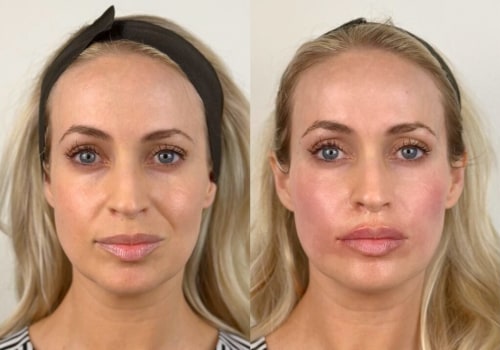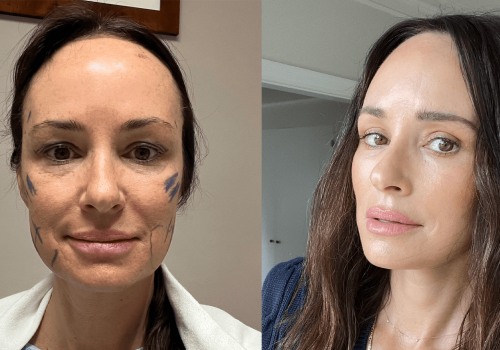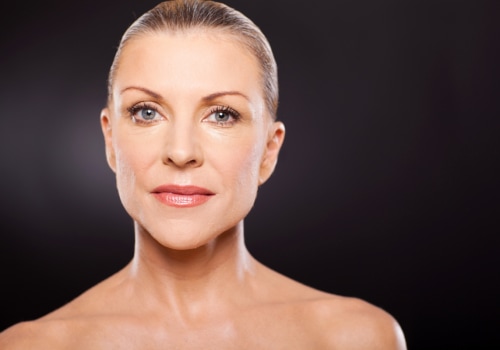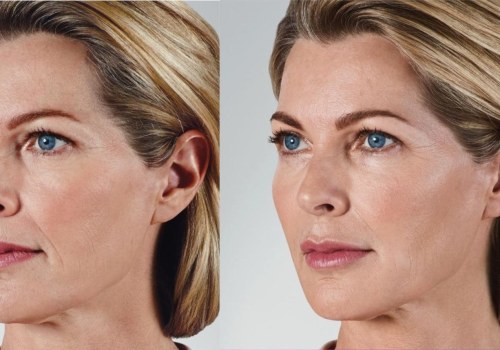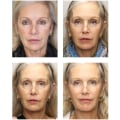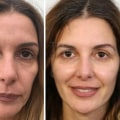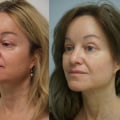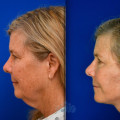
The quest for a more youthful appearance has led many individuals to consider cosmetic procedures, with the facelift being one of the most sought-after options. This surgical intervention is designed to address the visible signs of aging, such as sagging skin, deep creases, and loss of facial volume. By repositioning underlying tissues and removing excess skin, a facelift can significantly rejuvenate one’s appearance, often making patients feel revitalised and more confident in their looks.Understanding the impact of a facelift on perceived youthfulness is essential for anyone contemplating this procedure. Research indicates that patients often feel an average of 12 years younger post-surgery, a testament to the effectiveness of this transformative treatment. being one of the most sought-after options. This surgical intervention is designed to address the visible signs of aging, such as sagging skin, deep creases, and loss of facial volume. By repositioning underlying tissues and removing excess skin, a facelift can significantly rejuvenate one’s appearance, often making patients feel revitalised and more confident in their looks.Understanding the impact of a facelift on perceived youthfulness is essential for anyone contemplating this procedure. Research indicates that patients often feel an average of 12 years younger post-surgery, a testament to the effectiveness of this transformative treatment.
However, the longevity of these results can vary based on several factors, including age at the time of surgery, skin type, and lifestyle choices following the procedure. It is crucial for potential patients to have realistic expectations regarding how long they can enjoy their newfound youthful look.Moreover, while a facelift can provide remarkable results, it is not a permanent solution to aging. The natural aging process continues after surgery, which means that over time, some signs of aging may reappear. Therefore, understanding how long a facelift lasts and what maintenance might be required is vital for those considering this option.
In this article, we will delve deeper into the effects of facelifts on youthful appearance and explore the factors that influence the duration of these results.
What is a Facelift?
A facelift , medically known as rhytidectomy, is a cosmetic surgical procedure designed to create a more youthful appearance by addressing the visible signs of aging in the face and neck. As we age, our skin loses elasticity, leading to sagging, wrinkles, and fine lines. A facelift aims to reverse these effects by tightening the underlying muscles and removing excess skin, resulting in a smoother and firmer facial contour.The procedure typically involves several key steps:- Anesthesia: Patients are usually given general anesthesia or sedation to ensure comfort during the surgery.
- Incisions: The surgeon makes incisions in discreet locations, often around the ears and hairline, to minimize visible scarring.
- Muscle and Tissue Adjustment: The underlying facial muscles are lifted and tightened, which helps restore a more youthful position to the skin.
- Excess Skin Removal: Any sagging or excess skin is trimmed away, allowing for a smoother appearance.
- Closure: The incisions are carefully closed with sutures or staples, and dressings are applied.
- Traditional Facelift: This comprehensive approach addresses sagging skin across the entire face and neck, providing significant rejuvenation.
- Mini Facelift: A less invasive option that focuses on the lower face, ideal for those with mild to moderate sagging.
- Mid-Facelift: Targets the middle section of the face, lifting the cheeks and reducing nasolabial folds.
- Neck Lift: Often performed alongside a facelift, this procedure specifically addresses sagging skin and fat deposits in the neck area.
How Does a Facelift Make You Look Younger?
A facelift, or rhytidectomy, is a surgical procedure designed to improve visible signs of aging in the face and neck.The transformative effects of a facelift extend beyond mere aesthetics; they encompass both physical changes and psychological benefits that can significantly enhance an individual's quality of life.One of the primary ways a facelift makes you look younger is by addressing sagging skin and restoring facial contours. As we age, the skin loses elasticity and volume, leading to drooping cheeks, jowls, and a less defined jawline. A facelift effectively tightens the underlying muscles and removes excess skin, resulting in a smoother, firmer appearance. This rejuvenation can make individuals appear up to a decade younger, as reported by many patients post-surgery.In addition to lifting sagging skin, a facelift can also reduce the appearance of fine lines and wrinkles.
By repositioning facial tissues and smoothing out creases, the procedure helps to create a more youthful complexion. The removal of excess skin not only enhances facial aesthetics but also allows for better light reflection on the skin's surface, contributing to a healthier glow.Moreover, the psychological benefits of undergoing a facelift should not be underestimated. Many individuals report increased self-esteem and confidence following their surgery. The positive changes in their appearance often lead to improved social interactions and a renewed sense of vitality.
Feeling younger can translate into a more active lifestyle, encouraging individuals to engage in activities they may have shied away from due to self-consciousness about their appearance.Furthermore, a facelift can serve as a catalyst for adopting healthier habits. Many patients find themselves motivated to maintain their results through proper skincare routines, regular exercise, and balanced diets. This holistic approach not only prolongs the effects of the facelift but also contributes to overall well-being.In summary, a facelift offers significant benefits that go beyond looking younger. By restoring facial structure and enhancing skin quality, it provides individuals with renewed confidence and encourages healthier lifestyle choices.
The combination of physical rejuvenation and psychological upliftment makes the facelift a powerful option for those seeking to turn back the clock on aging.
Research Findings on Age Reduction After a Facelift
Recent studies have provided compelling evidence regarding the age reduction effects of a facelift. One notable research published in the journal Plastic and Reconstructive Surgery revealed that patients who underwent a facelift perceived themselves as an average of 12 years younger post-surgery. This significant finding underscores the psychological and emotional benefits that accompany physical transformation.In another study, researchers aimed to quantify the visible age reduction achieved through facelift procedures. They collected before-and-after photographs of patients and asked first-year medical students to estimate the ages of the individuals in these images.The results were striking; students estimated that the patients appeared approximately 7.2 years younger after their facelifts. This suggests that not only do patients feel younger, but they also present a more youthful appearance to others.Furthermore, the longevity of these results is noteworthy. Many patients report that the effects of their facelift can last for up to 20 years, particularly if they maintain a healthy lifestyle post-surgery. The extent of age reduction can also be influenced by additional procedures performed simultaneously.
For instance, those who opt for a combined facelift and neck lift typically look around 5.7 years younger, while incorporating eyelid surgery can add nearly two more years to this youthful appearance.Moreover, a comprehensive approach involving multiple facial rejuvenation techniques can yield even more impressive results. Patients who undergo a full suite of procedures—including forehead lifts—can appear an average of 8.4 years younger than their pre-surgery selves. This data highlights the potential cumulative benefits of combining various surgical interventions.Ultimately, while individual results may vary based on factors such as age at the time of surgery and skin condition, the overall consensus from recent research is clear: a facelift can significantly enhance both perceived and actual youthfulness, making it a popular choice for those seeking to rejuvenate their appearance.
Factors Influencing the Longevity of Facelift Results
When considering a facelift, it is essential to understand that the longevity of its results can vary significantly from person to person. Several factors play a crucial role in determining how long the youthful effects of a facelift will last.Here are some key elements to consider:
- Age at the Time of Surgery: One of the most significant factors influencing the durability of facelift results is the patient's age when they undergo the procedure. Generally, younger patients tend to experience longer-lasting results. This is because their skin is typically more elastic and resilient, allowing for better healing and adaptation post-surgery. In contrast, older patients may have more pronounced skin laxity and less elasticity, which can affect how well the facelift holds up over time.
- Skin Type and Condition: The inherent characteristics of an individual's skin also play a vital role in the outcome of a facelift.
Those with thicker, more resilient skin may enjoy longer-lasting results compared to individuals with thinner or more delicate skin. Additionally, pre-existing skin conditions, such as sun damage or acne scars, can impact healing and the overall aesthetic outcome.
- Lifestyle Choices: A patient’s lifestyle choices significantly influence the longevity of facelift results. Factors such as smoking, excessive alcohol consumption, and poor diet can accelerate the aging process and diminish the effects of surgery. Conversely, maintaining a healthy lifestyle that includes regular exercise, a balanced diet rich in antioxidants, and proper hydration can help prolong the youthful appearance achieved through a facelift.
- Sun Protection: Protecting your skin from sun exposure is crucial for maintaining facelift results.
Ultraviolet (UV) rays can cause premature aging and skin damage, leading to sagging and wrinkles. Patients are advised to use high-SPF sunscreen daily and wear protective clothing when outdoors to safeguard their skin.
- Post-Surgery Care: Following post-operative care instructions provided by your surgeon is essential for optimal healing. This includes avoiding strenuous activities, following a skincare regimen tailored to your needs, and attending follow-up appointments. Proper care can enhance recovery and help maintain results.
While a facelift can significantly rejuvenate one’s appearance, individual circumstances will ultimately dictate how long those effects last.
Complementary Procedures to Enhance Facelift Results
When considering a facelift, many patients find that combining it with other cosmetic procedures can significantly enhance their overall results. These complementary treatments can address various areas of concern, providing a more comprehensive rejuvenation of the face and neck.One of the most popular complementary procedures is eyelid surgery , also known as blepharoplasty. As we age, the skin around the eyes can become loose and saggy, leading to a tired or aged appearance. Eyelid surgery removes excess skin and fat from the upper and lower eyelids, resulting in a more youthful and alert look.When performed alongside a facelift, eyelid surgery can create a harmonious balance between the rejuvenated facial contours and the refreshed appearance of the eyes.Another beneficial procedure to consider is a neck lift. The neck is often one of the first areas to show signs of aging, with sagging skin and excess fat contributing to an older appearance. A neck lift targets these issues by tightening the skin and underlying muscles, removing excess fat, and creating a smoother, more defined jawline. When combined with a facelift, a neck lift can enhance the overall aesthetic by ensuring that both the face and neck present a cohesive youthful look.Additionally, patients may explore options such as forehead lifts or laser skin resurfacing.
A forehead lift can address deep furrows and sagging brows, while laser treatments can improve skin texture and tone by reducing wrinkles and sun damage. These procedures can complement the lifting effects of a facelift, resulting in a more comprehensive transformation.Ultimately, the choice of complementary procedures should be tailored to each individual's needs and aesthetic goals. Consulting with a qualified plastic surgeon can help determine which treatments will work best in conjunction with a facelift to achieve optimal results.
Maintaining Your Youthful Appearance Post-Facelift
After undergoing a facelift, many individuals are eager to maintain their rejuvenated appearance for as long as possible. While the surgical procedure can significantly reduce signs of aging, the longevity of these results largely depends on how well you care for your skin and overall health post-surgery.1.Follow Post-Operative Instructions
Your surgeon will provide specific guidelines tailored to your recovery.
Adhering to these instructions is crucial for optimal healing and maintaining your facelift results. This may include avoiding strenuous activities, keeping your head elevated, and using prescribed medications.
2.Invest in Quality Skincare
Post-facelift skincare is essential. Opt for gentle, hydrating products that promote healing without irritating the skin. Look for ingredients such as:
- Hyaluronic Acid: Helps retain moisture and plump the skin.
- Peptides: Support collagen production and improve skin elasticity.
- Antioxidants: Protect against environmental damage and promote a youthful glow.
3.Sun Protection is Key
Sun exposure can accelerate the aging process and diminish the results of your facelift.
Always apply a broad-spectrum sunscreen with an SPF of at least 30, even on cloudy days. Wearing protective clothing and seeking shade during peak sun hours can further safeguard your skin.
4.Maintain a Healthy Lifestyle
Your lifestyle choices play a significant role in how your skin ages post-facelift. Here are some tips to consider:
- Stay Hydrated: Drinking plenty of water helps keep your skin hydrated and flushes out toxins.
- Eat a Balanced Diet: Incorporate fruits, vegetables, lean proteins, and healthy fats into your meals to nourish your skin from within.
- Avoid Smoking and Limit Alcohol: Both can contribute to premature aging and negatively impact your skin's appearance.
5.Regular Follow-Up Appointments
Schedule regular check-ups with your surgeon or dermatologist to monitor your skin's condition and discuss any concerns you may have. They can recommend treatments or adjustments to your skincare routine as needed.By implementing these strategies, you can significantly enhance the longevity of your facelift results, ensuring that you continue to enjoy a youthful appearance for years to come.
Potential Risks and Considerations of Facelifts
Undergoing a facelift is a significant decision that can lead to remarkable improvements in one’s appearance.However, like any surgical procedure, it comes with its own set of risks and considerations that potential patients should carefully evaluate before proceeding.One of the primary concerns associated with facelift surgery is the possibility of complications. While many patients experience satisfactory results, some may encounter issues such as:
- Infection: As with any surgical procedure, there is a risk of infection at the incision sites. Proper aftercare and adherence to post-operative instructions can help mitigate this risk.
- Scarring: Although surgeons strive to make incisions in discreet locations, scarring is an inevitable part of the healing process. The extent and visibility of scars can vary based on individual healing responses.
- Nerve Damage: There is a small risk of nerve damage during surgery, which can lead to temporary or permanent changes in sensation or movement in the facial area.
- Hematoma: This condition occurs when blood collects under the skin, leading to swelling and bruising.
In some cases, it may require additional treatment to drain the accumulated blood.
- Anesthesia Risks: General anesthesia carries its own risks, including allergic reactions and complications related to pre-existing health conditions.
Factors such as smoking, sun exposure, and pre-existing medical conditions can impact both the surgical outcome and recovery process. Consulting with a qualified plastic surgeon can provide valuable insights into whether a facelift is appropriate based on individual circumstances.In conclusion, while facelifts can offer transformative results, it is vital for prospective patients to weigh the potential risks against their desired outcomes. Engaging in thorough discussions with healthcare professionals can help ensure informed decisions are made regarding this life-changing procedure.
Frequently Asked Questions About Facelifts
When considering a facelift, potential patients often have numerous questions regarding the procedure, recovery, and expected outcomes. Here are some of the most frequently asked questions about facelifts:What is a facelift?
A facelift, or rhytidectomy, is a surgical procedure designed to improve visible signs of aging in the face and neck.This includes tightening sagging skin, removing excess fat, and smoothing out wrinkles to create a more youthful appearance.
How long does the recovery take after a facelift?
The recovery time after a facelift can vary significantly from person to person. Generally, patients can expect to take about two to three weeks off work to allow for initial healing. However, complete recovery may take several months as swelling subsides and the final results become apparent. During the first week, it is common to experience bruising and swelling, which gradually improves.Will I have visible scars after the surgery?
Scarring is an inevitable part of any surgical procedure, including facelifts.However, skilled surgeons make incisions in discreet locations, such as along the hairline or behind the ears, to minimise visibility. Over time, these scars typically fade and become less noticeable.
How long do the results of a facelift last?
The longevity of facelift results can depend on various factors including age, skin type, and lifestyle choices. On average, patients report looking up to 10 years younger after surgery. While a facelift cannot stop the aging process entirely, many individuals enjoy their rejuvenated appearance for many years.Are there non-surgical alternatives to a facelift?
Yes, there are several non-surgical options available for those seeking facial rejuvenation without undergoing surgery.Treatments such as dermal fillers, Botox injections, and laser skin resurfacing can provide temporary improvements in skin texture and volume but typically do not offer the same dramatic results as a surgical facelift.
What should I expect during the consultation?
During your initial consultation with a plastic surgeon, you will discuss your goals and expectations for the procedure. The surgeon will evaluate your facial structure and skin condition to determine if you are a suitable candidate for a facelift. They will also explain the procedure in detail, including potential risks and recovery timelines.If you have more questions or concerns about facelifts or specific aspects of the procedure, it is essential to discuss them with your surgeon during your consultation.Conclusion: The Lasting Benefits of a Facelift
In conclusion, the decision to undergo a facelift is one that can yield significant and lasting benefits for individuals seeking to rejuvenate their appearance. As we have explored throughout this article, a facelift not only addresses visible signs of aging such as sagging skin, wrinkles, and fine lines but also enhances overall facial harmony and boosts self-esteem.Research indicates that patients often perceive themselves as much younger following the procedure, with an average reported age reduction of around 12 years.This remarkable transformation is not merely superficial; it can profoundly impact an individual’s confidence and social interactions. The psychological benefits of looking younger can lead to increased opportunities in both personal and professional realms.However, it is essential to approach the decision with realistic expectations. The longevity of the results can vary based on several factors, including age at the time of surgery, skin type, and lifestyle choices post-procedure. While some individuals may enjoy their youthful appearance for up to 20 years, others may find that maintenance treatments or additional procedures are necessary to sustain their results.Moreover, it is crucial to consider the comprehensive nature of a facelift.
Many patients opt for complementary procedures such as eyelid surgery or neck lifts to achieve a more cohesive rejuvenation. These combined approaches can enhance the overall outcome and provide a more youthful appearance.Ultimately, consulting with a qualified plastic surgeon is vital in determining the best course of action tailored to individual needs and goals. A thorough discussion about expectations, potential risks, and recovery will ensure that patients are well-informed and prepared for their journey.In summary, a facelift can be a transformative experience that not only enhances physical appearance but also enriches one’s quality of life. With careful consideration and professional guidance, individuals can embrace the lasting benefits of this procedure and step confidently into a more youthful chapter of their lives.