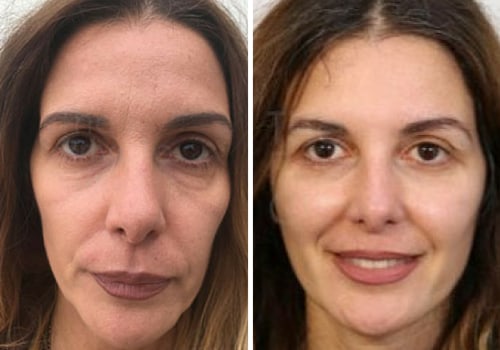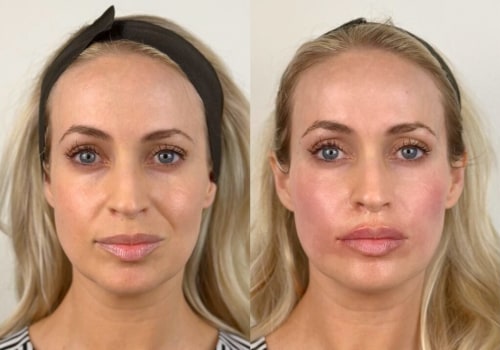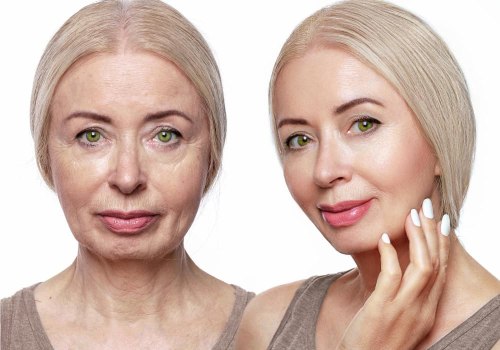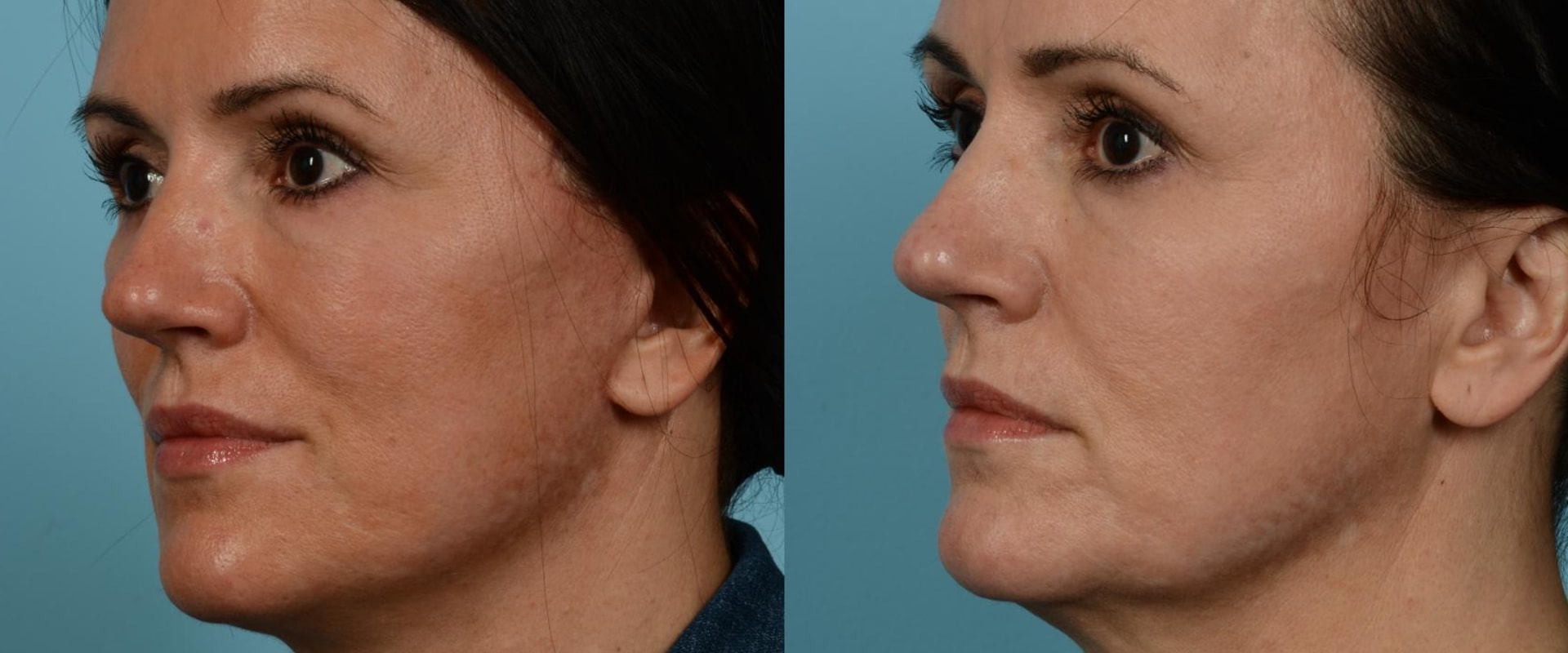
A mini facelift is a popular cosmetic procedure designed to address the early signs of aging, particularly in the lower part of the face. As we age, our skin loses elasticity and volume, leading to sagging skin around the cheeks and jawline. This can create a tired or aged appearance that many individuals wish to correct. Unlike traditional facelifts, which involve more extensive surgical techniques and longer recovery times, a mini facelift offers a less invasive option with quicker results.
It focuses on rejuvenating the facial contours while maintaining a natural look, making it an appealing choice for those seeking subtle enhancements.Understanding what age is appropriate for a mini facelift is crucial for anyone considering this procedure. While there is no one-size-fits-all answer, many patients find themselves contemplating a mini facelift in their 40s to 60s. This timeframe often coincides with noticeable changes in facial structure and skin quality. However, individual factors such as skin condition, lifestyle, and personal expectations play significant roles in determining the right time for surgery.
For instance, someone with good skin elasticity may benefit from a mini facelift earlier than someone whose skin has significantly aged.In addition to age, it’s essential to explore various facelift options available today. Mini facelifts can be performed using different techniques tailored to meet specific needs. Some patients may also consider combining this procedure with other facial rejuvenation treatments, such as eyelid surgery or brow lifts, to achieve a more comprehensive transformation. By understanding the nuances of these options, individuals can make informed decisions that align with their aesthetic goals.Ultimately, the decision to undergo a mini facelift should be based on a thorough consultation with a qualified facial plastic surgeon.
They can provide insights into the best approach for your unique situation and help you navigate the journey towards achieving a refreshed and youthful appearance.
What is a Mini Facelift?
A mini facelift , often referred to as a short scar facelift, is a less invasive surgical procedure designed to rejuvenate the lower part of the face. Unlike traditional facelifts, which typically involve extensive incisions and longer recovery times, a mini facelift focuses on addressing specific areas of concern, such as sagging skin around the cheeks and jawline, while preserving a more natural appearance.The mini facelift procedure generally involves smaller incisions, usually made around the ears, which allows for minimal scarring. During the surgery, the surgeon lifts and tightens the underlying facial muscles and removes excess skin to create a smoother, more youthful contour. This technique not only enhances the facial structure but also helps to restore volume that may have diminished due to aging.One of the primary benefits of a mini facelift is its relatively quick recovery time compared to a full facelift.Patients can often return to their normal activities within a week or two, making it an appealing option for those with busy lifestyles. Additionally, because the incisions are smaller, there is typically less swelling and bruising post-surgery.This procedure is particularly well-suited for individuals in their 40s to 60s who are beginning to notice signs of aging but do not yet require the extensive corrections offered by a full facelift. Ideal candidates often have good skin elasticity and are looking for subtle improvements rather than dramatic changes.In summary, a mini facelift offers a targeted approach to facial rejuvenation with numerous advantages, including shorter recovery times and minimal scarring. It is an excellent option for those seeking to enhance their appearance while maintaining a natural look.
The Aging Process and Its Impact on Facial Appearance
Aging is an inevitable process that affects everyone, and its impact on facial appearance can be profound.As we age, our skin undergoes various changes that can lead to noticeable signs of aging. Understanding these changes is crucial for those considering cosmetic procedures like a mini facelift.One of the primary factors contributing to facial aging is the decline in collagen production. Collagen is a protein that provides structure and elasticity to the skin. In our youth, collagen levels are abundant, resulting in firm, plump skin.
However, as we reach our 30s and 40s, collagen production begins to slow down significantly. This reduction leads to a loss of skin elasticity, making it more prone to sagging and wrinkles.In addition to collagen depletion, the natural aging process also affects the skin's elasticity. Elasticity refers to the skin's ability to stretch and bounce back. With age, the elastin fibers in the skin become less effective, leading to a more lax appearance.
This loss of elasticity is often most visible around the jawline and cheeks, where sagging can create jowls or a less defined facial contour.Common signs of aging that may prompt individuals to consider a mini facelift include:
- Fine lines and wrinkles: These often appear around the eyes, mouth, and forehead as the skin loses moisture and elasticity.
- Loss of volume: The face may appear flatter as fat pads diminish, leading to hollowness in areas like the cheeks.
- Jowls: Sagging skin along the jawline can create an unflattering silhouette.
- Neck laxity: While a mini facelift primarily addresses the lower face, neck sagging can also be a concern for many.
Ideal Age Range for Considering a Mini Facelift
When considering a mini facelift, the ideal age range typically falls between 40 and 70 years. This timeframe is often recommended by experts, as it encompasses the period when many individuals begin to notice significant changes in their facial structure due to aging.However, it is essential to understand that this is not a strict rule; various factors can influence the decision to undergo this procedure.One of the primary considerations is the individual’s unique aging process. Some people may start to experience sagging skin or loss of volume in their mid-30s, while others may not see these changes until their late 50s or early 60s. Therefore, it is crucial to assess your own skin condition and facial structure rather than solely relying on age as a determining factor.For those in their 40s , a mini facelift can be an excellent option for addressing early signs of aging, such as mild jowls or loose skin around the cheeks and jawline. At this stage, many patients still have good skin elasticity, which can lead to more satisfying results.Individuals in their 50s often find that a mini facelift can effectively rejuvenate their appearance without the extensive recovery time associated with more invasive procedures.
This age group typically experiences more pronounced sagging, making them ideal candidates for this less invasive option.By the time individuals reach their 60s , they may consider a mini facelift as part of a broader strategy for facial rejuvenation. Combining this procedure with other treatments, such as eyelid surgery or brow lifts, can enhance overall results and provide a more youthful appearance.Ultimately, the decision to undergo a mini facelift should be based on personal health, skin condition, and aesthetic goals rather than age alone. Consulting with a qualified facial plastic surgeon can provide valuable insights tailored to your specific needs. They will evaluate your facial structure, skin quality, and overall health to recommend the most suitable timing for your procedure.In summary, while there is a general guideline suggesting that ages 40 to 70 are ideal for considering a mini facelift, individual variations play a significant role in determining the right time for surgery.
Understanding your unique circumstances will help you make an informed decision about when to pursue this rejuvenating treatment.
Factors Influencing the Decision to Undergo a Mini Facelift
Deciding to undergo a mini facelift is a significant choice that involves various factors beyond just age. Understanding these elements can help individuals make informed decisions that align with their personal goals and health status.Health Considerations
One of the primary factors influencing the decision to have a mini facelift is an individual’s overall health. Candidates should ideally be in good health, as this can significantly affect both the surgery's outcome and recovery process. Conditions such as diabetes, heart disease, or autoimmune disorders may complicate surgery and healing.Therefore, it is crucial to consult with a qualified surgeon who can assess your medical history and current health status before proceeding.
Skin Condition
The quality of your skin plays a vital role in determining whether a mini facelift is appropriate for you. Individuals with elastic, well-hydrated skin often experience better results from the procedure. Conversely, those with sun-damaged or severely aged skin may not achieve the desired outcomes. A thorough evaluation of your skin's texture, elasticity, and overall health will help guide the decision-making process.Lifestyle Choices
Your lifestyle choices can also impact both the timing and effectiveness of a mini facelift.Factors such as smoking, alcohol consumption, and sun exposure can accelerate the aging process and diminish skin quality. For instance, smokers may face increased risks during surgery and longer recovery times. Adopting healthier habits prior to surgery can enhance your skin's condition and improve surgical outcomes.
Personal Expectations
Understanding your personal expectations is crucial when considering a mini facelift. It’s essential to have realistic goals about what the procedure can achieve.While a mini facelift can rejuvenate your appearance by tightening sagging skin around the jawline and cheeks, it may not address all signs of aging, such as deep wrinkles or volume loss in other areas of the face. Discussing your expectations with a qualified surgeon will help ensure that you are on the same page regarding potential results.In summary, several factors influence the decision to undergo a mini facelift, including health considerations, skin condition, lifestyle choices, and personal expectations. By carefully evaluating these aspects, individuals can make informed decisions that lead to satisfying outcomes.
Consultation with a Facial Plastic Surgeon
Before embarking on the journey of a mini facelift, it is crucial to consult with a qualified facial plastic surgeon. This initial meeting serves as an opportunity to discuss your aesthetic goals, understand the procedure, and evaluate your suitability for surgery.A well-informed decision can significantly enhance your satisfaction with the results.During the consultation, you can expect a comprehensive assessment of your facial structure, skin condition, and overall health. The surgeon will likely ask about your medical history, including any previous surgeries or health issues that could impact the procedure. This thorough evaluation helps in tailoring the approach to meet your specific needs.
What to Expect from Your Facelift Consultation
Typically, the consultation will include:- Discussion of Goals: Clearly articulate what you hope to achieve with a mini facelift. Whether it’s reducing sagging skin or enhancing facial contours, sharing your expectations is vital.
- Visual Aids: Many surgeons use computer imaging technology to show potential outcomes based on your unique facial features.
This can help set realistic expectations.
- Procedure Overview: The surgeon will explain the mini facelift process, including techniques used, anaesthesia options, and recovery time.
- Risks and Complications: Understanding potential risks is essential. Your surgeon should provide information on common complications and how they are managed.
- Post-Operative Care: Discuss what to expect after surgery, including recovery timelines and follow-up appointments.
Key Questions to Ask Your Surgeon
To ensure you are making an informed choice, consider asking the following questions during your consultation:- What is your experience with mini facelifts? Inquire about their qualifications and how many procedures they have performed.
- Can I see before-and-after photos of previous patients? This can give you insight into their work and help you gauge what results may be achievable.
- What techniques do you recommend for my specific concerns? Understanding why a particular method is suggested can clarify its benefits for your situation.
- What are the expected recovery times? Knowing how long it will take to return to normal activities is crucial for planning.
- What are the costs involved? Ensure you understand all financial aspects, including potential additional costs for follow-up care.
Recovery Process After a Mini Facelift
Recovering from a mini facelift is a crucial phase that significantly impacts the overall results of the procedure. Understanding the recovery timeline and adhering to post-operative care guidelines can enhance healing and ensure optimal outcomes.Expected Downtime
Typically, patients can expect a downtime of about one to two weeks following a mini facelift.
During this period, it is common to experience swelling, bruising, and some discomfort. Most individuals can return to their normal activities within 10 to 14 days, but it is advisable to avoid strenuous exercise and heavy lifting for at least three weeks.
Post-Surgery Care for Facelift
Proper care after surgery is essential for a smooth recovery. Here are some key tips:
- Follow Your Surgeon’s Instructions: Adhere strictly to the post-operative guidelines provided by your surgeon, including medication schedules and follow-up appointments.
- Keep Your Head Elevated: Sleeping with your head elevated can help reduce swelling. Use extra pillows or a wedge pillow for support.
- Apply Cold Compresses: To alleviate swelling and discomfort, apply cold compresses to the affected areas during the first few days post-surgery.
- Avoid Sun Exposure: Protect your skin from sun exposure by wearing a wide-brimmed hat or using sunscreen once your surgeon approves it.
- Stay Hydrated and Nourished: Drink plenty of water and consume a balanced diet rich in vitamins and minerals to support healing.
Recovery Tips After Facelift
In addition to following your surgeon's advice, consider these recovery tips:
- Limit Social Interactions: To allow your body to heal without added stress, limit social engagements during the initial recovery phase.
- Monitor Symptoms: Keep an eye on any unusual symptoms such as excessive bleeding or signs of infection.
Contact your surgeon immediately if you have concerns.
- Be Patient: Understand that while initial swelling may subside within weeks, complete healing can take several months. Be patient as your final results will gradually become apparent.
Combining Mini Facelift with Other Procedures
Combining a mini facelift with other cosmetic procedures can significantly enhance the overall results, providing a more comprehensive rejuvenation of the face. Many patients opt for this approach to address multiple areas of concern simultaneously, leading to a more harmonious and youthful appearance.Mini Facelift with Eyelid Surgery
One of the most popular combinations is a mini facelift paired with eyelid surgery, also known as blepharoplasty.As we age, the skin around the eyes can become saggy and puffy, which may detract from an otherwise youthful facial structure. By addressing both the lower face and the eyes in one surgical session, patients can achieve a refreshed look that enhances their natural features.
- Improved Aesthetics: The combination of these procedures can create a more balanced facial profile, as both the jawline and eyelids are rejuvenated.
- Reduced Downtime: Undergoing multiple procedures at once can minimize recovery time compared to having them done separately.
- Cost-Effectiveness: Patients may save on surgical fees and anaesthesia costs by combining surgeries.
Other Facial Procedures
In addition to eyelid surgery, a mini facelift can be effectively combined with other treatments such as brow lifts or dermal fillers. A brow lift addresses sagging brows that can create a tired or angry appearance, while dermal fillers can restore volume to areas that have lost elasticity over time.- Brow Lifts: This procedure elevates the brow line, complementing the mini facelift by providing a more open and youthful eye area.
- Dermal Fillers: These can be used to enhance cheek volume or fill in nasolabial folds, further enhancing the results of a facelift.
Benefits of Combining Surgeries
The decision to combine surgeries should be made in consultation with a qualified plastic surgeon who can assess individual needs and expectations. Some benefits of combining procedures include:- Comprehensive Results: Addressing multiple areas at once leads to a more cohesive transformation.
- Enhanced Recovery: Patients often find that recovery is smoother when multiple concerns are addressed simultaneously.
- Psychological Boost: Many individuals report increased confidence and satisfaction with their appearance after undergoing combined procedures.
It is essential to discuss all options with your surgeon to determine the best approach tailored to your unique facial structure and aesthetic goals.
Common Myths About Mini Facelifts
When considering a mini facelift, it’s essential to separate fact from fiction. Many potential patients are influenced by myths that can cloud their judgment and lead to misconceptions about the procedure. Here, we debunk some of the most common myths surrounding mini facelifts to provide clarity and help you make an informed decision.- Myth 1: Mini Facelifts Are Only for Older Patients
While it’s true that many individuals seeking mini facelifts are in their 40s to 60s, age is not the sole determining factor. Younger patients who begin to notice early signs of aging, such as sagging skin around the jawline or cheeks, may also benefit from this procedure.The key is to assess your individual skin condition and aesthetic goals rather than strictly adhering to age guidelines.
- Myth 2: Mini Facelifts Provide Permanent Results
Another common misconception is that the results of a mini facelift are permanent. In reality, while a mini facelift can significantly rejuvenate your appearance, it does not stop the natural aging process. Typically, results can last anywhere from three to five years, depending on various factors such as skin type, lifestyle, and overall health. - Myth 3: The Procedure Is Extremely Painful
Many people fear that undergoing a mini facelift will be a painful experience. However, most patients report only mild discomfort during recovery.Surgeons often use local anaesthesia combined with sedation, which helps manage pain effectively. Post-operative pain can usually be controlled with prescribed medications.
- Myth 4: Mini Facelifts Require Extensive Downtime
Contrary to popular belief, mini facelifts typically involve less downtime compared to traditional facelifts. Most patients can return to their normal activities within a week or two, depending on their individual healing process. This makes mini facelifts an appealing option for those with busy lifestyles. - Myth 5: All Facelift Procedures Are the Same
It’s important to understand that not all facelift procedures are created equal.A mini facelift specifically targets the lower face and jawline, while other types of facelifts may address more extensive areas of the face and neck. Consulting with a qualified surgeon can help clarify which procedure is best suited for your needs.
Conclusion: Making an Informed Decision About Your Mini Facelift Journey
As we conclude our exploration of the mini facelift and the ideal age for considering this transformative procedure, it is essential to reflect on the various factors that influence your decision. While the general consensus suggests that individuals between the ages of 40 and 70 are prime candidates, personal circumstances play a crucial role in determining the right time for you.Throughout this article, we have highlighted several key considerations:- Aging Process: Each person's aging journey is unique.
Factors such as genetics, lifestyle, and skin condition can significantly impact when you might start noticing signs of aging that could benefit from a mini facelift.
- Health Status: Being in good health is paramount. A thorough consultation with a qualified facial plastic surgeon can help assess your overall health and suitability for surgery.
- Expectations: Understanding what a mini facelift can achieve is vital. This procedure is designed to rejuvenate the lower face, but it may not address all concerns. Setting realistic expectations will lead to greater satisfaction with the results.
- Recovery Time: The recovery period associated with a mini facelift is generally shorter than that of more extensive procedures.
However, it still requires time and care. Consider your personal and professional commitments when planning for recovery.
- Combination Procedures: Many patients find that combining a mini facelift with other treatments, such as eyelid surgery or brow lifts, can enhance their overall appearance. Discussing these options with your surgeon can provide a more comprehensive approach to facial rejuvenation.
Remember, this journey is about enhancing your natural beauty and boosting your confidence, so take the time to make an informed choice that aligns with your goals.In summary, while age can serve as a guideline for considering a mini facelift, it is not the sole determinant. Your unique situation, health status, and aesthetic desires should guide your decision-making process. Embrace this opportunity to invest in yourself and explore how a mini facelift could help you achieve a refreshed and youthful appearance.