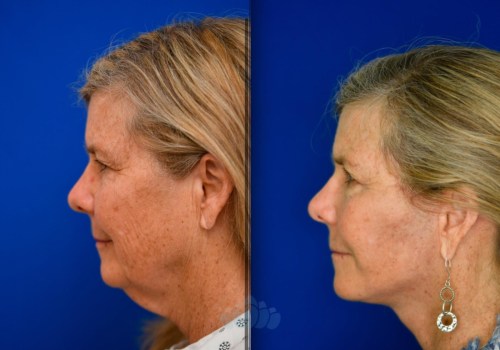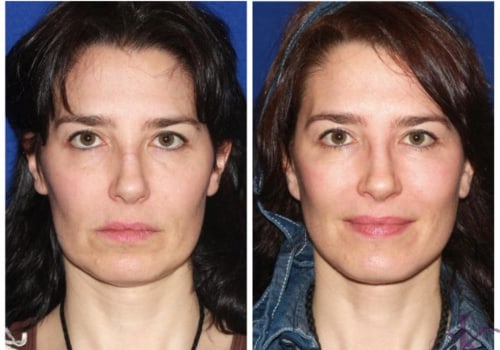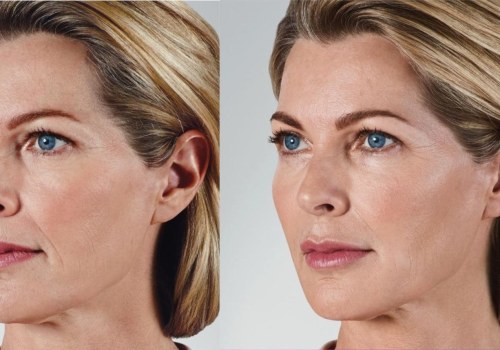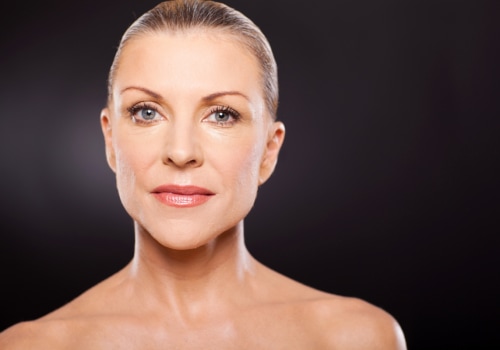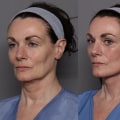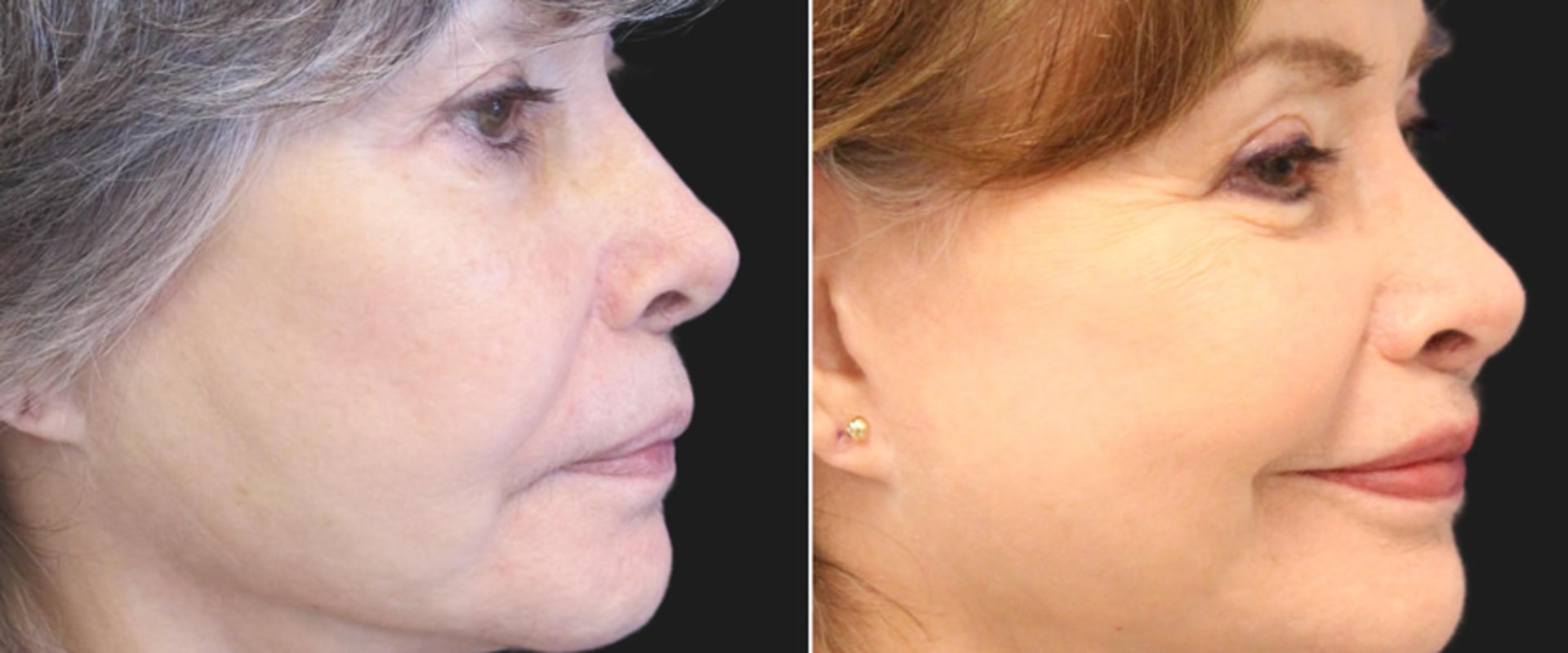
As we age, the natural process of skin elasticity loss and the formation of wrinkles can lead many individuals to consider cosmetic procedures, particularly a facelift. This surgical intervention aims to rejuvenate the face by tightening sagging skin and smoothing out fine lines, ultimately restoring a more youthful appearance. However, a common concern arises: is there an appropriate age for undergoing such a procedure? Specifically, is 70 too old for a facelift?The decision to pursue a facelift is not solely dictated by age; rather, it encompasses a variety of factors including overall health, skin condition, and personal motivations. Many people in their 70s are active and vibrant, often seeking ways to enhance their appearance to reflect their inner vitality.
The notion that cosmetic surgery is exclusively for the younger demographic is rapidly changing, as more individuals over 60 are opting for facial rejuvenation treatments. This shift highlights the importance of understanding that age should not be the only determinant in deciding whether to undergo a facelift.Moreover, advancements in surgical techniques have made facelifts safer and more effective for older patients. Procedures such as the deep plane facelift or natural lift are designed to provide subtle yet significant improvements without compromising facial movement or expression. These methods focus on achieving natural-looking results that align with the patient’s unique facial structure and aesthetic goals.
Therefore, if you are considering a facelift at 70 or beyond, it is essential to consult with a qualified plastic surgeon who can assess your individual circumstances and guide you through the options available.In conclusion, while age can influence the decision-making process regarding cosmetic surgery, it should not be viewed as a strict barrier. Instead, it is crucial to evaluate personal health and aesthetic desires when contemplating a facelift. With the right information and professional guidance, individuals in their 70s can confidently explore the possibilities of facial rejuvenation.
What is a Facelift?
A facelift, medically known as rhytidectomy, is a surgical procedure designed to improve the visible signs of aging in the face and neck. As we age, our skin loses elasticity, leading to sagging, wrinkles, and a less defined jawline.A facelift aims to restore a more youthful appearance by tightening the underlying muscles and removing excess skin.The procedure typically involves making incisions around the ears and hairline, allowing the surgeon to lift and reposition the skin. This not only smooths out wrinkles but also enhances facial contours, resulting in a more rejuvenated look.
Types of Facelifts
There are several types of facelifts, each tailored to address specific concerns:- Traditional Facelift: This is the most common type, involving extensive lifting of the skin and underlying tissues. It is ideal for individuals with significant sagging.
- Mini Facelift: A less invasive option that targets mild to moderate sagging. The incisions are smaller, resulting in shorter recovery times.
- Deep Plane Facelift: This technique lifts deeper layers of facial tissue, providing more dramatic results while maintaining natural movement.
- Mid-Facelift: Focused on the middle section of the face, this procedure lifts the cheeks and smooths nasolabial folds.
- Neck Lift: Often performed alongside a facelift, this procedure addresses sagging skin and fat deposits in the neck area.
During a consultation, your surgeon will assess your individual needs and recommend the most suitable option based on your facial structure and desired outcomes.Understanding what a facelift entails is crucial for anyone considering this transformative procedure. It is essential to have realistic expectations and to discuss all concerns with a qualified plastic surgeon who can guide you through the process.
Age and Its Impact on Facelift Surgery
When considering a facelift, age is often a significant factor that potential patients contemplate. Many individuals over the age of 70 may question whether they are suitable candidates for this type of cosmetic surgery. It is essential to understand that while age can influence certain aspects of the procedure, it is not the sole determinant of safety or effectiveness.One common misconception is that older patients are automatically at a higher risk during surgery.However, research indicates that the safety of facelift procedures largely depends on the individual’s overall health rather than their chronological age. Factors such as pre-existing medical conditions, lifestyle choices, and the presence of supportive caregivers play a crucial role in determining surgical outcomes.For older patients, particularly those over 70, it is vital to undergo a thorough pre-operative assessment. This evaluation typically includes a review of medical history, physical examinations, and possibly additional tests to ensure that the patient can withstand the stresses of surgery. Many surgeons have reported that older patients often experience satisfactory results and recovery times comparable to younger individuals.Moreover, advancements in surgical techniques have made facelift procedures safer and more effective for older adults.
Techniques such as the deep plane facelift or natural lift focus on achieving subtle yet significant rejuvenation without compromising facial movement or expression. These methods are designed to provide natural-looking results while minimising recovery time.It is also worth noting that many older adults seek facelift surgery as a means of enhancing their self-esteem and quality of life. After years of raising families or focusing on careers, many find themselves in a position where they can invest in their appearance. This newfound opportunity often leads to increased confidence and a more positive outlook on life.In conclusion, while age can impact certain aspects of facelift surgery, it should not deter individuals over 70 from considering this transformative procedure.
With proper medical evaluation and modern surgical techniques, many older patients can achieve their desired aesthetic goals safely and effectively.
Health Considerations for Older Patients
When considering a facelift at the age of 70 or older, it is crucial to take into account various health factors that can significantly impact both the safety and effectiveness of the procedure. As we age, our bodies undergo numerous changes that can affect surgical outcomes, making a thorough medical evaluation essential.Health Risks Associated with Facelifts in Older Patients
Older patients may face unique health risks when undergoing cosmetic surgery. Common concerns include:
- Cardiovascular Health: Conditions such as hypertension or heart disease can complicate surgery and recovery. It is vital to have a comprehensive assessment of heart health prior to any surgical intervention.
- Respiratory Issues: Chronic respiratory conditions may increase the risk of complications during anaesthesia.
Patients should disclose any history of lung problems to their surgeon.
- Diabetes: This condition can impair healing and increase the risk of infection. Proper management of blood sugar levels is essential before and after surgery.
- Skin Elasticity: The quality of skin can affect the results of a facelift. Older skin may not respond as well to surgical techniques, which could lead to less satisfactory outcomes.
The Importance of Medical Evaluations
A thorough medical evaluation is a critical step for anyone considering a facelift, especially for those over 70. This evaluation typically includes:
- Medical History Review: Surgeons will assess your complete medical history, including any chronic conditions, medications, and previous surgeries.
- Physical Examination: A physical exam will help determine your overall health and suitability for surgery.
This may include blood tests and imaging studies if necessary.
- Anesthesia Assessment: An anaesthetist will evaluate your suitability for anaesthesia based on your health status and any potential risks.
Pre-Surgery Health Checks
Before undergoing a facelift, older patients should ensure they are in optimal health. This may involve:
- Lifestyle Adjustments: Quitting smoking and reducing alcohol consumption can enhance healing and reduce complications.
- Nutritional Support: A balanced diet rich in vitamins and minerals can promote better recovery outcomes.
- Regular Exercise: Maintaining physical activity can improve circulation and overall well-being, which is beneficial for recovery.
Consultation Process: What to Expect
When considering a facelift, the consultation process is a crucial first step that sets the stage for your surgical journey. This initial meeting with your surgeon is not just a formality; it is an opportunity for you to gather essential information and assess whether the procedure aligns with your goals.During your consultation, you can expect a comprehensive discussion about your medical history, current health status, and aesthetic aspirations.Your surgeon will likely ask about:
- Your reasons for wanting a facelift
- Any previous surgeries or medical conditions
- Your lifestyle habits, including smoking and sun exposure
- Medications or supplements you are currently taking
What to Expect During the Consultation
The consultation typically begins with a thorough examination of your facial structure and skin condition. Your surgeon may take photographs for your medical records and to help plan the surgery. They will explain the different types of facelifts available, such as traditional facelifts, mini facelifts, or non-surgical options, and discuss which might be best suited for you.Additionally, you should expect to receive detailed information about:- The surgical procedure itself
- Potential risks and complications
- The recovery process and timeline
- Costs involved and financing options
Questions to Ask Your Surgeon
To ensure you are fully informed, prepare a list of questions to ask during your consultation.Here are some important queries to consider:
- What is your experience with facelift surgeries?
- Can I see before-and-after photos of previous patients?
- What type of anaesthesia will be used?
- What is the expected recovery time?
- How will you manage any potential complications?
- What results can I realistically expect?
Types of Facelift Procedures Suitable for Older Adults
When considering a facelift, older adults have several options tailored to their unique needs and concerns. Each type of facelift procedure offers distinct benefits and drawbacks, making it essential to understand these differences to make an informed decision.Traditional Facelift
The traditional facelift, or rhytidectomy, is one of the most common procedures for older adults. This method involves making incisions around the hairline and extending down in front of the ear.The surgeon then lifts and tightens the underlying muscles and tissues, removing excess skin to create a smoother appearance.
- Benefits: This technique can significantly reduce sagging skin and deep wrinkles, providing a more youthful contour.
- Drawbacks: Recovery can be lengthy, and there may be visible scarring along the incision lines.
Deep Plane Facelift
The deep plane facelift is a more advanced technique that addresses not only the skin but also the deeper layers of facial tissue. By lifting the underlying structures, this method provides a more natural and long-lasting result.- Benefits: It allows for greater repositioning of facial fat and muscle, leading to a rejuvenated appearance without the tightness often associated with traditional facelifts.
- Drawbacks: This procedure is more complex and may require a longer recovery time compared to simpler techniques.
Mini Facelift
A mini facelift is a less invasive option that targets specific areas of the face, such as the jawline and neck. It involves smaller incisions and is ideal for those with mild to moderate sagging.- Benefits: The recovery time is shorter, and the results can still be quite effective for those not needing extensive work.
- Drawbacks: Results may not be as dramatic or long-lasting as those from a full facelift.
Natural Lift Techniques
Natural lift techniques focus on achieving subtle enhancements that maintain facial movement and expression. These methods often involve less invasive procedures such as thread lifts or fat grafting.- Benefits: They provide a more organic look, reducing the risk of an overdone appearance while still addressing signs of aging.
- Drawbacks: Results may not be as pronounced or long-lasting as surgical options.
Consulting with a qualified plastic surgeon can help determine which option is best suited for achieving desired results while considering age-related factors.
Recovery Process After a Facelift
Recovering from a facelift is a crucial phase that can significantly influence the overall results of the procedure, especially for older patients. Understanding what to expect during this time can help ease anxiety and promote a smoother healing process.Typically, the initial recovery period lasts about two weeks, but full recovery may take several months. During the first few days post-surgery, it is common to experience swelling, bruising, and some discomfort. These symptoms are part of the body’s natural healing process.Here are some key aspects of the recovery process:
Post-Surgery Care
- Follow Medical Advice: Adhering to your surgeon's post-operative instructions is vital. This includes taking prescribed medications, attending follow-up appointments, and avoiding strenuous activities.
- Rest and Relaxation: Ensure you get plenty of rest. Your body needs energy to heal, so prioritising sleep and relaxation can aid recovery.
- Wound Care: Keep the surgical area clean and dry. Your surgeon will provide specific instructions on how to care for your incisions to prevent infection.
Recovery Tips for Older Patients
- Stay Hydrated: Drinking plenty of water helps maintain skin elasticity and supports overall health during recovery.
- Nourish Your Body: A balanced diet rich in vitamins and minerals can enhance healing.
Foods high in protein, vitamin C, and zinc are particularly beneficial.
- Avoid Smoking and Alcohol: Both substances can impede healing and increase the risk of complications. It’s advisable to refrain from these during your recovery period.
- Gentle Movement: While rest is essential, light walking can improve circulation and reduce the risk of blood clots. Always consult your doctor before resuming any physical activity.
Real-Life Experiences: Testimonials from Older Patients
Hearing from those who have walked the path of a facelift can be incredibly reassuring, especially for older patients contemplating the procedure.Here are some real-life testimonials from individuals over 70 who have experienced the transformative effects of a facelift.
Mary, 72: A New Lease on Life
Mary, a retired teacher, decided to undergo a facelift after noticing significant sagging in her cheeks and neck. "I felt like I was looking older than I felt inside," she shares. After her surgery, Mary reported not only a rejuvenated appearance but also a boost in her self-esteem. "I can’t believe how much younger I look! It’s like I’ve been given a new lease on life.I feel more confident attending social events and even dating again!"
John, 75: Embracing Change
For John, a widower and avid golfer, the decision to have a facelift was about more than just aesthetics; it was about embracing change. "After losing my wife, I wanted to make some changes in my life, starting with my appearance," he explains. Post-surgery, John felt revitalised. "I didn’t expect such a dramatic change.My friends say I look ten years younger! It’s amazing how much a facelift can impact your outlook on life."
Susan, 70: Overcoming Doubts
Susan had reservations about undergoing surgery at her age but decided to go ahead after extensive research and consultations with her surgeon. "I was nervous about the recovery process and whether it would be worth it," she admits. However, after her facelift, she found the results exceeded her expectations. "The recovery was manageable, and now I feel like I can face the world with confidence again!"David, 73: A Natural Look
David was particularly concerned about looking unnatural after surgery.He opted for a deep plane facelift to ensure subtle results. "I wanted to look like myself but just a bit younger," he says. His surgeon delivered exactly that. "People tell me I look refreshed rather than ‘done’.
It’s wonderful to hear compliments without anyone guessing that I had work done!"These testimonials highlight that age should not be a barrier to pursuing cosmetic procedures like facelifts. Each individual’s experience is unique, but common themes of increased confidence and satisfaction emerge from their stories. If you’re considering a facelift at 70 or beyond, these real-life accounts may provide the encouragement you need to take the next step towards rejuvenation.
Frequently Asked Questions About Facelifts and Age
As individuals consider the possibility of undergoing a facelift, many questions arise, particularly regarding age and its implications on the procedure. Below are some frequently asked questions that can help clarify common concerns.- Is there an age limit for getting a facelift?
While there is no strict age limit for a facelift, most surgeons agree that patients in their 60s and 70s can safely undergo the procedure, provided they are in good health.The decision should be based on individual health assessments rather than age alone.
- What factors influence the safety of a facelift for older patients?
Several factors play a crucial role in determining the safety of a facelift for older individuals, including:- Overall health status
- Presence of chronic conditions (e.g., heart disease, diabetes)
- Medications being taken
- Skin elasticity and condition
- Will the results of a facelift look natural on older skin?
Yes, when performed by an experienced surgeon, a facelift can yield natural-looking results even on older skin. Techniques such as the deep plane facelift or natural lift are designed to enhance facial features while maintaining movement and expression. - How long is the recovery period for older patients?
Recovery times can vary based on individual health and the extent of the surgery. Generally, older patients may require a bit more time to heal, but most can expect to return to normal activities within two to four weeks. Following post-operative care instructions is essential for optimal recovery. - Are there alternative options for facial rejuvenation?
Yes, there are several non-surgical alternatives available for those who may not be ready for a facelift.Options include:
- Injectables (e.g., Botox, dermal fillers)
- Laser treatments
- Chemical peels
- Ultrasound therapy
Conclusion: Making an Informed Decision About Facelifts at 70+
In conclusion, the decision to undergo a facelift at the age of 70 or beyond is a deeply personal one that should be approached with careful consideration and professional guidance. Age should not be viewed as a barrier to enhancing one’s appearance; rather, it should be seen as an opportunity to embrace change and rejuvenation. Many individuals in their seventies are in excellent health and possess the desire to feel more confident in their skin.It is essential to understand that the success of a facelift is influenced by various factors beyond just age. These include:- Overall Health: A thorough medical evaluation can help determine if you are a suitable candidate for surgery.
Conditions such as heart disease or diabetes may require additional precautions.
- Skin Condition: The elasticity and quality of your skin play a significant role in the outcome of the procedure. Consulting with a qualified surgeon can provide insights into how your skin may respond to surgery.
- Realistic Expectations: Understanding what a facelift can achieve is crucial. While it can significantly improve your appearance, it is important to have realistic expectations about the results.
- Surgeon’s Expertise: Choosing a board-certified plastic surgeon with experience in performing facelifts on older patients can greatly influence the safety and effectiveness of the procedure.
They will help you weigh the benefits against any potential risks, ensuring that you make an informed decision that aligns with your personal goals and health status. Remember, age is just a number, and with the right support, you can achieve the youthful look you desire.