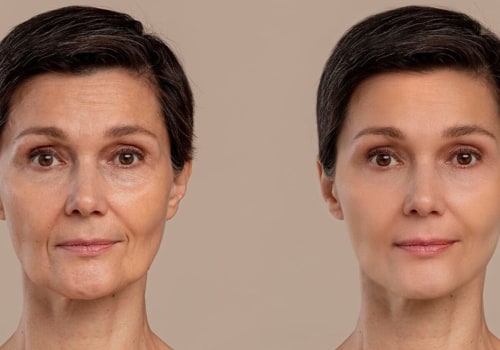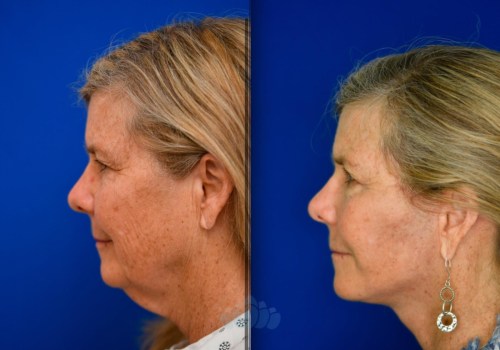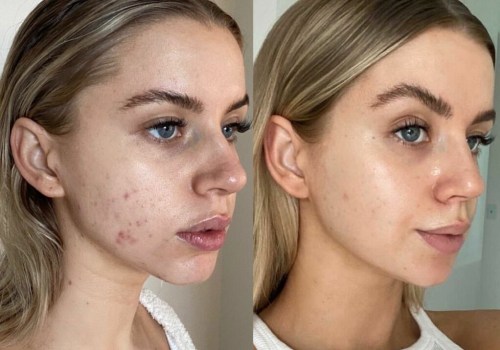
Dermal fillers have become a popular choice for individuals seeking to enhance their facial aesthetics without undergoing invasive surgical procedures. These fillers are primarily composed of hyaluronic acidhyaluronic acid (HA), a naturally occurring substance in the body that plays a crucial role in maintaining skin hydration and volume. When injected into specific areas of the face, dermal fillers can effectively restore lost volume, smooth out wrinkles, and enhance facial contours, providing a more youthful appearance.Understanding how dermal fillers work is essential for anyone considering this treatment. Once injected, the hyaluronic acid molecules attract and bind water, creating a plumping effect that fills in fine lines and adds volume to areas such as the cheeks, lips, and nasolabial folds.
The results are typically immediate, allowing individuals to see a noticeable difference right after the procedure. However, the longevity of these results can vary significantly based on several factors, including the individual's metabolism.The metabolism of dermal fillers is a critical aspect that influences how long the effects last. As with any substance introduced into the body, dermal fillers undergo a natural breakdown process. This metabolic activity is influenced by various factors such as age, lifestyle, and overall health.
Individuals with a faster metabolic rate may find that their fillers diminish more quickly than those with slower metabolisms. Understanding this relationship between metabolism and filler longevity is vital for managing expectations and planning future treatments.In summary, while dermal fillers offer an effective solution for enhancing facial aesthetics, their effectiveness is closely tied to how our bodies metabolize these substances. By grasping the fundamentals of dermal fillers and their interaction with our metabolism, individuals can make informed decisions about their cosmetic treatments and explore ways to potentially extend the duration of their results.
The Role of Metabolism in Filler Breakdown
Understanding the relationship between metabolism and the longevity of dermal fillers is crucial for anyone considering these cosmetic enhancements. Metabolism refers to the biochemical processes that occur within our bodies to maintain life, including the breakdown of substances like hyaluronic acid, which is a primary component of many dermal fillers.The rate at which fillers are metabolised can vary significantly from person to person, influenced by several factors:- Metabolic Rate: Individuals with a naturally high metabolic rate tend to break down fillers more quickly.
This means that those who are more active or have a faster metabolism may find that their fillers do not last as long as they do for others.
- Age: As we age, our metabolism generally slows down. This can lead to a longer duration of filler effects in older individuals compared to younger ones, who may experience quicker breakdown due to their higher activity levels.
- Lifestyle Choices: Regular exercise and a balanced diet can enhance metabolic function. Engaging in physical activities increases blood circulation and can promote faster cellular turnover, which may lead to quicker filler absorption. Conversely, a sedentary lifestyle may slow down metabolism and prolong the effects of fillers.
- Hydration Levels: Staying well-hydrated is essential for maintaining skin elasticity and overall health.
Proper hydration can support the effectiveness of fillers, as hyaluronic acid attracts water molecules, enhancing volume and longevity.
- Skin Type and Condition: The condition of your skin can also play a role in how long fillers last. Well-nourished and healthy skin may retain fillers better than dry or damaged skin.
By considering lifestyle choices and understanding personal metabolic rates, individuals can take proactive steps to optimise the duration of their filler treatments.
Factors That Influence Filler Longevity
Understanding the factors that influence the longevity of dermal fillers is crucial for anyone considering facial enhancements. Several elements come into play, from the type of filler used to individual lifestyle choices and the specific injection sites.Type of Filler
The composition of the filler itself significantly affects its duration. Most dermal fillers are made from hyaluronic acid, a naturally occurring substance in the body that retains moisture. However, different brands and formulations can vary in their viscosity and cross-linking technology, which can impact how long they last.For instance, thicker fillers designed for deeper injections tend to last longer than those intended for superficial use.
Injection Site
The location where the filler is injected also plays a vital role in its longevity. Areas that experience more movement, such as the lips and around the mouth, tend to metabolize fillers more quickly due to constant muscle activity. In contrast, fillers placed in less mobile areas, like the cheeks or nasolabial folds, may last longer. Understanding these dynamics can help individuals make informed decisions about where to have fillers applied.Lifestyle Choices
Your daily habits can significantly influence how long your fillers will last.Here are some lifestyle choices that can help prolong the effects of dermal fillers:
- Hydration: Staying well-hydrated helps maintain skin elasticity and can support the filler’s effectiveness.
- Sun Protection: UV exposure can accelerate skin aging and lead to faster breakdown of fillers. Using a high SPF sunscreen is essential.
- Avoiding Smoking: Smoking can impair blood circulation and skin health, leading to quicker filler degradation.
- Healthy Diet: A balanced diet rich in antioxidants can promote skin health and potentially extend filler longevity.
- Regular Exercise: While increased metabolism can lead to faster breakdown of fillers, moderate exercise promotes overall skin health.
Lifestyle Changes to Enhance Filler Longevity
To maximise the longevity of your dermal fillers, making certain lifestyle adjustments can be incredibly beneficial. These changes not only help in slowing down the metabolism of fillers but also contribute to overall skin health and appearance.Dietary Recommendations
- Hydration is Key: Drinking plenty of water is essential for maintaining skin elasticity and hydration.
Aim for at least 2 litres a day to keep your skin plump and healthy.
- Antioxidant-Rich Foods: Incorporate foods high in antioxidants, such as berries, nuts, and leafy greens. These can help combat oxidative stress, which may contribute to faster filler breakdown.
- Avoid Excess Sugar: High sugar intake can lead to glycation, a process that damages collagen and elastin in the skin. Reducing sugar can help maintain the integrity of your fillers.
- Healthy Fats: Include sources of healthy fats like avocados, olive oil, and fatty fish. Omega-3 fatty acids are known to support skin health and may help prolong the effects of fillers.
Exercise Considerations
While regular exercise is vital for overall health, it’s important to consider how it affects filler longevity.
Here are some tips:
- Moderate Intensity Workouts: Engage in moderate exercise rather than high-intensity workouts. Activities like brisk walking, yoga, or swimming can enhance circulation without overly accelerating metabolism.
- Avoid Excessive Heat: High temperatures from saunas or intense workouts can increase blood flow and potentially speed up the breakdown of fillers. Opt for cooler environments when exercising.
- Facial Exercises: Gentle facial exercises can help maintain muscle tone without putting too much strain on the areas where fillers are injected. This can aid in keeping your results looking fresh.
Stress Management
High stress levels can lead to increased cortisol production, which may negatively impact skin health and filler longevity.
Incorporating stress-reducing practices such as meditation, deep breathing exercises, or even regular leisure activities can be beneficial.By adopting these lifestyle changes, you can significantly enhance the longevity of your dermal fillers while promoting healthier skin overall. Remember that consistency is key; small adjustments in your daily routine can lead to lasting results.
Skincare Routines That Support Filler Maintenance
Maintaining the effects of dermal fillers goes beyond the initial injection; it requires a dedicated skincare routine that supports skin health and enhances the longevity of the fillers. A well-structured skincare regimen can significantly contribute to the overall appearance of your skin, ensuring that the results from your face lift procedures remain vibrant and youthful.Here are some essential components to consider when developing a skincare routine that complements your dermal fillers:- Cleansing: Start with a gentle cleanser that effectively removes impurities without stripping the skin of its natural oils. Look for products containing hydrating ingredients like glycerin or hyaluronic acid, which can help maintain moisture levels.
- Exfoliation: Regular exfoliation is crucial for removing dead skin cells and promoting cell turnover.
Opt for chemical exfoliants such as AHAs (alpha hydroxy acids) or BHAs (beta hydroxy acids) rather than harsh physical scrubs, as they are less likely to irritate the skin.
- Moisturising: A high-quality moisturiser is vital for keeping the skin hydrated and plump. Ingredients like ceramides, peptides, and antioxidants can help strengthen the skin barrier and improve elasticity, which is essential for maintaining the effects of fillers.
- Sun Protection: Daily application of a broad-spectrum sunscreen with at least SPF 30 is non-negotiable. UV rays can accelerate skin aging and diminish the results of your fillers. Look for sunscreens that contain physical blockers like zinc oxide or titanium dioxide for optimal protection.
- Targeted Treatments: Incorporate serums or treatments that focus on anti-aging properties.
Products containing retinol or vitamin C can stimulate collagen production and improve skin texture, further enhancing the results of your dermal fillers.
The Impact of Hydration on Filler Metabolism
Hydration plays a crucial role in maintaining overall skin health, and its impact on the longevity of dermal fillers cannot be overstated.When it comes to dermal fillers, which are primarily composed of hyaluronic acid, adequate hydration is essential for optimal results.
Understanding Hyaluronic Acid and Hydration
Hyaluronic acid is a naturally occurring substance in the body that has the remarkable ability to retain moisture. It can hold up to 1000 times its weight in water, making it a powerful hydrating agent. When dermal fillers are injected, they rely on the surrounding moisture to maintain their volume and effectiveness. Therefore, staying well-hydrated can significantly enhance the performance of these fillers.
The Importance of Water Intake
To support skin health and prolong the effects of dermal fillers, it is recommended to consume an adequate amount of water daily.
The general guideline is to aim for at least 2 litres (about 8 glasses) of water per day, although individual needs may vary based on factors such as activity level, climate, and overall health.
- Improved Skin Elasticity: Proper hydration helps maintain skin elasticity, which can enhance the appearance of fillers.
- Enhanced Longevity: Well-hydrated skin can help fillers last longer by preventing premature breakdown.
- Reduced Risk of Dehydration: Dehydrated skin can lead to a dull complexion and may cause fillers to appear less effective.
The Effects of Dehydration on Fillers
Dehydration can have detrimental effects on both skin health and the efficacy of dermal fillers. When the body lacks sufficient water, the skin may become dry and lose its natural glow. This not only affects the aesthetic appeal but also accelerates the metabolism of hyaluronic acid in fillers. As a result, individuals who are dehydrated may find that their fillers do not last as long as expected.Moreover, dehydration can lead to increased inflammation and irritation in the skin, which may further compromise the results of filler treatments.
Therefore, maintaining proper hydration is not just beneficial; it is essential for anyone looking to maximise their investment in dermal fillers.
Tips for Staying Hydrated
- Carry a reusable water bottle to track your intake throughout the day.
- Incorporate hydrating foods into your diet, such as cucumbers, oranges, and watermelon.
- Avoid excessive consumption of caffeinated or alcoholic beverages, as they can contribute to dehydration.
- Set reminders on your phone or use hydration apps to encourage regular water consumption.
Understanding Different Types of Fillers and Their Durability
When considering dermal fillers, it is essential to understand the various types available and how their composition affects their durability and metabolism rates. The most common fillers are based on hyaluronic acid (HA), but there are several other options that cater to different aesthetic needs and longevity expectations.Types of Dermal Fillers
- Hyaluronic Acid Fillers: These are the most popular type of dermal fillers, known for their ability to attract and retain moisture in the skin. Products like Juvederm and Restylane fall into this category.
They typically last between 6 to 18 months, depending on the specific product and injection site.
- Calcium Hydroxylapatite Fillers: Found in products such as Radiesse, these fillers are made from a substance naturally found in bones. They provide more structure and support than HA fillers and can last up to 12 months or longer.
- Poly-L-lactic Acid Fillers: Known by the brand name Sculptra, these fillers stimulate collagen production over time rather than providing immediate volume. Results can last up to 2 years, making them a long-lasting option for those looking for gradual enhancement.
- Fat Grafting: This method involves harvesting fat from another part of the body and injecting it into areas needing volume. While it requires a surgical procedure, the results can be long-lasting, often exceeding 2 years, as the body metabolizes fat differently than synthetic fillers.
Hyaluronic Acid vs Other Fillers
The primary distinction between hyaluronic acid fillers and other types lies in their composition and how they interact with the body.HA fillers are biodegradable and metabolised relatively quickly, which is why they require more frequent touch-ups. In contrast, calcium hydroxylapatite and poly-L-lactic acid fillers tend to have a slower metabolism rate, offering longer-lasting results.This difference in longevity is crucial for individuals who prefer less frequent visits to their aesthetic practitioner. However, it is important to note that while longer-lasting fillers may seem appealing, they also come with a higher risk of complications if not administered correctly.
Longevity of Different Fillers
The longevity of dermal fillers can vary significantly based on several factors:- Injection Site: Areas with more movement, such as lips, tend to metabolise fillers faster than more static areas like cheeks.
- Metabolism Rate: Individuals with a faster metabolism will find that their fillers break down more quickly than those with slower metabolic rates.
- Product Composition: The specific formulation of the filler plays a significant role in how long it lasts; thicker formulations generally provide longer-lasting results.
When to Consider Touch-Ups or Alternative Treatments
Maintaining the desired aesthetic after receiving dermal fillers is crucial for many individuals. Understanding when to seek touch-ups or consider alternative treatments can significantly enhance the longevity of your results and ensure that you continue to look your best.Recognising the Signs for Touch-Ups
As time passes, the effects of dermal fillers may begin to diminish.
Here are some signs that indicate it might be time for a touch-up:
- Loss of Volume: If you notice that areas previously treated with fillers appear less plump or defined, it may be time to schedule a touch-up appointment.
- Uneven Texture: Changes in skin texture or unevenness can signal that the filler has started to break down unevenly, necessitating a visit to your practitioner.
- Facial Expressions: If you find that your facial expressions are not as smooth or youthful as they once were, this could indicate that the filler has worn off.
Alternative Treatments to Consider
If you find that you are requiring frequent touch-ups or if fillers are not providing the desired results, exploring alternative treatments may be beneficial. One popular option is facial fat grafting, which involves transferring fat from another area of your body to the face. This method offers several advantages:
- Longer Lasting Results: Fat grafting typically provides more enduring results compared to traditional fillers, as the body metabolises fat at a slower rate.
- Natural Look and Feel: Since the fat used is your own, it integrates seamlessly with your existing tissue, often resulting in a more natural appearance.
- Dual Benefit: This procedure not only enhances facial volume but also reduces unwanted fat from other areas of your body.
Consultation is Key
Before making any decisions regarding touch-ups or alternative treatments, it is essential to consult with a qualified practitioner. They can assess your individual needs and recommend the best course of action based on your unique facial structure and aesthetic goals.
Regular follow-ups will help ensure that you maintain optimal results and address any concerns promptly.In conclusion, being proactive about maintaining your filler results through timely touch-ups or considering alternatives like fat grafting can significantly enhance your overall appearance and satisfaction with cosmetic treatments.
FAQs About Dermal Fillers and Their Metabolism
Understanding dermal fillers and their metabolism can be complex, leading to numerous questions and misconceptions. Here, we address some of the most frequently asked questions to provide clarity and insight.What are dermal fillers made of?
Dermal fillers primarily consist of hyaluronic acid , a naturally occurring substance in the body that helps retain moisture and adds volume to the skin. Other materials may include calcium hydroxylapatite, poly-L-lactic acid, and polymethyl methacrylate, each with unique properties and uses.How long do dermal fillers last?
The longevity of dermal fillers varies based on several factors, including the type of filler used, the injection site, and individual metabolic rates. Generally, hyaluronic acid fillers can last from six months to two years.However, those with a faster metabolism may find that their fillers dissipate more quickly.
Can I speed up the metabolism of fillers?
While you cannot directly control how your body metabolizes fillers, maintaining a healthy lifestyle can influence the process. Regular exercise, a balanced diet rich in antioxidants, and proper hydration can support skin health and potentially prolong the effects of fillers.Are there any myths about dermal fillers?
- Myth: Fillers are permanent.
- Fact: Most dermal fillers are temporary and will gradually be absorbed by the body over time.
- Myth: Fillers can cause weight gain.
- Fact: Fillers do not contribute to weight gain as they are not fat; they are substances injected into specific areas for volume enhancement.
- Myth: All fillers are the same.
- Fact: Different types of fillers serve various purposes and have different compositions, affecting their longevity and results.
What should I do if I’m unhappy with my filler results?
If you are dissatisfied with your filler results, it is essential to consult your practitioner. They may recommend hyaluronidase , an enzyme that can dissolve hyaluronic acid fillers if necessary. Always discuss your concerns with a qualified professional who can provide tailored advice based on your situation.By addressing these common questions and myths surrounding dermal fillers, individuals can make informed decisions about their aesthetic treatments and better understand how to manage their results effectively.Conclusion: Maximising Your Filler Experience
In conclusion, understanding how to metabolize fillers faster is crucial for anyone considering or currently using dermal fillers, particularly in the context of achieving a youthful appearance through a face lift.Throughout this article, we have explored various factors that influence the longevity of dermal fillers, with metabolism being a key player.It is essential to recognize that dermal fillers, primarily composed of hyaluronic acid, are not permanent solutions. Their effectiveness diminishes over time as our bodies naturally break down these substances. This breakdown can be accelerated by several factors, including metabolic rate, lifestyle choices, and even the specific areas where fillers are injected.To maximize your filler experience and prolong the results of your treatments, consider the following:
- Maintain a Healthy Lifestyle: Regular exercise and a balanced diet can enhance your metabolic rate, which may lead to quicker breakdown of fillers. However, this can also mean that you need to schedule follow-up appointments more frequently.
- Skincare Routine: Implementing a consistent skincare regimen that includes hydration and sun protection can help maintain skin health and complement the effects of fillers.
- Consultation with Professionals: Regular check-ins with your facial plastic surgeon can ensure that you receive tailored advice and adjustments to your filler treatments as needed.
- Consider Alternative Options: If you find that traditional fillers do not last as long as desired, exploring options like facial fat grafting may provide longer-lasting results.
By taking these steps, you can enjoy the benefits of dermal fillers while minimizing the frequency of necessary touch-ups, ensuring that your face lift results remain vibrant and youthful for as long as possible.