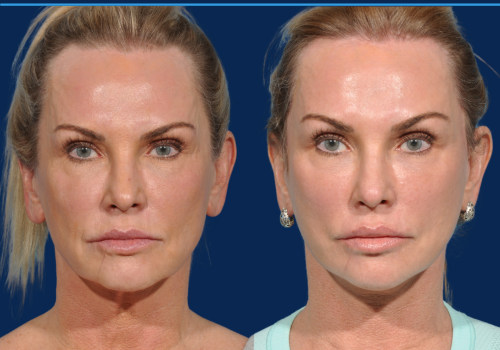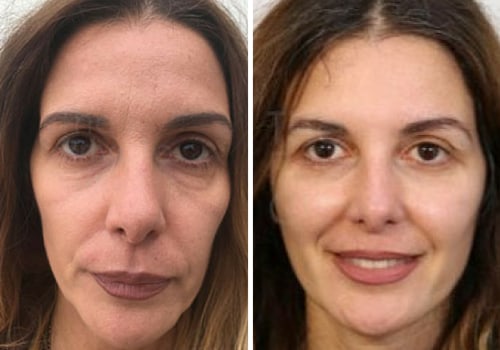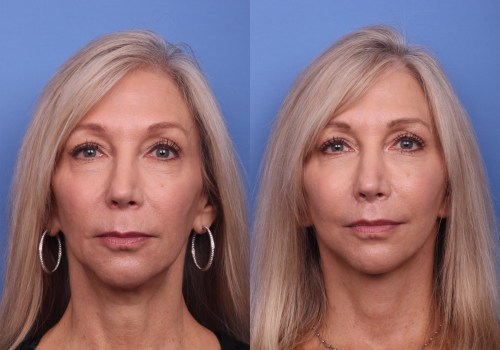
Undergoing a facelift is a significant decision that many individuals make in pursuit of a more youthful appearance. However, the journey does not end once the procedure is completed; rather, it marks the beginning of a crucial recovery phase. Understanding the nuances of facelift recovery is essential for anyone considering this transformative surgery. One of the most common experiences during the initial healing period is a sensation of tightness in the facial area, which can be both surprising and concerning for patients.This tightness is a natural part of the healing process and arises from the surgical techniques employed to lift and tighten the skin, muscles, and underlying tissues.
As these structures are manipulated during surgery, they may feel unusually taut as they adjust to their new positions. While this sensation can be uncomfortable, it is important to recognise that it signifies your body’s response to healing and adaptation. Many patients report that this feeling diminishes significantly over time, typically within a few weeks to months.In this section, we will delve deeper into the facelift healing process , exploring what patients can expect in terms of recovery timelines and the factors that influence their experience. By understanding the stages of recovery and the reasons behind post-facelift tightness, individuals can better prepare themselves for what lies ahead.
This knowledge not only alleviates anxiety but also empowers patients to embrace their recovery journey with confidence.As we navigate through this topic, we will highlight key aspects of post-facelift tightness, including its duration, intensity, and how it varies from person to person. By equipping yourself with this information, you can approach your facelift recovery with realistic expectations and a positive mindset.
What Happens During a Facelift Procedure?
A facelift, or rhytidectomy, is a surgical procedure designed to enhance the appearance of the face by tightening the skin and underlying structures. Understanding the steps involved in a facelift can provide valuable insight into why patients experience tightness post-surgery and how this sensation is a natural part of the healing process.The procedure typically begins with a thorough consultation, where the surgeon evaluates the patient's facial structure, skin condition, and aesthetic goals. This assessment helps in formulating a tailored surgical plan that addresses individual needs.Once in the operating room, the patient is placed under general anaesthesia or local anaesthesia with sedation, ensuring comfort throughout the procedure.The surgeon then makes incisions, which are strategically placed to minimise visible scarring. Common incision patterns include:
- Traditional facelift incisions: These start at the temples, extend around the ear, and end at the lower scalp.
- Mini facelift incisions: These are shorter and may only involve incisions around the ear, suitable for patients with less extensive sagging.
- Suturing: The underlying muscles may be sutured to create a firmer foundation.
- Excess tissue removal: Any excess skin or fat is removed to achieve a more youthful contour.
- Fat grafting: In some cases, fat may be harvested from other areas of the body and injected into specific facial regions to restore volume.
The tension created during this process is what leads to post-operative tightness. This sensation is not only expected but also indicates that the surgical site is healing properly as it adjusts to its new position.After surgery, patients will typically experience swelling and bruising as part of their recovery. While most tightness diminishes within 6 to 8 weeks, some residual sensations may persist for several months as tissues continue to heal and settle into their new configuration. Understanding these steps can help patients manage their expectations regarding recovery and appreciate the transformative effects of a facelift.
Understanding Tightness After a Facelift
Experiencing tightness after a facelift is a common concern among patients, and understanding the reasons behind this sensation can help alleviate anxiety during the recovery process.Following a facelift, the skin, muscles, and underlying tissues undergo significant adjustments as they heal from the surgical procedure. This tightness is primarily due to the lifting and repositioning of these structures, which are designed to create a more youthful appearance by reducing sagging and wrinkles.During the facelift procedure, incisions are made to allow for the careful lifting of skin and muscle. This manipulation results in a temporary feeling of tension as the body begins to adapt to its new contours. The sensation of tightness is not only normal but also an indication that your body is healing effectively.
As the tissues settle into their new positions, this feeling will gradually diminish.Typically, patients may notice that the tightness peaks within the first few weeks post-surgery. By weeks three to six, many individuals report a significant reduction in this sensation, although some residual tightness may linger for several months. It is essential to remember that each person's healing journey is unique; factors such as age, skin type, and overall health can influence recovery time.In addition to physical changes, emotional factors can also play a role in how tightness is perceived. Anxiety about appearance and recovery can heighten awareness of sensations in the face.
Engaging in relaxation techniques or discussing concerns with your surgeon can help manage these feelings.Ultimately, while post-surgery tightness can be uncomfortable, it is a temporary phase in the healing process. Most patients find that their faces feel more natural and less tight within three to six months after surgery. However, it is not uncommon for minor stiffness or sensitivity to persist for up to a year as the body continues to adjust.In summary, understanding why your face feels tight after a facelift can provide reassurance during recovery. The sensation is a normal part of healing as your body works to restore balance and comfort following surgery.
Timeline of Tightness Resolution
Understanding the timeline of tightness resolution after a facelift is crucial for patients as they navigate their recovery journey.While individual experiences may vary, there are general patterns that can help set expectations.
Initial Phase (Weeks 1-2)
- During the first two weeks post-surgery, patients often experience the most significant tightness. This sensation is a natural response to the surgical alterations made to the skin and underlying tissues.
- Swelling is also prevalent during this period, which can contribute to the feeling of tightness. Patients should be prepared for some discomfort, but this is typically manageable with prescribed pain relief.
Early Recovery (Weeks 3-4)
- As patients enter weeks three and four, they may notice a gradual reduction in tightness. The initial swelling begins to subside, allowing for a more comfortable range of motion.
- By the end of week four, many individuals report feeling significantly better, although some residual tightness may still be present.
Mid-Recovery (Weeks 5-8)
- Between weeks five and eight, most patients experience a marked improvement in tightness.
The skin continues to heal and adapt to its new position, leading to a more natural feel.
- At this stage, any lingering tightness is often mild and may only be noticeable during specific facial movements.
Long-Term Recovery (Months 3-6)
- By three months post-surgery, many patients find that tightness has significantly diminished. The body’s healing processes continue to work, and any remaining sensations are usually subtle.
- For some individuals, it may take up to six months for all feelings of tightness to resolve completely. This extended timeline is not uncommon and should not cause alarm.
Final Stages (Months 6-12)
- In the final stages of recovery, from six months to a year, most patients will have returned to their normal activities with little to no tightness remaining.
- It’s important to note that while the majority of tightness resolves within this timeframe, some individuals may still experience very mild sensations that can persist for up to a year.
Factors Influencing Recovery Time
Understanding the factors that influence recovery time after a facelift is essential for setting realistic expectations.Each individual's healing process is unique, and several elements can affect how long tightness and discomfort persist following the procedure.
Individual Healing Factors
One of the most significant aspects influencing recovery is the individual’s overall health and healing capacity. Factors such as:- Age: Generally, younger patients tend to heal faster than older individuals. This is due to better skin elasticity and a more robust healing response.
- Genetics: Some people may have a genetic predisposition to quicker recovery times, while others may experience prolonged tightness.
- Pre-existing Conditions: Conditions like diabetes or autoimmune disorders can impede healing and prolong recovery times.
- Lifestyle Choices: Factors such as smoking, alcohol consumption, and diet can significantly impact the body’s ability to heal. Smoking, in particular, restricts blood flow and can lead to complications.
Age and Facelift Recovery
The age of the patient plays a crucial role in determining how long tightness lasts after a facelift.As we age, our skin loses elasticity and the underlying tissues become less resilient. This means that older patients may experience:
- Increased Tightness: Older skin may feel tighter for a longer duration as it adjusts to the new contours.
- Prolonged Swelling: Age-related factors can lead to more significant swelling that takes longer to subside.
- Delayed Neural Recovery: The nerves in older patients may take longer to re-establish proper function, contributing to extended sensations of tightness or stiffness.
Managing Tightness and Discomfort Post-Facelift
Experiencing tightness and discomfort after a facelift is a common part of the healing process. While this sensation can be unsettling, there are several effective strategies to manage and alleviate these feelings, ensuring a smoother recovery.1.Follow Post-Operative Instructions
Your surgeon will provide specific post-operative care instructions tailored to your individual needs.
Adhering to these guidelines is crucial for minimising discomfort and promoting healing. This may include recommendations on how to care for your incisions, when to resume normal activities, and what medications to take.
2.Use Cold Compresses
Applying cold compresses to the face can significantly reduce swelling and tightness. Use a clean cloth soaked in cold water or a gel pack wrapped in a towel, applying it gently to the affected areas for 15-20 minutes at a time. This can help soothe inflammation and provide relief from discomfort.
3.Stay Hydrated
Proper hydration is essential for recovery.
Drinking plenty of water helps maintain skin elasticity and supports the healing process. Aim for at least 8 glasses of water daily, unless otherwise advised by your surgeon.
4.Gentle Massage
Once your surgeon gives you the go-ahead, gentle facial massages can help alleviate tightness. Using light pressure, massage the areas around your cheeks, jawline, and neck in circular motions. This can promote blood circulation and help relax the tightened tissues.
5.Incorporate Relaxation Techniques
Stress can exacerbate feelings of discomfort.
Incorporating relaxation techniques such as deep breathing exercises, meditation, or gentle yoga can help calm your mind and body, making it easier to cope with any post-operative tightness.
6.Wear Compression Garments
Your surgeon may recommend wearing a compression garment to support the healing tissues and reduce swelling. These garments can provide gentle pressure that helps alleviate tightness while also promoting proper healing.
7.Consult Your Surgeon
If tightness persists beyond the expected timeframe or becomes increasingly uncomfortable, do not hesitate to reach out to your surgeon. They can assess your situation and provide additional recommendations or treatments to ensure your recovery remains on track.By implementing these strategies, you can effectively manage tightness and discomfort following your facelift, allowing you to focus on enjoying your rejuvenated appearance.
Common Concerns and FAQs About Facelift Recovery
After undergoing a facelift, many patients have questions regarding their recovery process, particularly concerning the sensation of tightness in their facial skin. Here are some common concerns and frequently asked questions about facelift recovery:- How long will I feel tightness after my facelift?
The sensation of tightness is a normal part of the healing process.Most patients report that this feeling diminishes significantly within 6 to 8 weeks post-surgery. However, some individuals may experience residual tightness for up to 3 to 4 months, and in rare cases, it can persist for nearly a year.
- Is tightness a sign that something is wrong?
Not at all. In fact, experiencing tightness is an indication that your body is healing properly. The tightening of the skin and underlying tissues is a result of the surgical procedure aimed at lifting and repositioning facial structures. - What can I do to alleviate the feeling of tightness?
Gentle massage around the surgical area, as advised by your surgeon, can help ease discomfort.Additionally, following your surgeon's post-operative care instructions, including proper hydration and nutrition, can support your recovery.
- When will I see the final results of my facelift?
While initial swelling and tightness may subside within weeks, the final results of your facelift can take up to a year to fully manifest. This period allows for complete healing and settling of the facial tissues. - Are there any other sensations I should expect during recovery?
Yes, alongside tightness, you may experience mild swelling, bruising, or numbness in the treated areas. These sensations are typically temporary and should gradually improve over time.
Conclusion: Embracing the Healing Journey After a Facelift
In conclusion, understanding the healing journey after a facelift is crucial for anyone considering this transformative procedure.The initial tightness and discomfort that many patients experience are not only normal but also a sign that the body is actively healing. As discussed, this sensation typically begins to diminish within the first few weeks, with most individuals noticing significant improvements by the six to eight-week mark.It is essential to remember that each person's recovery timeline is unique. Factors such as age, skin type, and overall health can influence how quickly one heals. While some may find that their tightness resolves within a few months, others might experience lingering sensations for up to a year.
This variability underscores the importance of patience during the recovery process.Moreover, embracing this healing journey means acknowledging the body's remarkable ability to adapt and restore itself. The tightness felt post-surgery is a natural response as the skin and underlying tissues adjust to their new positions. As time progresses, not only will the tightness fade, but you will also begin to appreciate the rejuvenated appearance that a facelift can provide.To facilitate a smoother recovery, consider the following tips:
- Follow Post-Operative Instructions: Adhering to your surgeon's guidelines regarding care and activity levels is vital for optimal healing.
- Stay Hydrated: Drinking plenty of water can help reduce swelling and promote overall health during recovery.
- Be Gentle with Your Skin: Avoid harsh products or treatments on your face until your surgeon gives you the green light.
- Attend Follow-Up Appointments: Regular check-ins with your surgeon will ensure that your healing process is on track and allow for any concerns to be addressed promptly.
With patience and care, you will soon enjoy the benefits of your facelift, feeling confident in your refreshed look.