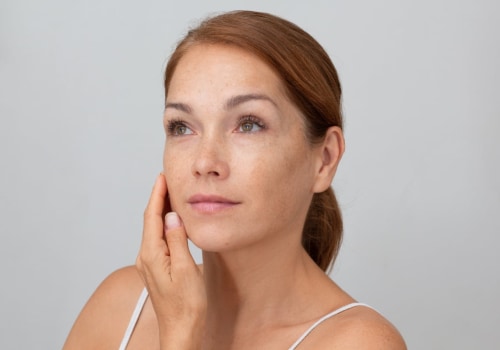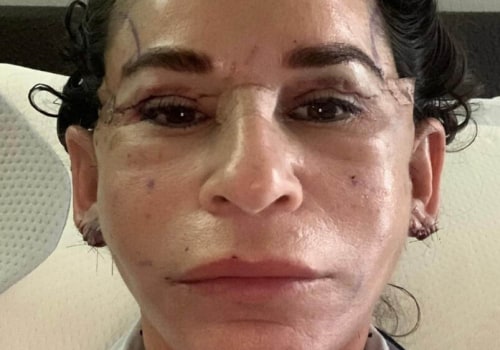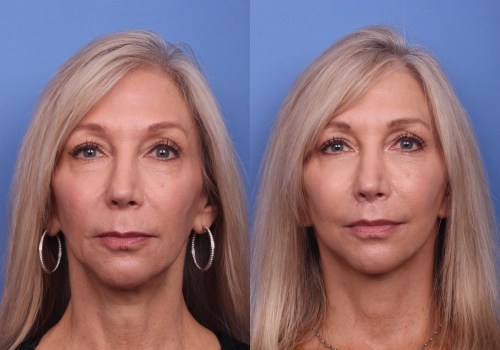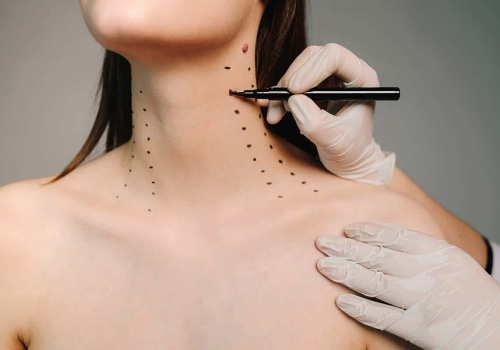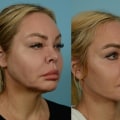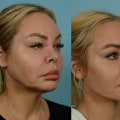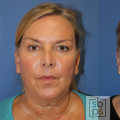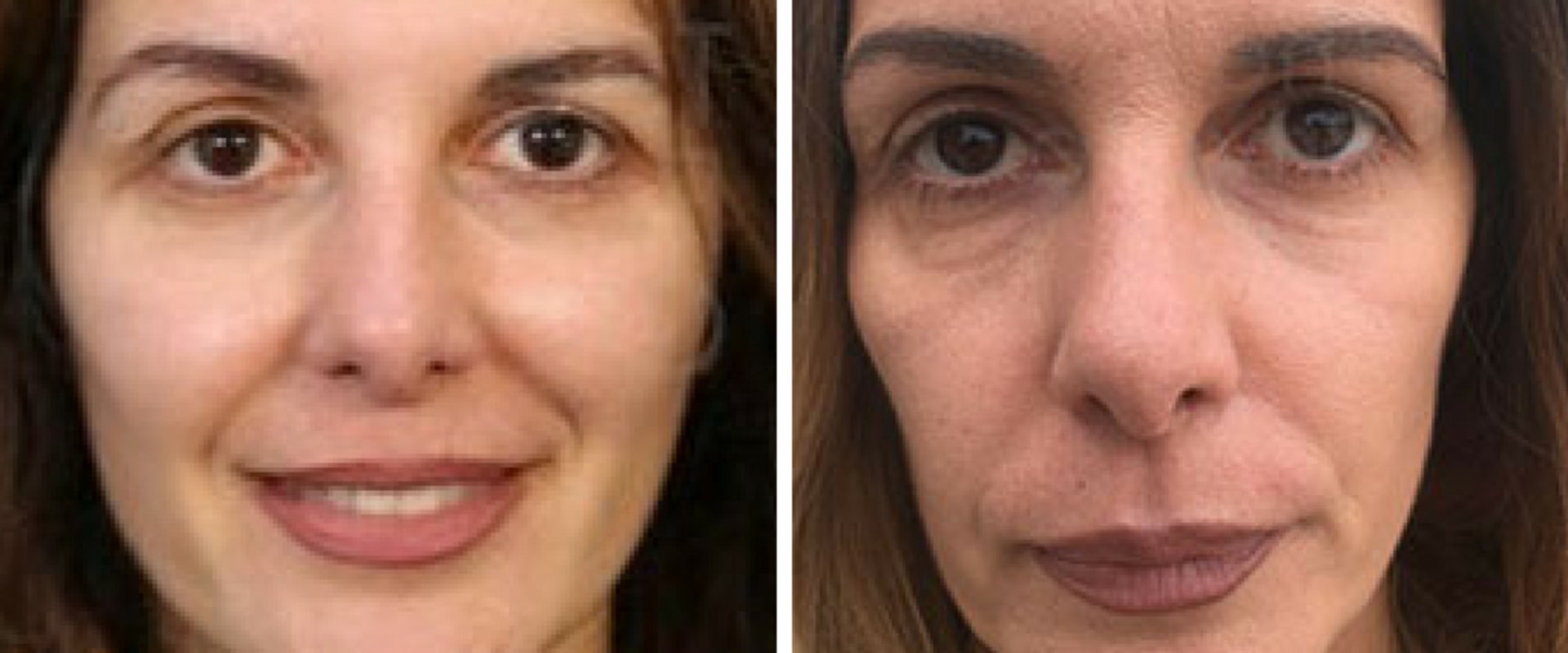
The concept of a facelift has long been associated with the pursuit of youthful, rejuvenated skin. Traditionally, a facelift involves surgical procedures designed to tighten and lift the skin on the face and neck, effectively reducing the visible signs of aging. This method has been a go-to solution for many individuals seeking to enhance their appearance, restore lost volume, and achieve a more defined facial contour. However, the thought of undergoing surgery can be daunting for some, leading to a growing interest in non-surgical alternatives that promise similar results without the need for invasive techniques.A facelift aims to address common concerns such as sagging skin, deep creases, and loss of elasticity.
The surgical approach typically involves making incisions around the ears and hairline to remove excess skin and reposition underlying tissues. While this method can yield dramatic results, it also comes with potential risks and a recovery period that may not suit everyone’s lifestyle. As a result, many are now exploring non-surgical facelift options that offer a less invasive route to facial rejuvenation.Non-surgical facelifts encompass a variety of treatments designed to enhance facial aesthetics without the need for incisions or general anaesthesia. These procedures often utilise advanced technologies such as dermal fillers, Botox, and laser therapies to achieve lifting effects and improve skin texture.
They provide an appealing alternative for those who wish to avoid the downtime associated with traditional surgery while still achieving noticeable improvements in their appearance.As we delve deeper into the world of facelifts, it is essential to understand both the traditional surgical methods and the innovative non-surgical options available today. This knowledge will empower individuals to make informed decisions about their aesthetic goals and choose the best path towards achieving a youthful visage.
The Rise of Non-Surgical Facelift Treatments
In recent years, there has been a significant shift in the aesthetic industry, with an increasing number of individuals opting for non-surgical facelift treatments. This trend can be attributed to various factors, including advancements in technology, changing societal norms, and a growing awareness of the options available for facial rejuvenation.One of the primary reasons for the rise in popularity of non-surgical facelifts is the desire for minimal downtime. Many people lead busy lives and are reluctant to undergo procedures that require extensive recovery periods.Non-surgical options, such as Botox , dermal fillers , and laser treatments , typically involve little to no downtime, allowing patients to return to their daily activities almost immediately.Moreover, the results of these treatments can be quite impressive, providing a refreshed and youthful appearance without the need for invasive surgery. For instance, Botox can effectively reduce the appearance of fine lines and wrinkles by temporarily relaxing the muscles that cause them. Similarly, dermal fillers can restore volume to areas that have lost elasticity due to aging, such as the cheeks and lips.The affordability of non-surgical facelift options also plays a crucial role in their growing popularity. While surgical facelifts can be costly and often require additional expenses for post-operative care, non-surgical treatments are generally more budget-friendly.
This accessibility allows a broader range of individuals to consider facial rejuvenation as a viable option.Furthermore, societal attitudes towards beauty and aging are evolving. There is a growing acceptance of cosmetic procedures as a means of self-care rather than vanity. Many individuals now view non-surgical facelifts as a way to enhance their natural beauty rather than completely alter their appearance. This shift in perception has led to an increase in demand for these less invasive treatments.In conclusion, the rise of non-surgical facelift treatments reflects a combination of technological advancements, changing societal norms, and patient preferences for less invasive options.
As more individuals seek ways to maintain their youthful appearance without the commitment associated with surgical procedures, it is likely that this trend will continue to grow.
Types of Non-Surgical Facelift Procedures
In recent years, the demand for non-surgical facelift procedures has surged, as individuals seek effective ways to rejuvenate their appearance without the need for invasive surgery. These innovative treatments offer a range of options tailored to address various signs of aging, from sagging skin to fine lines and wrinkles. Below, we explore some of the most popular types of non-surgical facelift procedures available today.Laser Treatments
Laser treatments have become a cornerstone in the realm of non-surgical facelifts. These procedures utilise focused light energy to stimulate collagen production and promote skin tightening.The most common types of laser treatments include:
- Fractional Laser Resurfacing: This technique targets specific areas of the skin, creating micro-injuries that encourage the body’s natural healing process. As a result, patients experience improved skin texture and tone.
- CO2 Laser Therapy: Known for its effectiveness in treating deeper wrinkles and scars, CO2 lasers remove layers of skin with precision, revealing fresher, more youthful skin underneath.
- Erbium Laser Treatments: These are less aggressive than CO2 lasers and are ideal for patients looking to treat superficial skin issues with minimal downtime.
Injectable Treatments
Injectables are another popular choice for those seeking a non-surgical facelift. They provide immediate results with minimal recovery time. The primary categories include:- Botox: This neurotoxin temporarily relaxes facial muscles, effectively smoothing out dynamic wrinkles such as crow's feet and frown lines.
Results typically last three to six months.
- Dermal Fillers: Composed of substances like hyaluronic acid, these fillers restore lost volume in areas such as the cheeks and lips. They can also enhance facial contours and improve skin elasticity.
- Liquid Facelifts: A combination of Botox and fillers can create a comprehensive rejuvenation effect, lifting sagging areas and providing a more youthful appearance without surgery.
Other Innovative Techniques
Apart from lasers and injectables, several other non-surgical techniques have gained popularity:- Ultrasound Therapy: This method uses ultrasound waves to stimulate collagen production deep within the skin, resulting in tighter and firmer skin over time.
- Radiofrequency Treatments: By delivering heat energy to the skin's deeper layers, radiofrequency treatments promote collagen renewal and improve skin laxity.
- Thread Lifts: This minimally invasive procedure involves inserting threads under the skin to lift and tighten sagging areas without major surgery.
Laser Treatments for Skin Tightening
Laser treatments have emerged as a leading non-surgical option for individuals seeking to tighten and rejuvenate their skin. These innovative procedures harness the power of focused light energy to stimulate collagen production, resulting in firmer and more youthful-looking skin.How Laser Treatment Works
During a laser skin tightening session, a trained professional uses a device that emits concentrated beams of light onto the targeted areas of the face or body.
This light penetrates the skin's surface, heating the underlying tissues without damaging the outer layer. The heat generated encourages the body’s natural healing response, prompting an increase in collagen and elastin production. Over time, this leads to improved skin elasticity and a reduction in sagging.
Benefits of Laser Treatment
- Minimal Downtime: One of the most significant advantages of laser treatments is that they typically require little to no recovery time. Most patients can resume their daily activities immediately after the procedure.
- Non-Invasive: Unlike surgical facelifts, laser treatments are non-invasive, meaning there are no incisions or stitches involved.
This significantly reduces the risk of complications and scarring.
- Customisable Treatments: Laser treatments can be tailored to meet individual needs. Practitioners can adjust the intensity and type of laser used based on the specific concerns of each patient.
- Long-Lasting Results: While results may vary, many patients experience noticeable improvements that can last for several months to over a year, especially with proper skincare maintenance.
- Safe for Various Skin Types: Advances in laser technology have made it possible for these treatments to be safe and effective for a wide range of skin types and tones.
Injectable Treatments: Botox and Fillers
Injectable treatments have revolutionised the way we approach facial rejuvenation, offering effective alternatives to traditional surgical facelifts. Among the most popular options are Botox and dermal fillers, both of which can significantly enhance your appearance without the need for invasive procedures.Botox for Facelift
Botox, a neurotoxin derived from the bacterium Clostridium botulinum, works by temporarily paralyzing the muscles that cause wrinkles.
This treatment is particularly effective for smoothing out dynamic wrinkles—those caused by facial expressions, such as frown lines and crow's feet. By strategically injecting Botox into specific areas of the face, patients can achieve a more youthful and relaxed appearance.One of the key advantages of Botox is its minimal downtime. Most patients can return to their daily activities immediately after treatment, making it a convenient option for those with busy lifestyles. Results typically last between three to six months, after which repeat treatments are necessary to maintain the desired look.
Dermal Fillers
While Botox is ideal for reducing muscle activity, dermal fillers serve a different purpose: they add volume and fullness to areas of the face that may have lost elasticity due to aging.
Commonly used fillers include hyaluronic acid-based products, which are known for their ability to attract and retain moisture in the skin.
- Cheek Augmentation: Fillers can restore volume to the cheeks, creating a more youthful contour.
- Lip Enhancement: Fillers can plump up lips, enhancing their shape and definition.
- Nasolabial Folds: These fillers can smooth out deep lines running from the nose to the corners of the mouth.
- Under-Eye Treatment: Fillers can also be used to reduce hollowness under the eyes, giving a refreshed look.
Liquid Facelift Options
A combination of Botox and dermal fillers is often referred to as a liquid facelift. This non-surgical approach allows for comprehensive facial rejuvenation by addressing multiple concerns simultaneously. By using these injectables in tandem, practitioners can lift sagging skin, fill in wrinkles, and restore lost volume—all without incisions or lengthy recovery times.In conclusion, injectable treatments like Botox and dermal fillers provide effective solutions for those looking to achieve a youthful appearance without surgery.
With their ability to target specific areas of concern and deliver immediate results, they have become essential tools in modern aesthetic practices.
Comparing Non-Surgical and Surgical Facelifts
When considering facial rejuvenation, individuals often find themselves weighing the options between non-surgical and surgical facelifts. Each approach has its own set of advantages and disadvantages, making it essential to understand the differences to make an informed decision.Benefits of Surgical Facelifts
- Long-lasting Results: Surgical facelifts typically provide more dramatic and longer-lasting results compared to non-surgical options. The effects can last for several years, making it a worthwhile investment for many.
- Comprehensive Rejuvenation: A surgical facelift can address multiple areas of the face simultaneously, including sagging skin, deep wrinkles, and loss of volume. This comprehensive approach often leads to a more youthful appearance.
- Customisation: Surgeons can tailor the procedure to meet individual needs, ensuring that the results align with the patient’s aesthetic goals.
Risks Associated with Surgery
- Anesthesia Risks: Surgical facelifts typically require general anesthesia, which carries inherent risks, especially for individuals with underlying health conditions.
- Recovery Time: Patients should expect a significant recovery period, often involving swelling, bruising, and discomfort.
This downtime can range from a few weeks to several months.
- Potential Complications: As with any surgical procedure, there is a risk of complications such as infection, scarring, or dissatisfaction with the results.
Non-Surgical Facelift Options
- Minimal Downtime: Non-surgical treatments like dermal fillers and laser therapies typically require little to no recovery time. Patients can often return to their daily activities immediately after treatment.
- Lower Risk: These procedures are generally less invasive than surgical options, resulting in fewer risks and complications.
- Gradual Improvement: Non-surgical facelifts offer a more subtle enhancement that can be adjusted over time. This allows patients to gradually achieve their desired look without drastic changes.
What to Expect from Non-Surgical Facelift Procedures
When considering a non-surgical facelift, it is essential to understand what to expect throughout the process, from the initial consultation to the recovery period and the longevity of results.Non-surgical facelift procedures encompass a variety of treatments designed to rejuvenate the face without the need for invasive surgery.
Before the Procedure
Prior to undergoing any non-surgical facelift treatment, patients typically have a consultation with a qualified practitioner. During this meeting, you will discuss your aesthetic goals, medical history, and any concerns you may have. The practitioner will assess your skin condition and recommend the most suitable treatment options tailored to your needs.
During the Procedure
The duration of non-surgical facelift procedures can vary depending on the specific treatment chosen. For instance, Botox injections may take as little as 15 to 30 minutes, while dermal fillers or laser treatments might require up to an hour.
Most procedures are minimally invasive and involve little discomfort, often described as a slight pinch or tingling sensation.
Recovery Time
One of the significant advantages of non-surgical facelifts is their minimal recovery time. Most patients can resume their daily activities immediately after treatment. However, some may experience mild swelling, redness, or bruising at the injection sites, which typically resolves within a few days. It is advisable to avoid strenuous exercise and direct sun exposure for at least 24 hours post-treatment to ensure optimal healing.
Results Duration
The results of non-surgical facelift procedures can vary based on the type of treatment used.
For example:
- Botox: Results usually last between three to six months.
- Dermal Fillers: Effects can last from six months up to two years, depending on the product used.
- Laser Treatments: Results may be visible for several months but often require maintenance sessions for prolonged effects.
Potential Side EffectsPotential Side Effects
While non-surgical facelift procedures are generally safe, some side effects may occur. Common reactions include:
- Mild swelling or bruising at injection sites
- Temporary redness or irritation
- Headaches (particularly with Botox)
- Asymmetry in facial features (rare)
Choosing the Right Treatment for You
When considering a non-surgical facelift, it is crucial to choose the right treatment that aligns with your individual needs and aesthetic goals.The variety of options available can be overwhelming, making it essential to approach the decision-making process thoughtfully.
Consultation with a Qualified Professional
The first step in selecting the appropriate non-surgical facelift treatment is to schedule a consultation with a qualified plastic surgeon or dermatologist. During this meeting, you can discuss your concerns, desired outcomes, and any previous treatments you may have undergone. A professional will assess your skin type, facial structure, and overall health to recommend the most suitable options.
Factors to Consider
- Skin Condition: Your skin's elasticity, texture, and overall health play a significant role in determining which treatment will be most effective. For instance, individuals with more sagging skin may benefit from treatments that offer tighter results.
- Aging Concerns: Identify specific areas of concern, such as fine lines, wrinkles, or volume loss.
Different treatments target various issues; for example, dermal fillers are excellent for adding volume, while laser treatments can improve skin texture.
- Recovery Time: Non-surgical options typically involve minimal downtime compared to surgical procedures. However, some treatments may require a few days for swelling or redness to subside. Discuss your schedule and any upcoming events with your surgeon to find a treatment that fits your lifestyle.
- Budget: Non-surgical facelifts can vary significantly in cost. It’s important to consider your budget while also weighing the potential long-term benefits of each treatment option.
Setting Realistic Expectations
Understanding the expected outcomes of each treatment is vital.
Non-surgical facelifts generally provide more subtle results compared to surgical options. While they can enhance your appearance and boost confidence, it’s essential to have realistic expectations about what these treatments can achieve.Ultimately, the right non-surgical facelift treatment should align with your personal goals and lifestyle. By consulting with a professional and considering the factors mentioned above, you can make an informed decision that enhances your natural beauty without the need for invasive surgery.
Frequently Asked Questions about Non-Surgical Facelifts
As the popularity of non-surgical facelifts continues to rise, many individuals find themselves with questions and uncertainties about these procedures. Below, we address some of the most frequently asked questions to help clarify common misconceptions and provide valuable insights.- What is a non-surgical facelift?
A non-surgical facelift refers to a range of cosmetic procedures designed to rejuvenate the face without the need for invasive surgery.These treatments can include options such as dermal fillers, Botox, laser therapy, and ultrasound skin tightening. Each method aims to enhance facial contours, reduce wrinkles, and improve skin texture.
- How long do the results last?
The longevity of results from non-surgical facelifts varies depending on the specific treatment used. For instance, dermal fillers typically last between six months to two years, while Botox effects can last three to six months. Regular maintenance treatments are often recommended to sustain the desired appearance. - Are non-surgical facelifts safe?
Generally, non-surgical facelift procedures are considered safe when performed by qualified professionals.However, as with any cosmetic treatment, there are potential risks and side effects. It is crucial to consult with a certified practitioner who can assess your individual needs and medical history.
- Can I achieve results comparable to a surgical facelift?
While non-surgical facelifts can provide significant improvements in facial appearance, they typically do not offer the same dramatic results as surgical facelifts. Non-invasive treatments are best suited for individuals seeking subtle enhancements rather than extensive lifting or tightening. - What are some common myths about non-surgical facelifts?
One prevalent myth is that all non-surgical treatments are painless and require no downtime. While many procedures have minimal recovery time, some may involve discomfort or swelling post-treatment.Another misconception is that results are immediate; while some treatments show instant effects, others may take time to fully manifest.
Conclusion: The Future of Facelifts Without Surgery
As we look towards the future of aesthetic treatments, it is clear that the demand for non-surgical facelifts will continue to rise. With advancements in technology and a growing understanding of skin health, patients are increasingly seeking options that offer effective results without the need for invasive procedures. The landscape of facial rejuvenation is evolving, and non-surgical alternatives are becoming more sophisticated, providing tailored solutions to meet individual needs.One of the most significant trends is the integration of cutting-edge technologies such as radiofrequency and ultrasound therapies.These methods stimulate collagen production and tighten skin without the downtime associated with traditional surgery. As these technologies become more refined, we can expect even better outcomes with minimal discomfort.Moreover, the rise of biotechnology in aesthetic medicine is paving the way for innovative treatments. For instance, injectable treatments are now being enhanced with growth factors and stem cells, which can promote healing and rejuvenation at a cellular level. This not only improves the appearance of the skin but also supports its long-term health.Another important aspect to consider is the increasing emphasis on personalisation.
Patients are no longer looking for one-size-fits-all solutions; they want treatments that cater specifically to their unique facial structures and aging concerns. This shift is leading practitioners to adopt a more holistic approach, combining various non-surgical techniques to achieve optimal results.In conclusion, while traditional surgical facelifts have their place in cosmetic surgery, the future undoubtedly lies in non-invasive alternatives. As technology continues to advance and patient preferences evolve, we can anticipate a broader range of options that not only enhance beauty but also promote overall skin health. The journey towards achieving a youthful appearance without surgery is becoming more accessible and effective, making it an exciting time for those considering facial rejuvenation.