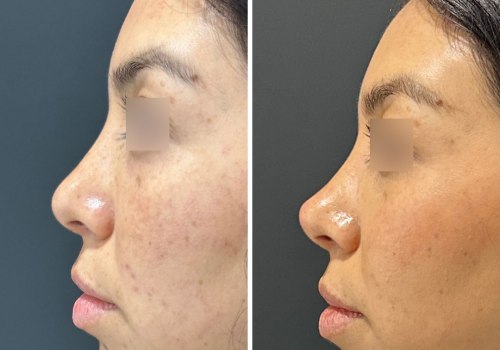
In recent years, the use of dermal fillers has surged in popularity, becoming a staple in the realm of facial aesthetics. These injectable treatments offer a non-surgical solution for individuals seeking to enhance their appearance by adding volume, smoothing wrinkles, and rejuvenating the skin. Among the various types of fillers available, hyaluronic acid fillershyaluronic acid fillers have gained particular acclaim due to their natural compatibility with the body and their ability to provide immediate results.The appeal of dermal fillers lies not only in their effectiveness but also in their versatility. They can be used to target specific areas of the face, such as the cheeks, lips, and under-eye regions, allowing for a tailored approach to facial enhancement.
As more people become aware of the transformative effects these treatments can offer, the demand for dermal fillers continues to grow. This trend is further fueled by social media and celebrity endorsements, which showcase the potential for achieving a youthful and vibrant appearance.However, with this rising popularity comes a critical question: how long do these fillers last? Understanding the longevity of dermal fillers is essential for anyone considering treatment. While many patients are drawn to the immediate results, they often wonder if these enhancements will stand the test of time or if they will eventually fade away completely. This inquiry leads us to explore not only the duration of filler effects but also whether they ever truly dissolve entirely from the face.As we delve deeper into this topic, we will examine the science behind dermal fillers, factors influencing their longevity, and what patients can expect regarding maintenance and touch-up treatments.
By gaining insight into these aspects, individuals can make informed decisions about their aesthetic goals and understand what it means to achieve lasting beauty through dermal fillers.
What Are Dermal Fillers?
Dermal fillers are injectable substances designed to restore volume, smooth out wrinkles, and enhance facial contours. They are a popular choice for individuals seeking non-surgical options to rejuvenate their appearance. By filling in areas that have lost volume due to aging or other factors, these fillers can create a more youthful and vibrant look.There are several types of dermal fillers available, each with unique properties and applications:- Hyaluronic Acid Fillers: These are among the most commonly used fillers. Hyaluronic acid is a naturally occurring substance in the body that helps retain moisture and adds volume to the skin.
Popular brands include Juvederm and Restylane. Results typically last from six months to a year, depending on the specific product and treatment area.
- Collagen-Based Fillers: Collagen fillers were some of the first types used in aesthetic treatments. They work by replenishing the skin's natural collagen levels, providing structure and elasticity. However, their popularity has declined with the advent of more effective options.
- Calcium Hydroxylapatite Fillers: This type of filler is made from a mineral found in bones.
It is thicker than hyaluronic acid and is often used for deeper lines and wrinkles. Radiesse is a well-known brand in this category, offering results that can last up to 18 months.
- Poly-L-lactic Acid Fillers: Unlike other fillers that provide immediate results, poly-L-lactic acid stimulates collagen production over time. Sculptra is a popular choice in this category, with effects lasting up to two years as collagen builds up in the treated areas.
The gel-like consistency of these substances allows them to integrate seamlessly with the surrounding tissue, providing natural-looking results.The procedure itself is relatively quick, often taking less than an hour, depending on the number of areas being treated. Most patients experience minimal discomfort during the injection process, as many fillers contain lidocaine, a local anaesthetic that helps reduce pain.In summary, dermal fillers offer a versatile solution for enhancing facial features and combating signs of aging. With various types available, individuals can choose a filler that best suits their needs and desired outcomes.
How Long Do Dermal Fillers Last?
Dermal fillers have become increasingly popular for enhancing facial features and achieving a more youthful appearance. However, one of the most common questions patients ask is, how long do fillers last ? The duration of dermal fillers can vary significantly based on several factors, including the type of filler used, the area of injection, and individual physiological differences.Typically, hyaluronic acid fillers, which are among the most commonly used types, can last anywhere from 6 to 12 months.These fillers are designed to gradually break down in the body, as hyaluronic acid is a naturally occurring substance. Some patients may find that their results last longer, up to 18 months, particularly if they maintain a consistent treatment schedule.Other types of fillers, such as those made from calcium hydroxylapatite or poly-L-lactic acid, may offer longer-lasting results. For instance:
- Calcium Hydroxylapatite Fillers: These can last approximately 12 to 18 months and are often used for deeper lines and wrinkles.
- Poly-L-lactic Acid Fillers: These stimulate collagen production and can provide results that last up to 2 years.
- Injection Technique: The skill and technique of the practitioner play a crucial role. Proper placement and technique can enhance the durability of the filler.
- Metabolism: Individual metabolic rates can affect how quickly the body breaks down fillers.
Those with faster metabolisms may find that their fillers dissipate more quickly.
- Area of Injection: Fillers injected into areas with more movement, such as around the mouth or eyes, may not last as long due to the constant muscle activity in these regions.
- Skin Type and Condition: Factors such as skin elasticity and overall health can also impact how long fillers remain effective.
Do Fillers Ever Completely Go Away?
When considering the longevity of dermal fillers, a common question arises: do fillers dissolve completely ? The answer is nuanced and depends on several factors, including the type of filler used, the area of injection, and individual metabolic rates.Most dermal fillers are made from substances like hyaluronic acid, which is naturally found in the body. Over time, these fillers undergo a process known as filler absorption , where they gradually break down and are metabolised by the body. Typically, hyaluronic acid fillers can last anywhere from six months to a year before they are fully absorbed.However, this does not mean that they disappear overnight; rather, their effects diminish gradually.It is important to note that while fillers do dissolve, they may not always do so uniformly. Factors such as filler migration can influence how and where the filler breaks down. Migration refers to the movement of filler from the original injection site to surrounding areas. This can occur due to facial movements or natural shifts in tissue over time.
For instance, lip fillers may migrate upwards due to the activity of the orbicularis oris muscle during speaking or eating.In some cases, patients may notice that their fillers seem to last longer in certain areas or that they have a residual effect even after the expected absorption period. This can be attributed to the body's unique response to the filler material and how it interacts with surrounding tissues.Moreover, some individuals may choose to have touch-up treatments to maintain their desired appearance. Regular maintenance can help ensure that any potential migration or uneven absorption is addressed promptly.Ultimately, while dermal fillers do dissolve completely over time, their journey within the body is complex and influenced by various factors. Understanding this process can help individuals make informed decisions about their aesthetic treatments and manage their expectations regarding results.
Signs That Your Fillers Are Wearing Off
Understanding the signs that your dermal fillers are wearing off is crucial for maintaining a youthful appearance.As time passes, the effects of fillers can diminish, and recognising these changes can help you decide when to schedule a touch-up appointment.One of the most noticeable signs that your fillers are fading is a gradual loss of volume in the treated areas. For instance, if you initially enjoyed plump cheeks or fuller lips, you may start to observe a subtle deflation or flattening in these regions. This change can be particularly evident in areas where the skin is thinner, such as around the eyes and mouth.Another indicator is the return of fine lines and wrinkles. Fillers are designed to smooth out these imperfections, but as they wear off, you might find that the lines you sought to diminish begin to reappear.
This can be especially disheartening if you have become accustomed to a smoother complexion.Additionally, some patients report a change in texture or firmness of the skin. As fillers dissolve, the skin may feel less taut or exhibit a more uneven surface. This can lead to an overall appearance that feels less youthful and vibrant.It’s also important to consider how your facial expressions may change as fillers wear off. If you notice that your smile appears less pronounced or that your cheeks seem to sag slightly when you smile, it could be time for a touch-up.So, when should you consider scheduling a touch-up? Generally, it’s advisable to consult with your aesthetic practitioner about every six to twelve months after your initial treatment.
They can assess your individual needs and recommend the best timing for maintenance treatments based on how your body metabolises the filler and your desired aesthetic goals.In summary, being aware of these signs—loss of volume, re-emergence of fine lines, changes in skin texture, and shifts in facial expression—can help you maintain your desired look. Regular consultations with your practitioner will ensure that you stay informed about when to refresh your fillers for optimal results.
The Risks and Complications of Dermal Fillers
While dermal fillers can enhance facial aesthetics, it is crucial to understand the potential risks and complications associated with their use. Awareness of these issues can help individuals make informed decisions about their cosmetic treatments.One of the most common concerns is the possibility of allergic reactions. Although rare, some patients may experience an adverse response to the substances used in fillers, particularly those derived from animal products.Symptoms can range from mild swelling and redness at the injection site to more severe reactions, such as hives or difficulty breathing. It is essential for patients to discuss their medical history and any known allergies with their practitioner before undergoing treatment.Another significant risk involves migration of the filler material. This occurs when the injected substance moves from its original location, leading to uneven or unnatural results. Factors contributing to migration include the type of filler used, the injection technique, and the patient's facial movements.
For instance, areas around the mouth are particularly susceptible due to the high level of muscle activity in that region. Patients should be aware that while some migration is normal, excessive movement can lead to complications that may require corrective procedures.In addition to allergic reactions and migration, there are other potential complications that can arise:
- Infection: Any injection carries a risk of infection. Proper sterilisation techniques and aftercare are vital to minimise this risk.
- Vascular occlusion: This rare but serious complication occurs when filler is accidentally injected into a blood vessel, potentially leading to tissue necrosis or vision loss.
- Granulomas: These are small lumps that can form as a reaction to the filler material, often requiring further treatment to resolve.
By taking these precautions, patients can significantly reduce their chances of experiencing complications and achieve more satisfying results from their treatments.
Alternatives to Dermal Fillers: When to Consider a Face Lift
While dermal fillers have gained immense popularity for their ability to provide quick and noticeable results, there are instances where patients may seek more permanent solutions for facial rejuvenation. This is where face lifts come into play as a viable alternative to fillers, particularly for those experiencing significant sagging or loss of skin elasticity.A face lift, or rhytidectomy, is a surgical procedure designed to tighten the skin and underlying tissues of the face, resulting in a more youthful appearance. Unlike fillers, which merely add volume to specific areas, a face lift addresses the overall structure of the face, making it an ideal option for individuals with advanced signs of aging.When to Consider a Face Lift
Determining the right time to consider a face lift involves several factors:- Age and Skin Condition: Typically, candidates for a face lift are in their 40s to 70s, although younger individuals with significant sagging may also benefit. The condition of your skin plays a crucial role; those with good skin elasticity may achieve better results.
- Extent of Aging Signs: If you notice deep wrinkles, jowls, or sagging skin that fillers cannot adequately address, it may be time to explore surgical options.
- Long-Term Goals: If you desire a more permanent solution rather than temporary fixes, a face lift can provide lasting results that can rejuvenate your appearance for many years.
In such cases, transitioning to a surgical option like a face lift can be beneficial.It’s essential to consult with a qualified plastic surgeon who can assess your individual needs and discuss the potential benefits and risks associated with a face lift. They can help you understand how this procedure compares to fillers and whether it aligns with your aesthetic goals.In conclusion, while dermal fillers offer an excellent non-surgical option for facial enhancement, there are circumstances where a face lift may be the more appropriate choice. Understanding when to consider surgery is key to achieving the desired results and maintaining long-term satisfaction with your appearance.
Frequently Asked Questions About Dermal Fillers
As the popularity of dermal fillers continues to rise, so do the questions surrounding their use, effectiveness, and longevity. Here, we address some of the most frequently asked questions to help demystify these cosmetic treatments.How long do dermal fillers last?
The duration of dermal fillers can vary significantly based on the type of filler used, the area treated, and individual factors such as metabolism and lifestyle.Generally, hyaluronic acid fillers can last anywhere from 6 to 18 months. However, some patients may find that their results diminish sooner or last longer depending on their unique circumstances.
Do fillers ever completely dissolve?
Yes, most dermal fillers are designed to be temporary and will gradually dissolve over time. Hyaluronic acid fillers, for instance, are naturally broken down by the body’s enzymes. This process can take several months, but eventually, the filler will be fully absorbed, leaving no trace behind.Can fillers migrate after injection?
Migration of fillers is a concern for many patients.While it is relatively rare, it can occur due to various factors such as muscle movement or improper injection techniques. It is crucial to choose a qualified practitioner who understands facial anatomy to minimise this risk.
Are there any side effects associated with dermal fillers?
Like any cosmetic procedure, dermal fillers come with potential side effects. Common reactions include swelling, bruising, and redness at the injection site. More serious complications can occur but are rare when procedures are performed by experienced professionals.What are some common myths about dermal fillers?
- Myth: Fillers will make you look unnatural.
- Fact: When administered correctly and in moderation, fillers can enhance natural features without creating an exaggerated appearance.
- Myth: All fillers are the same.
- Fact: There are various types of fillers designed for different purposes; understanding these differences is key to achieving desired results.
- Myth: Once you start using fillers, you have to keep using them forever.
- Fact: While many people choose to maintain their results with regular treatments, it is not mandatory; you can stop at any time without adverse effects.
Conclusion: Making Informed Decisions About Dermal Fillers
In conclusion, understanding the dynamics of dermal fillers is essential for anyone considering these treatments.While fillers can provide significant aesthetic enhancements, it is crucial to recognise that they are not permanent solutions. The longevity of results varies based on several factors, including the type of filler used, the area treated, and individual physiological responses.As discussed, hyaluronic acid fillers typically last between 6 to 12 months, with some variations depending on the specific product and the treatment area. Regular assessments with a qualified practitioner can help ensure that the results remain natural and satisfying. It is important to remember that over time, fillers may diminish or migrate, leading to changes in appearance that may not align with your initial goals.Moreover, the misconception that more filler equates to better results can lead to an unnatural look.
A minimalist approach often yields more aesthetically pleasing outcomes, preserving facial harmony while enhancing features. Therefore, it is advisable to consult with experienced professionals who prioritise a balanced and natural appearance over excessive volume.When considering dermal fillers as part of your beauty regimen, it is vital to weigh the pros and cons carefully. Researching qualified practitioners , understanding the types of fillers available, and being aware of potential side effects will empower you to make informed decisions. Additionally, discussing your expectations openly with your practitioner can help tailor treatments to your unique needs.Ultimately, dermal fillers can be a valuable tool in achieving your desired aesthetic goals.
However, staying informed about their temporary nature and potential complications will ensure that you approach these treatments with realistic expectations and a clear understanding of what they can achieve.