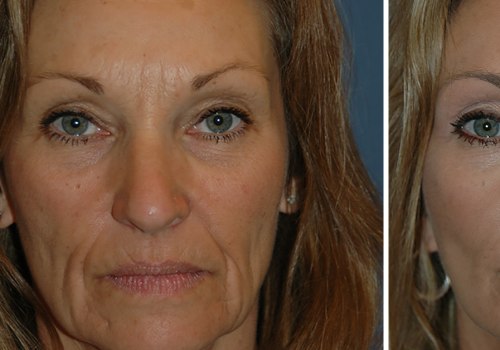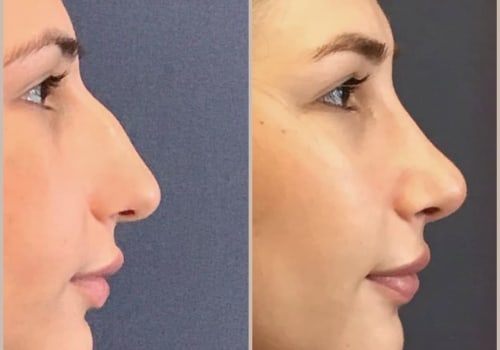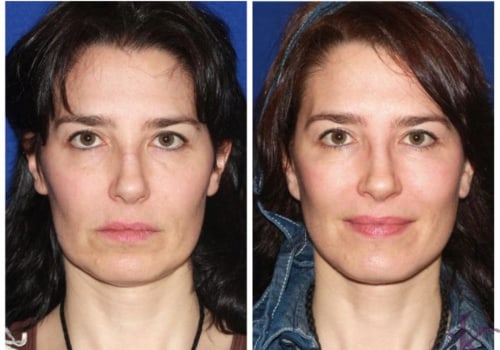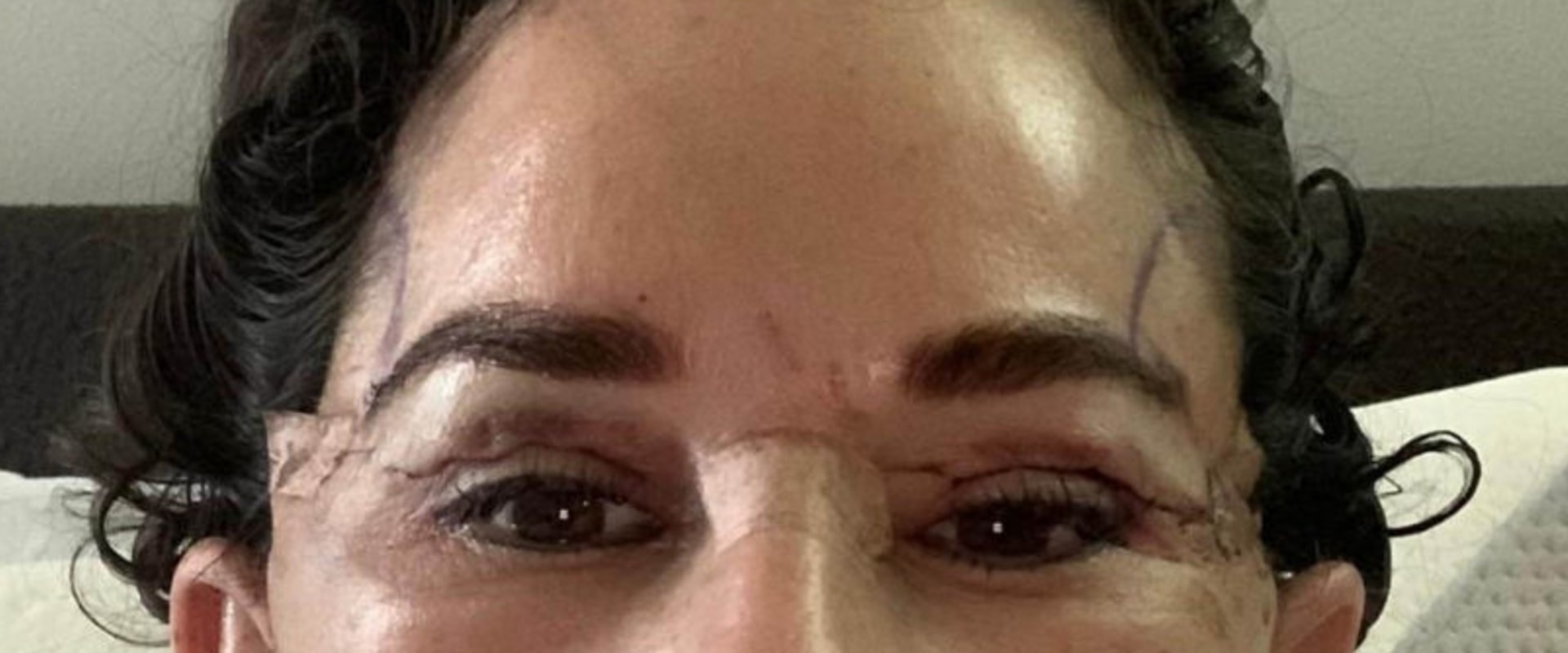
Facelift surgery, or rhytidectomy, is a popular cosmetic procedure designed to rejuvenate the appearance of the face by addressing sagging skin, deep creases, and other signs of aging. This surgical intervention typically involves the removal of excess skin and the tightening of underlying tissues, resulting in a more youthful and refreshed look. While the prospect of a facelift can be exciting, it is essential to understand that the recovery process is just as crucial as the surgery itself. Proper post-operative care can significantly influence the final results and overall satisfaction with the procedure.One of the most common concerns following facelift surgery is swelling.
This natural response occurs as the body initiates its healing process, sending fluids to the surgical site to protect and repair damaged tissues. While some degree of swelling is expected, managing it effectively can enhance comfort and expedite recovery. During this period, patients often wonder about the role of light physical activity, such as walking, in alleviating swelling and promoting healing.Walking gently around the house can serve multiple purposes during recovery. Not only does it help prevent complications like blood clots, but it also encourages circulation, which is vital for reducing swelling.
As patients begin to incorporate light walking into their routine, they may find that it aids in their overall recovery experience. Understanding how to balance rest with gentle movement is key to achieving optimal results from facelift surgery.
The Healing Process After a Facelift
Understanding the healing process after a facelift is essential for anyone undergoing this transformative procedure. The body’s response to surgery involves a complex series of biological reactions, primarily characterised by inflammation and swelling. These reactions are crucial for recovery, as they facilitate the healing of tissues and the restoration of normal function.Immediately following a facelift, the body initiates an inflammatory response.This is a natural defence mechanism that helps to protect the surgical site from infection and promotes healing. During this phase, blood vessels dilate, allowing increased blood flow to the area. This influx of blood brings essential nutrients and immune cells that aid in tissue repair.However, this increased blood flow also leads to swelling, which can be one of the most noticeable effects post-surgery. Swelling occurs as fluid accumulates in the tissues surrounding the surgical site.
While it can be uncomfortable and may affect your appearance temporarily, it is a normal part of the healing process.To manage swelling effectively, it is vital to follow post-operative care instructions provided by your surgeon. Here are some key strategies:
- Rest and Elevation: Keeping your head elevated while resting can significantly reduce swelling. This position helps to limit blood flow to the face and encourages fluid drainage.
- Gentle Movement: Light walking around your home can promote circulation without straining your body. This activity helps prevent complications such as blood clots while also aiding in lymphatic drainage.
- Cold Compresses: Applying ice packs or cold compresses to the face can help constrict blood vessels and reduce swelling.
Ensure that you wrap ice packs in a cloth to protect your skin.
- Hydration: Staying well-hydrated supports overall recovery and helps flush out excess fluids from your system.
- Nutritional Support: A balanced diet rich in vitamins A, C, and E can enhance healing. These nutrients play vital roles in collagen production and tissue repair.
The Role of Swelling in Recovery
Swelling, or edema, is a common and expected response following surgical procedures, including a facelift.Understanding the reasons behind this phenomenon is crucial for patients as it plays a significant role in the healing process.When surgery is performed, the body perceives this as an injury. In response, it activates its natural healing mechanisms. This includes sending an influx of blood and fluids to the affected area to facilitate repair. The primary causes of swelling after surgery can be attributed to:
- Inflammatory Response: The body releases various chemicals that promote inflammation, which is essential for healing but can lead to increased fluid accumulation.
- Increased Blood Flow: Surgical trauma causes blood vessels to dilate, allowing more blood to reach the area.
This increased blood flow can result in swelling as fluids leak into surrounding tissues.
- Lymphatic Drainage Impairment: Surgery can temporarily disrupt the lymphatic system, which is responsible for draining excess fluids from tissues. This disruption can lead to fluid retention and swelling.
- Protection: Swelling helps protect the surgical site by creating a cushion around it, reducing the risk of further injury.
- Healing Facilitation: The increased blood flow associated with swelling brings essential nutrients and oxygen to the tissues, promoting faster healing.
- Infection Prevention: The inflammatory response associated with swelling can help ward off infections by mobilising immune cells to the site of surgery.
These measures can help manage swelling effectively and contribute to a smoother recovery process.In summary, while swelling after a facelift may be bothersome, it is a natural part of the healing journey. Understanding its causes and significance can empower patients to take proactive steps in their recovery, ultimately leading to better outcomes.
How Walking Affects Swelling Post-Facelift
After undergoing a facelift, many patients are eager to return to their normal routines, including physical activity. One of the most beneficial activities during the recovery phase is walking. This gentle form of exercise can significantly aid in reducing swelling, which is a common side effect following facial surgery.Walking promotes circulation , which is essential for healing.When you walk, your heart pumps blood more efficiently throughout your body, delivering vital nutrients and oxygen to the surgical site. This increased blood flow helps to facilitate the healing process and can also assist in flushing out excess fluids that contribute to swelling.Moreover, walking encourages lymphatic drainage. The lymphatic system plays a crucial role in removing waste and excess fluid from tissues. By engaging in light walking, you stimulate this system, helping to reduce the accumulation of fluid that can lead to swelling.
This is particularly important after a facelift, as the surgical procedure can disrupt normal lymphatic function.It’s important to note that while walking is beneficial, it should be approached with caution. Here are some tips for incorporating walking into your post-surgery routine:
- Start Slow: Begin with short walks around your home. Gradually increase the duration as you feel more comfortable.
- Listen to Your Body: Pay attention to how your body responds. If you experience discomfort or increased swelling, it may be wise to rest.
- Maintain Good Posture: Keep your head elevated while walking to further assist in reducing swelling.
- Avoid Strenuous Activity: Steer clear of high-impact exercises or activities that could strain your body until you receive clearance from your surgeon.
Not only does it enhance circulation and lymphatic drainage, but it also promotes overall well-being during the healing process. Always consult with your healthcare provider before starting any new exercise regimen post-surgery to ensure it aligns with your specific recovery needs.
Guidelines for Walking After a Facelift
After undergoing a facelift, it is crucial to approach your recovery with care, particularly when it comes to resuming physical activity such as walking. Walking can play a significant role in your recovery process, helping to enhance circulation, reduce swelling, and promote overall healing. However, it is essential to follow specific guidelines to ensure that you are walking safely and effectively.When to Start Walking
Typically, patients are encouraged to begin light walking within the first few days post-surgery.
However, the exact timing may vary based on individual recovery rates and the surgeon's recommendations. It is advisable to consult with your healthcare provider before initiating any walking regimen. Generally, starting with short walks around your home can be beneficial.
How to Walk Safely After Surgery
- Start Slow: Begin with brief walks of 5-10 minutes at a time. Gradually increase the duration as you feel more comfortable.
- Maintain Good Posture: Keep your head elevated and shoulders relaxed while walking to avoid unnecessary strain on your facial tissues.
- Avoid Strenuous Activity: Steer clear of vigorous exercise or activities that could elevate your heart rate significantly or put pressure on your face.
- Listen to Your Body: Pay attention to how you feel during and after walking.
If you experience discomfort or increased swelling, stop and rest.
Maximising Benefits While Minimising Risks
To maximise the benefits of walking while minimising risks, consider the following tips:
- Choose Flat Surfaces: Walk on even ground to reduce the risk of tripping or falling.
- Stay Hydrated: Drink plenty of water before and after your walks to help flush out toxins and support healing.
- Wear Comfortable Shoes: Opt for supportive footwear that provides stability and comfort during your walks.
- Incorporate Breathing Exercises: Focus on deep breathing while walking to enhance oxygen flow and promote relaxation.
Complementary Strategies to Reduce Swelling
While walking is an excellent way to promote circulation and reduce swelling after a facelift, there are several complementary strategies that can further enhance your recovery process. These methods include ice therapy, dietary considerations, and ensuring proper rest.Ice Therapy
One of the most effective techniques for managing swelling post-surgery is the application of ice. Ice therapy works by constricting blood vessels, which can significantly reduce inflammation and numb the area, alleviating discomfort.Here are some tips for effective ice application:
- Timing: Apply ice packs to the affected areas for 15-20 minutes every hour during the first 48 hours after surgery.
- Protection: Always wrap ice packs in a cloth or towel to prevent frostbite on the skin.
- Elevation: Combine ice therapy with keeping your head elevated to maximise its effectiveness in reducing swelling.
Dietary Considerations
Your diet plays a crucial role in your recovery and can influence the level of swelling you experience. Incorporating certain foods can help manage inflammation and promote healing:- Hydration: Drink plenty of water to help flush out toxins and reduce fluid retention. Aim for at least 8-10 glasses a day.
- Anti-inflammatory Foods: Include foods rich in omega-3 fatty acids, such as salmon, walnuts, and flaxseeds, which can help reduce inflammation.
- Fruits and Vegetables: Consume a variety of colourful fruits and vegetables that are high in antioxidants, such as berries, spinach, and bell peppers. These nutrients support your immune system and aid in tissue repair.
- Avoid Processed Foods: Steer clear of high-sodium foods that can lead to water retention and exacerbate swelling.
Rest and Recovery
Rest is another vital component of your recovery plan.Ensuring you get adequate sleep allows your body to heal more effectively. Here are some tips to enhance your rest:
- Sleep Position: Sleep with your head elevated using extra pillows or a wedge pillow to help reduce swelling.
- Avoid Strain: Limit physical activity that could strain your body or increase blood flow to the face during the initial recovery period.
Common Concerns and FAQs About Walking After a Facelift
After undergoing a facelift, many patients have questions regarding the role of walking in their recovery process. Here, we address some of the most common concerns and frequently asked questions about walking after a facelift.Is it safe to walk after a facelift?
Yes, walking is generally safe and encouraged after a facelift, but it is important to start slowly.Gentle walking can promote circulation, which aids in healing and reduces the risk of blood clots. However, it is crucial to listen to your body and avoid any strenuous activity until your surgeon gives you the green light.
When can I start walking?
Most surgeons recommend that patients begin light walking within the first few days post-surgery. This can include short walks around the house. As you start to feel more comfortable, you can gradually increase the duration and distance of your walks.Always consult with your surgeon for personalised advice based on your specific recovery.
Will walking help reduce swelling?
Walking can indeed help reduce swelling after a facelift. By promoting blood circulation and lymphatic drainage, gentle movement assists in the removal of excess fluid that may accumulate in the facial tissues. This can lead to a more comfortable recovery experience.What should I avoid while walking?
- Avoid high-impact activities: Activities that involve jumping or running should be avoided until you receive clearance from your surgeon.
- Steer clear of crowded places: To minimise the risk of infection, it’s best to avoid crowded areas during the early stages of recovery.
- Don’t overexert yourself: If you feel any discomfort or pain while walking, stop immediately and rest.
How long will I need to walk during my recovery?
The duration and frequency of walking will vary from person to person. Initially, aim for short walks several times a day, gradually increasing as you feel more capable.Your surgeon will provide guidance tailored to your individual healing process.In summary, incorporating light walking into your post-facelift routine can significantly aid in recovery by reducing swelling and promoting overall well-being. Always follow your surgeon's recommendations for a safe and effective recovery journey.
Conclusion: Embracing Movement for Optimal Recovery
In conclusion, the journey to recovery after a facelift is multifaceted, and incorporating walking into your post-operative routine can significantly enhance your healing process. As we have explored throughout this article, walking not only aids in reducing swelling but also plays a crucial role in preventing complications that may arise during the recovery phase.Engaging in light walking around your home can stimulate circulation, which is essential for the healing tissues in your face. Improved blood flow helps to transport nutrients and oxygen to the surgical site, promoting faster recovery and minimising the risk of blood clots.Moreover, gentle movement encourages lymphatic drainage, which is vital for reducing fluid retention and swelling.It is important to remember that while walking is beneficial, it should be approached with caution. Start with short, gentle walks and gradually increase the duration as you feel more comfortable. Listening to your body is key; if you experience any discomfort or increased swelling, it may be wise to reduce your activity level temporarily.Additionally, maintaining an elevated position while resting and adhering to prescribed post-operative care instructions will further support your recovery efforts. Combining these practices with a balanced diet rich in vitamins and hydration will create an optimal environment for healing.Ultimately, embracing movement through walking can lead to a smoother recovery experience after a facelift.
By prioritising this simple yet effective activity, you are taking proactive steps towards achieving the best possible results from your surgery. Remember that every individual’s recovery journey is unique; therefore, consult with your surgeon for personalised advice tailored to your specific needs.In summary, walking is not just a means of physical activity; it is a vital component of your post-facelift recovery strategy. By integrating regular walks into your daily routine, you can significantly enhance your healing process and enjoy the benefits of reduced swelling and improved overall well-being.