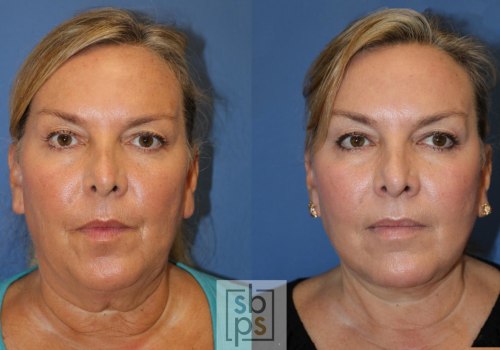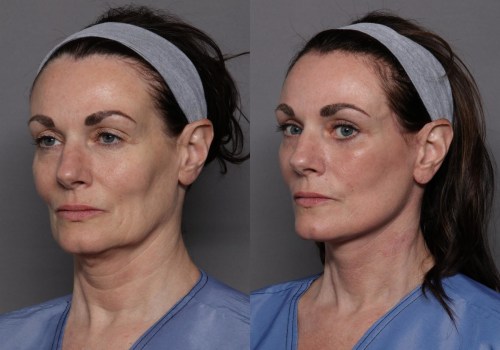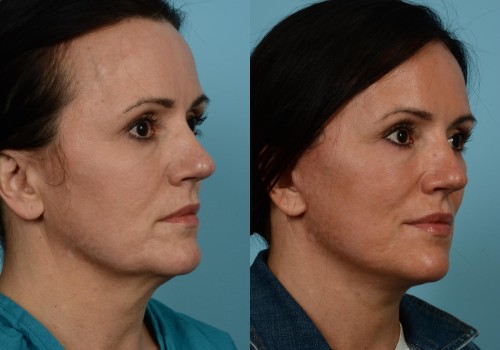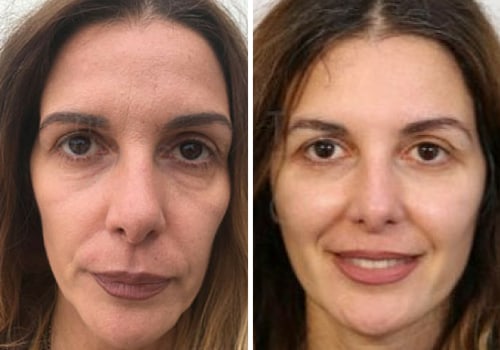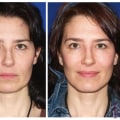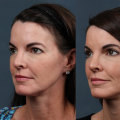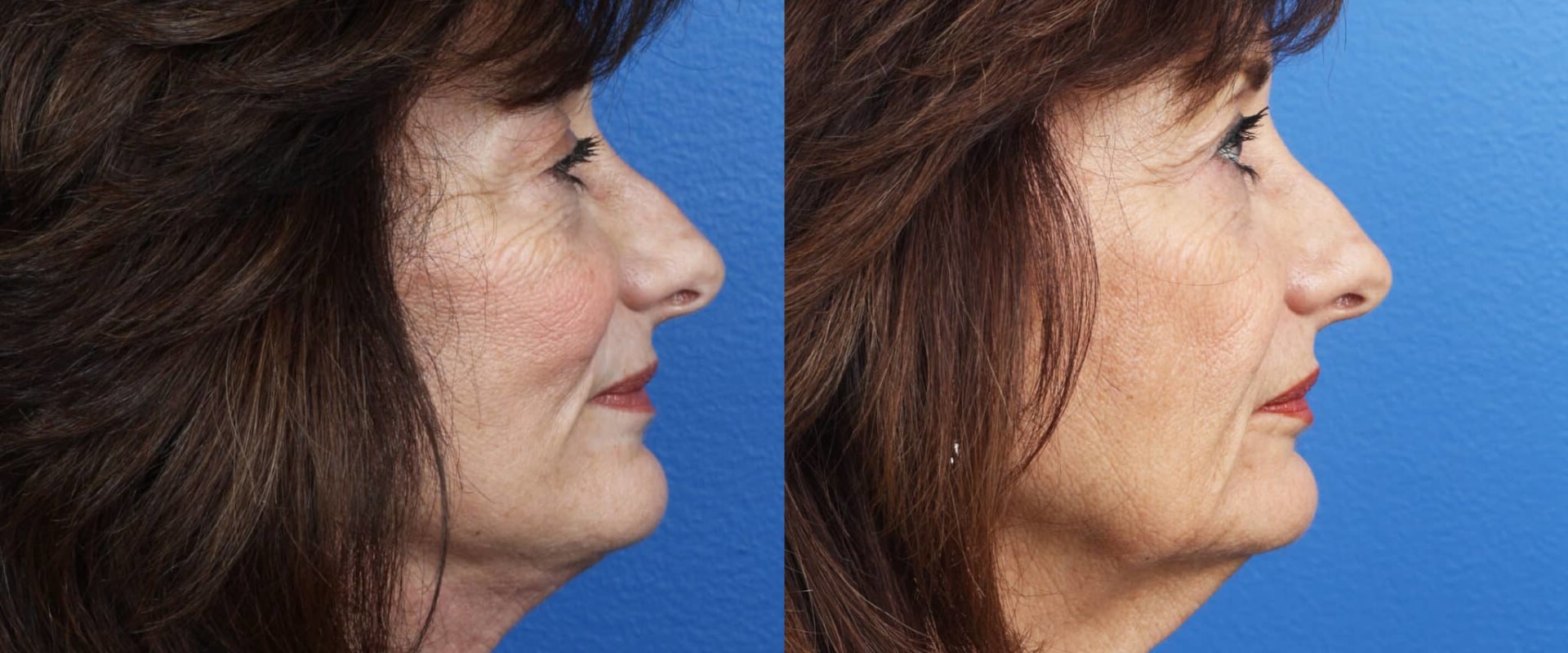
A facelift, medically known as rhytidectomy, is a cosmetic surgical procedure designed to create a more youthful appearance by addressing the visible signs of aging in the face and neck. As we age, our skin loses elasticity, leading to sagging and the formation of wrinkles. A facelift aims to reverse these effects by tightening the underlying muscles and removing excess skin, resulting in a smoother and firmer facial contour.There are several types of facelifts, each tailored to meet the specific needs and goals of the individual. The most common types include the traditional facelift, which involves incisions around the hairline and ears, allowing for significant lifting of the skin and underlying tissues.
Another popular option is the mini facelift, which is less invasive and focuses on the lower face, providing subtle yet effective results with shorter recovery times. Additionally, there are non-surgical options such as thread lifts that offer temporary lifting effects without the need for extensive surgery.Understanding the different types of facelifts is crucial for anyone considering this procedure. Each type varies in terms of technique, recovery time, and results. For instance, while a traditional facelift can provide dramatic changes, it may also require a longer healing period compared to a mini facelift.
Furthermore, advancements in technology have led to innovative techniques that can enhance results while minimising scarring and downtime.Ultimately, the purpose of a facelift extends beyond mere aesthetics; it can significantly boost an individual's confidence and self-esteem. By restoring a more youthful appearance, many find that they feel revitalised and more comfortable in their own skin. As we delve deeper into this topic, we will explore how to identify signs of a facelift and what to look for when assessing whether someone has undergone this transformative procedure.
Common Signs of a Facelift
Identifying whether someone has undergone a facelift can be a nuanced task, as the signs may vary significantly from person to person. However, there are several common indicators that can help you determine if a facelift has taken place.1.Skin Texture and Appearance
One of the most noticeable signs of a facelift is the texture and overall appearance of the skin.
After a facelift, the skin may appear unusually smooth and taut, often giving it a shiny or overly polished look. This can be particularly evident around the cheeks and jawline, where the skin is pulled tighter. In some cases, this tightness can lead to an unnatural stiffness in facial expressions, making it difficult for the individual to smile or frown naturally.
2.Changes in Facial Contours
A facelift often alters the contours of the face, leading to a more youthful appearance. This can manifest as:
- Elevated Cheeks: The cheeks may appear fuller and more lifted, which can create a more youthful profile.
- Defined Jawline: A well-executed facelift can result in a sharper jawline, reducing sagging skin that contributes to jowls.
- Smoother Neck: The neck area is often addressed during a facelift, leading to less sagging skin and a more defined neck contour.
3.Visible Scarring
While skilled surgeons aim to hide incisions within natural creases of the skin, visible scars can still be an indicator of a facelift.
Typically, these incisions are made along the hairline at the temples and extend around the ears. If these scars are not well-concealed or if they have not healed properly, they can become noticeable signs of surgical intervention.
4.Asymmetry in Facial Features
In some cases, individuals who have had facelifts may exhibit asymmetry in their facial features. This can occur if one side of the face is lifted more than the other or if there is uneven healing post-surgery. Such discrepancies can be subtle but may be noticeable upon close inspection.
5.Overuse of Cosmetic Treatments
Many individuals who opt for facelifts also use other cosmetic treatments such as Botox or fillers.
An excessive application of these products can lead to an unnatural appearance, further indicating that surgical enhancements have been made. A shiny or overly smooth forehead or cheeks may suggest that Botox has been used in conjunction with a facelift.In conclusion, while some signs of a facelift are more apparent than others, understanding these common indicators can help you discern whether someone has undergone this procedure. Observing changes in skin texture, facial contours, visible scarring, asymmetry, and cosmetic treatment overuse are all essential factors to consider when evaluating someone's appearance post-facelift.
Facial Expressions and Movement Post-Facelift
One of the most significant aspects of a facelift is its impact on facial expressions and overall movement. A successful facelift should enhance a person's appearance while allowing them to maintain their natural expressions.However, there are instances where the results can lead to noticeable changes in how a person moves their face, which can be a telltale sign of surgical intervention.After undergoing a facelift, many individuals may experience some degree of stiffness or limited mobility in their facial muscles. This can manifest as difficulty in performing common expressions such as smiling, frowning, or squinting. The extent of this limitation often depends on the surgical technique used and the skill of the surgeon. In some cases, if the skin is pulled too tightly or if the underlying muscles are not properly adjusted, it can result in an unnatural appearance.To assess whether someone has had a facelift based on their facial expressions, consider the following:
- Natural vs Unnatural Expressions: A well-executed facelift should allow for a full range of expressions without appearing forced or exaggerated.
If someone’s smile seems overly stretched or their frown lacks depth, it may indicate that the procedure was not performed optimally.
- Symmetry: While some asymmetry is natural in human faces, a facelift should ideally enhance symmetry. If one side of the face appears significantly different from the other, it could suggest that the surgery has resulted in uneven results.
- Movement Limitations: Pay attention to how easily someone can move their face. If they struggle to raise their eyebrows or have difficulty showing surprise or concern, these could be signs of excessive tightening during surgery.
Patients should be able to express emotions authentically without feeling restricted by their surgical enhancements.In conclusion, while a facelift can significantly rejuvenate one’s appearance, it is crucial for individuals to retain their ability to express emotions naturally. Observing facial movements and expressions can provide valuable insights into whether someone has undergone this procedure and how successful it has been in preserving their unique characteristics.
Visible Scarring: What to Look For
When considering the signs of a facelift, one of the most telling indicators can be the presence of visible scarring. Understanding where these scars are typically located and how they can manifest is crucial for anyone looking to discern whether someone has undergone this surgical procedure.Common Locations for Facelift Scars
- Hairline Incisions: Most facelift surgeries begin with incisions made along the hairline at the temples. This strategic placement helps to conceal scars within the natural contours of the hair.
- Preauricular Area: The incisions often extend in front of the ear, wrapping around to the back.
This area is chosen because it is less visible and can easily blend with the natural folds of the ear.
- Postauricular Region: Some surgeons may also make incisions behind the ear, which can further help in hiding any scarring. This area is typically less exposed and can be a good location for incision placement.
- Neck Incisions: In cases where a neck lift is performed alongside a facelift, additional incisions may be made under the chin or along the neck. These scars can sometimes be more visible, especially if not placed carefully.
Characteristics of Facelift Scars
The appearance of scars after a facelift can vary significantly based on several factors, including the surgeon's technique, skin type, and individual healing processes. Here are some characteristics to consider:
- Scar Colour: Fresh scars are often red or pink and may fade over time to a lighter shade.
However, if they remain prominent or discoloured, it could indicate improper healing.
- Texture: Scars should ideally be smooth and flat. Raised or bumpy scars may suggest complications during healing or excessive tension on the incision site.
- Length and Visibility: While some scarring is inevitable, well-executed facelifts should result in minimal visible scarring. If scars are long or easily noticeable, it may indicate a less skilled surgical technique.
Conclusion
In summary, while some degree of scarring is an inherent part of any surgical procedure, understanding where facelift scars are typically located and their characteristics can provide valuable insights into whether someone has undergone this transformation. A skilled surgeon will aim to minimise visibility and ensure that any resulting scars blend seamlessly with the individual's natural features.
Skin Quality and Texture Changes
One of the most noticeable aspects of a facelift is the change in skin quality and texture.After undergoing this procedure, many individuals report a significant alteration in how their skin appears and feels. These changes can serve as indicators of whether someone has had a facelift.Following a facelift, the skin may exhibit a shiny appearance , which can be attributed to several factors. This shininess often results from the tightening of the skin, which can create a smooth, almost reflective surface. While some degree of smoothness is expected after surgery, an excessive shine may suggest that the skin has been overly manipulated or that products such as Botox have been used in conjunction with the facelift.In addition to shininess, individuals may notice an unnatural smoothness to their skin.
This can manifest as a lack of texture that is typically present in healthy skin. Natural skin has a certain degree of texture and variation, which contributes to its youthful appearance. If the skin appears too smooth or lacks the subtle imperfections that come with age, it may indicate that cosmetic procedures have been performed.Another important factor to consider is the overall quality of the skin. After a facelift, some individuals may experience changes in elasticity and firmness.
While a well-executed facelift should enhance these qualities, poor surgical techniques can lead to an unnatural feel. If the skin feels excessively tight or stiff, it could be a sign that the procedure was not performed with the necessary finesse.Moreover, visible signs of healing , such as redness or swelling, can also affect how the skin looks post-surgery. These signs are typically temporary but can contribute to an altered perception of skin quality immediately following the procedure. As healing progresses, many patients find that their skin begins to return to its natural state; however, if these signs persist or if there are noticeable scars from incisions, it may indicate less-than-ideal surgical outcomes.In summary, changes in skin quality and texture after a facelift can provide clues about whether someone has undergone this procedure.
A shiny appearance, unnatural smoothness, and alterations in elasticity are all potential indicators of cosmetic intervention. Observing these characteristics can help one discern whether a facelift has been performed and how successful it was in achieving natural-looking results.
Comparing Face and Neck Proportions
When considering the outcomes of a facelift, one of the most critical aspects to evaluate is the relationship between the face and neck proportions. A successful facelift should not only rejuvenate the facial features but also ensure that the neck appears equally youthful and harmonious. This balance is essential for achieving a natural look that enhances overall facial aesthetics.After a facelift, it is vital to assess how well the neck complements the face.If the neck appears saggy or disproportionate compared to the tightened facial skin, it can create an unnatural contrast that draws attention to the surgical alterations rather than enhancing beauty. A well-executed facelift should result in:
- Proportionality: The neck should maintain a similar youthful appearance as the face, with both areas reflecting a consistent age and vitality.
- Smooth Transitions: The transition between the jawline and neck should be seamless, without any visible lines or abrupt changes in skin texture.
- Defined Jawline: A lifted and well-defined jawline can significantly enhance facial harmony, making both the face and neck appear more sculpted.
- A reduction in excess skin: The neck should no longer exhibit sagging or loose skin that can often accompany aging.
- Improved muscle tone: The underlying muscles should be tightened, providing a firmer appearance that complements the facial structure.
- A youthful contour: The angle between the chin and neck should be aesthetically pleasing, contributing to an overall youthful profile.
This holistic approach ensures that both the face and neck work together to create a balanced and natural appearance post-surgery.
Psychological Aspects: Perception of Change
The decision to undergo a facelift is often deeply intertwined with an individual’s psychological state and perception of beauty. Many people view cosmetic surgery as a means to enhance their self-image and boost their confidence. However, the emotional impact of such procedures can be complex and multifaceted.One significant psychological aspect is the perception of beauty itself. Societal standards of beauty can heavily influence an individual's desire to pursue surgical enhancements.In cultures where youthfulness is equated with attractiveness, individuals may feel pressured to conform to these ideals, leading them to consider a facelift as a viable option for maintaining or restoring their youthful appearance.Moreover, the emotional ramifications of undergoing a facelift can vary widely. For some, the results can lead to increased self-esteem and a more positive self-image. They may feel empowered by their new appearance, which can translate into greater social confidence and improved interactions in both personal and professional settings. This newfound confidence can be particularly pronounced in individuals who have long struggled with body image issues.Conversely, there are those who may experience negative psychological effects post-surgery.
The expectation versus reality gap can lead to feelings of disappointment if the results do not align with their idealised vision. This dissonance can result in anxiety, depression, or even regret about the decision to undergo surgery. It is crucial for individuals considering a facelift to engage in thorough pre-operative consultations with qualified professionals who can help manage expectations and provide realistic outcomes.Additionally, the perception of others plays a significant role in how individuals feel about their surgical choices. Friends, family, and society at large often have opinions about cosmetic procedures that can influence an individual's feelings about their own surgery.
Positive reinforcement from loved ones can bolster confidence, while negative comments or scrutiny can lead to self-doubt.In conclusion, the psychological aspects surrounding facelifts are intricate and varied. Understanding the emotional impact of such procedures is essential for anyone considering surgery. By acknowledging both the potential benefits and drawbacks, individuals can make informed decisions that align with their personal values and self-image.
FAQs About Facelifts and Their Signs
When considering a facelift, many individuals have questions about the procedure, its signs, and what to expect post-surgery. Below are some frequently asked questions that can help clarify common concerns and misconceptions surrounding facelifts.What is a facelift?
A facelift, or rhytidectomy, is a surgical procedure designed to improve visible signs of aging in the face and neck.This includes the removal of excess skin, tightening underlying tissues, and repositioning the skin on the face and neck to create a more youthful appearance.
How can I tell if someone has had a facelift?
Identifying whether someone has undergone a facelift can be challenging, especially if the procedure was performed skillfully. However, there are several signs that may indicate cosmetic surgery:- Skin Tightness: An unnaturally tight or stiff appearance in the facial skin can be a telltale sign of a facelift.
- Visible Scars: While skilled surgeons aim to hide incisions within natural creases, visible scars around the ears or hairline may suggest surgical intervention.
- Facial Expressions: A lack of normal facial movement—such as difficulty smiling or frowning—can indicate that a facelift has been performed.
- Neck and Face Proportions: If the neck appears significantly tighter than the face, it may suggest an uneven result from the procedure.
What are common misconceptions about facelifts?
There are several myths surrounding facelifts that can lead to misunderstandings:- Facelifts are only for older individuals: While many patients are older, younger individuals may also seek facelifts for various reasons, including genetic factors.
- All facelifts look unnatural: A well-executed facelift should enhance natural beauty rather than create an artificial look.
- The results are permanent: While facelifts can provide long-lasting results, they do not stop the aging process. Maintenance treatments may be necessary over time.
How long does recovery take after a facelift?
The recovery period after a facelift varies by individual but generally takes about two to four weeks for initial healing. Patients may experience swelling and bruising during this time.Following your surgeon's post-operative care instructions is crucial for optimal recovery.Understanding these aspects of facelifts can help demystify the procedure and its outcomes. If you have further questions or concerns, consulting with a qualified plastic surgeon is always recommended.
Conclusion: Recognising Facelift Signs Effectively
In conclusion, recognising the signs of a facelift is essential for anyone interested in cosmetic procedures, whether for personal knowledge or to engage in informed discussions with others. Understanding the subtle and overt indicators can help individuals make educated decisions about their own aesthetic choices or those of friends and family.Throughout this article, we have explored various aspects that can signal the presence of a facelift. These include:- Altered Facial Contours: A significant change in the shape of the face, particularly around the jawline and cheeks, can indicate surgical intervention.
- Skin Texture Changes: An unnaturally smooth or shiny appearance may suggest excessive use of fillers or Botox, often accompanying facelift procedures.
- Visible Scarring: While skilled surgeons aim to hide incisions within natural creases, visible scars can be a clear sign of surgery.
- Facial Expression Limitations: If someone appears unable to express emotions naturally—such as smiling or frowning—it may indicate that they have undergone a facelift.
- Neck and Face Proportions: A well-executed facelift should result in a harmonious balance between the face and neck.
Discrepancies in this area can be a telltale sign of surgical work.